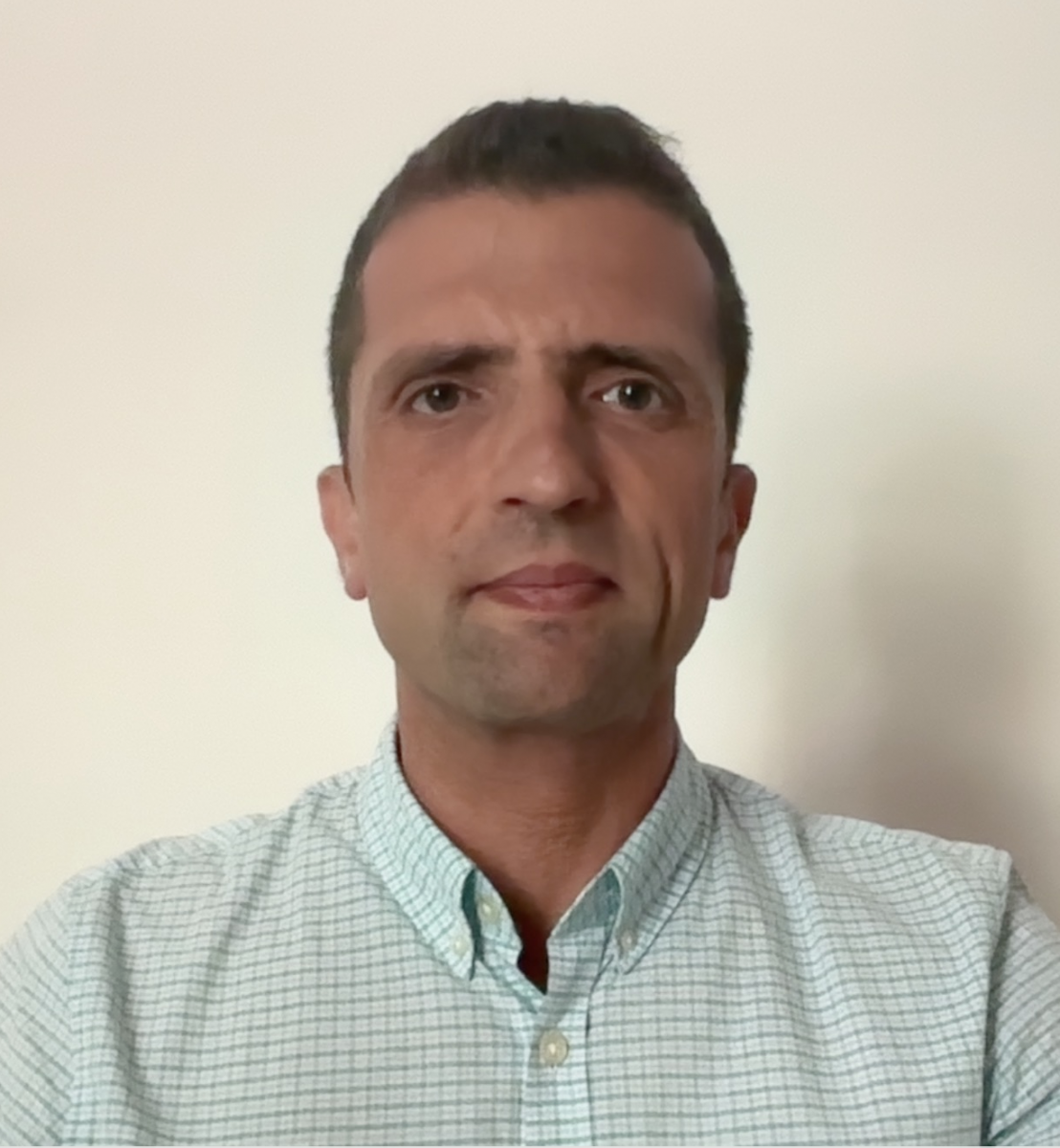
Hakan ŞEVİKمشاهده پروفایل
استادیار
Prof. Dr. Hakan ŞEVİK is an Assistant Professor at the Department of Environmental Engineering, Faculty of Engineering and Architecture, Kastamonu University, Turkey. With a strong academic background in Forest Engineering, he has established himself as a prominent researcher in environmental science, specializing in heavy metal pollution monitoring, climate change impacts on forests, and the use of landscape plants as bioindicators. His research spans multiple disciplines including environmental engineering, silviculture, and forest botany, with a particular focus on urban air quality assessment and phytoremediation techniques. Dr. ŞEVİK's research primarily investigates how trees and other plants can serve as natural monitors for air pollution, particularly heavy metals. His work employs dendrochronological methods to analyze historical pollution trends through tree rings, providing valuable insights into long-term environmental changes. He has extensively studied chromium, lead, aluminum, and other metal accumulations in various tree species across urban environments in Turkey. His research also explores the impacts of climate change on forest species distribution and the physiological responses of plants to environmental stressors like UV-B radiation. His publication record demonstrates a consistent research trajectory focused on environmental monitoring and pollution assessment. The analysis of his recent articles reveals a strong emphasis on developing sustainable methods for pollution monitoring, understanding long-term deposition patterns of heavy metals, and exploring the potential of plants for phytoremediation. His work increasingly incorporates advanced analytical techniques and modeling approaches to address complex environmental challenges, particularly those related to urban air quality and climate change adaptation. Dr. ŞEVİK has supervised numerous graduate students across various environmental science topics, particularly in the areas of heavy metal pollution, landscape architecture, and sustainable agriculture. His research has been supported by multiple projects from TÜBİTAK and university-based research funds, focusing on environmental monitoring, climate change impacts, and sustainable resource management. His scientific impact is evident through his substantial publication record with over 369 publications and significant citation metrics including a Google Scholar h-index of 73.

 (21).png)