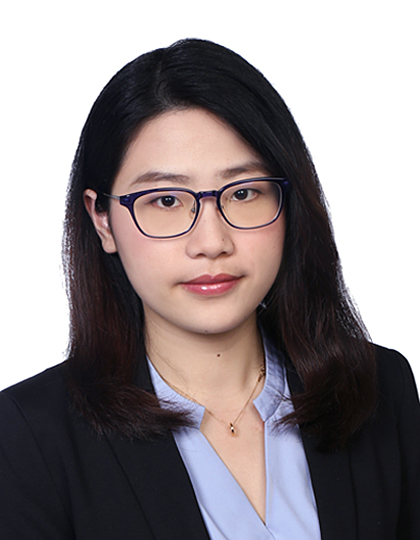
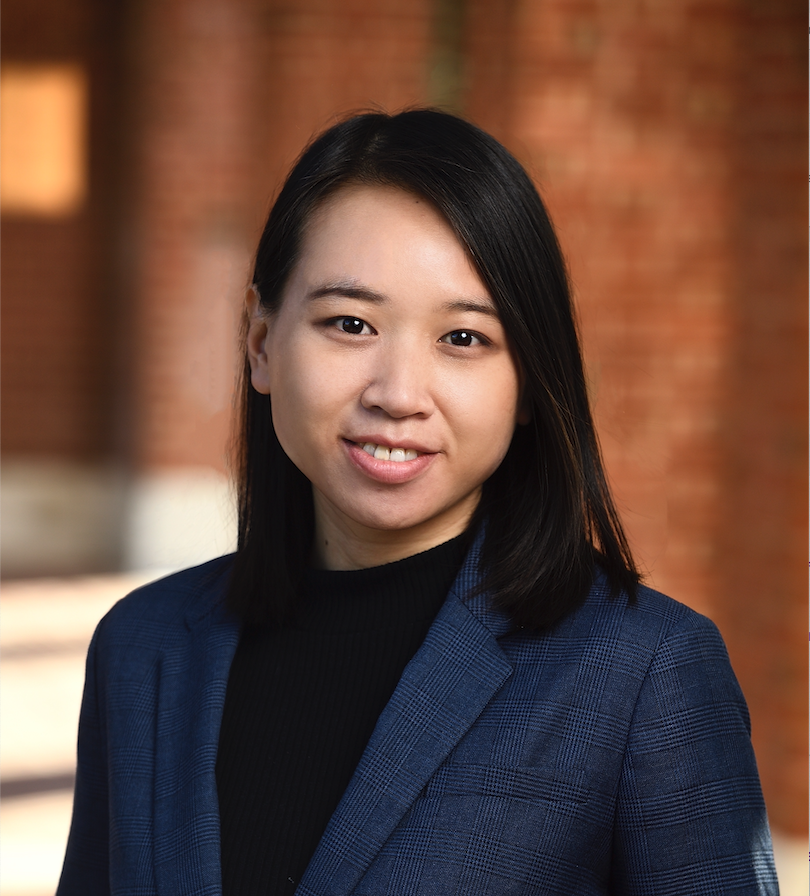
Yuan Tian is an Assistant Professor in the School of Computing at Queen's University, Faculty of Arts and Science. She holds a PhD in Information Systems from Singapore Management University (2017) and a B.Sc. in Computer Science from Zhejiang University (2012). Her research focuses on integrating heterogeneous data sources to enhance software engineering practices, including data mining, recommender systems, and social network analysis. Prior to Queen's, she was a data scientist at Living Analytics Research Centre (LARC), SMU. She has held visiting positions at Carnegie Mellon University, INRIA Paris, and SAIL Canada. Research Interests: Data Mining Software Engineering Social Network Analysis Information Retrieval Recommender Systems Computer Security Recent Research Trends: Her work emphasizes AI-driven solutions for software bug management, code translation, vulnerability detection, and developer behavior analysis. Notable contributions include leveraging LLMs for technical debt repayment and enhancing code vulnerability detection via Graph Neural Networks. Awards: SMU Presidential Doctoral Fellowship (2015-2016) Best Paper Award at SANER 2017 Grants & Advising: No formal advisees listed, but active in collaborative projects with industry and academic partners. Labs/Teams: Previously associated with SOAR Group at SMU and currently leads research in Queen's School of Computing.
Amrita Dhillon is a Professor of Economics at King's College London, affiliated with the Department of Political Economy within the School of Politics & Economics. She leads the Quantitative Political Economy research group and contributes to the Global South Research Group and the Centre for British Democracy. Her PhD from SUNY Stony Brook (1994) laid the foundation for her expertise in theoretical modeling, particularly in political economy, public economics, and game theory. Her research focuses on political economy applications including voter behavior, sovereign debt dynamics, corruption, and development. Recent work explores social networks' impact on labor productivity and the gendered effects of the pandemic in India. She has organized workshops on topics like governance and sovereign debt, emphasizing interdisciplinary approaches. Key themes in her articles include electoral competition, corruption's moral costs, and institutional monitoring strategies in developing countries. Her contributions span journals like the Journal of Economic Behavior and Organization and the Review of Financial Studies. She actively engages in policy-relevant research, such as ranking Indian states' performance and analyzing fiscal federalism. Dr. Dhillon is a Digital Futures Institute Fellow (2025-26) and collaborates on projects involving blockchain applications for shareholder rights. Her teaching includes advanced economic analysis and development economics. Office hours are held at Bush House and the Franklin Wilkins Building.
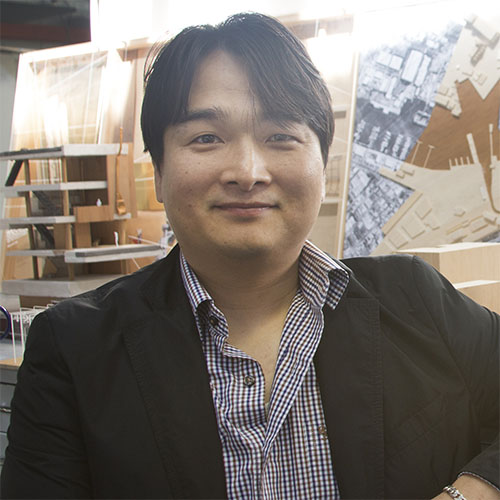
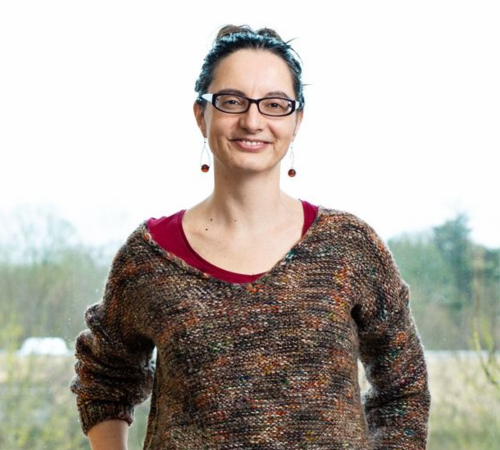
Julian Jauk is a Researcher at the Institute for Architecture and Media, TU Graz. His work focuses on innovative material systems, digital fabrication, and sustainable architectural design. He explores the integration of clay composites, mycelium-based materials, and knitted structures with advanced manufacturing techniques like 3D printing. Key research themes include lightweight ceramic structures, biocomposite materials, and computational design methodologies. His research emphasizes material-driven innovation, structural optimization, and environmental sustainability. Notable projects include MyCera (clay-mycelium composites) and ClayKnit (3D-printed clay-knitted hybrids). He also investigates mixed reality tools for architectural sketching and kinetic architectural prototypes. Publications from 2021–2024 highlight trends in bio-based materials, additive manufacturing, and material-property analysis. His work bridges traditional craftsmanship with cutting-edge digital fabrication, aiming to redefine sustainable building practices.
Alasdair Reid is a Lecturer at Edinburgh Napier University within the School of Computing, Engineering and the Built Environment. He specializes in sustainable urban development and Smart Cities research, with a particular focus on planning and development. His academic background includes a BSc (Hons) in Real Estate Management (RICS accredited), an MSc in City Planning and Regeneration (RTPI accredited), and a PG Cert in Learning, Teaching and Assessment Practice in Higher Education. His research interests span across: Sustainable urban development Smart Cities Urban Studies Planning and Development Real Estate Management Reid's scholarly work demonstrates a strong focus on the intersection of urban development, digital technologies, and sustainability. His recent publications analyze the evolution of smart city research, identify methodological approaches to overcome research divisions in the field, and explore strategic principles for smart city development based on European best practices. He has made significant contributions to understanding smart specialization strategies and their implementation in regional policy contexts, with particular attention to the transition from Triple to Quadruple Helix innovation models. His notable scientific achievements include: Chartered Planning and Development Surveyor (MRICS) - 2020 Fellow of the Higher Education Academy (FHEA) - 2017 Reid has been actively involved in several significant research projects including SURegen, CLUE, EXPGOV, Smart Accelerator, and Online S3. His current work includes the "Phase 2: Digital Transformation Of The Building Standards System" project running from 2023-2025, which supports the Scottish Government's commitments to digital transformation in building standards. He also contributes to the Institute for Sustainable Construction, focusing on sustainable urban development within the Culture and Communities research theme.
Björn Eskofier is a Principal Investigator for the Translational Digital Health Group at AI for Health and leads the research group at Helmholtz Zentrum Munich. He is Professor at Friedrich-Alexander-University Erlangen-Nuremberg (FAU), where he founded the Machine Learning and Data Analytics (MaD) Lab in 2013 and established the Department of Artificial Intelligence in Biomedical Engineering (AIBE). Education: PhD in Biomechanics (University of Calgary, 2006-2013), MSc in Electrical Engineering (FAU, 2006). His research focuses on building a Digital Health Ecosystem through multidisciplinary collaboration, emphasizing Machine Learning, Data Analytics, Biomechanics , and AI-driven clinical translation. Recent publications highlight his work in federated health data systems, predictive disease modeling, and digital symptom monitoring. He is an active academic leader , serving as Area Editor for IEEE journals, General Chair of BHI 2023, and co-director of the EmpkinS initiative. His awards include the Unipreneurs award (2023), multiple best paper prizes, and recognition as a Heisenberg Professor (DFG, 2017-2022).
Jerry Zeyu Gao is a Professor in the Department of Computer Engineering at San Jose State University, part of the Charles W. Davidson College of Engineering. He maintains active office hours and has a strong presence in both academic and industry domains, combining over 15 years of academic experience with more than 10 years in software engineering and IT development management. His research spans a wide range of cutting-edge areas in computing, including: Cloud Computing and Services Software as a Service (SaaS) and Testing as a Service (TaaS) Test Automation Mobile Computing and Mobile Cloud Technologies Software and Service Engineering Mobile Sensor Technologies Smart Cities infrastructure Dr. Gao has published over 180 papers in top-tier IEEE and ACM journals and conferences, and has co-authored three technical books while editing several others in software engineering and mobile computing. His scholarly output reflects a strong focus on practical, scalable solutions in cloud, mobile, and service-oriented systems. The publications show consistent themes in automation, service delivery, distributed architectures, and real-world software validation. He has played a leadership role in the international research community, having served as conference chair, program co-chair, and workshop co-chair for numerous prestigious events such as IEEE MobileCloud, IEEE SOSE, SEKE, and others between 2004 and 2015. These roles highlight his influence and recognition in the software engineering and cloud computing communities. Dr. Gao advises students and contributes to graduate and undergraduate education, although specific advisees are not listed. He is involved in research projects and likely secures external funding given his publication and conference leadership activities, though specific grants are not mentioned. He is associated with research initiatives related to mobile systems, cloud services, and smart city technologies.
JuHyun Lee is an Associate Professor of Architecture and Computational Design in the School of Built Environment at the Faculty of Arts, Design and Architecture (ADA), University of New South Wales (UNSW) Sydney, where they also hold the prestigious title of Scientia Academic. With a professional background in architecture and construction (1998-2002), they have held academic positions across Australia including a five-year post-doctoral fellowship at the University of Newcastle (2012-2017) and a senior research fellowship at the University of South Australia (2018), following earlier research and teaching roles in South Korea (2003-2011). Lee specializes in architectural design computing, design cognition, and urban complexity, integrating computational methods, cognitive science, and architectural theory to advance architectural intelligence and human-centered design. Their research spans architectural visualization, analysis and design methods, algorithm/protocol design, and data visualization with computational approaches. They have established a strong research program examining the intersection of language, culture, and design cognition, particularly focusing on cross-cultural design communication between Australia and Korea. Lee's recent publications demonstrate a clear trajectory toward increasingly sophisticated integration of computational methods with architectural design theory, particularly in the areas of shape grammar, space syntax, and machine learning applications. Their work shows consistent focus on practical applications of computational design methods to real-world architectural problems, with growing emphasis on cross-cultural collaboration and intelligent design systems. The research portfolio reveals a deepening engagement with AI and machine learning techniques applied to architectural design assessment and generation. Scientia Academic at UNSW Sydney Associate Fellow of the Higher Education Academy (AFHEA, 2020) As an educator, Lee develops cutting-edge courses in computational design and Building Information Modeling (BIM), integrating experiential learning and industry engagement. They have secured over $11 million in research funding, including multiple ARC Discovery Projects and an Australia-Korea Foundation grant. Lee co-directs the Advanced Architectural Analytics Laboratory (A 3 LAB), leading interdisciplinary research on design automation, spatial analysis, and machine learning applications in architecture, while also leading cross-cultural initiatives like the Australia-Korea Architects' Network (AKAN). Lee supervises multiple HDR students working on culturally sustainable urban design, socio-spatial patterns in public housing, and computational layout generation. Their research has significant implications for improving design communication across cultural boundaries and developing more coherent, clear, and accessible built environments through computational design approaches.
Anqi Liu is an Assistant Professor in the Department of Computer Science at the Whiting School of Engineering, Johns Hopkins University. She maintains significant affiliations with the Johns Hopkins Mathematical Institute for Data Science (MINDS) and the Johns Hopkins Institute for Assured Autonomy (IAA), while also collaborating extensively with the Center for Language and Speech Processing (CLSP) and the Laboratory for Computational Sensing and Robotics (LCSR). Her research focuses on developing principled machine learning algorithms for building reliable, trustworthy, and human-compatible AI systems in real-world applications. Key research areas include: Distributionally robust learning under covariate shift Uncertainty quantification for AI safety and fairness Safe exploration in control systems Fair machine learning under distribution shift Active learning under label shift Dr. Liu's work addresses critical challenges in high-stakes AI applications where reliability, safety, and societal impact are paramount. Her methods ensure AI systems remain robust to changing data environments, provide accurate uncertainty estimates, and incorporate human preferences in interactions. Analysis of her recent publications reveals a strong trajectory in trustworthy AI research with significant contributions to distribution shift handling, uncertainty quantification techniques, and safe decision-making frameworks. Her work bridges theoretical foundations with practical applications across healthcare, robotics, and social media analysis. Amazon Research Award Dr. Liu actively mentors eight PhD students and teaches specialized courses on Machine Learning for Trustworthy AI and standard Machine Learning at Johns Hopkins University, preparing the next generation of researchers to address critical challenges in AI safety and reliability.
AnHai Doan is the Vilas Distinguished Achievement Professor and Gurindar S. Sohi Professor in the Department of Computer Science at the University of Wisconsin-Madison. His research focuses on data integration, entity matching, and data science, with particular emphasis on building end-to-end systems that leverage machine learning, scalable data management, and human-data interaction. He leads the Magellan project, which develops open-source tools for entity matching as part of the Python data ecosystem. Dr. Doan's research interests include: Data cleaning and integration: Building end-to-end data integration systems as parts of the Python ecosystem of open-source data tools Data science: Developing an agenda that integrates research, system building, education, and outreach, with focus on data quality Crowdsourcing: Pioneering work on using crowdsourcing for data management and integration Knowledge bases: Building community-centric knowledge bases His recent work shows a strong trend toward developing practical systems for data integration that combine machine learning with traditional database techniques. The Magellan project represents a comprehensive effort to build an end-to-end entity matching system, with numerous publications spanning entity matching algorithms, debugging tools, and cloud-based matching services. His research increasingly focuses on the intersection of data science and data management, particularly on data quality issues. Selected scientific awards: Gurindar S. Sohi Professorship (2020) Vilas Distinguished Achievement Professorship (2018) SIGMOD Research Highlight Award (2017) Vilas Associate, UW-Madison (2016) Alfred P. Sloan Research Fellowship (2007) NSF CAREER Award (2004) ACM Doctoral Dissertation Award (2003) Dr. Doan has been actively involved in service to the data management community, including serving on the SIGMOD Advisory Board, as associate editor for VLDB, and co-chairing the industrial program for VLDB. He has also played a key role in strategic initiatives at UW-Madison, including helping to establish the School of Computer, Data, and Information Sciences. He has mentored numerous students and researchers through his work on the Magellan project and related research efforts. Additionally, he co-founded GreenBay Technologies to commercialize Magellan, which was later acquired by Informatica. He leads the Database Group at UW-Madison and has been instrumental in developing data science educational programs at both undergraduate and graduate levels. His work bridges research, education, and practical applications in the rapidly evolving field of data management and data science.
Professor Roland J. Pieters is a distinguished academic at Utrecht University's Faculty of Science, where he serves as a full Professor in the Department of Chemical Biology and Drug Discovery. With over two decades of experience at the institution, he has progressed from Assistant Professor (1998) to Associate Professor (2005) and ultimately to Full Professor (2010-present). His research group is internationally recognized for groundbreaking work at the intersection of carbohydrate chemistry, chemical biology, and drug discovery, with particular emphasis on developing novel therapeutic approaches against bacterial infections and pathogenic mechanisms. Full Professor, Utrecht University (2010-present) Associate Professor, Utrecht University (2005-2010) Assistant Professor, Utrecht University (1998-2005) NWO Talent Post-doctoral Fellow, ETH-Zürich (1995-1996) Postdoctoral Researcher, University of Groningen (1996-1998) Professor Pieters earned his M.Sc. in Organic Chemistry from the University of Groningen in 1990, where he worked with Professor Ben Feringa, and completed his Ph.D. at MIT in 1995 under the supervision of Professor Julius Rebek Jr. His doctoral research focused on molecular recognition and template effects in bisubstrate systems, establishing the foundation for his lifelong interest in molecular interactions. Professor Pieters' research primarily centers on glycodrugs and the strategic interference with protein-carbohydrate interactions using multivalent systems of varying architectures. His laboratory has made significant contributions to understanding how rigid spacers in multivalent ligands can dramatically enhance binding affinity to target proteins, with applications against viral and bacterial adhesion proteins, toxins, galectins, and glycosidases. A particular focus has been on developing inhibitors for Pseudomonas aeruginosa lectin LecA, cholera toxin, influenza virus hemagglutinin, and more recently, SARS-CoV-2 spike protein interactions with host cell receptors. His group also pioneered the use of glyco- and peptide-microarrays for high-throughput screening of carbohydrate-protein interactions and drug discovery, particularly in the area of O-GlcNAcylation research. The publication record of Professor Pieters demonstrates consistent innovation in the field of multivalent carbohydrate-based therapeutics. His recent work (2020-2024) shows a strategic expansion into viral pathogenesis (particularly influenza and SARS-CoV-2), immune modulation through glycan recognition, and novel approaches to vaccine development. A notable trend is the increasing sophistication of multivalent architectures, moving from simple divalent systems to tetra- and hexavalent ligands with precisely engineered spatial arrangements. His research bridges fundamental chemical principles with practical therapeutic applications, maintaining strong connections to pharmaceutical development while advancing basic science understanding of carbohydrate-mediated biological processes. Professor Pieters' scientific achievements have been recognized with prestigious awards including a Fellowship from the Royal Netherlands Academy of Arts and Sciences (KNAW) in 1999 and a VICI personal grant from the Netherlands Organisation for Scientific Research (NWO) in 2008. These competitive awards reflect the significance and innovation of his research program. He has also served on editorial advisory boards, notably as Section Editor-in-Chief for Chemical Biology in the journal Molecules (2018-2022), contributing to the scholarly community through peer review and academic leadership. Fellowship of Royal Netherlands Academy of Sciences (KNAW), 1999 VICI, personal grant, NWO, 2008 Section Editor-in-Chief Chemical Biology for Molecules (2018-2022) Throughout his career, Professor Pieters has coordinated significant research projects including the EU project POLYCARB and secured competitive funding that has sustained his innovative research program. His laboratory has fostered numerous collaborations across Europe and internationally, creating a vibrant research environment that has trained many scientists now working in academia and industry. His research on multivalent carbohydrate systems represents a sustained intellectual contribution to chemical biology with direct relevance to developing new anti-infective strategies and therapeutic approaches. Professor Pieters leads an active research group within Utrecht University's Department of Chemical Biology and Drug Discovery, situated in the David de Wied Building. His laboratory maintains strong connections with other research groups both within Utrecht University and internationally, particularly in the fields of glycobiology, infectious diseases, and drug discovery. The research environment he has cultivated emphasizes interdisciplinary approaches, combining synthetic chemistry, biophysical analysis, and biological testing to address fundamental questions in carbohydrate-mediated biological processes with therapeutic applications.
Daniel Schnurr holds the Chair of Machine Learning, especially Uncertainty Quantification at the University of Regensburg since August 2022, where he conducts research at the intersection of artificial intelligence, data economics, and digital market regulation. Previously, he headed the Data Policies research group at the University of Passau, building his expertise in the economic and regulatory aspects of digital markets. His educational background includes a doctorate in business informatics from the Karlsruhe Institute of Technology (2016), where he also worked for three years as a research associate at the Institute for Information Systems and Marketing. He completed his undergraduate and master's studies in Information Systems at KIT (2007-2013), with international experience at Concordia University in Canada and Singapore Management University. Professor Schnurr's research focuses on the technical, economic, and social implications of new machine learning methods and data as a decisive competitive factor and driver of innovation in digital markets. His work examines how data functions as both an economic asset and regulatory challenge, particularly in contexts of market power, competition policy, and AI governance. He investigates uncertainty quantification in machine learning systems while considering their broader economic and societal impacts. His publication portfolio demonstrates consistent output in top-tier journals including Management Science, Journal of Information Technology, and Journal of Competition Law & Economics, with recent work increasingly focusing on AI regulation, data access remedies, and uncertainty-aware AI systems. The trajectory shows evolution from telecommunications infrastructure research to contemporary digital market and AI regulation issues. As a Research Fellow at the Centre on Regulation in Europe (CERRE) since 2022, he has authored numerous policy reports addressing regulation of cloud computing services, digital platforms, and data economy frameworks. His policy contributions bridge academic research with practical regulatory implementation, particularly regarding the European AI Act and Digital Services Act. His research program involves experimental approaches to understanding data markets, human-AI interaction dynamics, and regulatory effectiveness. Through his work at CERRE and collaborations with international scholars, he contributes to shaping evidence-based digital policy in the European context while maintaining strong connections to academic research communities in information systems and economics.
Lynda Jessup is Professor of Screen Cultures and Curatorial Studies in Film and Media at Queen's University's Faculty of Arts & Science. She currently serves as Vice Dean (2021-present), overseeing faculty relations across 30 departments, after previously holding Associate Dean (2014-2021) and Director of Cultural Studies (2009-2014) positions. Her research interrogates visual culture through exhibitions, museums, and art historiography, focusing on Canadian and Indigenous North American contexts within Western valuation systems. She critically examines "the national" as a category of cultural authority, with recent expansion into cultural diplomacy exploring art exhibitions' role in Canadian foreign policy. As Director of the North American Cultural Diplomacy Initiative (NACDI), she leads an international network connecting cultural practitioners with diplomacy scholars. Analysis of her publication trends reveals deep integration of art history with diplomatic studies, particularly through state-sponsored Canadian art exhibitions as instruments of international relations. Her collaborative work consistently bridges academic research and policy impact, with growing emphasis on decolonization, trust-building, and critical approaches to cultural exchange in global contexts. Dr. Jessup's scientific recognition includes: Universities Art Association of Canada Recognition Award (2018) Fulbright Scholar at Rockefeller Archive Center (2010–11) Queen’s University Graduate Supervision Excellence Award (2009) Queen’s University Teaching Excellence Award (1998) Massey College Visiting Scholarship (2019-20) National Gallery of Canada Research Fellowships (2002-03, 1994-95) Her funded research demonstrates sustained leadership in cultural diplomacy, including a SSHRC Partnership Development Grant (2019-25) for "The Cultural Relations Approach to Diplomacy" and MITACS Accelerate funding for Toronto's city diplomacy work. Major grants consistently address intersections of cultural policy, international relations, and visual representation through collaborative frameworks. Through NACDI, Jessup directs an international research network producing policy-shaping outputs like the "Cultural Diplomacy as Critical Practice" report series, fostering practitioner-scholar dialogue on decolonization and trust-building in global cultural relations.
Professor Cecilia Mascolo serves as Professor of Mobile Systems at the University of Cambridge, leading the Mobile Systems Research Laboratory within the Department of Computer Science and Technology. She additionally directs the Mobile and Wearable Systems and Augmented Intelligence Centre and holds the position of Chief Scientific Officer at auryx. Her pioneering research establishes fundamental building blocks for wearable and mobile devices, with transformative applications in health diagnostics. Key contributions include mobile audio systems for respiratory health monitoring and innovative hearable computing frameworks for fitness and wellness tracking, bridging engineering with medical applications. Professor Mascolo's exceptional impact on engineering innovation was formally recognized through her 2025 election as a Fellow of the Royal Academy of Engineering (FREng), which honors the UK's foremost engineering researchers and industry leaders.
Professor Bjoern Braunschweig is a W2 Professor for Physical Chemistry at the Institute of Physical Chemistry within the Faculty of Chemistry and Pharmacy at the University of Muenster. His research group focuses on fluid interfaces, hierarchical materials, and responsive systems, utilizing advanced nonlinear optical spectroscopy techniques such as sum-frequency generation (SFG) and second-harmonic scattering (SHS) to investigate molecular structures at interfaces. He leads the ERC-funded SUPERFOAM project, which aims to establish molecular-level understanding of foam formation and stability. His research interests span across interface science, soft matter physics, electrocatalysis, and responsive materials. Braunschweig's work particularly emphasizes molecular self-assembly at fluid interfaces, electrode/electrolyte interfaces in ionic liquids, and the development of light- and temperature-responsive materials. His group investigates how molecular building blocks like surfactants, polymers, and proteins determine macroscopic properties of soft materials such as foams and emulsions. The research group has published extensively on photoswitchable arylazopyrazole surfactants, thermoresponsive polymer systems, CO 2 electrocatalysis in ionic liquids, and ion-specific effects at interfaces. Their recent publications demonstrate a strong focus on molecular-level understanding of interface phenomena with applications in energy conversion, smart materials, and environmental processes. ERC Starting Grant (2014) BASF fellowship (2014) Max Buchner research fellowship (2012) DAAD Travel Grant (2012) Feodor Lynen fellowship (2009) Dissertation award (2009) Professor Braunschweig supervises multiple PhD students and postdoctoral researchers, including Billura Shakhayeva, Tim Blinzer, Tan Phat Pham, and Zugang Cong. His former students include notable researchers such as Natalia García Rey, Marco Schnurbus, and Eric Weißenborn. The group maintains strong collaborations with researchers across Europe, particularly with Michael Ryan Hansen, Andreas Heuer, and Monika Schönhoff at the University of Muenster, as well as international partners in Poland and the United States. Their research combines experimental approaches with theoretical modeling to develop fundamental understanding of interface phenomena with practical applications in materials science and energy technologies.
Dr. Wanju Huang is a Clinical Assistant Professor in the Learning Design and Technology program at Purdue University , where she focuses on enhancing online learning experiences through innovative instructional design and emerging technologies. Prior to joining Purdue in Fall 2016, she served as an instructional design manager at Teaching and Learning Technologies and spent six years as a lecturer and instructional designer at Eastern Kentucky University. Education: Ph.D. in Curriculum & Instruction (Technology concentration) from University of Illinois at Urbana-Champaign Her research interests center on technology-mediated online communities, instructor presence in digital learning, augmented reality applications, and faculty development programs. She has published extensively on these topics, including studies on multimedia interventions for teaching presence, immersive technologies in ESL education, and adaptive cyber training platforms. Dr. Huang's publications reflect a strong focus on EdTech innovation , with trends spanning AI integration in K-12 , model-based systems engineering , and microlearning strategies . Her work bridges theoretical frameworks like social constructivism with practical implementations in professional education. Professional memberships include the American Educational Research Association, Association for Educational Communications and Technology, and Quality Matters. She teaches courses on learning design foundations, e-learning systems, and professional competency demonstrations in LDT.