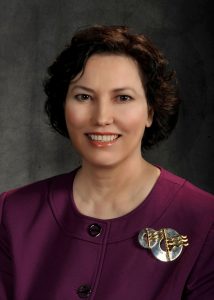
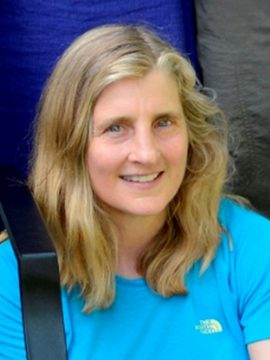
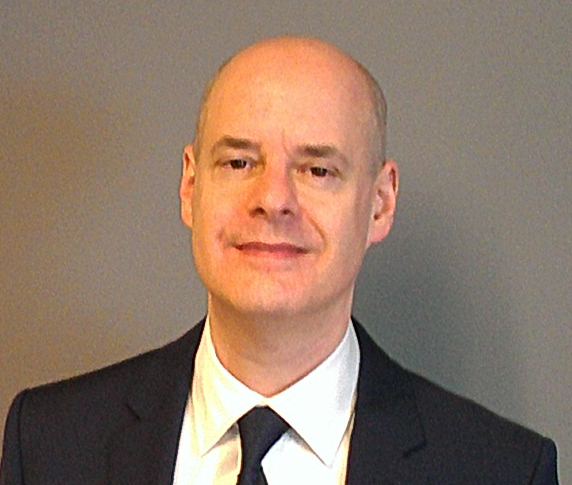
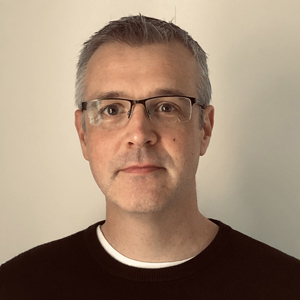
Professor Jeanne Moskal holds a faculty position in the Department of English and Comparative Literature at the University of North Carolina at Chapel Hill. She specializes in 18th- and 19th-century British literature, critical theory, and the intersection of literature with religion, medicine, and science fiction. Her research includes seminal works on Mary Shelley, including editing Shelley’s travel writings for the definitive edition of her works, and co-editing Teaching British Women Writers, 1750-1900 . Education: 1984 PhD English, University of Washington, Seattle 1982 MA English, University of Washington, Seattle 1978 BA English, Santa Clara University Her current research project, Secularization & Jane Eyre, 1930-2000 , explores how adaptations of Charlotte Brontë’s novel reflect 20th-century secularization debates. She has curated notable exhibitions, including the 2018 Reconstructing Frankenstein’s Monster at UNC’s Wilson Library. Teaching and Mentoring: A屡获殊荣的导师,她指导了13名博士生,其中9人获得终身教职或终身教职轨道职位。 Her teaching portfolio includes courses on Jane Austen, science fiction, Romanticism, and post-secularism theory. Research Grants: 2005/06 NEH Fellowship for University Teachers 2007 ACLS Course Development Grant 2014 Mellon Foundation Book Manuscript Workshop Awards: 2016 UNC最高教学奖终身成就奖 2013 Carolina Women’s Leadership Council研究生指导奖
Suzy Anger serves as an Associate Professor and MA Advisor in the Department of English Language and Literatures within the Faculty of Arts at the University of British Columbia. Her academic work bridges literary studies with the history of science, focusing on how Victorian literature engaged with contemporary scientific thought. Dr. Anger received her BA from the University of California, Berkeley, followed by her MA and PhD from the University of Washington. Her educational background established the foundation for her interdisciplinary approach that connects literary analysis with scientific and philosophical inquiry. Her research primarily explores Victorian literature in relation to nineteenth-century science, psychology, and philosophy. Currently, she investigates Victorian fiction and nineteenth-century theories of consciousness, examining novels by Thomas Hardy, Charles Dickens, George Gissing, and Sarah Grand across genres including ghost fiction and scientific romance. Her scholarly work demonstrates how literary texts engaged with emerging scientific concepts of the period, particularly in the areas of mind sciences, hermeneutics, and technological understanding. She has particular expertise in how literary works processed scientific developments related to consciousness, automatism, and the relationship between humans and machines. Her publication record reveals a consistent trajectory of scholarship examining the intersection of Victorian literature and scientific thought, with recent work increasingly focused on theories of consciousness, literary automatism, and the philosophical implications of scientific developments in the nineteenth century. Her research demonstrates how literary works served as laboratories for exploring complex scientific concepts before they were fully developed in scientific discourse. Sonya Rudikoff Prize for the best first book in Victorian Studies (2006) Killam Teaching Prize, University of British Columbia (2018) Newhouse Center Faculty Fellowship, Wellesley College (2006-2007) SSHRC Faculty Research Grant (2005-2008) American Council of Learned Societies Fellowship (2000-2001) National Endowment for the Humanities Stipend (1999) As an academic leader, Dr. Anger has served as president of the Northeast Victorian Studies Association and was former co-chair of UBC's interdisciplinary graduate program in Science and Technology Studies. Her research has been supported by multiple prestigious fellowships and grants from major funding bodies including the American Council of Learned Societies, the National Endowment for the Humanities, and the Social Sciences and Humanities Research Council of Canada. Her editorial work on collections like 'Victorian Science as Cultural Authority' and 'Victorian Automata' has helped shape contemporary scholarship in the field. Through her editorial projects and interdisciplinary collaborations, Dr. Anger has been instrumental in developing the field of Science and Technology Studies within literary scholarship. Her work with colleagues across disciplines has created important spaces for examining how literature processes scientific and technological change, particularly in historical contexts where such changes were rapidly transforming society's understanding of itself.
William A. Cohen is a Professor of English and Comparative Literature at the University of Maryland, serving as Associate Provost and Dean for Undergraduate Studies. He previously held roles such as Chair of the English Department and Director of Undergraduate Studies. His research focuses on Victorian literature, the history of sexuality, sensory studies, and literary theory. Cohen’s work bridges interdisciplinary approaches, exploring themes like embodiment, filth, and cultural norms in 19th-century texts. His notable publications include Sex Scandal: The Private Parts of Victorian Fiction (1996), Filth: Dirt, Disgust, and Modern Life (2005, co-edited), and Embodied: Victorian Literature and the Senses (2009). He has also contributed to journals like PMLA and Victorian Literature and Culture . Research Interests: Victorian literature, LGBTQ studies, sensory theory, cultural materialism, and the intersection of language and identity. Awards: Faculty Service Award (2012), Honorable Mention for Donald Gray Prize (2014). Grants & Fellowships: Mellon Postdoctoral Fellowship, Camargo Foundation Fellowship, grants from Clark and Huntington Libraries. Cohen serves on advisory boards for Victorian Literature and Culture and Studies in Sensory History . He has guest-edited special issues, including the Victorian Dirt collection for Victorian Network .
Emma Francis is an Associate Professor in English and Comparative Literary Studies at the University of Warwick. She joined the English Department in 2001 after lecturing at Warwick's Centre for the Study of Women and Gender, where she remains a member. Research Interests: Victorian studies and feminist thought 19th-century British women's poetry (Amy Levy, Letitia Landon, Emily Brontë, Mathilde Blind) Intellectual interactions between Bloomsbury and the East End (1880-1920) Darwinian epiphany in literature Psychoanalysis in Victorian contexts Embodied knowledge and cultural theory Teaching: She teaches undergraduate modules like EN227 Romantic and Victorian Poetry and EN328 English Literature and Feminisms . Postgraduate teaching includes Feminist Literary Theory , The Condition of England , and Psychoanalysis and Creativity . Qualifications: BA, MA (University of Southampton), PhD (University of Liverpool).
Concetta Mazzulla is an Adjunct Professor of English Literature at the University of Catania's Faculty of Letters and Philosophy. Specializing in Irish literature, she earned her PhD from Trinity College Dublin, focusing on interdisciplinary relationships between Flann O'Brien and James Joyce. Her research spans comparative literature, travel writing, and classical influences on modern Irish narratives. PhD: Trinity College Dublin Current Role: Adjunct Professor at University of Catania Key Research: Flann O'Brien, James Joyce, Italo Calvino, Mediterranean Studies Her publications include translations, exhibition catalogs, and articles on Irish literary themes. Notable contributions cover: 2019 translations of Eiléan Ní Chuilleanáin's poetry 2018 catalog for 'Beyond Visible' art exhibition 2000 essays on southern Italy in Irish travel literature 1999 comparative study of O'Brien and Calvino 1984-1996 analyses of medieval intertextuality in modern Irish fiction Her recent teaching includes English Culture and Literature II courses, with exam rescheduling notices up to 2024. She has supervised thesis topics on: Gender and madness in Charlotte Brontë and Jean Rhys Irish civil war representation in 'The Banshee of Inisherin' Island mythology in historical and fictional contexts
Jonathon Shears is a Professor of English Literature at Keele University's School of Humanities. He holds a distinguished academic career, having studied at the University of Oxford and Liverpool, and previously held positions at Chester and Aberystwyth Universities before joining Keele in 2009. His research focuses on Romanticism, poetic tradition, the representation of alcohol in literature and culture, the history of emotions, and ageing in literature. Notable works include editing The Oxford Handbook of Lord Byron (2024) and ongoing research on H. E. Bates's fiction and Byron's body and mind. He collaborates with the Beth Johnson Foundation on initiatives like the 'Parks, Playtimes and Age-Friendly Partnerships' project, emphasizing interdisciplinary engagement. Teaching responsibilities include modules such as Reading Literature , Romanticisms , and Canon, Anti-Canon, Context at undergraduate and postgraduate levels. He currently supervises PhD students in areas like 19th-century literature, the Brontës, and Romantic-period travel writing. Publications span journal articles, books, and edited collections, reflecting expertise in Byron studies, Romantic-era themes, and contemporary interdisciplinary topics. His work bridges literary analysis with societal issues, particularly ageing and cultural representation.
Rachel Crockett is a Postdoctoral Research Fellow at the University of Oxford’s Institute of Biomedical Engineering, working under Professors Tim Denison and Ben Seymour. Her research focuses on neuromodulation and neurofeedback techniques to treat chronic pain, alongside investigations into neurodegenerative diseases such as Parkinson’s and Alzheimer’s. Previously, she conducted doctoral research at the University of British Columbia (PhD in Rehabilitation Sciences, 2021) and postdoctoral work at Stanford University with Professor Helen Brontë-Stewart, examining neuroimaging methodologies for deep brain stimulation targets in Parkinson’s Disease. Her expertise spans clinical neuroscience, neuroimaging, and the application of resistance training to mitigate cognitive and mobility impairments in aging populations. Key projects include randomized controlled trials evaluating exercise interventions for vascular cognitive impairment and cerebral small vessel disease. She has contributed to advancing lesion network mapping and tractography techniques to understand functional disruptions in neurological disorders. Recent work emphasizes interdisciplinary approaches, integrating biomedical engineering with clinical research to develop novel neuromodulation therapies. Rachel’s publications highlight her focus on white matter integrity, cholinergic pathways, and the interplay between physical activity and neurological health. She collaborates with the Denison Group at Oxford, contributing to cutting-edge studies on pain management and aversive learning mechanisms.
Dr. Rosario Arias Doblas is a full-time Professor of English Literature at the University of Málaga, Spain , with national eligibility to Full Professor. She has held leadership roles including Head of the Department of English, French and German Philology (2013–2021), Coordinator of the PhD Program in Linguistics, Literature, and Translation (2016–2023), and Deputy Director of the Doctoral School (2022–2024). As President of the Spanish Association of Anglo-North American Studies (AEDEAN) and founder of the Victorian and Neo-Victorian Society in Spain (VINS), she leads interdisciplinary research networks and projects like RELY: Reorienting Assemblage Theory in Anglophone Literature (2023–2026) and Gender and Spiritism in Andalusia (2019–2022). Her research spans Neo-Victorian literature , trauma and memory studies , gender theory , and interdisciplinary approaches to contemporary British fiction. She has co-edited volumes such as Haunting and Spectrality in Neo-Victorian Fiction (Palgrave, 2010) and Spiritualism, Science and Technology (Routledge, 2014), while her monograph Madres e hijas en la teoría feminista (2002) established her expertise in feminist psychoanalysis. Recent publications focus on sensory neo-Victorian narratives , material memory , and disorienting cultural identities in contemporary literature. Key Awards: Extraordinary Doctorate Award (University of Málaga, 2001) Second National Prize for Philology (Ministry of Education and Science, 1995) Extraordinary Bachelor's Degree Award (University of Málaga, 1995) Leadership: Principal Investigator of the Andalusian-funded Contemporary Literature in Europe research group (HUM-858) since 2007 Research Leader of the VINS Network (2015–2017), funded by Spain’s Ministry of Economy Organizer of conferences like Material Traces of the Past (2015) and Dis/Orientations in Contemporary Literature (2022)
Anna Neill is a Professor in the English Department at the University of Kansas, recognized for excellence in teaching through multiple awards including the Frances L. Stiefel Teaching Professorship (2018-2020) and Kemper Award (2011). Her research centers on 19th-century British literature with deep engagement in Victorian speculative fiction and intersections between evolutionary science and literary narratives. She critically examines how speculative works subvert racist frameworks in Victorian anthropology and explores connections between spiritualism, psychology, and scientific discourse. Additional scholarly interests span film studies, post-colonial museum politics, and cultural studies institutional history, reflecting her interdisciplinary approach to challenging dominant historical narratives through literary analysis. Recent publications reveal consistent thematic threads connecting Victorian literature with social justice, evolutionary theory, and anti-colonial critique across diverse genres from utopian socialism to children's literature. Her teaching accolades include: Frances L. Stiefel Teaching Professor (2018-2020) Kemper Award for Excellence in Teaching (2011) Conger-Gabel Teaching Professor (2010-2012) Professor Neill teaches undergraduate and graduate courses in literary studies and critical theory while maintaining community engagement through poetry programs at Douglas County Jail. Though her research has produced significant scholarly output, specific grant details and student advising records are not documented in available materials.
Joe Bray is Professor of Language and Literature at the University of Sheffield's School of English, where he has been Head of School since September 2018. He joined the university in 2005 after previous academic positions at the University of Stirling (2000-2005) and the University of Strathclyde (1997-1999). His educational background includes a PhD (1997), MPhil in General Linguistics, and BA in English, all from the University of Cambridge. Bray's research specializes in literary stylistics, with a focus on narrative techniques in 18th and early 19th-century fiction. His work examines epistolary novels, female readership representations, portraiture in fiction, and Jane Austen's stylistic innovations. Additional interests include book history, textual culture, and experimental literature, evidenced by his co-editorship of The Routledge Companion to Experimental Literature . His recent publications demonstrate sustained engagement with Jane Austen's stylistic legacy, adaptation studies, and the intersection of visual arts with Romantic literature. Work from 2016-2024 shows concentrated focus on portraiture as narrative device, epistolary fiction evolution, and Austen's linguistic patterns, while exploring broader themes of gender representation and literary adaptation in contemporary culture. Bray actively supervises PhD researchers, guiding projects on Jane Austen's narrative techniques, Brontë autobiographical fiction, Cormac McCarthy's style, and 19th-century Shakespeare adaptations. He teaches undergraduate and postgraduate courses including 'Narrative Style in the Contemporary Novel' and 'Narrative and Cognition', emphasizing stylistic analysis across literary periods.
Dr. Olga Springer is an Assistant Professor at Dublin City University's School of Applied Language & Intercultural Studies. She holds a Magister Artium and PhD in English Literature from the University of Tübingen. Her professional roles include DAAD Lektorin at DCU (2010–2012), Teacher of German at Sevenoaks School (2016–2019), and Postgraduate Certificate in Education from the University of Buckingham. Her research focuses on literary urban studies, gender/sexuality studies, intertextuality, and Victorian literature. She authored Ambiguity in Charlotte Brontë’s Villette (2020) and co-edited Shipwreck and Island Motifs in Literature and the Arts (2015). She serves on the Executive Committee of the European Society of Comparative Literature (ESCL), the DCU-based EROSS research network, and the Scientific Committee of CompLit . Her work explores liminal spaces in literature, such as urban environments and border narratives, as seen in conference presentations on Murakami and Atwood. Dr. Springer’s academic affiliations include roles as Newsletter Editor for ESCL (2015–2022) and Assessment Author for the International Baccalaureate (2020–2021). Her research spans comparative literature frameworks, textual ambiguity, and interdisciplinary approaches to literary analysis.
Dr. Michael Lawrence is a Reader in Media and Film at the University of Sussex, School of Media, Arts and Humanities. He previously held roles as Senior Lecturer at the University of the West of England and Lecturer at Sussex. His academic journey includes a BA from Leeds University, an MA from Middlesex University, and a PhD in Film Studies from Middlesex. He served as Head of Film Studies at Sussex from 2018 to 2022. Research focuses on animal representation in cinema, child performance, Bollywood adaptations, and music-film intersections. Notable works include DISCO! Music, Image, Dance (2025), Animal Life and the Moving Image (2015), and studies on Hollywood’s portrayal of juveniles. Current projects include a book on Hollywood’s cattle-beef complex and disco-centric British cinema analyses. His publications span edited collections, book chapters, and journal articles addressing topics like transnational film remakes, canine narratives, and Bollywood’s evolving child stars. He secured a British Academy grant (2020–2021) for research on BAME histories in cinematic adaptations. Collaborations include co-editing works on zoos in media and animal life representation. Teaching includes core modules like Global Cinema and Film Theory, alongside electives on British Cinema and Pop Soundtrack Cinema. Lawrence actively mentors PhD candidates in his research areas, emphasizing interdisciplinary film studies.
Dr. James O'Sullivan is a Senior Lecturer in Digital Humanities at University College Cork (UCC), affiliated with the School of English & Digital Humanities and the Department of Digital Humanities. He previously held roles at the University of Sheffield and Pennsylvania State University, and has adjunct and visiting positions at several institutions. His academic roles include serving on UCC's Research & Innovation Committee and the inaugural board of the Future Humanities Institute, where he leads the Digital Cultures, New Media, & Cultural Analytics research cluster. Dr. O'Sullivan's research focuses on digital literature, cultural analytics, and the intersection of technology with literary studies. He has edited major works like The Bloomsbury Handbook to the Digital Humanities and Technology in Irish Literature & Culture , and authored Towards a Digital Poetics . His work explores topics such as electronic literature, digital editing, and the societal impact of AI. He leads high-profile research projects including CASCADE (Horizon Europe MSCA Doctoral Network) and C21 Editions (IRC/AHRC-funded). His peer-reviewed publications span journals like Digital Scholarship in the Humanities and Poetics , addressing topics from authorship attribution to computational stylistics. Dr. O'Sullivan contributes to public policy through roles like Teaching & Learning Policy Advisor for AI at Ireland's Higher Education Authority. He chairs Sample-Studios, Cork's largest artist-led group, and regularly publishes op-eds in outlets like The Guardian and The Irish Times .
Louise Willis is an active academic researcher specializing in English Literature and Literary Theory. Her work spans gender studies, comparative literature, and cultural studies, with a focus on creativity, material culture, and psychoanalytic approaches to texts. Her recent research includes: 2023 Article : Analyzing imagination and creativity in the Brontes' miniature books through the lens of childhood literature and manuscript studies. 2020 Chapter : Exploring garden symbolism in Charlotte Brontë's works, linking feminist perspectives with eco-critical frameworks. 2017 Article : Investigating homoerotic themes and narcissism in Gide’s and Mann’s works using Freudian theory and queer criticism. Her scholarly fingerprint highlights interdisciplinary engagement with topics such as miniature books, moral sensibility, and gendered ecologies, often intersecting with broader European literary traditions.
Deborah Wynne is Professor of Nineteenth-Century Literature at the University of Chester, affiliated with the Faculty of Arts, Humanities and Social Sciences. She specializes in Victorian literature, women's writing, and material culture studies, with a focus on the Brontë family and the intersection of textiles and narrative. Holding a PhD from Keele University, she is a Senior Fellow of the Higher Education Academy (since 2019) and has supervised 10 postgraduate students to completion. PhD, Keele University, UK Her research spans Victorian material culture, recycling practices, and literary societies, with notable co-edited works such as The Edinburgh Companion to the Brontës and the Arts (2024) and Victorian Material Culture (2012). Recent publications explore Brontë's Gothic fragments, textile politics, and illustration. She has contributed to public engagement, including a BBC One interview on Victorian textile recycling. Key trends in her research include the symbolic role of textiles in Victorian fiction, interdisciplinary analysis of material objects, and historical context for gendered labor and property ownership. Her work bridges literary analysis with cultural history, emphasizing under-studied texts like Brontë's unfinished The Story of Willie Ellin and the male draper's experience in the late 1800s. Scientific honors include: Senior Fellow of the Higher Education Academy (2019) Fellow of the Higher Education Academy (2002-2019) Deborah supervises two doctoral students and has examined 14 PhD theses. She is actively involved in the British Association for Victorian Studies and has secured multiple Arts and Humanities Research Council grants for projects like 'Marie Duval presents Ally Sloper' (2014-2016) and 'Equivocal Objects' (2008-2009). Her teaching includes postgraduate modules on women's writing and twentieth-century literature.