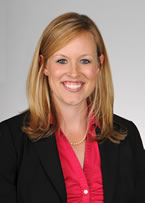
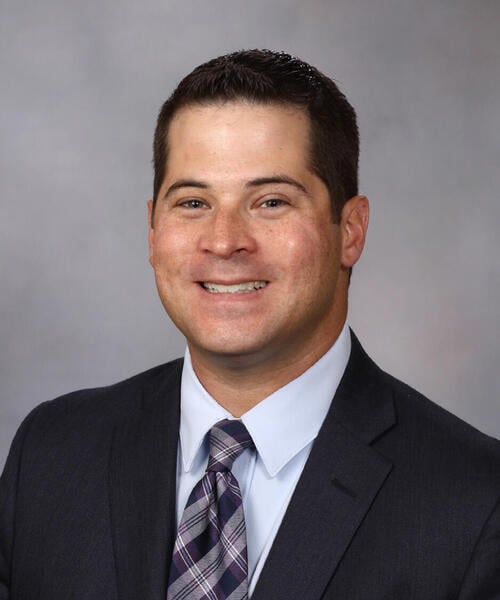
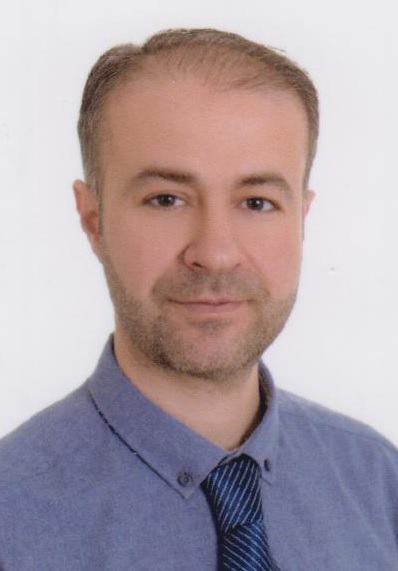
Clarice Seifert Clemmens, MD, is a Professor at the Medical University of South Carolina (MUSC) in the College of Medicine's Department of Otolaryngology - Head and Neck Surgery. She specializes in pediatric otolaryngology with particular expertise in neonatal airway disorders and thyroid disorders, while also covering pediatric allergy/sinus disease, ear disease, hearing loss, sleep medicine, speech/swallowing disorders, and dysphagia. Dr. Clemmens completed her medical training at MUSC in 2009, followed by a residency at the University of Pennsylvania and a fellowship at Children's Hospital of Philadelphia. Education Medical Degree: Medical University of South Carolina (2009) Residency: University of Pennsylvania Fellowship: Children's Hospital of Philadelphia Her research focuses on pediatric airway disorders, evidenced by her publications on laryngomalacia interventions, cochlear implant auditory outcomes, sleep study diagnostics, and airway emergency protocols. She has contributed to systematic reviews examining tracheostomy management, neonatal airway anomalies, and sociodemographic barriers in newborn hearing screening. Dr. Clemmens maintains an active clinical practice at MUSC Children's Health ENT at Summey Medical Pavilion, where she provides comprehensive care for pediatric ear, nose, and throat conditions. She has presented her work nationally and regionally, and maintains board certification from the American Board of Otolaryngology since 2015.
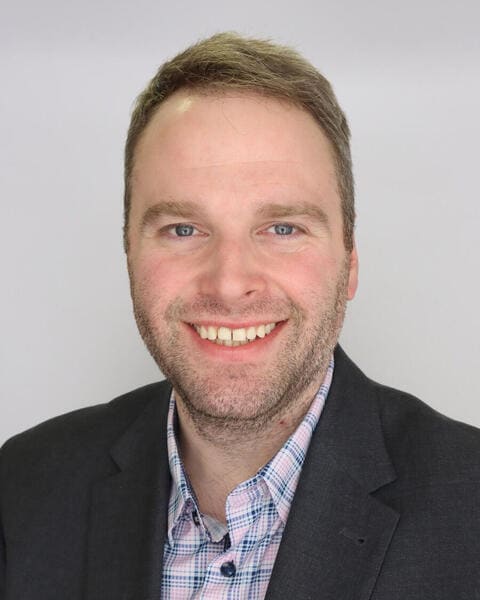
Christopher Grainge is a Conjoint Associate Professor at the University of Newcastle's School of Medicine and Public Health, and a Staff Specialist in Respiratory and General Medicine at John Hunter Hospital. Previously, he served as a Consultant Physician and Senior Lecturer at the University of Southampton. His extensive clinical background includes service in the Royal Navy, specializing in diving and remote medicine, and deployments to Antarctica and Southern Iraq. Dr. Grainge maintains active research collaborations with institutions worldwide, focusing on respiratory medicine. Dr. Grainge completed his undergraduate training at Imperial College, University of London, with an intercalated BSc. He earned his PhD from the University of Southampton in 2011, with research published in the New England Journal of Medicine. His thesis examined the effect of repeated bronchoconstriction on airways in asthma. He also holds membership in the Royal College of Physicians and was awarded the Diploma in the Medical Care of Catastrophes, specializing in remote and refugee medicine. Dr. Grainge's research focuses on the role of mechanical forces in asthma pathophysiology, environmental dusts in lung disease development, and platelet antagonists' effects on allergen challenge. His work demonstrates that mechanical forces play a crucial role in determining long-term changes in human airways. He leads investigations into how environmental exposure to inhaled particles leads to conditions like constrictive bronchiolitis, and explores novel therapeutic pathways for asthma through platelet activation inhibition. His research has significant clinical implications for difficult asthma and interstitial lung disease management. Dr. Grainge's recent publications reflect strong trends in interstitial lung disease research, particularly idiopathic pulmonary fibrosis, and asthma mechanisms. His work increasingly incorporates advanced technologies like artificial intelligence for disease stratification and deep learning for predicting disease progression. Collaborative research with international teams examines biomarkers for disease progression and novel treatment approaches for fibrotic lung diseases, with a particular focus on quantitative CT analysis and patient-reported outcome measures. Leatherdale Prize for Clinical Teaching: Finalist (2013) Military and Civilian Health Partnership Awards Winner (2011) University of Southampton Translational Medicine Research Prize (2011) Michael Arthur Clinical Research Prize (2014) British Lung Foundation Travel Fellowship (2011) Gilbert Blane Medal (2010) Colt Foundation Prize: Finalist (2010) Asthma UK Travel Fellowship (2009) Dr. Grainge has received significant research funding from the British Lung Foundation, the Southampton Marine and Maritime Institute, the Institute for Life Sciences, and the Gerald Kerkut Foundation. His projects investigate the effects of physical and environmental stress on lung disease, mechanisms underlying lung disease development following environmental particle exposure, and potential therapies. He has collaborated extensively with research teams across Australia, the UK, the Netherlands, and South Africa, contributing to the training of numerous students and junior researchers through his supervision and mentorship roles. Dr. Grainge collaborates extensively with the Respiratory Research group at the University of Southampton, the Asthma and COPD Research Group at the University of Groningen in the Netherlands, and the Microbiome group at the South Australia Medical Research Institute. His current work at the Hunter Medical Research Institute (HMRI) focuses on mechanical forces within airways and their impact on acute and long-term lung changes in patients with airway diseases. He is also involved in the Australian IPF Registry, contributing to multicenter studies on idiopathic pulmonary fibrosis progression and treatment outcomes.
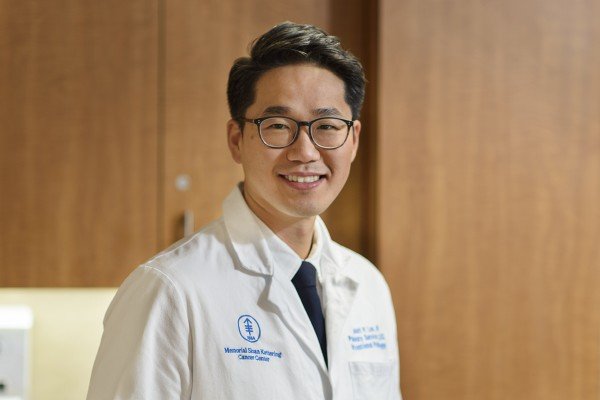
Robert P. Lee, MD, FCCP, DAABIP is a Clinical Professor and a leading Interventional Pulmonologist at Memorial Sloan Kettering Cancer Center (MSK). He serves as the Section Head of Interventional Pulmonology and the Program Director of the Interventional Pulmonology Fellowship. His clinical expertise focuses on advanced minimally invasive techniques for diagnosing and treating lung conditions such as pulmonary nodules, lung cancer, and pleural effusion. He specializes in robotic bronchoscopy, endobronchial ultrasound (EBUS), and electromagnetic navigation bronchoscopy. Dr. Lee completed his MD at Rutgers New Jersey Medical School, followed by residencies at Georgetown University Medical Center and fellowships at New York University School of Medicine and Lahey Clinic (Tufts University School of Medicine). He is board-certified in Pulmonary Disease, Critical Care Medicine, and Interventional Pulmonology. His research interests involve developing novel products and techniques to improve bronchoscopy and enable early lung cancer diagnosis. He collaborates with thoracic surgeons and interventional radiologists to optimize patient care and reduce invasive procedures. Dr. Lee sees patients at MSK locations in New York City and is fluent in English and Korean. He accepts multiple insurance plans, including Medicare and various private providers. Clinical trial participation opportunities are available through MSK’s extensive research programs. Dr. Lee discloses a relationship with AstraZeneca as part of MSK’s conflict of interest reporting.
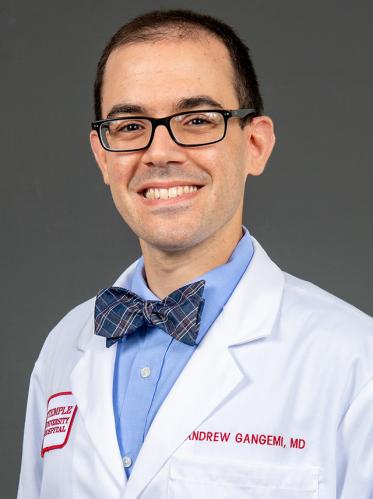
Andrew J. Gangemi, MD is an Associate Professor in the Department of Thoracic Medicine and Surgery at the Lewis Katz School of Medicine, Temple University. He serves in key clinical leadership roles at Temple University Hospital, including Medical Director of Respiratory Therapy at the Jeanes Campus, Medical Director of the Bronchoscopy Suite at the Jeanes Campus, and Medical Director of Pulmonary Rehabilitation at the Main Campus. His clinical expertise lies in pulmonology, with focused interests in COPD, smoking cessation, and sarcoidosis. His research explores critical areas such as racial differences in smoking-related lung disease, outcomes of lung volume reduction procedures, and the effects of hyperinflation on respiratory function. Dr. Gangemi has been recognized for his excellence in clinical care and early career development, receiving honors including being named a Top Doctor in Pulmonary Disease by Philadelphia magazine (2023–2025) and receiving the ACCP 2019 Early Career Professional Development Scholarship. These awards highlight his contributions to both patient care and professional advancement in chest medicine. He is actively involved in clinical practice and academic medicine, with no indication of retirement or former status. He is certified by the American Board of Internal Medicine in Internal Medicine, Pulmonary Disease, and Critical Care Medicine, and is a member of the American Thoracic Society and the American College of Chest Physicians. His work bridges clinical service, education, and research in pulmonary and critical care medicine.
Saptarashmi Bandyopadhyay is a Tenure-Track Assistant Professor of Computer Science at the City College of New York and the Graduate Center at the City University of New York (CUNY). Her research focuses on Artificial Intelligence Agents and Autonomous Decision Making, with special emphasis on Multi-Agent Reinforcement Learning, Multi-Agent Imitation Learning, and related paradigms. She has established significant collaborations with leading institutions including Google DeepMind, Carnegie Mellon University, Oxford University, and MIT. Dr. Bandyopadhyay received her PhD from the University of Maryland, College Park, where she was advised by Professor John Dickerson and Professor Tom Goldstein. Prior to that, she graduated from Penn State in 2020 with a thesis on Multimodal Computer Vision in Medical Domain advised by Prof. William Evan Higgins. Her research expertise spans multiple domains of AI including Multi-Agent Systems, Reinforcement Learning, Imitation Learning, and Multimodal Perception. She specializes in developing AI agents for applications in climate conservation, economic systems, and AI safety. Her work integrates techniques from computer vision, natural language processing, and robotics to create more robust and explainable AI systems that can operate effectively in complex, real-world scenarios. Current work includes improving explainable AI, developing Multimodal LLM/VLM/Robotic Agents, and creating libraries to speed up Multi-Agent evolutionary training with JAXMARL. Analysis of Dr. Bandyopadhyay's publication record reveals a clear progression from foundational work in medical imaging and natural language processing toward increasingly sophisticated multi-agent AI systems. Her recent publications demonstrate a strong focus on Multi-Agent Reinforcement Learning frameworks like JAXMARL, with applications spanning from supply chain orchestration to climate conservation. The interdisciplinary nature of her work is evident in publications spanning computer vision, NLP, and multi-agent systems conferences including AAAI, NeurIPS, AAMAS, EMNLP, and ACL. DoGood Fellow (2022) UMD Dean's Summer Fellow (2021) Dr. Bandyopadhyay has been actively involved in securing research funding from major agencies including NSF, NIH, DoD, and ARL. She served as the lead PhD student RA in a DoD project for Multi-Agent Explainable AI to improve AI trustworthiness. Her service to the academic community includes membership on program committees for major conferences including IJCAI 2024, KDD 2024, ACL 2024, and AAMAS 2023-2024. She has also created the AI Agents Seminar Series at UMD in 2022 with over 1,000 participants from six continents. Currently, Dr. Bandyopadhyay leads research on improving explainable AI, developing Multimodal LLM/VLM/Robotic Agents, and creating libraries to speed up Multi-Agent evolutionary training with JAXMARL. Her lab collaborates prominently with researchers from Google DeepMind, Carnegie Mellon University, Oxford University, University of Sheffield, Waymo, Meta AI, and MIT, with special focus on Dr. Jakob Foerster's and Dr. Robert Loftin's groups.
Aidin Iravani is a Clinical Associate Professor in the Department of Internal Medicine at the University of Utah . He specializes in Airway Disorders , Critical Care , Interventional Pulmonology , and Pulmonary Medicine . His research focuses on respiratory diagnostics and interventions, including: Aerosol generation during bronchoscopy Flexible laryngoscopy optimization Self-expanding airway stents Vascular-respiratory complications in rare diseases Dr. Iravani has contributed to publications analyzing medical procedures in pulmonology and critical care. His clinical practice at Huntsman Cancer Center emphasizes patient-centered care, as reflected in multiple positive patient reviews highlighting his compassionate communication and thorough explanations of conditions and treatments. He completed medical training at First Pavlov State Medical University of St. Petersburg , followed by internship at Tabriz University of Medical Sciences , residency at North Shore LIJ, Forest Hills Hospital , and fellowships in Pulmonary and Critical Care and Interventional Pulmonary at University of Utah Hospitals and Clinics .
Guramrinder Thind, MD is an Assistant Professor of Pulmonology at the UCSF School of Medicine, practicing in the Fresno division. He is board-certified in Internal Medicine, Critical Care Medicine, and Critical Care Echocardiography, and holds ELSO Adult ECMO Practitioner Certification. His clinical and academic focus lies in advanced respiratory support, critical care ultrasonography, and the management of complex cardiopulmonary conditions. Education: MBBS, Medicine – SDM Medical College, Dharwad, India (2014) Residency in Internal Medicine – Western Michigan University Homer Stryker M.D. School of Medicine, Kalamazoo, MI (2018) Fellowship in Critical Care Medicine – Cleveland Clinic Foundation, Cleveland, OH (2022) Research Interests: Dr. Thind's research spans extracorporeal life support , mechanical ventilation strategies , ARDS management , and point-of-care ultrasonography . He is particularly engaged in optimizing ECMO circuits, evaluating esophageal pressures in ventilated obese patients, and exploring high-frequency oscillatory ventilation as a rescue therapy. His work also delves into cardiorenal syndromes , fluid resuscitation in sepsis , and radiation exposure in ICU survivors . Scientific Awards: Cleveland Clinic Foundation MICU Nursing Staff Appreciation Award (2019–2021) Clinical Focus & Education Role: Dr. Thind is deeply committed to medical education and has embraced the clinician-educator role. His expertise includes airway management, ICU procedures, and advanced respiratory monitoring techniques. He is also active on social media under the handle @thind888 , where he shares insights and updates on critical care practices.
Sikandar A. Ansari is a Clinical Associate Professor in the Department of Internal Medicine , affiliated with the Huntsman Cancer Center . He specializes in Pulmonary and Critical Care Medicine , with a focus on Interventional Pulmonology and Lung Cancer . Dr. Ansari holds certifications from the American Board of Internal Medicine in both Critical Care Medicine and Pulmonary Disease , and is a member of the American Association for Bronchology and Interventional Pulmonology .
Ana Maria Lopez Beceiro is a contracted professor at the Faculty of Veterinary Medicine , University of Santiago de Compostela , specializing in the Department of Anatomy, Animal Production and Veterinary Clinical Sciences . Her research focuses on Animal Medicine and Surgery within the MIV Veterinary Internal Medicine and Experimental Surgery groups. She earned a PhD in 1997 for her thesis on pharmacological agents in inhalation anesthesia for common voles. Her work spans Veterinary Hematology Infectious Disease Diagnostics Ruminant Health Reproductive Pathophysiology Toxicology . Her recent publications analyze: Canine Leishmaniosis diagnostics Rifampicin efficacy in monocytic ehrlichiosis Hematologic impacts of zearalenone Diagnostic cytology techniques Postpartum metabolic disorders Reproductive activity stress in rams .
Chris Hartley, M.D. is a Physician Scientist at Mayo Clinic's Department of Laboratory Medicine and Pathology, specializing in gastrointestinal and liver pathology, cytopathology, and pancreatobiliary cytology. He completed his MD at Wake Forest University School of Medicine (2012) and fellowships at Washington University School of Medicine (2018) and University of Wisconsin Hospital (2017). 2018 Fellow - Liver and Gastrointestinal Pathology 2017 Fellow - Cytopathology 2016 Resident - Anatomic & Clinical Pathology Hartley's research integrates artificial intelligence with cytopathology and histopathology , focusing on improving diagnostic accuracy for pancreatic ductal adenocarcinoma, colonic graft-versus-host disease, and hepatocellular carcinoma. His work explores AI-driven tools for bile duct brushing evaluation and spatially resolved iron quantification in liver samples. Recent publications highlight his leadership in digital pathology and AI applications across gastrointestinal, hepatic, and pulmonary diseases. Key trends include: AI for histologic differentiation in cancers Cytomorphologic studies of rare neoplasms Molecular marker analysis in transplant-related pathologies Scientific recognitions include: 2019 'Good Catch' Patient Safety Award 2017 Young Investigator Award - Cancer Cytopathology 2015 USCAP Abstract Award Runner-up As a member of the Rodger C. Haggitt Gastrointestinal Pathology Society and American Society for Clinical Pathology, Hartley contributes to precision medicine initiatives and multidisciplinary cancer care teams.
Dante N. Schiavo, M.D., is a pulmonary and critical care medicine specialist at Mayo Clinic College of Medicine and Science in Rochester, Minnesota. His clinical focus includes Lung Cancer , Pleural Disease , and Interstitial Lung Disease . Education : MD from Virginia Commonwealth University School of Medicine (2009), BS in Biology from The College of William & Mary (2005) Dr. Schiavo's research emphasizes lung cancer staging , pleural effusion management , and critical care outcomes . His publications cover topics like PD-L1 biomarker analysis in lung cancer and bronchoscopic techniques for pleural disease diagnosis. Scientific Awards include multiple Teacher of the Year recognitions (2016, 2021) and the Dr. James N. Cooper Award for excellence in internal medicine.
Hegang Chen, PhD, serves as Professor in the Department of Epidemiology and Public Health at the University of Maryland School of Medicine. He is a lead statistician for the General Clinical Research Center (GCRC) and member of the Hormone Responsive Cancers Program within the Marlene and Stewart Greenebaum Cancer Center, with extensive collaborative experience in clinical trials and epidemiological research since joining in 2002. His academic credentials include: Ph.D. in Statistics from the University of Illinois M.S. in Mathematics from the University of Mississippi Dr. Chen's research centers on statistical methodology development—including optimal experimental design, generalized mixed linear models, and machine learning applications for molecular biology and real-time clinical decision support (e.g., predicting blood transfusion needs)—and biomedical collaborations spanning cancer, infectious diseases, trauma, public health, and pharmacogenomics. His work has been published in premier journals like Nature, JAMA, and Annals of Statistics. Analysis of his recent publications (2020-2025) reveals a dominant focus on predictive analytics for traumatic brain injury outcomes, blood transfusion prediction, and lung cancer diagnosis using real-time physiological monitoring and machine learning. This trend demonstrates a translational shift toward operationalizing statistical methods in critical care decision support systems. No scientific awards were mentioned in the provided text. While no specific advisees are listed, Dr. Chen's leadership in the GCRC and extensive collaborative network across trauma, oncology, and global health indicate active mentorship within multidisciplinary teams. His grant involvement is evidenced by NIH-funded GCRC work and high-impact publications in clinical domains. Dr. Chen maintains key affiliations with the General Clinical Research Center as lead statistician and the Hormone Responsive Cancers Program, where he integrates advanced statistical methodologies into translational cancer research and clinical trial design.
MEHMET SAİT MENZİLCİOĞLU is an Associate Professor at Gaziantep University, Faculty of Medicine, Department of Internal Medicine, specifically working in the Department of Radiodiagnostics. He serves as the Dean's Assistant (2023-2026) and previously held the position of Hospital Deputy Director (2021-2023). His academic journey began with a medical degree from Gaziantep University (1996-2005), followed by medical specialization in Radiodiagnostics (2006-2011). Dr. Menzilcioğlu's research primarily focuses on ultrasound elastography applications across various medical specialties. His work spans kidney disease imaging, thyroid assessment, musculoskeletal applications, and pediatric radiology. He has made significant contributions to understanding tissue stiffness measurement in conditions ranging from Duchenne Muscular Dystrophy to hydatid cyst disease. His research demonstrates a consistent pattern of exploring quantitative ultrasound techniques to improve diagnostic accuracy and disease monitoring. His publication trend shows a strong emphasis on comparative studies between different imaging modalities and the development of reference values for healthy populations. The research spans multiple organ systems but maintains a consistent methodological approach centered on elastography techniques. Recent work has expanded into obstetric applications and ultra-low-dose CT protocols, reflecting an ongoing commitment to radiation dose reduction while maintaining diagnostic quality. GAZİ ÜNİVERSİTESİ REKTÖRLÜĞÜ YAYIN ÖDÜLÜ (2016) GAZİ ÜNİVERSİTESİ TEŞEKKÜR BELGESİ (2015) GAZİ ÜNİVERSİTESİ REKTÖRLÜĞÜ YAYIN ÖDÜLÜ (2015) Dr. Menzilcioğlu has supervised two theses to completion in 2022, focusing on renal elastography in diabetic children and CT evaluation of paranasal sinus variations. He has led two national research projects, one on pediatric lung X-ray radiation doses (2021-2024) and another on shear wave elastography in renal transplant patients (2019-2020). His editorial work includes contributions to Journal of Pediatric Neuroradiology, Radiology Open Journal, ClinMed International Library, and Spine Research. He maintains active membership in numerous professional organizations including the European Society of Radiology and Turkish Radiology Association, reflecting his commitment to advancing the field through both research and professional engagement.
Candace C. Chang, MD, MPH is a Clinical Associate Professor in the Department of Anesthesiology at the University of Utah . Her clinical and academic roles include directing Non-Operating Room Anesthesia (NORA) and leading global health engagement initiatives. She specializes in patient safety, simulation-based training, and healthcare capacity building, particularly in The Gambia. Education: B.S. in Chemistry, California Institute of Technology (Caltech) M.D., University of California San Francisco (UCSF) M.P.H., Harvard School of Public Health Her research focuses on anesthesiology safety protocols , simulation training for medical professionals , and global health equity . Recent publications emphasize teamwork in perioperative settings, NORA risk mitigation, and international healthcare education. Dr. Chang teaches medical students , anesthesia residents , and board-certified anesthesiologists through the University of Utah's Center for Patient Simulation . She has authored multiple articles on safety checklists, positioning injuries, and global health collaborations.
Pierre Poitier is a researcher at the Faculty of Computer Science, Namur Digital Institute (University of Namur), specializing in artificial intelligence applications for sign language recognition and medical imaging. He serves as Project Manager for the SafeTransRNN research project focused on improving temporal segmentation using RNNs with state duration constraints and fuzzy transition modeling. His research interests span multiple domains of artificial intelligence with emphasis on sign language processing, computer vision, and deep learning applications. His work particularly focuses on data augmentation techniques for contrastive learning, recurrent neural network architectures, transformer models for sign language-to-text translation, and medical image analysis for bronchial carinae detection. Analysis of his recent publications (2023-2025) reveals a strong research trajectory centered around developing more accurate sign language recognition systems through innovative neural network architectures and data processing techniques. His work demonstrates increasing sophistication from foundational sign language tokenization approaches to more complex contrastive learning frameworks and medical imaging applications. Dr. Poitier actively collaborates with researchers including Frénay and Fink, and has participated in numerous academic events including the European Symposium on Artificial Neural Networks (ESANN), Intelligent Data Analysis (IDA), and European Conference on Artificial Intelligence (ECAI).