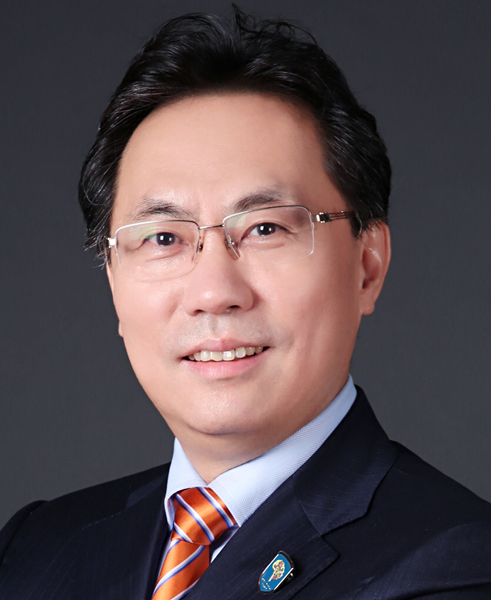
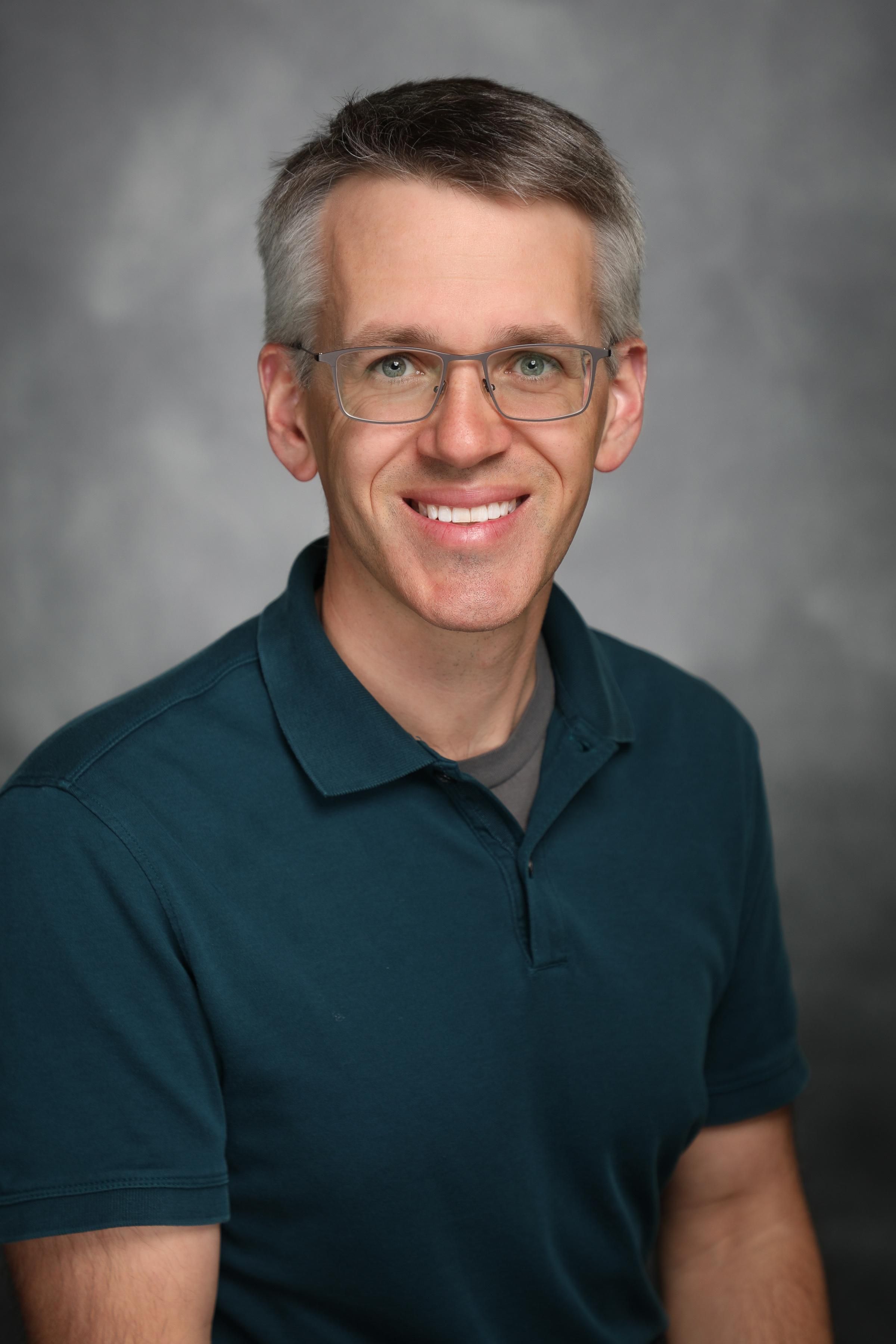
Professor Liwei Zhang, M.D., serves as Director of Neurosurgery Department and Vice President of Beijing Tiantan Hospital, with Doctoral Supervisor appointments at Beijing Capital Medical University and Tsinghua University. He is Associate Director of China National Clinical Research Center for Neurological Diseases, Chairman of the Chinese Congress of Neurological Surgeons, and Committee member of the World Federation of Neurosurgical Societies. His research pioneers skull-base and brainstem tumor treatment, focusing on brainstem glioma genetics and brain function protection. He established the National Brain Tumor Registry of China (NBTRC) —now the world's second-largest brain tumor database with 110,000+ clinical records—and developed non-invasive CSF ctDNA diagnostics for molecular profiling. His work includes identifying PPM1D mutations in brainstem glioma and creating patient-derived DIPG cell models. Major recognitions include: 2018 National Science and Technology Progress Award of China (Second Prize) 2017 Beijing Science and Technology Progress Award (Second Prize) 2017 Chinese Medical Science Prize (Third Prize) 2017 Chinese Medical Science and Technology Progress Award (Third Prize) 2015 Beijing Medical Science and Technology Progress Award (Third Prize) 2015 Chinese Medical Science Prize (Third Prize) 2014 Chinese Medical Science Prize (Third Prize) 2006 Beijing Science and Technology Progress Award (Third Prize) 2006 Chinese Medical Science Prize (Second Prize) He has mentored 30+ graduate students, secured 40+ million RMB in research funding, and established China's Multidisciplinary Cooperation System for Skull-based Tumors. As Chief of Beijing Key Laboratory of Brain Tumor Research, he leads NBTRC's global data-sharing initiatives for brain health studies.
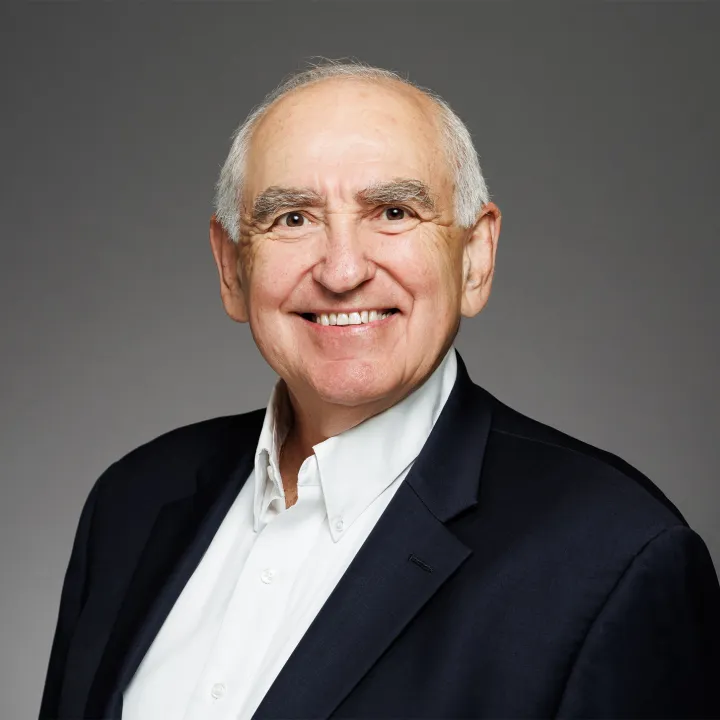
Roman Kuc is a Professor of Electrical Engineering at Yale University, affiliated with the School of Engineering & Applied Science. He directs the Intelligent Sensors Laboratory, focusing on biomimetic sensors for robotics and bioengineering. His research explores brain-based devices (BBDs), sonar sensing, and neuromorphic processing inspired by biological systems. He holds a BSEE from Illinois Institute of Technology and a PhD from Columbia University. Dr. Kuc’s work bridges signal processing, robotics, and bioengineering, with applications in autonomous systems and clinical diagnostics. He has published over 200 papers and authored textbooks like Electrical Engineering in Context and The Digital Information Age . Notable honors include an honorary doctorate from the Glushkov Institute of Cybernetics and the Yale Sheffield Distinguished Teaching Award. His research themes include cognitive mapping via sonar echoes, neural network-based classification of environmental features, and biomimetic approaches to echolocation. Recent work emphasizes sensorimotor integration and robust performance in uncertain environments. Scientific awards highlight his contributions to robotics, signal processing, and education. His lab develops systems that emulate biological sensory mechanisms, aiming to advance robotics, medical applications, and assistive technologies.
Dr. Zhi-Ping Feng is a Bioinformatician at the John Curtin School of Medical Research (JCSMR), Australian National University (ANU). Her research focuses on integrating omics data with protein structure-function relationships to study interactions between macromolecules. She has expertise in analyzing genomic and transcriptomic data (e.g., RNA-Seq, ChIP-Seq) and protein structure determination via nuclear magnetic resonance (NMR) spectroscopy. Previously, she held a Senior Research Fellow position at the Walter and Eliza Hall Institute (WEHI) from 2009, working on quality control in omics research and genomic data analysis. Her postdoctoral work at WEHI (2002–2005) involved structural biology of malaria-related proteins, supported by an Australian Postdoctoral Fellowship. She holds a PhD in protein bioinformatics from China and a physics background from Peking University. Education: PhD in Protein Bioinformatics (China) Bachelor’s in Physics, Peking University Research Interests: Her work bridges computational biology and structural biology, with emphasis on: Intrinsically unstructured proteins (IUPs) and their applications in malaria proteomics Omics data integration for disease modeling (e.g., cancer, diabetes, neurodegeneration) Protein-protein interaction networks and structural bioinformatics Publications: Recent work spans cancer immunotherapy, miRNA regulation in retinal degeneration, and T cell biology, with contributions to understanding Wnt signaling in joint replacement complications and genetic fusions in pediatric brain tumors. Awards: Australian Postdoctoral Fellowship (2005) Grants/Teams: Currently affiliated with ANU Bioinformatics Consultancy, supporting translational medical research in immunology, cancer, and genomics. Labs/Teams: Collaborates with the JCSMR’s multidisciplinary teams focusing on biomedical informatics and translational research.
Professor Mohan Lal Kolhe is a distinguished academic at the University of Agder , serving as a Full Professor in Smart Grid and Renewable Energy within the Faculty of Engineering and Science and the Department of Engineering Sciences . With over three decades of international academic experience, he has held positions at prestigious institutions including University College London, University of Dundee, and Hydrogen Research Institute in Canada. His career spans technical innovation, policy development (e.g., as a member of South Australia’s Renewable Energy Board), and extensive research leadership in sustainable energy systems. Research Leadership : Focus on Smart Grid integration, Electric Vehicles, Hydrogen Energy, Solar/Wind Systems, and Techno-Economic Energy Analysis. Global Recognition : Listed in the top 2% of scientists worldwide (2020-2023) by Stanford University, with 10 publications averaging 200+ citations. Recent publications emphasize advanced optimization techniques for renewable integration, EV charging infrastructure, hydrogen production, and power system stability. His work has secured competitive funding from entities like the Norwegian Research Council and EU programs. Awards and Expert Roles : Top 2% Global Scientist (Stanford, 2020-2023) Highly Cited Researcher (Top 10 publications, 200+ avg. citations) Expert evaluator for European Commission, Royal Society London, EPSRC, and Cyprus Research Foundation He actively contributes to international conferences as keynote speaker and editorial board member, with leadership roles in research groups like Autonomous and Cyber-Physical Systems and Energy Systems .
Olof Stephansson is a senior researcher and group leader at the Clinical Epidemiology Unit (KEP) , Karolinska Institutet , focusing on reproductive, perinatal, and pediatric epidemiology. His work utilizes Swedish healthcare registries and quality registers to investigate risk factors, interventions, and medical management during pregnancy and childbirth. Key research areas: maternal obesity, preeclampsia prediction, climate change impacts, neonatal neurodevelopment, IBD in pregnancy, and labor management Funded by: Swedish Research Council, NIH, FORTE, NordForsk, and Karolinska Institute Collaborates with: Stanford, Oregon Health, University of British Columbia, London School of Hygiene, University of Witwatersrand His group (2014-present) manages the Swedish Pregnancy Registry and conducts randomized trials like the Oneplus study on midwifery models. Recent publications (2024-2025) analyze maternal BMI effects on offspring sleep, labor duration risks, and vaccine safety in pregnancy.
Daniela M Witten is a Professor of Statistics and Biostatistics at the University of Washington, holding the Dorothy Gilford Endowed Chair in Mathematical Statistics. Her research focuses on developing statistical machine learning methods for high-dimensional data, with a particular emphasis on unsupervised learning and theoretical foundations. Witten earned her BS in Math and Biology with Honors and Distinction from Stanford University in 2005 and her PhD in Statistics from Stanford University in 2010 under Robert Tibshirani. Her academic journey established her expertise in bridging mathematical theory with biological applications. Her research program centers on high-dimensional statistical learning , where she develops methods for unsupervised learning and graphical modeling when features outnumber observations. She pioneers statistical models for neural activity through collaborations with the Allen Institute for Brain Science and Princeton University, addressing functional connectivity and neuron sub-population identification. Her groundbreaking work on selective inference solves the "double-dipping" problem in hypothesis generation and testing, enabling valid inference after hierarchical clustering and regression trees. Additionally, she advances multi-view data analysis to integrate complementary data sources like clinical and genomic measurements. Applications span genomics, neuroscience, microbial ecology, and pathology, demonstrating her commitment to solving real-world biomedical challenges. Her 2025 publications reveal a cohesive trend toward developing theoretically rigorous inference frameworks for high-dimensional settings, with emphasis on linear regression validity, semi-supervised efficiency, Gaussian decomposition, and PCA variance quantification—showcasing her signature blend of methodological innovation and practical applicability. Witten's exceptional contributions are recognized through extensive honors: Presidents’ Award, Committee of Presidents of Statistical Societies (COPSS) (2022) Mortimer Spiegelman Award, American Public Health Association (2019) Simons Investigator Award (2018-2023) Sloan Research Fellowship (2013-2015) NSF CAREER Award (2013-2018) NIH Director’s Early Independence Award (2011-2016) 23 major awards including named lectureships, fellowships, and editorial leadership As a dedicated mentor, she has guided students like Olivia McGough (NSF GRFP winner), Dwight (Zichun) Xu (ASA Nonparametrics Student Paper Award winner), Yiqun Chen (Hopkins Biostat faculty), and Anna Neufeld (Williams College faculty). Her research is sustained by major grants from NIH, NSF, and Simons Foundation. Witten co-authored the seminal textbook "Introduction to Statistical Learning" and currently serves as Joint Editor of the Journal of the Royal Statistical Society, Series B (2023-2025), shaping the field through both scholarship and community leadership.
Andrea H. Brand serves as the Frederick L. Ehrman Professor of Cell Biology and Professor of Neuroscience at NYU Grossman School of Medicine, New York University, where she chairs the Department of Cell Biology. Her dual appointments reflect an interdisciplinary research program spanning molecular mechanisms of stem cell regulation and neural development. Dr. Brand earned her PhD from the University of Cambridge followed by prestigious postdoctoral fellowships: a Leukemia Society Special Fellowship at Harvard Medical School and a Helen Hay Whitney Fellowship at Harvard University. These foundational experiences established her expertise in genetic model systems. Her research integrates stem cell biology and neuroscience through innovative work with Drosophila and mouse models. Key investigations focus on chromatin dynamics in stem cell quiescence, Notch/insulin signaling pathways, neural progenitor reprogramming, and blood-brain barrier formation. Current projects explore obesity-related gene function and CHD8 genomic targets relevant to neurodevelopmental disorders, emphasizing translational potential for regenerative medicine. Recent publications (2020-2022) reveal consistent themes in stem cell niche organization and disease mechanisms, with notable contributions to understanding tumorigenesis through neural progenitor studies and metabolic influences on barrier development. Her work demonstrates strong interdisciplinary convergence between developmental genetics and systems neuroscience. No scientific awards were documented in the provided profile information. While the profile indicates Professor Brand's leadership as Department Chair, specific details regarding student mentorship, grant funding, or laboratory structure were not included in the available text. Her position suggests active supervision of research teams and potential involvement in major collaborative initiatives.
Andrew K. Przybylski is a Professor of Human Behaviour and Technology at the University of Oxford's Oxford Internet Institute (OII). His research bridges psychology and digital technology studies, focusing on how virtual environments like social media and video games influence motivation, health, and well-being. He advocates for open, reproducible science and collaborates with policymakers to address digital-age challenges. Recent appointments include Honorary Professor at The Educational University of Hong Kong’s Centre for Psychosocial Health. Education: Undergraduate, postgraduate, and doctoral degrees from the University of Rochester (United States). Research Interests: His work explores digital well-being, online platform data donation, social media's psychosocial effects, and video game engagement. Key themes include open science, meta-science, and the intersection of technology with adolescent mental health. Article Trends: Recent studies analyze digital harms, social media's impact on youth, and reproducibility in tech research. His projects span neuroscience (e.g., screen time's effect on brain organization), behavioral analysis (e.g., gaming and affective responses), and policy-oriented work (e.g., multiverse approaches to internet use). Collaborations with institutions like the Ashmolean Museum highlight his interest in digital culture's therapeutic potential. Scientific Awards: Honorary Professor at The Educational University of Hong Kong’s Centre for Psychosocial Health Grants & Collaborations: Funded by the Huo Family Foundation, UK Research and Innovation (UKRI), Economic and Social Research Council (ESRC), The British Academy, The Leverhulme Trust, Barnardo’s, and the University of Oxford’s John Fell Fund. He contributes as a scientific advisor to the Sync Digital Wellbeing Program. Labs & Projects: Leads initiatives like the Programme on Adolescent Well-Being in the Digital Age, Capturing Digital Footprints of Video Game Play, and Understanding Video Game Play and Mental Health. These projects emphasize open-source data collection and cross-disciplinary collaboration.
Daniel Coppersmith is an Assistant Professor joining the Department of Psychological and Brain Sciences at the University of Massachusetts Amherst in Fall 2025. His research program is dedicated to advancing the understanding, prediction, and prevention of suicide using innovative technologies such as smartphones and wearable biosensors. He is affiliated with the College of Natural Sciences and operates at the intersection of clinical psychology and computational behavioral science. His research interests center on the dynamic, heterogeneous nature of suicidal thoughts and behaviors. Key areas include: Describing the form and function of suicidal ideation Identifying time-varying risk and protective factors Developing personalized, scalable interventions using real-time data His work emphasizes affect regulation, temporal dynamics, and just-in-time adaptive systems to support individuals at risk. Analysis of his recent publications reveals a strong focus on digital mental health tools, computational modeling of suicide risk, and the development of real-time interventions. His work frequently employs longitudinal data, dynamic systems modeling, and mobile technology to capture intraindividual variability in suicidal thinking. Collaborations with leading figures such as Matthew K. Nock and Emily M. Kleiman underscore his integration into top-tier research networks in clinical and computational psychiatry. Although no scientific awards are currently listed, his publication record in premier journals like Proceedings of the National Academy of Sciences and Behaviour Research and Therapy highlights significant scholarly impact. His future work is expected to expand the reach of precision suicide prevention through scalable, technology-enhanced care models. Dr. Coppersmith advises graduate students in clinical psychology and related fields, though specific advisees are not yet listed. His lab likely focuses on digital phenotyping, suicide risk modeling, and intervention development. He may pursue grants from NIH, NIMH, and private foundations focused on mental health innovation and suicide prevention. His team is expected to include data scientists, clinical psychologists, and software developers working on real-time behavioral monitoring systems.
Robert J.K. Jacob is a Professor of Computer Science at Tufts University, affiliated with the School of Engineering's Department of Computer Science. His research focuses on Human-Computer Interaction (HCI), particularly implicit brain-computer interfaces (BCI) using fNIRS and EEG technologies. He has held visiting positions at University College London, Université Paris-Sud, and MIT Media Lab. Education: Ph.D. in Computer Science from Johns Hopkins University. Research Interests : Jacob's work explores novel interaction techniques, adaptive interfaces, and BCI applications. Current projects emphasize real-time fNIRS-based systems for effortless user input, cognitive workload assessment, and neuroadaptive technologies. His lab investigates how brain signals can enhance user interfaces in domains like music learning, gaming, and urban design. Recent Trends in Articles : Recent publications highlight advancements in BCI design, neuroadaptive systems, and interdisciplinary applications of fNIRS. Work spans theoretical frameworks (e.g., NeuroCHI ethics) to practical tools like the Tufts fNIRS dataset. Key themes include improving BCI calibration, exploring AI's role in urban environments, and integrating affective computing into artistic interfaces. Awards : ACM Fellow (2016) ACM CHI Academy Membership (2007) Best Paper Award at CHI 2016 Advising & Grants : Supervised 15+ Ph.D. alumni in HCI and BCI. Served as Vice-President of ACM SIGCHI and co-chair of UIST/CHI conferences. Active in editorial roles for Human-Computer Interaction and ACM Transactions on Computer-Human Interaction . Labs & Teams : Directs the Tufts HCI Lab in the Joyce Cummings Center. Collaborates with interdisciplinary teams on projects like the Marble Track Audio Manipulator and Reality-Based Interaction Framework.
Ashley Moseman serves as an Assistant Professor of Integrative Immunobiology and Assistant Professor of Cell Biology at Duke University School of Medicine. She holds significant affiliations as a Faculty Network Member of the Duke Institute for Brain Sciences and a Member of the Duke Cancer Institute. Her pioneering research examines the delicate balance between neuronal function and immune protection at the olfactory neuroepithelial barrier, where sensory neurons directly interface with the external environment while protecting the central nervous system from pathogens. Dr. Moseman completed her Ph.D. at Harvard University in 2011, establishing the foundation for her interdisciplinary career at the intersection of immunology and neuroscience. Her research program focuses on understanding how immunological surveillance operates at the unique olfactory barrier, where neurons must contact the external environment to perform chemosensory functions while preventing pathogens from entering the CNS. The Moseman Lab employs cutting-edge multiphoton intravital imaging to visualize immune responses in vivo, revealing dynamic cellular interactions during viral infections and responses to pathogens like Naegleria fowleri. Current projects investigate olfactory barrier mechanisms, neuroimmune crosstalk, host-pathogen dynamics, and immune responses to deadly neurotropic pathogens. Analysis of Dr. Moseman's publication record demonstrates a cohesive research trajectory centered on neuroimmunology and mucosal defense mechanisms. Her work spans fundamental immunological processes, host-pathogen interactions at neural interfaces, and translational applications for understanding neurological complications of infections. A significant portion of her recent research addresses SARS-CoV-2-related olfactory dysfunction and the immunological basis of pathogen invasion through the olfactory system into the central nervous system. Dr. Moseman has secured substantial research funding including 'Using tissue-specific Naegleria opportunism to dissect olfactory immunity' (2025-2030), 'Characterizing olfactory plasma cell dynamics and survival niche within the upper airway' (2024-2029), and the 'Advanced Immunobiology Training Program for Surgeons' (2019-2029). She actively contributes to graduate education through the Medical Scientist Training Program (2022-2027) and teaches advanced immunology courses including IMMUNOL 736 and IMMUNOL 494. The Moseman Lab represents a leading center for neuroimmunology research, utilizing in vivo imaging to visualize immune responses within the central nervous system. Their work has significant implications for understanding how pathogens breach neurological barriers and how the immune system protects the brain while preserving essential sensory functions, with potential applications for treating neurological infections and inflammatory conditions.
Quan Liu, M.D., Ph.D., is an Associate Professor at the School of Medicine, Southern University of Science and Technology (SUSTech), where he has been employed since August 2018. He also serves as Deputy Secretary of the Joint Party Committee of the School of Medicine, Chairman of the Joint Labor Union of the School of Medicine, and Vice Chairman of the Transplant Immunology Professional Committee of the Immunotherapy Engineering Branch of the Chinese Society of Biomedical Engineering. Additionally, he holds the position of Associate Chief Physician at the Second Affiliated Hospital of Harbin Medical University. Dr. Liu received his Medical Degree (M.D.) from Harbin Medical University in 2002, followed by surgical training at the Second Affiliated Hospital of Harbin Medical University from 2002 to 2008, specializing in cardiothoracic surgery. He pursued his Ph.D. at the University of Pittsburgh, where he spent over 8 years (2009-2017) at the Thomas E. Starzl Transplantation Institute studying transplantation immunobiology, inflammation regulation, and immunobiology of IL-33 and regulatory T cells (Treg) with Drs. Heth Turnquist and Adrian Morelli. Dr. Liu's research focuses on three primary areas: (1) Alloantigen presentation in transplantation, (2) Immunobiology of IL-33, Treg and ILC2 in settings of transplantation, inflammation regulation and tumor, and (3) Immunotherapy. His work has made significant contributions to the field of transplant immunology, particularly in elucidating the role of donor dendritic cell-derived exosomes in mediating the semi-direct pathway of alloantigen presentation, revealing the role of intra-allograft recipient-derived dendritic cells in maintaining transplant rejection, and investigating the role of IL-33 in tissue protection during acute lung injury and heart transplant rejection. His research findings have been included in the classic immunology textbook Janeway's Immunobiology (10th Ed, 2022). Dr. Liu's publications demonstrate a strong focus on immunology, particularly transplant immunology, with recurring themes of IL-33, regulatory T cells, and mechanisms of immune regulation in transplantation settings. His work spans from basic immunological mechanisms to potential clinical applications in transplantation and cancer. Provincial Science and Technology Progress Second Prize (2007) Provincial Science and Technology Progress Second Prize (2008) Young Scientist Award at the American Transplant Congress (2013) Distinguished Young Talents project of the Second Affiliated Hospital of Harbin Medical University (2017) Dr. Liu has successfully completed a National Natural Science Foundation of China Youth Fund project and is currently leading a National Natural Science Foundation of China General Project (2020-2023). He has supervised doctoral students and has been actively involved in teaching undergraduate courses in Biochemistry, Physiology, and Pathophysiology, as well as graduate courses in Immunology. His laboratory at SUSTech has developed advanced research capabilities including over 30 mouse strains (more than 10 developed independently), access to a Seahorse XFe96 cell energy metabolism analyzer, and a CyTOF Helios mass cytometer for advanced immunological studies. Dr. Liu leads a research group at SUSTech focused on tumor immunity and immunotherapy, neuro-immune-metabolic interactions, and transplant immunity. The laboratory has established significant experimental capabilities including over 30 mouse strains (more than 10 developed independently), access to a Seahorse XFe96 cell energy metabolism analyzer for immunometabolism research, and a CyTOF Helios mass cytometer for advanced immunological studies.
Giovanni Petri is a Professor in the Network Science Institute at Northeastern University London, where he joined in June 2023. Previously, he held positions at CENTAI as a Principal Researcher and at IMT Lucca as a Guest Scholar, with earlier affiliations at ISI Foundation and Imperial College London. His educational background includes a PhD in Complex Networks from Imperial College London (2012), an MSc in Theoretical Physics from the University of Pisa (2008), and a BSc in Physics from the University of Pisa (2005). Petri's research spans the analysis of neuroimaging data and AI systems with topological techniques, the formalization of cognitive control models with tools of statistical mechanics and network theory, and the study of the predictability of socio-technical systems. His work in Topological Neuroscience explores brain architecture using algebraic topology, while his research in Cognitive Neuroscience focuses on neural mechanisms underlying human cognition. He is particularly known for his work on higher-order networks, using mathematical frameworks like hypergraphs and simplicial complexes to model systems with multi-way interactions. His recent publications (2023-2025) demonstrate a strong focus on higher-order network theory applied to neuroscience, with particular emphasis on topological approaches to brain connectivity, social contagion models, and the physics of complex systems. These works reveal consistent themes in understanding how multi-body interactions shape system dynamics across biological, social, and technological domains. European Research Council Consolidator Grant (RUNES: Reconstruction and unification of neural and ecological systems, 2024) As Principal Investigator of the NPLab, Petri advises numerous PhD and postdoctoral researchers including Marilyn Gatica, Andrea Santoro, and Simone Poetto. His RUNES project, funded by the ERC Consolidator Grant, represents a significant research initiative. The lab maintains active collaborations with CENTAI, Project CETI (Cetacean Translation Initiative), and various international institutions. The NPLab investigates the role of topology and geometry in the collective dynamics of complex systems, ranging from neuroscience to society, using statistical mechanics, algebraic topology, and innovative computational approaches. Current projects include Topological Neuroscience, Cognitive Neuroscience, Higher-order Networks, Project CETI, and RUNES.
Vincent Bonin is a Senior Lecturer in the Department of Biology at KU Leuven's Faculty of Sciences. He is affiliated with the VIB-KU Leuven Center for Neuro Electronics Research Flanders (NERF) and the KU Leuven Brain Institute (LBI). His research focuses on neural circuits and visual neuroscience, with an emphasis on cortical and subcortical mechanisms of perception and plasticity. Research Interests: Vincent investigates visual coding, cortical connectivity, and brain circuit dynamics. His work spans topics like: Role of non-hierarchical visual pathways in perception Dendritic processing in the superior colliculus Cell type-specific connectivity in layer 2/3 visual cortex Astrocyte-mediated cortical plasticity Development of high-resolution intracortical visual prosthetics Recent Projects: • The contributions of non-hierarchical visual pathways to visual coding and perceptual behavior (2025-2028) • An investigation into cell type-specific connectivity rules in visual cortex (2024-2027) • Short- and long-term circuit mechanisms of motor rehabilitation after spinal cord injury (2024-2027)
Gabriel Koch Ocker is an Assistant Professor in the Department of Mathematics & Statistics at Boston University, specializing in theoretical and computational neuroscience. His research investigates how neural activity encodes sensory information, shapes behavior, and evolves through learning mechanisms. Research Focus: Structure-function relationships in neuronal networks Methodology: Dynamical systems, stochastic processes, statistical physics Collaborations: Experimental validation of computational models Recent publications analyze integrate-and-fire networks, dendritic calcium spiking, inhibition-stabilized circuits, and metastability in stochastic neuronal systems. His group combines mathematical rigor with biological relevance to explore neural coding, plasticity, and functional hierarchy in cortical structures. Key contributions include tensor decomposition approaches to correlation analysis, reconciling recording technique discrepancies, and developing field-theoretic frameworks for compartmental modeling. Work spans from molecular-level channel dynamics (Kv7 channels) to brain-area-level functional organization.