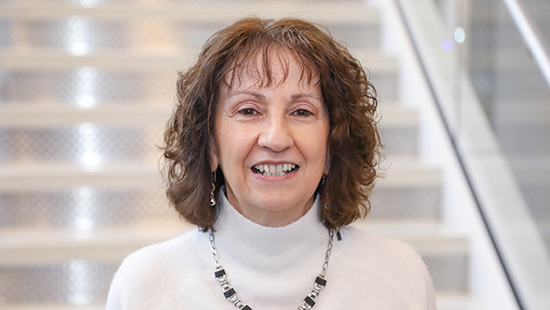
Prof. Dr. Alexander Dityatev is a Group Leader at the German Center for Neurodegenerative Diseases (DZNE) in Magdeburg, Germany, where he leads research on the extracellular matrix (ECM) in brain function. His work establishes critical connections between ECM dynamics and neural processes including synaptic plasticity, learning, and memory formation. Dr. Dityatev's research focuses on: ECM regulation of voltage-dependent L-type Ca2+ channels, NMDA receptors, and Ca2+-dependent K+ channels ECM changes in aging brains, depression, dementia, and schizophrenia models Matrix metalloproteinases (ADAMTS4/5, MMP-9) and their regulation by dopaminergic/serotonergic systems Development of ECM-targeted therapies for neurodegenerative and psychiatric disorders His laboratory employs advanced techniques including in vivo 2-photon microscopy, AAV-based fluorescent probes, and virtual environment systems to investigate neural network dynamics and quadripartite synapses. Dr. Dityatev advocates for combined therapeutic approaches that integrate ECM targeting with cognitive training for advanced neurodegenerative conditions. His publication record demonstrates consistent contributions to understanding the dual role of ECM as both a promoter of structural/functional plasticity and a stabilizer of neural microcircuits - aspects critically important for mental health and neurological function. Dr. Dityatev's research has significant translational implications for treating Alzheimer's disease, frontotemporal dementia, tauopathies, vascular dementia, epilepsy, and depression through novel ECM-modulating strategies.