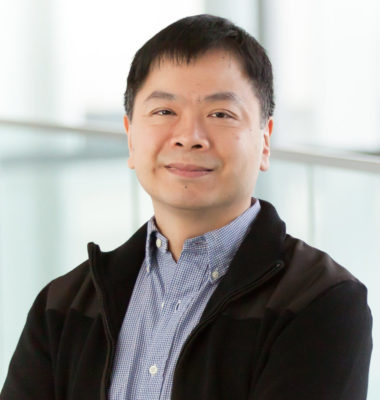
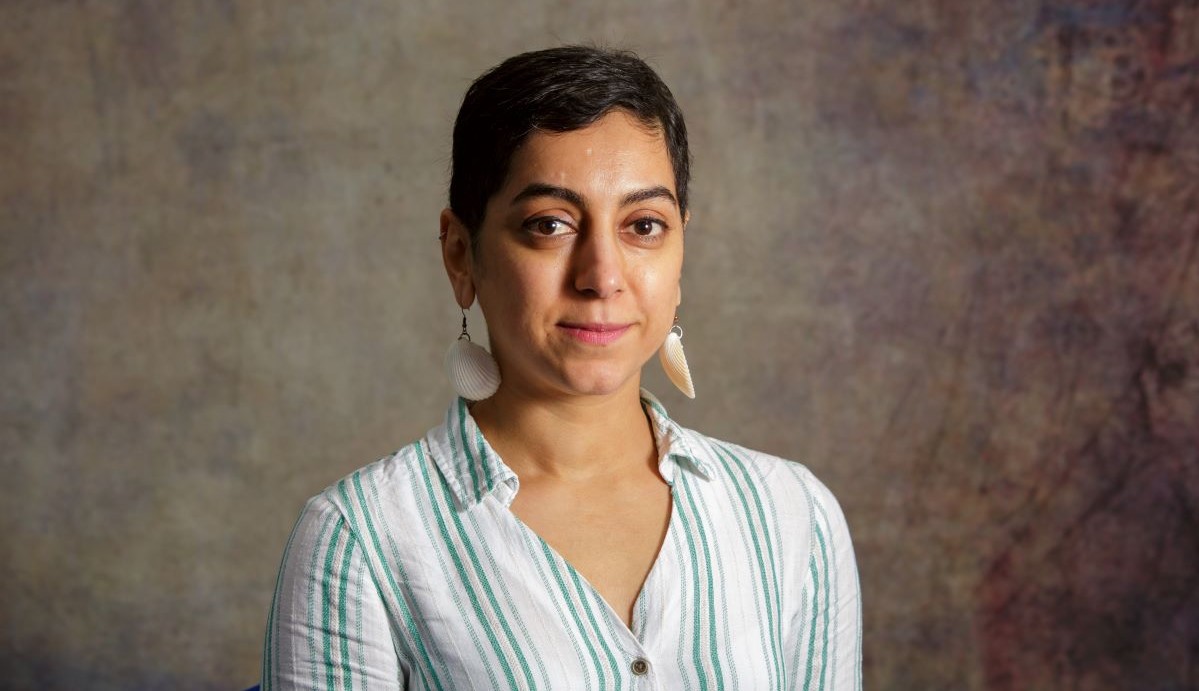
Dr. Friederike Adams is an Independent Research Group Leader at the University of Stuttgart and University of Tübingen, focusing on Precision Polymers for Pharmaceutics . Her work bridges polymer chemistry and nanomedicine, emphasizing sustainable materials for drug delivery systems. Education: PhD in Chemistry (2019, TU Munich), M.Sc. in Chemistry (2015, TU Munich), B.Sc. in Chemistry (2013, TU Munich) Awards: No explicit awards listed Research: Specializes in living-type polymerizations, catalyst design, and post-polymerization functionalization for drug and RNA delivery . Publications: 15+ works on sustainable polyesters, metal-catalyzed polymerization, and nanocarrier systems. Students: Mentors 10+ PhD, master’s, and bachelor’s students, including Lea-Sophie Hornberger and Philipp Weingarten . Collaboration: Joint research group with the Schnichels Lab at the Eye Hospital Tübingen. Funded by BMBF and Baden-Württemberg Ministry of Science under Germany’s Excellence Strategy.
Dr. Daan van Rooij serves as an Assistant Professor in the Department of Experimental Psychology at Utrecht University's Faculty of Social and Behavioural Sciences. His academic work is centered within the Helmholtz Institute Experimental Psychology research program under Chair Kenemans. His research expertise spans Cognitive Neuroscience, Functional Magnetic Resonance Imaging, Psychology, Disruptive Behaviour Disorders (specifically ADHD, ODD, CD), Cognitive Development, and Artificial Intelligence. Van Rooij employs fMRI and EEG imaging metrics to study brain development during childhood and adolescence, with particular focus on understanding how biological and environmental factors shape the development of impulsive behavior in youth. His scholarly publications demonstrate strong contributions to autism research, ADHD symptomology, and the genetic architecture of brain structures, with work appearing in high-impact journals including Molecular Autism, NeuroImage: Clinical, and Nature Genetics. Dr. van Rooij teaches various courses within the bachelor and master programs of Applied Cognitive Psychology, as well as AI bachelor and master tracks at Utrecht University, including courses such as 'Artificial Intelligence for an Open Society' and 'Experimentele methoden en statistiek' (Experimental Methods and Statistics).
Tatiana Segura is a Professor of Biomedical Engineering, Neurology, and Dermatology at Duke University's Pratt School of Engineering, where she also serves as Co-director of the Center for Biotechnology and Tissue Engineering and MPI of the T32 Biotechnology Training grant. Her research focuses on designing biomaterials to promote endogenous repair through geometry design and delivery of genes, proteins, and drugs. She has made significant contributions to the development of microporous annealed particle (MAP) hydrogels and other biomaterial systems for tissue regeneration. B.S. in Bioengineering from University of California, Berkeley (1999) Ph.D. in Chemical Engineering from Northwestern University (2004) Professor Segura's research centers on biomaterials engineering for tissue repair and regeneration. Her lab designs innovative biomaterial interventions that promote brain plasticity after stroke, enable scarless healing in skin wounds, induce tolerance of transplanted skin, and promote constructive immune responses after biomaterial implantation. She pioneered the development of microporous annealed particle (MAP) hydrogels that have become widely adopted in regenerative medicine research. Her work uniquely bridges immunology, materials science, and clinical applications to create therapeutic biomaterials that harness the body's own healing capabilities. Her recent publications demonstrate a strong focus on spatial control of biomaterial properties, with emphasis on void space analysis, immune cell recruitment, and vascularization. The research shows a progression from fundamental biomaterial characterization to increasingly sophisticated therapeutic applications, particularly in stroke recovery and wound healing. Her work integrates proteomics, lipidomics, and advanced imaging to understand the molecular mechanisms underlying biomaterial-mediated tissue regeneration. Senior Member of the National Academy of Inventors (2023) Acta Biomaterialia Silver Medal (2021) Clemson Award for Contributions to Literature (2024) 15 d/e Plenary Award from AICHE Food, Pharmaceutical, and Bioengineering Division (2018) Fellow of the American Institute for Medical and Biological Engineers (2016) Professor Segura actively mentors the next generation of scientists, currently supervising 12 graduate students, 4 postdoctoral scholars, 2 master's students, 16 undergraduates, and other trainees. Her laboratory has been continuously funded since 2008 with multiple NIH grants, including her current role as MPI of the T32 Biotechnology Training grant. She has received substantial support from the NSF (including a CAREER award), American Heart Association, and American Society of Gene and Cell Therapy. Her Segura Lab operates as a multidisciplinary team comprising engineers, biologists, and clinicians working together to translate biomaterial discoveries into clinical applications. The lab's 'MAP' technology platform has enabled numerous collaborations across Duke and other institutions, focusing on brain repair after stroke, scarless skin healing, and immune-modulating biomaterials. The lab maintains strong industry partnerships to accelerate the translation of their biomaterial technologies into clinical use.
Roger Tam is an Associate Professor in the School of Biomedical Engineering (SBME) at the University of British Columbia (UBC), with a joint appointment in the Department of Radiology. He is also the Associate Director of Graduate Studies. His research focuses on machine learning and computer vision applied to medical imaging, particularly in personalized medicine and quantitative image analysis. Tam earned his PhD in computer science from UBC in 2004, specializing in computational geometry and visualization. Education: PhD in Computer Science, UBC (2004) MSc in Computer Science BSc (Honors) Research Interests: Medical imaging biomarkers Machine learning applications in healthcare Quantitative image analysis Personalized medicine His work bridges computer science and clinical medicine, emphasizing translational approaches to improve diagnostic accuracy and patient outcomes. Recent Research Trends: Focus on myelin content analysis in neurological disorders (e.g., multiple sclerosis) Development of efficient machine learning models for medical image classification Impact of physical activity on white matter health Labs & Programs: Directs the Engineers in Scrubs program, which integrates engineering principles into biomedical education. Active in collaborative research initiatives like the Centre for Brain Health and the Canadian Prospective Cohort Study (CanProCo).
Fatemeh Mollaei is a Lecturer in Clinical Language Sciences at the University of Reading, affiliated with the School of Psychology and Clinical Language Sciences. She is a core member of the Centre for Integrative Neuroscience and Neurodynamics (CINN), focusing on neurophysiological mechanisms of speech disorders. Her work integrates behavioral, electrophysiological, and neuroimaging techniques to study Parkinson’s disease (PD) and develops neuro-rehabilitation methods using non-invasive brain stimulation (e.g., TMS, tDCS). Her research explores how sensory and motor systems interact during speech production in PD, employing tools like EEG, fMRI, and MEG. She investigates microstructural white matter changes and auditory processing deficits linked to speech impairments, aiming to translate findings into clinical interventions. Her studies also address broader topics like sensorimotor adaptation and stuttering, emphasizing translational neuroscience. Publications highlight trends in neuroimaging of speech disorders, auditory feedback mechanisms, and neuroplasticity in PD. While no formal awards are listed, her contributions to understanding speech motor control and rehabilitation practices are significant. Advising and grant details are not explicitly provided, but her involvement in interdisciplinary CINN projects suggests active collaborative research. Labs/Teams: Active contributor to the Centre for Integrative Neuroscience and Neurodynamics (CINN) at the University of Reading, collaborating on translational neuroscience projects.
Professor Charlotte Stagg is based at the Nuffield Department of Clinical Neurosciences (NDCN) within the University of Oxford . She serves as Associate Director of the Oxford Centre for Integrative Neuroimaging and holds a Beale Fellow in Medicine position at St Hilda's College. Her research focuses on the physiological mechanisms of motor learning and stroke recovery, utilizing multimodal neuroimaging and brain stimulation techniques. Research Interests : GABA signaling, neuroplasticity, transcranial ultrasound, stroke neurorehabilitation Techniques : 7T MRI, MEG, non-invasive brain stimulation, neurochemistry Selected Scientific Awards : Wellcome Trust Senior Research Fellow Beale Fellow in Medicine, St Hilda's College Collaborations : Leads the Physiological Neuroimaging Group (PiNG), part of the Neuroplastics Collaborative Network with groups led by Heidi Johansen-Berg and Jacinta O'Shea. Current advisees include DPhil student Birtan Demirel and visiting researchers from HEC Montréal and The University of Manchester.
Arnaud Bertsch is a Lecturer at the École Polytechnique Fédérale de Lausanne (EPFL) within the School of Engineering (STI) and the Department of Microengineering (IEM). He is affiliated with the Microsystems Laboratory 1 (LMIS1) and has been actively involved in teaching advanced microfabrication techniques and MEMS sensor/actuator practicals. His research spans microfluidics, nanofluidics, biomedical devices, and 3D microfabrication, with a focus on neural probes, drug delivery systems, and cell manipulation technologies. Microfluidic hydrodynamic and dielectrophoretic systems Nanovolcano microelectrode arrays for electrophysiology Thermal control of ionic transport in nanochannels 3D lipid microrobots for drug delivery MEMS-based intraocular pressure sensors Arnaud Bertsch has supervised PhD students including Torres Vila Pol, Zhang Tao, and past advisees like Clémentine Lipp, Nicolas Maïno, and Joan Teixidor. His work bridges fundamental research in nanofluidics with applied biomedical solutions, contributing to fields such as neuroscience, cancer therapy, and implantable medical devices. The articles listed demonstrate expertise in microsystem design, electrochemical sensing, and biofabrication technologies.
Prof. Markus Axer is a Professor and Deputy Head of the Structural and Functional Organisation of the Brain (INM-1) at the Institute of Neuroscience and Medicine (INM) within Forschungszentrum Jülich. His research focuses on connectomics, neuroimaging technologies (e.g., 3D-Polarized Light Imaging), and high-performance computing applications in brain architecture analysis. He leads the 'Fiber Architecture' working group, advancing microscopy techniques like scattered light imaging and MRI-histology correlation for studying brain microstructure. His work bridges experimental neuroscience with computational methods, aiming to decode brain organization at meso- and macroscales. Key achievements include developing the HippoMaps atlas of the human hippocampus and improving fiber orientation mapping in brain tissue. Awards include Fellowship in the Royal Netherlands Academy of Arts and Sciences (2024). Research emphasizes cross-modal data integration, with applications in Alzheimer’s disease biomarker validation and primate brain evolution studies. He collaborates with academic institutions like the University of Wuppertal and contributes to international initiatives like the BigBrain Analytics Learning Laboratory.
Li Min is an Associate Professor at the University of California, Los Angeles (UCLA), affiliated with the Department of Anthropology. His research focuses on Chinese prehistoric and Bronze Age archaeology, emphasizing state formation, social memory, and climatic responses. He also studies maritime archaeology of the Asiatic Trade in the Early Modern Era, using ceramic analysis to trace global trade impacts. Li teaches graduate seminars in archaeology theories and undergraduate courses on Chinese civilizations, collaborating across Anthropology, Asian Languages and Cultures, and the Interdepartmental Program of Archaeology. He co-directs the Wen-Si River Basin archaeological project with Chinese institutions. His 2018 book, Social Memory and State Formation in Early China , is a key contribution to the field. His education includes a Ph.D. from the University of Michigan (2008). Research interests further encompass landscape archaeology, integrating ceramics analysis with remote sensing and historical records. Subfield expertise includes social archaeology, material culture studies, and historical anthropology. Recent publications (2023–2025) concentrate on neuro-oncology imaging innovations, including MRI techniques for glioma characterization, adaptive clinical trials (e.g., GBM AGILE), and biomarker development. These studies highlight advanced applications of AI in medical imaging and molecular targeting therapies for brain tumors. Despite no listed awards, his work on imaging biomarkers and tumor response assessment has advanced clinical neuro-oncology standards. He advises on interdisciplinary collaborations, such as the Wen-Si project, and participates in global clinical trials for glioblastoma therapies.
Dr. Giang Tran is an Associate Professor in the Department of Applied Mathematics at the University of Waterloo, where she leads research in sparse modeling and computational mathematics. She holds a PhD from UCLA and previously served as a Bing Instructor at the University of Texas at Austin. Her research explores sparse optimization techniques with applications in medical imaging, dynamical systems, and data science. Recent publications focus on developing novel algorithms for sparse random feature expansions and dynamical system identification. She mentors numerous graduate and undergraduate researchers through projects on neural networks, transformers, and epidemic forecasting. Awards include the NSERC Discovery Grant and SIAM Student Paper Prize. Dr. Tran teaches advanced courses in numerical methods and functional analysis, contributing to curriculum development in computational mathematics.
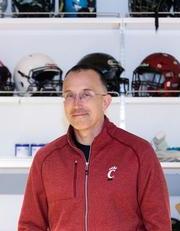
Eric Nauman is the Dane A. and Mary Louise Miller Professor of Biomedical Engineering at the University of Cincinnati and director of the Human Injury Research and Regenerative Technologies (H.I.R.R.T.) Lab. Previously, he held academic roles at Purdue University and Tulane University. He earned his Ph.D., M.S., and B.S. in Mechanical Engineering from UC Berkeley and the University of Delaware. Research Focus: The H.I.R.R.T. Lab investigates mechanisms of traumatic brain injury, spinal cord injury, musculoskeletal damage, atherosclerosis, and cancer metastasis. It develops protective and reconstructive treatments, including FDA-approved engineered tissue products for tendon repair. Collaborative projects emphasize translational research in injury prevention and treatment delivery. Grants & Awards: Lead Principal Investigator (PI) on federal grants totaling $4.7M for projects like AFRL teeming agreements and DoD biomathematical models. Recipient of prestigious awards including the Purdue Book of Great Teachers, Innovators Hall of Fame, and multiple teaching excellence recognitions. Key Contributions: Co-authored landmark TBI studies, holds 14 U.S. patents, and pioneered protective equipment innovations. His work bridges biomechanics, materials science, and clinical applications.
Ellen Arruda is the Tim Manganello/BorgWarner Department Chair and Maria Comninou Collegiate Professor of Mechanical Engineering at the University of Michigan. She holds joint appointments in Biomedical Engineering and Macromolecular Science and Engineering. Her research bridges biomechanics and materials science, focusing on soft tissue mechanics and polymer behavior. PhD (Mechanical Engineering, MIT, 1992) MS (Engineering Mechanics, Penn State, 1988) BS (Engineering Science, Penn State, 1985) Her research spans biomechanics , soft tissue engineering , and polymer mechanics , with applications to knee ligament replacement , impact-resistant materials , and brain-protective helmets . She utilizes full-field displacement mapping and computational modeling to analyze tissue and polymer responses under extreme conditions. Recent publications emphasize knee ligament characterization , nanocomposite design , and impact mitigation . Her work has attracted major funding from DARPA , NSF , and NIH , among others. National Academy of Engineering (2017) A.C. Eringen Medal (2021) Nadai Medal (2019) Distinguished Faculty Achievement Award (2014) As Principal Investigator of the Soft Tissue and Polymer Mechanics Lab , she leads a team exploring tissue engineering strategies and advanced material solutions. Her lab has developed 3D scaffold-free constructs for bone-ligament interfaces and blast-resistant composites .
Associate Professor Mathias Baumert is affiliated with the University of Adelaide, where he holds a position in the School of Electrical and Mechanical Engineering under the Faculty of Sciences, Engineering and Technology. He leads the Health Technology research theme in the School of Electrical Electronic Engineering and specializes in biomedical signal processing, focusing on dynamic electrocardiography and sleep-related phenomena. His work integrates clinical applications and technological advancements to address challenges in cardiology and sleep disorders. His research interests include the physiological underpinnings of ventricular repolarization variability and its clinical implications, particularly in post-myocardial infarction patients and those with sleep-disordered breathing. He also develops brain-computer interface (BCI) systems for stroke rehabilitation, leveraging real-time EEG analysis and motor function recovery techniques. Collaborations with clinical partners such as the Women’s and Children’s Hospital, Adelaide Institute of Sleep Health, and the Victor Chang Cardiac Research Institute highlight his translational research focus. His recent articles emphasize signal processing applications for risk stratification in cardiovascular disease, sleep apnea, and diabetes. Key themes include nocturnal hypoxemic burden prediction, REM sleep dynamics, and the development of novel diagnostic markers using ECG and EEG data. His work often bridges engineering and medicine, aiming to translate findings into clinical tools like adaptive servo-ventilation treatment optimization and personalized BCI systems. No scientific awards or fellowships are explicitly listed in the provided texts. He is eligible to supervise Masters and PhD students but current advisee names are not available. His research projects are supported by grants such as ARC DP110102049 (as noted in some articles). He teaches courses including Biomedical Instrumentation and Introduction to Medical Technology . His facilities include ECG equipment, polysomnogram repositories, and a BCI workstation with 64-channel EEG capabilities. He collaborates on lab-based and clinical partner studies to advance cardiac sensing algorithms and sleep-related diagnostic technologies.
Dr. Tanzil M. Arefin is an Assistant Professor of Neuroscience at the University of Rochester School of Medicine and Dentistry and Associate Director of the Preclinical Imaging Core at the Center for Advanced Brain Imaging and Neurophysiology (CABIN). His research focuses on developing neuroimaging techniques to study brain functions and microstructures in animal models of human disorders, including neurodegenerative and psychiatric illnesses. He holds affiliations with the Del Monte Institute for Neuroscience and the Neuroscience Ph.D. Program. **Education**: Ph.D., Neuroscience, University of Freiburg and University of Strasbourg (2017) M.Sc., Biomedical Engineering, Czech Technical University and University of Groningen (2012) B.Sc., Electrical and Electronic Engineering, Islamic University of Technology (2007) **Research Interests**: Dr. Arefin's lab employs multimodal MRI methodologies (resting-state fMRI, diffusion MRI, ASL perfusion MRI, MR spectroscopy) alongside optogenetics and chemogenetics to elucidate molecular mechanisms impairing brain plasticity. Current projects include studying cerebellar connectivity's role in non-motor behaviors and developing interventions for alcohol-dependent brains. **Awards**: Magna cum Laude, Summa Cum Laude, Erasmus Mundus Fellowships (both Doctoral and Masters). **Grants & Advising**: Not explicitly listed in texts, but lab activities suggest involvement in NIH-funded projects. Advising details are pending explicit student listings. **Lab & Affiliations**: Arefin Lab focuses on translational imaging tools. Affiliated with UR CABIN and URMC's Neuroscience programs. Location: 430 Elmwood Ave, Rochester, NY.
Christine Tardif is an Assistant Professor in the Department of Biomedical Engineering and the Department of Neurology and Neurosurgery at McGill University. As head of the McConnell Brain Imaging Centre lab at the Montreal Neurological Institute, she develops advanced MRI techniques for in-vivo brain imaging, focusing on quantitative mapping of myelin and cortical microstructure. Her work spans methodological innovation (e.g., multi-modal biophysical modeling) and translational applications across preclinical (7 Tesla) and clinical (3 and 7 Tesla) systems. Undergraduate: B.Eng. in Computer Engineering, McGill University (2004) Master's: M.Sc. in Bioengineering, Imperial College London (2006) PhD: Biomedical Engineering, McGill University (2011) Her research explores myelin dynamics in health and disease, emphasizing its role in neural conduction, brain plasticity, and cognitive functions. The lab investigates dysmyelination in psychiatric disorders (e.g., bipolar disorder) and neurodegenerative conditions (e.g., multiple sclerosis) using relaxometry , magnetization transfer , and diffusion-weighted imaging . Recent methodological work includes 3D MERMAID sequences for motion-insensitive diffusion imaging and optimization of magnetization transfer saturation maps. Current projects integrate ultra-high field MRI with histological validation in preclinical models (e.g., marmoset brain sections), aiming to bridge microstructural metrics with macro-scale brain function. Applications span Alzheimer's disease risk assessment via white matter alterations, synaptic density mapping in psychosis, and cortical laminar differentiation studies.