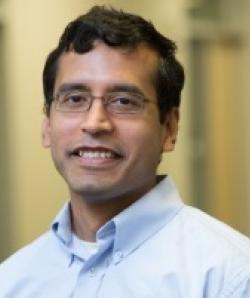
Satya S. Sahoo, PhD, is a Professor in the Department of Population & Quantitative Health Sciences at Case Western Reserve University's School of Medicine. He also holds Associate Professor roles in Neurology, Computer and Systems Engineering, and Electrical Engineering across multiple schools. His research focuses on AI-driven analysis of biomedical data, ontology engineering, and reproducibility frameworks like ProvCaRe. He leads the Biomedical & Health Informatics PhD Program and is affiliated with the Cleveland Institute for Computational Biology. Education: PhD in Computer Science and Engineering from Wright State University (2010) Key Research: Integrates knowledge representation and machine learning for brain network dynamics, EHR analysis, and semantic provenance. Major Awards: AMIA Fellow (2020) IEEE Senior Member (2020) Best Paper Awards (IMIA 2015, AMIA 2017) Advising: Mentored 14 Master’s, 11 PhD students, and 1 postdoc. Notable alumni include faculty at University of Texas Health Sciences Center and industry roles at Johnson & Johnson.
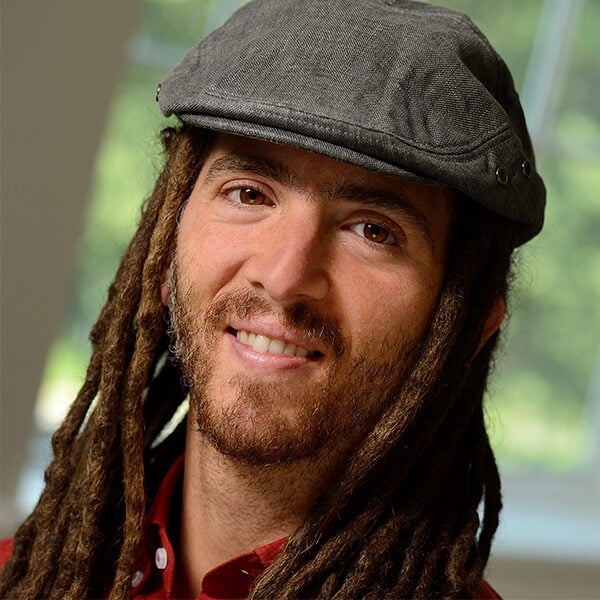
Ole Andreas Andreassen is a Professor of Psychiatry and Director of the Centre for Precision Psychiatry at the University of Oslo. He holds a joint appointment as an Attending Psychiatrist (20%) at Oslo University Hospital. His academic career includes leadership roles such as Director of the Centre of Excellence NORMENT (2013–2023) and the KG Jebsen Centre for Psychosis Research (2012–2018). He completed his MD (1993) and PhD (1996) at the University of Bergen, followed by postdoctoral training at Harvard Medical School and Massachusetts General Hospital. Education: MD (1993, University of Bergen), PhD (1996, University of Bergen) Postdoc: Harvard Medical School (1998–2000) Specialist in Psychiatry: Oslo University Hospital (2006) His research focuses on mental and neuropsychiatric disorders, emphasizing genetics, brain imaging, and precision medicine. Key areas include the interplay of genetic and environmental factors in schizophrenia, bipolar disorder, and Alzheimer’s disease. He has pioneered studies on predictive tools and clinical interventions, with a strong emphasis on genomic and neuroimaging biomarkers. His publications span over 10 years, addressing topics like cortical abnormalities in bipolar disorder, genetic overlap between psychiatric conditions, and cannabis use impacts. These works highlight interdisciplinary approaches, blending genetics, neuroimaging, and clinical data. Awards: Brain Council Award (2024), Fridtjof Nansen Award (2023), University of Oslo Research Prize (2020) Leadership: Co-Director of the KG Jebsen Centre for Neurodevelopmental Disorders, ENIGMA Bipolar Working Group Chair, and member of the Psychiatric Genomics Consortium. Andreassen has supervised 42 PhD students and co-supervised numerous postdoctoral researchers. His grants and collaborations span EU-funded initiatives (e.g., CoMorMent, RealMent) and global networks like the Precision Psychiatry consortium. Labs and teams include the Centre for Precision Psychiatry and the Scandinavian Collaboration for Psychiatric Etiology (SCOPE), focusing on translational research and multimodal data integration.
Dr. Jia Wu is an Associate Professor and Research Director of the Centre for Applied Artificial Intelligence at Macquarie University. He holds a PhD in Computer Science from the University of Technology Sydney (2009) and is an IEEE Senior Member. His research focuses on artificial intelligence, data mining, graph neural networks, and anomaly detection, with over 200 publications in top-tier journals/conferences like IEEE TPAMI, TKDE, and conferences like KDD, IJCAI, and NeurIPS. He has received awards including the Heidelberg Laureate Forum Fellowship (2019) and multiple best paper awards. Education: PhD in Computer Science (UTS, 2009). Current roles include Director of HDR (Higher Degree Research) and Associate Editor for IEEE TNNLS and ACM TKDD. He leads projects in AI-driven cybersecurity, personalized banking solutions, and disaster response systems. Research interests emphasize graph-based learning, fake news detection, and deep learning applications. His recent work explores hypergraph neural networks for fraud detection and brain graph analysis for neurological disorders. He has pioneered scalable semi-supervised clustering techniques and transformer-based hypergraph models for anomaly detection. Awards include CIKM'22 Best Paper Runner-Up, ICDM'21 Best Student Paper, and the 2023 Faculty of Science and Engineering Collaboration Award. His work spans 13 active research projects, including mitigating AI deepfakes in identity systems and enhancing disaster response networks through graph-based simulations. Labs/Teams: Leads teams in the Data Horizons Research Centre, Future Communications Research Centre, and Hearing Research Centre. Collaborates internationally in AI, data mining, and social network analysis.
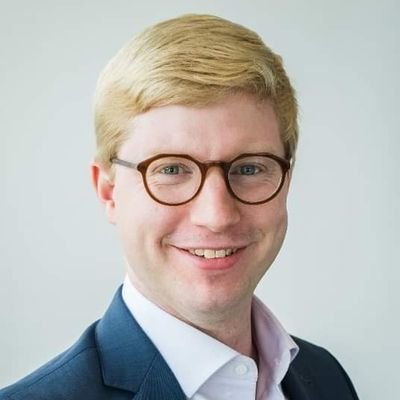
Dr. Joshua T. Vogelstein is an Associate Professor in the Department of Biomedical Engineering at Johns Hopkins University, holding joint appointments in Biostatistics, Applied Mathematics & Statistics, Neuroscience, and Computer Science. He leads the NeuroData lab, focusing on big data science, machine learning, and connectomics. Education: PhD and MSE in Neuroscience and Applied Mathematics from Johns Hopkins (2009), BS in Biomedical Engineering from Washington University (2002). Notable achievements include co-founding the Open Connectome Project (acquired by APL) and Gigantum (acquired by NVIDIA). Recognized with the NSF CAREER Award (2020), F1000 Prime (2014), and multiple Johns Hopkins Discovery Awards. Research emphasizes statistical connectomics, network science, and applying AI to biomedical challenges. Key contributions include mapping the first insect brain connectome (Science 2023) and developing open-source tools like CloudReg and BrainLine. Collaborates with Microsoft Research and industry partners, co-founding ventures like Global Domain Partners and Mind-X. Advised over 60 trainees, teaches machine learning and data science. Promotes open science through NeuroData's ecosystem of tools and data. Current work explores organoid intelligence, prospective learning, and neural network dynamics.
Jiaxiang Zhang is Professor of Artificial Intelligence in the Department of Computer Science at Swansea University's Faculty of Science and Engineering. He holds a PhD in Computational Neuroscience from the University of Bristol and previously held positions at the University of Birmingham, MRC Cognition and Brain Sciences Unit (Cambridge), and Cardiff University where he founded the Cognition and Computational Brain Lab. Zhang's research integrates computational modeling, machine learning, brain imaging (MEG/EEG/fMRI), and experimental approaches to study human cognition, aging, and neurological disorders. Key focus areas include: Neural mechanisms of decision-making and problem-solving Computational models of cognitive processes AI applications in healthcare diagnostics and neuroimaging Brain network dynamics in neurological conditions Recent publications emphasize deep learning models for neural data, multimodal brain connectivity, decision-making impairments in Parkinson's disease, and neuroinformatics tools. His work shows strong clinical translation through epilepsy biomarker development and emergency department outcome prediction. Zhang has led research grants from ERC, MRC, BBSRC, and Wellcome Trust. As primary investigator for multiple projects, he oversees significant computational neuroscience initiatives. He is available for postgraduate supervision.
Rebecca Waller is an Associate Professor in the Department of Psychology at the University of Pennsylvania. Her work focuses on socioemotional development, child psychopathology, and personality development, particularly examining how environmental contexts interact with genetic risks to influence antisocial behavior and related traits like callous-unemotional behaviors. She uses advanced methodologies including fMRI, DTI, and twin/adoption designs. Her research aims to inform prevention and intervention strategies for antisocial behavior. Education: BA in Experimental Psychology, University of Oxford MSc in Evidence-Based Social Intervention, University of Oxford PhD (DPhil) in Social Intervention, University of Oxford Research Interests: Developmental origins of antisocial behavior Callous-unemotional traits and empathy Genetic and environmental interactions in psychopathology Brain structure/function correlates of behavior Resilience in high-risk families Lab: Director of the EDEN Lab, which employs multi-method approaches to study social, emotional, and behavioral development. Current projects include a lifespan approach to mental health and interventions targeting disruptive childhood behaviors. Advising: Supervises graduate students focused on computational linguistics/AI in psychiatry, EEG, and physiological systems related to externalizing psychopathology.
Luis Emilio Bruni is an Associate Professor at Aalborg University’s Department of Architecture, Design and Media Technology, within The Technical Faculty of IT and Design. He leads the Media Cognition and Interactive Systems (MeCIS) research group and coordinates the Master of Science in Medialogy. Bruni is also the founder and director of the Augmented Cognition Lab, focusing on perception, cognition, and immersive technologies. His academic roles include PI on multiple interdisciplinary projects and board memberships in international associations like the Nordic Association for Semiotic Studies (2011–2017) and the International Society for Biosemiotic Studies (founding member, 2005). Academically, Bruni holds a Ph.D. in Molecular Biology and Theory of Science (University of Copenhagen), M.Sc. in International and Global Relations (Universidad Central de Venezuela), and B.Sc. in Environmental Engineering (Pennsylvania State University). His research spans narrative cognition, extended reality, biosemiotics, and the interplay between technology, cognition, and culture. He has conducted projects on neurocinematic analysis, interactive storytelling, and the psychological impact of digital media. Key research contributions include studies on EEG responses to branded advertising, functional connectivity in psychiatric disorders, and the role of narrative in immersive technologies. Bruni’s work bridges cognitive science, computer science, and semiotics, with applications in healthcare (e.g., pediatric counseling tools) and cultural engagement (e.g., citizen curation systems). Over 80+ publications and active participation in conferences and media discussions highlight his interdisciplinary impact.
Antonio Verdejo-Garcia is a Professor (Research) in the School of Psychological Sciences and the Turner Institute for Brain and Mental Health at Monash University. He holds an NHMRC Leadership Fellowship and serves as Co-Chair of the Neuroscience Interest Group at the International Society of Addiction Medicine. He has an Adjunct Honorary Appointment at Turning Point (Eastern Health). His academic journey includes a PhD from the University of Granada (2006) and postdoctoral training at Johns Hopkins University, University of Cambridge, and Institut Hospital del Mar d'Investigacions Mediques. Before joining Monash in 2012, he held roles as Lecturer, Senior Lecturer, and Associate Professor at the University of Granada. Research interests center on cognitive and neural mechanisms of executive control, decision-making, and their implications for addiction, compulsive eating, and obesity. He has authored over 290 peer-reviewed articles, edited a book on Cognition & Addiction, and secured continuous national/international research funding. His work has garnered over 17,000 citations. He serves on editorial boards for journals like Addiction , PLoS One , and Current Addiction Reports . Key projects include the AAT-APP Trial for alcohol use disorder, decoding drivers of food choices for obesity management, and neurocircuitry studies in addiction. Recent articles (2023–2025) focus on impulsivity, telehealth interventions for eating disorders, and neuropharmacological comparisons between MDMA and methamphetamine users. Scientific achievements include NHMRC Leadership Fellowship and contributions to clinical translation of cognitive rehabilitation. He advises on grants and mentors students in addiction neuroscience. Current projects involve psilocybin treatment for anorexia nervosa and cortical control of feeding circuits.
Tyler Perrachione is an Associate Professor at the Department of Speech, Language & Hearing Sciences within Sargent College at Boston University. He holds affiliations with the Department of Biomedical Engineering. His research focuses on developmental disorders of language and reading, human voice recognition, and the neural mechanisms underlying auditory perception and plasticity. He leads the Communication Neuroscience Research Laboratory, exploring speech processing efficiency, talker adaptation, and atypical neurodevelopment in conditions like autism and dyslexia. Education: Ph.D. in Neuroscience (MIT), M.A. and B.A. in Linguistics and Cognitive Science (Northwestern University). His work bridges cognitive neuroscience, audiology, and clinical linguistics, with a strong emphasis on neuroimaging and behavioral experimental methods. Key interests include how listeners adapt to vocal identity, the role of auditory cortex plasticity in speech processing, and the neural correlates of phonological deficits in reading disabilities. Research highlights include studies on cerebro-cerebellar connectivity in autism, the impact of musical training on auditory coding, and the efficacy of noninvasive neurostimulation in speech motor learning. His interdisciplinary approach addresses both fundamental science and clinical applications, such as improving language interventions for neurodevelopmental disorders.
Kartik Sreenivasan is Associate Professor of Psychology and Associate Program Head for Undergraduate Studies in Psychology at New York University Abu Dhabi (NYUAD), with an affiliation in Biology. He is also a Global Network Associate Professor of Psychology, reflecting his role across NYU’s global campuses. His research is centered on the neurobiological basis of working memory and goal-directed cognition. His educational background includes a BA in Psychology from Yale University and a PhD in Neuroscience from the University of Pennsylvania under Dr. Amishi Jha. He completed postdoctoral training at UC Berkeley with Dr. Mark D’Esposito and joined NYUAD in 2014. Sreenivasan’s research focuses on how the brain maintains and manipulates information in working memory. Key interests include dynamic neural coding, feature binding, effective connectivity, and the transformation of memory into action. His lab employs fMRI, MEG, EEG, TMS, and behavioral paradigms to study both healthy and clinical populations. The most recent publications highlight trends in distributed neural systems, phase-coding mechanisms in working memory, and the role of subcortical structures. His work increasingly emphasizes network-level interactions, oscillatory dynamics, and the flexibility of memory representations under interference and attentional demands. Sreenivasan has received no explicitly mentioned scientific awards in the provided text. He actively mentors PhD students (Ying Zhou, Shanshan Li, Hannah Chu) and supervises undergraduate capstone projects. His lab has been supported by institutional funding, though specific grants are not listed. He teaches core courses such as Biopsychology, Cognitive Neuroscience, and Capstone Research in Psychology and Biology. The Sreenivasan Lab at NYUAD is a vibrant research group focused on understanding the neural underpinnings of cognition. It includes postdocs, research assistants, PhD students, and undergraduates, and has produced numerous publications in high-impact journals. The lab investigates topics such as working memory organization, neural connectivity, and the interplay between perception and memory.
Lee Ryan is a Professor at the University of Arizona, serving as Director of the Cognition and Neuroimaging Laboratory and the Brain Imaging Center. She is also affiliated with the Evelyn F. McKnight Brain Institute and the Clinical Cognition & Neural Systems program. Ph.D. in Cognitive and Clinical Psychology, University of British Columbia (1992) Her research focuses on the neurological basis of memory and memory disorders, aging and memory, risk for Alzheimer’s disease, and functional magnetic resonance imaging. She actively investigates how life stress impacts aging, explores individualized approaches to healthy aging, and combines behavioral experiments with MRI to study age-related cognitive changes. Recent publications highlight her work on memory reconsolidation, white matter integrity in aging populations, and genetic factors influencing cognitive decline. Her studies often integrate neuroimaging techniques with psychological and physiological assessments. Lee Ryan teaches graduate courses in neuroanatomy and cognitive neuroscience, including PSY 502 (2024) and PSY 528 (2016). Her laboratory recruits participants for studies on aging, stress, and brain health, offering community engagement opportunities and compensation for participants.
Stephen J. Morse is the Ferdinand Wakeman Hubbell Professor of Law at the University of Pennsylvania Law School and Professor of Psychology and Law in Psychiatry at the Perelman School of Medicine. He is also Associate Director of the Center for Neuroscience & Society and a leading scholar in the interdisciplinary fields of law, neuroscience, and mental health. His work critically examines individual responsibility, criminal culpability, and the legal implications of neuroscience. His research focuses on the philosophical, legal, and psychological foundations of criminal responsibility, particularly in the context of mental disorders, addiction, and brain science. Morse advocates for a cautious, evidence-based approach to integrating neuroscience into legal doctrine, warning against 'neurohype' and premature conclusions about free will and determinism. He has extensively published on topics such as the insanity defense, juvenile justice, and the use of neuroimaging in court. His recent publications reflect a consistent trend toward analyzing the ethical, legal, and scientific challenges of applying neuroscience to criminal law. Articles like 'Neuroprediction' and 'Brain Imaging in the Courtroom' emphasize the need for legal relevance and scientific rigor. His work often bridges law, philosophy, psychology, and neuroscience, advocating for interdisciplinary dialogue grounded in empirical reality. Notable scientific awards and honors include: Diplomate in Forensic Psychology, American Board of Professional Psychology Isaac Ray Award, American Psychiatric Association Distinguished Contribution Award, American Academy of Forensic Psychology Elizabeth Hurlock Beckman Award Member, MacArthur Foundation Research Network on Mental Health and Law Trustee, Bazelon Center for Mental Health Law Morse has advised and participated in major research initiatives, including the MacArthur Foundation Law and Neuroscience Project. He has not been mentioned as having formal advisees in the provided texts, but his influence is evident through co-edited volumes and collaborative research. He is currently working on a book titled Desert and Disease: Responsibility and Social Control . His work continues to shape debates on law, ethics, and the brain.
Professor Sungheon Gene Kim holds a faculty position at the Weill Cornell Medicine Graduate School of Medical Sciences within the Department of Radiology . His research focuses on quantitative MRI methodology for oncological applications , particularly in breast cancer and head and neck cancer . Kim's lab develops advanced dynamic contrast-enhanced MRI (DCE-MRI) and diffusion MRI (dMRI) techniques to assess tumor microenvironment and treatment response . Key research areas include: Tumor vascular properties via 3D UTE-GRASP MRI Cellular microstructural analysis through POMACE framework Adipose-tissue cancer interaction via MR spectroscopic imaging His lab has received continuous funding from the National Cancer Institute (R01CA219964, UG3/UH3CA228699, R01CA160620). Recent publications demonstrate technical advancements in ultrafast MRI reconstruction , deep learning-enhanced perfusion analysis , and multi-parametric tumor characterization . Collaborations with the National Institutes of Health Quantitative Imaging Network have produced novel cellular water exchange rate measurements that correlate with patient survival outcomes .
Andre Marquand is an active researcher in neuroscience, psychiatric disorders, and neuroimaging, with a strong focus on machine learning applications for clinical data analysis. His work spans autism, major depressive disorder, schizophrenia, and neurodegenerative diseases like Alzheimer’s. Research Interests: Neuroscience, neuroimaging, normative modeling, autism, psychosis, computational psychiatry, and brain network analysis. Projects: Co-Investigator in 11 finished projects, including biomarker development for ADHD, psychosis recovery, and Alzheimer’s disease. Recent Publications highlight trends in leveraging multimodal neuroimaging, extreme value statistics, and digital phenotyping to dissect heterogeneity in psychiatric and neurological conditions. His studies often employ normative modeling to personalize brain disorder trajectories. Collaborations: Long-term partnerships with institutions like King’s College London and MRC units, alongside experts in psychiatry and neuroimaging. Supervised Work: Mentored 3 projects, though student names are not explicitly listed.
Vaishnav Krishnan, M.D., Ph.D., is an Associate Professor at Baylor College of Medicine with joint appointments in the Department of Neurology, Neuroscience, and Psychiatry and Behavioral Sciences . He also holds an Adjunct Associate Professor position in Electrical and Computer Engineering at Rice University. As a physician-scientist, he leads the Laboratory of Epilepsy and Emotional Behavior , focusing on the neurobiological mechanisms linking epilepsy to psychiatric comorbidities. Education: BS in Neuroscience and Chemistry, New York University (2003) MD-PhD in Behavioral Neuroscience and Molecular Neuroplasticity, UT Southwestern Medical Scientist Training Program (2010) Internship and Residency in Internal Medicine and Adult Neurology, Parkland Memorial Hospital (2011) and Beth Israel Deaconess Medical Center (2014) Postdoctoral Fellowship in Seizures and Autism-Related Behavior, Beth Israel Deaconess Medical Center (2016) His research employs genetically valid mouse models and home-cage behavioral monitoring to study interictal behavioral derangements, using EEG and wearable devices to translate findings to humans. His work has been supported by grants from NINDS , the American Epilepsy Society , Gulf Coast Center for Precision Health , and the Mike Hogg Fund . He has received awards such as the NINDS K08 Career Development Award and American Epilepsy Society Fellow . The Krishnan Lab has published extensively on epilepsy spectrum disorders , circadian and ultradian rhythms , and seizure prediction algorithms , with recent studies in Journal of Comparative Neurology , Brain Communications , and Epilepsia . He collaborates with epilepsy-focused labs, including those of Dr. Jeffrey Noebels and Dr. Berge Minassian. Scientific Awards and Recognitions: Outstanding Resident Teaching Award (Harvard Medical School, 2013) NINDS R25 Award (2014-2015) Clinical Research Training Fellowship in Epilepsy (American Academy of Neurology, 2016-2018) Mentored Clinical Scientist Research Career Development Award K08 (NINDS, 2019-2024) Junior Investigator Award (American Epilepsy Society, 2020-2021) Mike Hogg Fund Award (2021-2022) Gulf Coast Center for Precision Health Pilot Award (2022-2023) Fellow of the American Epilepsy Society (2022) Lab Members and Trainees: The lab includes current researchers like Medical Students Vanuli Arya and Anna Norman , Research Technician Saifina Karedia , and Postdoctoral Associate Arindam Mazumder . Former trainees include Paarth Kapadia (MD, BCM 2023) and Anney Tuo (Rice B.S., now in medical school), among others pursuing careers in medicine, research, and engineering.