معرفی
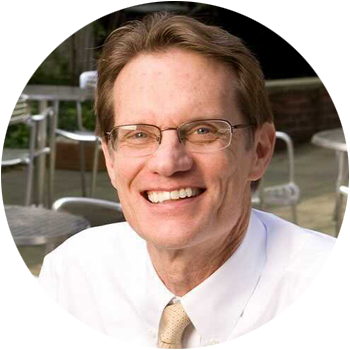
Stephen J. Morse is the Ferdinand Wakeman Hubbell Professor of Law at the University of Pennsylvania Law School and Professor of Psychology and Law in Psychiatry at the Perelman School of Medicine. He is also Associate Director of the Center for Neuroscience & Society and a leading scholar in the interdisciplinary fields of law, neuroscience, and mental health. His work critically examines individual responsibility, criminal culpability, and the legal implications of neuroscience.
His research focuses on the philosophical, legal, and psychological foundations of criminal responsibility, particularly in the context of mental disorders, addiction, and brain science. Morse advocates for a cautious, evidence-based approach to integrating neuroscience into legal doctrine, warning against 'neurohype' and premature conclusions about free will and determinism. He has extensively published on topics such as the insanity defense, juvenile justice, and the use of neuroimaging in court.
His recent publications reflect a consistent trend toward analyzing the ethical, legal, and scientific challenges of applying neuroscience to criminal law. Articles like 'Neuroprediction' and 'Brain Imaging in the Courtroom' emphasize the need for legal relevance and scientific rigor. His work often bridges law, philosophy, psychology, and neuroscience, advocating for interdisciplinary dialogue grounded in empirical reality.
Notable scientific awards and honors include:
- Diplomate in Forensic Psychology, American Board of Professional Psychology
- Isaac Ray Award, American Psychiatric Association
- Distinguished Contribution Award, American Academy of Forensic Psychology
- Elizabeth Hurlock Beckman Award
- Member, MacArthur Foundation Research Network on Mental Health and Law
- Trustee, Bazelon Center for Mental Health Law
Morse has advised and participated in major research initiatives, including the MacArthur Foundation Law and Neuroscience Project. He has not been mentioned as having formal advisees in the provided texts, but his influence is evident through co-edited volumes and collaborative research. He is currently working on a book titled Desert and Disease: Responsibility and Social Control. His work continues to shape debates on law, ethics, and the brain.