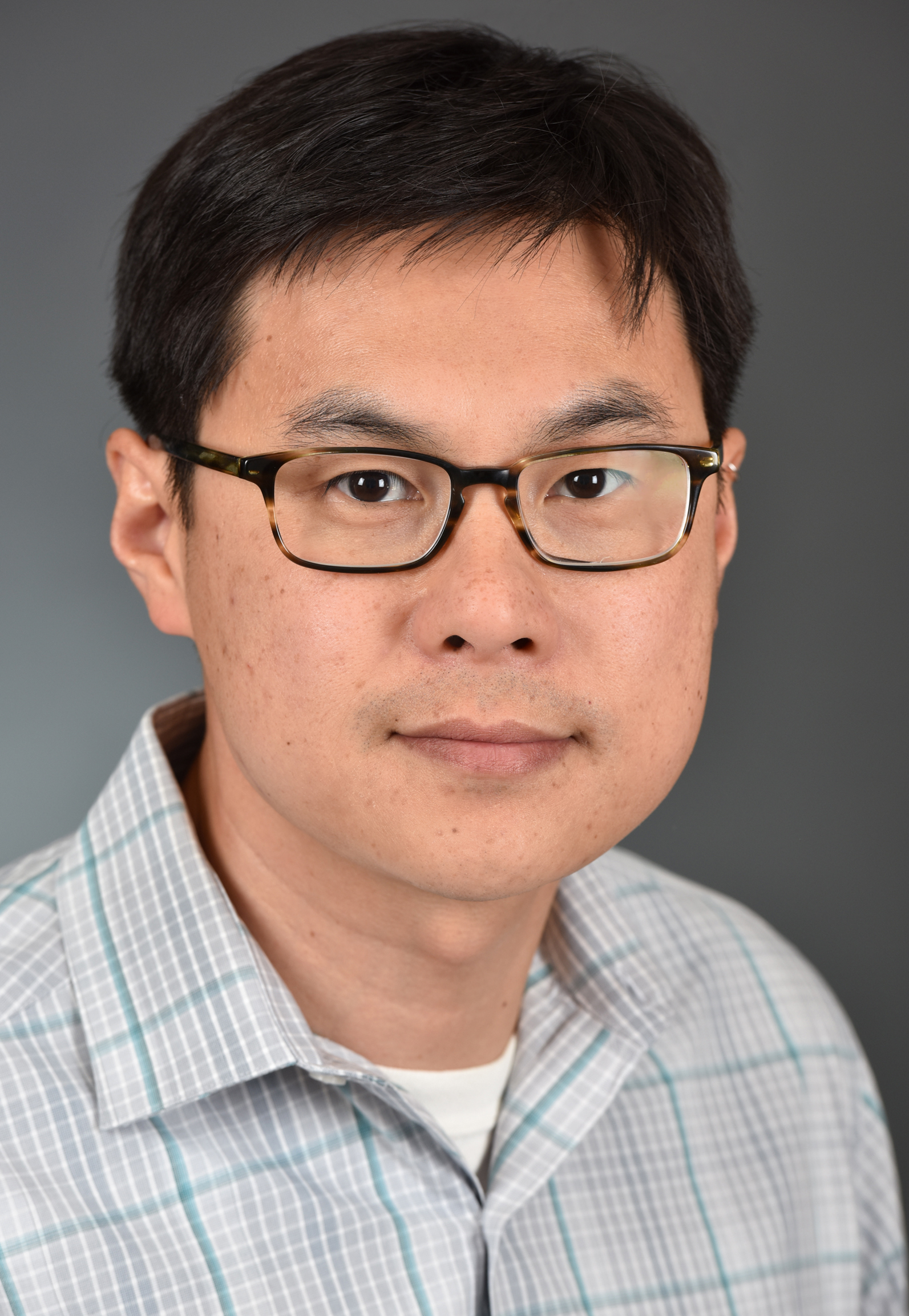
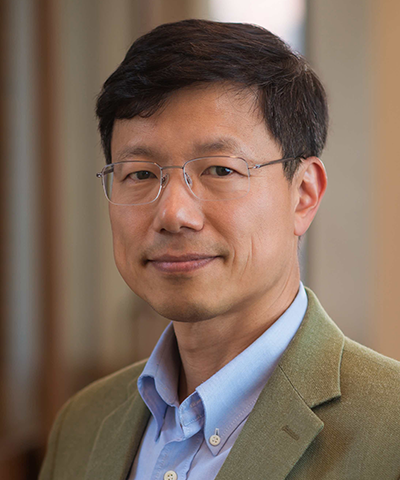
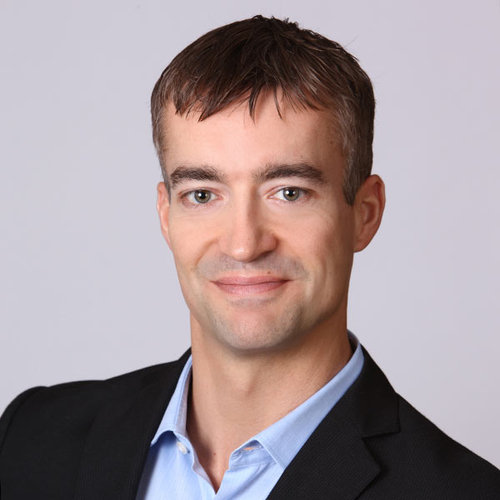
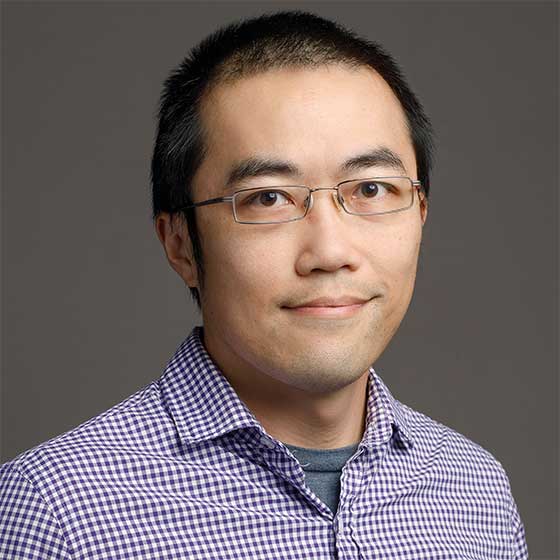
Wei-Chung Allen Lee, PhD, is an Associate Professor of Neurology and Neurobiology at Harvard Medical School. His research focuses on understanding how neural circuits enable behavior through functional connectomics, combining advanced imaging, machine learning, and computational modeling. The Lee Lab develops tools like X-ray holographic nanotomography and GridTape for high-resolution neural structure analysis. Key interests include circuit principles in Drosophila, cerebellar interneurons, and synaptic wiring in decision-making regions. His work explores structural-functional relationships in networks, conservation across species, and developmental constraints on neural architecture. Recent studies highlight connectomic reconstructions in Drosophila, cerebellar disinhibition mechanisms, and blood-brain barrier heterogeneity. Methodological innovations in microscopy and image restoration underscore his lab’s interdisciplinary approach. The Lee Lab is located at 220 Longwood Avenue, Boston, MA, and collaborates on large-scale neuroimaging pipelines like the Open Connectome Project.
Professor Mary Collins is a Professor of Pharmaceutical Neuroscience at the University of Sydney , affiliated with the Sydney School of Medical Sciences . She serves as Interim Associate Dean, Research and Head of School . Member of the Centre for Drug Discovery Innovation Member of the Brain and Mind Centre Research Interests GABA Receptors : Focus on subtype-selective modulators, binding site identification, and roles in anxiety, sleep disorders, and epilepsy. Nicotinic Acetylcholine Receptors : Structure-function studies using site-directed mutagenesis and reactive probes to understand ligand binding. Drug Discovery : SAR studies for selective agents targeting Cys-loop receptors, including flavonoids and cannabinoids. Scientific Contributions Her 15 most recent articles (2020-2024) span epilepsy genetics , receptor stoichiometry , neuroprotective flavonoids , and cannabinoid interactions . Key themes include precision medicine for receptor variants and neurotransmitter modulation in disorders. ASCEPT Young Investigator Award RACI Biota Award Fellow of RACI (2006) Supervision Award (University of Sydney, 2008) Advising Current students: Jacinda HOLTSMARK (epilepsy neurophysiology), Sze Hon KAN (genetic epilepsies), Fiona WANG (neurological mechanisms).
Lon S. Schneider, MD, MS is Professor of Psychiatry & the Behavioral Sciences at the Keck School of Medicine of the University of Southern California, where he holds the Della Martin Chair in Psychiatry and Neuroscience. He directs the USC California Alzheimer's Disease Center (funded by the California Department of Health Services), the Geriatric Studies Center, and co-directs the clinical core of the USC NIA Alzheimer's Disease Research Center. Dr. Schneider's research focuses on treatment development with novel metabolic and neuroregenerative compounds, outcomes assessment, and approaches to modeling, clinical trials methods and simulations, and in silico screening of medications for slowing Alzheimer's disease. His work spans Alzheimer's disease therapeutics, clinical trial methodology, neuropsychopharmacology, dementia prevention, and neurodegenerative biomarkers. His recent publications demonstrate expertise in amyloid and tau biomarkers, clinical trial design, agitation management in dementia, and cross-cultural studies of cognitive decline. Dr. Schneider serves as an associate editor or editorial board member for several publications and is a member of The Lancet Commission on dementia prevention, intervention, and care. His research has significantly influenced clinical practice and trial design in Alzheimer's disease. Woodward/White, Inc.: The Best Doctors in America, 1992-2009 Fellow of the American College of Neuropsychopharmacology Distinguished Life Fellow of the American Psychiatric Association Dr. Schneider has mentored numerous researchers and clinicians in the field of geriatric psychiatry and Alzheimer's disease research. His work on the CitAD trial examining citalopram for agitation in Alzheimer's dementia represents one of the largest studies of its kind. He has contributed significantly to understanding the relationship between neuropsychiatric symptoms and functional decline in dementia, as well as developing novel measures for Alzheimer's disease prevention trials. His laboratory and clinical research programs focus on identifying biomarkers of disease progression, developing novel therapeutic approaches for Alzheimer's disease, and improving clinical trial methodology for neurodegenerative disorders. Dr. Schneider collaborates extensively with researchers across USC and internationally on multi-center clinical trials and observational studies of dementia.
Peter Park is a Professor of Biomedical Informatics at Harvard Medical School and Director of its Bioinformatics and Integrative Genomics (BIG) PhD program. His research focuses on computational analysis of genomic data, particularly in cancer genomics, somatic mosaicism, and epigenetic mechanisms. He leads major projects like the Somatic Mosaicism across Human Tissues (SMaHT) network and contributes to consortia such as The Cancer Genome Atlas (TCGA) and ENCODE. His work integrates advanced computational methods with clinical applications, aiming to advance precision medicine and understand genetic drivers of disease. Education: B.A. in Applied Mathematics, Harvard University Ph.D. in Applied Mathematics, California Institute of Technology Postdoctoral studies in biostatistics, focusing on molecular biology and genetics Research Interests: His lab develops algorithms for genomic data analysis, including methods for detecting copy number variations, mutational signatures, and structural variations. Key areas include cancer genomics, somatic mosaicism in neurodegenerative diseases, and 4D nucleome structure-function relationships. He emphasizes translational research, applying computational tools to clinical problems like tumor evolution and drug response prediction. Funding & Grants: NIH grants (e.g., R01HG012573, R01CA269805) Funding from Mark Foundation, Simons Foundation, and Chan Zuckerberg Initiative Principal Investigator for multiple collaborative projects Labs & Teams: The Park Lab collaborates with interdisciplinary teams in computational biology, oncology, and neuroscience. Current projects include developing tools for single-cell DNA sequencing analysis and exploring mutational signatures in cancer and neurodegenerative disorders.
Ingo Greger is a Researcher at the MRC Laboratory of Molecular Biology, focusing on AMPA-type glutamate receptors central to excitatory neurotransmission and synaptic plasticity. His work integrates structural biology, electrophysiology, and computational simulations to elucidate receptor biogenesis and function. Research highlights include Structural studies (X-ray crystallography, cryo-EM) of AMPA receptor tetramers and hetero-octamers Investigations into allosteric modulation by interacting proteins and TARPs Mechanistic insights into receptor anchoring, gating, and synaptic targeting Recent publications (2012-2023) demonstrate expertise in combining structural analysis with functional electrophysiology to understand receptor dynamics in synaptic transmission. The group employs advanced techniques like super-resolution microscopy and brain slice recordings to study receptor roles in cognitive processes. Current team members include Ondrej Cais, Kieron Cartwright, and other researchers collaborating on molecular neuroscience projects.
Dr. Daniel Alencar Rodrigues is a Lecturer at the Royal College of Surgeons in Ireland (RCSI) in the School of Pharmacy and Biomolecular Sciences. He holds a PhD in Chemistry from the Federal University of Rio de Janeiro and has held academic positions including Assistant Professor (2017–2018) and Postdoctoral Researcher (2020–2023). His research focuses on medicinal chemistry, organic synthesis, and cancer therapeutics, particularly targeting histone deacetylases (HDACs), phosphatidylinositol-3-kinase (PI3K), and the development of Proteolysis Targeting Chimeras (PROTACs). Education: PhD in Chemistry, Federal University of Rio de Janeiro (2015–2019) MSc in Chemistry, Federal University of Rio de Janeiro (2013–2015) Bachelor in Pharmacy, Federal University of Goiás (2008–2012) Postgraduate Diploma in Health Professions Education, RCSI (2023–2024) His research interests include: Design and synthesis of multi-target drugs and PROTACs for cancer therapy HDAC6 inhibition in breast and brain cancers Computational chemistry for drug design (molecular docking, virtual screening) Development of novel anticancer agents targeting metabolic vulnerabilities Dr. Rodrigues has received the Government of Ireland Postdoctoral Fellowship and has a robust publication record with over 20 peer-reviewed articles. His lab employs a multidisciplinary approach combining organic synthesis, computational modeling, and biological evaluation. Teaching responsibilities include lecturing in the Master of Pharmacy (MPharm) and BSc in Advanced Therapeutic Technologies programs, with a focus on musculoskeletal and haematological health modules. He emphasizes constructive alignment in teaching practices.
Professor Marcel Dinger is a prominent academic and researcher currently serving as Professor and Head of School for Biotechnology and Biomolecular Sciences at UNSW Sydney. With over 20 years of experience in genomics, he has established himself as a leading figure in both academic and entrepreneurial spheres within the field. He has published 153 papers with over 24,000 citations and maintains an h-index of 61 on Google Scholar. His leadership extends beyond academia as he serves as President of the Australasian Genomics Technologies Association (AGTA) and holds director positions at Pryzm Health and the National Centre for Indigenous Genomics (NCIG). Professor Dinger's research laboratory focuses on establishing new links between phenotype and genotype, particularly examining rare and complex diseases in relation to underexplored regions of the genome including pseudogenes, repetitive elements, non-canonical DNA structures, and noncoding RNAs. His work harnesses population-scale genomic datasets and sophisticated data science methods to bring an objective perspective to understanding how the genome stores information and how it is transacted in biology. His research interests span genomics, non-coding RNA biology, clinical applications of genomic medicine, and the development of computational approaches for analyzing complex genomic data. Analysis of Professor Dinger's recent publications reveals a strong emphasis on non-coding RNA research, particularly long noncoding RNAs and their roles in disease mechanisms. His work spans cancer genomics, neurological disorders, and fundamental genomic mechanisms including DNA secondary structures like i-motifs and G-quadruplexes. His research combines experimental approaches with advanced bioinformatics to address fundamental questions in genomic medicine and has significant translational implications for disease diagnosis and treatment. Highly Cited Researcher in Cross-Field category (2019, 2020, 2021) Fellow of the Faculty of Science (Research), Royal Society of Pathologists of Australasia (2016) NHMRC Career Development Award (2010) Queensland Government Smart Futures Fellowship (2009) Foundation of Research, Science and Technology New Zealand Postdoctoral Fellowship (2005) Professor Dinger has been instrumental in establishing and leading several significant research initiatives including Genome.One, one of the first companies globally to provide clinical whole genome sequencing services, and the Kinghorn Centre for Clinical Genomics at the Garvan Institute of Medical Research. His entrepreneurial experience includes founding four biotechnology and IT startups. He serves on multiple governance boards including the National Centre for Indigenous Genomics, focusing on using genomics to improve health outcomes for Australia's First Peoples. His laboratory at UNSW continues to advance our understanding of genomic regulation and its implications for human health and disease.
Giovanna Di Nardo is an Associate Professor at the University of Turin , affiliated with the Department of Life Sciences and Systems Biology . Her research focuses on the structure-function relationship of human aromatase , its role in brain function, and estrogen-dependent tumors. Key research areas include: Drug metabolism Post-translational enzyme regulation Electrochemical and spectroscopic methods X-ray crystallography Biocatalyst engineering Endocrine disruptor screening Recent publications highlight innovations in: P450-based drug discovery platforms Phosphomimetic protein studies Monkey/dog cytochrome P450 comparisons Pesticide endocrine disruption Genomic analysis of plant sterility She contributes to teaching in Biochemistry and participates in academic governance bodies.
Greg Scherrer, PhD is an Associate Professor at the University of North Carolina at Chapel Hill , holding appointments in the Cell Biology & Physiology and Pharmacology departments. As a member of the UNC Neuroscience Center , his research focuses on the neurobiological mechanisms underlying pain perception and opioid action. Research Interests: Elucidating genetic, molecular, and circuit-level mechanisms of pain experience Investigating opioid receptor localization, trafficking, and signaling to dissociate analgesia from side effects Developing mouse models to study endogenous opioid systems Addressing the opioid epidemic through novel non-addictive drug targets Recent Research Trends: His work spans opioid receptor dynamics in neural circuits, microglial-neuronal interactions in pain, and chemogenetic approaches to peripheral drug action. Publications highlight the role of delta and mu opioid receptors in pain pathways, placebo pain relief mechanisms, and neuroimmune contributions to chronic pain. Lab Affiliation: The Scherrer Lab employs interdisciplinary techniques including mouse genetics, in vivo imaging, and computational modeling to advance pain therapeutics.
Alex Kwan is an Associate Professor in the Meinig School of Biomedical Engineering at Cornell University. Previously, he held positions at Yale School of Medicine and pursued postdoctoral studies as a Croucher Fellow at UC Berkeley. His research integrates systems neuroscience and neuroengineering to study mental health, focusing on drug action in neural circuits, particularly psychedelics like psilocybin and ketamine. He leads the Kwan Lab, which develops optical imaging and behavioral paradigms to visualize neural activity and structure in awake mice. Education: B.A.Sc. in Engineering Physics, Simon Fraser University (2003) Ph.D. in Applied Physics, Cornell University (2009) Research Interests: His work emphasizes understanding how psychiatric drugs modify neural connectivity and function, with applications in preclinical drug development. Key areas include: Psychedelic neurobiology and therapeutic mechanisms Optical imaging of brain-wide neural activity Neural plasticity induced by antidepressants Awards & Grants: One Mind Rising Star Award for Mental Health Research (2022) NIH and Simons Foundation grants Croucher Fellowship (postdoctoral) Lab & Collaborations: The Kwan Lab collaborates with Weill Cornell Medicine and Cornell Neurotech, leveraging interdisciplinary tools like two-photon microscopy and optogenetics. Their long-term goal is to develop safe and effective treatments for depression and anxiety disorders.
Hyejung Won, PhD, is an Associate Professor in the Department of Genetics at the University of North Carolina School of Medicine. Her research focuses on decoding chromatin architecture and its role in neuropsychiatric disorders, particularly using Hi-C technology to study 3D genome organization in human brain tissues. She investigates how genetic variants associated with conditions like ALS, schizophrenia, and substance use disorders impact neurobiological mechanisms. Dr. Won’s work bridges genetic risk factors and molecular pathways, aiming to identify therapeutic targets. Her lab has received grants, including a 2025 seed grant from the ALS Association for studying C9orf72-mediated ALS through chromatin mechanisms. She collaborates with interdisciplinary teams, such as the Psychiatric Genomics Consortium, and has supervised students like Marielle Bond, who won a 2023 Three Minute Thesis award. Key research interests include functional genomics, chromatin looping abnormalities in diseases, and the interplay between non-coding variants and brain disorders. Dr. Won’s recent publications highlight advances in Hi-C analysis, massively parallel reporter assays, and the genetic underpinnings of shared psychiatric risks. Awards: ALS Association Seed Grant (2025) Labs/Teams: Focus on chromatin architecture and psychiatric genetics Publications: Over 50 peer-reviewed papers, including high-impact work on schizophrenia, Alzheimer’s, and neurodevelopmental disorders
Professor Ioanna Sandvig is a leading academic at the Norwegian University of Science and Technology (NTNU) , where she serves as group leader of the Integrative Neuroscience Group within the Department of Neuromedicine and Movement Science. She is also President of the Norwegian Neuroscience Society (NNS) and actively participates in international societies including the Federation of European Neuroscience Societies (FENS), Society for Neuroscience (SfN), ALBA Network, and Clinical-Academic Group for Alzheimer's Disease. Research Interests : Her group investigates neuroplasticity mechanisms in CNS damage and repair , focusing on structure-function relationships in biological neural networks under healthy and pathological conditions. They integrate in vivo , in vitro , and computational models to identify adaptive/maladaptive plasticity in neurodegenerative diseases like ALS and Alzheimer's. The research combines connectomics , transcriptional analysis , and geometric network modeling to decode network behaviors. Scientific Contributions : Recent publications explore topics including synaptic transcript dysregulation in ALS, functional complexity of 3D-engineered networks, and platinum microelectrode technologies. Her work demonstrates interdisciplinary approaches bridging neuroscience , bioengineering , and computational systems . Scientific Recognition : President, Norwegian Neuroscience Society (2024) Member, Federation of European Neuroscience Societies Member, Society for Neuroscience Member, ALBA Network Member, Clinical-Academic Group for Alzheimer's Disease Laboratory & Collaborations : The Integrative Neuroscience Group collaborates across NTNU's neuroscience departments and clinical institutions, developing tools for neuroplasticity analysis and contributing to preclinical disease modeling.
Per Eriksson is a Professor at the Department of Organismal Biology; Physiology and Environmental Toxicology at Uppsala University. His research focuses on the neurotoxic effects of environmental chemicals and radiation on brain development, with particular emphasis on how these exposures during critical neonatal periods lead to long-term neurobehavioral consequences. His research interests span several interconnected domains: Developmental neurotoxicology of environmental chemicals Neurobehavioral effects of flame retardants (particularly PBDEs) Interactions between multiple toxicants during brain development Long-term cognitive and behavioral outcomes of early-life exposures Mechanisms of neurotoxicity at cellular and molecular levels Professor Eriksson's publication record demonstrates a consistent research trajectory examining how combinations of chemicals (such as perfluorinated compounds with brominated flame retardants, or radiation with pharmaceuticals) produce synergistic effects that exacerbate neurodevelopmental problems. His work frequently employs mouse models to investigate dose-response relationships, critical exposure windows, and sex-specific vulnerabilities. His laboratory has trained numerous researchers who have become established scientists in toxicology and neuroscience. Professor Eriksson's work has significantly contributed to understanding how environmental factors can disrupt normal brain development and increase susceptibility to neurological disorders later in life.
Sandhya Kortagere, PhD, is a Professor in the Department of Microbiology & Immunology at Drexel University College of Medicine. She earned her PhD in Molecular Pharmacology from the National Institute of Mental Health and Neurosciences, India (2003). Her research focuses on developing small-molecule therapeutics for neurodegenerative diseases, particularly Parkinson’s disease (PD), targeting dopamine receptors and catecholamine transporters. Her work includes designing biased signaling agonists to mitigate Levodopa-induced dyskinesia (LID) and impulsive/compulsive behaviors, as well as allosteric modulators of monoamine transporters to block psychostimulant effects. Her research also addresses PD-related non-motor symptoms like mild cognitive impairment, leveraging compounds like SK609. Additionally, she explores neuroinflammation and excitotoxicity pathways in PD, developing neuroprotective agents like KA592 and GT951. In infectious diseases, her lab designs antimalarials targeting Plasmodium falciparum protein interactions, with compounds licensed to Medicines for Malaria Venture (MMV). Key Projects: Biased D3R agonists for LID, dopamine/norepinephrine modulators for cognitive deficits, and allosteric modulators of DAT/SERT. Commercialization: Founded PolyCore Therapeutics to advance PCT-3010 (SK609) into clinical trials for PD. Awards include the Drexel Institutional Service Award (2024) and Provost Solutions Fellowship (2022-23). Her lab collaborates with researchers like Dr. Ole Mortensen and Dr. Jim Harris (PolyCore CEO), advancing translational drug development.
Aaron Kuan is an Assistant Professor in Neuroscience and Biomedical Engineering at Yale School of Medicine. His lab focuses on understanding brain circuit structure-function relationships through advanced imaging technologies like X-ray holography and electron microscopy. Key interests include molecular connectomics, long-range cortical projections, and synaptic circuit analysis in decision-making processes. Education: PhD in Applied Physics from Harvard University. Research highlights include developing scalable imaging techniques and uncovering synaptic wiring motifs in posterior parietal cortex. Awards include the 2024 Kavli Innovative Teams Award for molecular connectomics work with Joerg Bewersdorf. Lab Locations: Rooms at 100 College Street and 200 S. Frontage Road, New Haven Recruiting postdocs and graduate students in imaging, data science, and neuroscience Recent work combines synchrotron X-ray nano-holography for brain-wide axon tracing and functional connectomics linking circuit architecture to cognition. Collaborations span engineering, physics, and computational biology.