Carla Cevascoمشاهده پروفایل
دانشیار
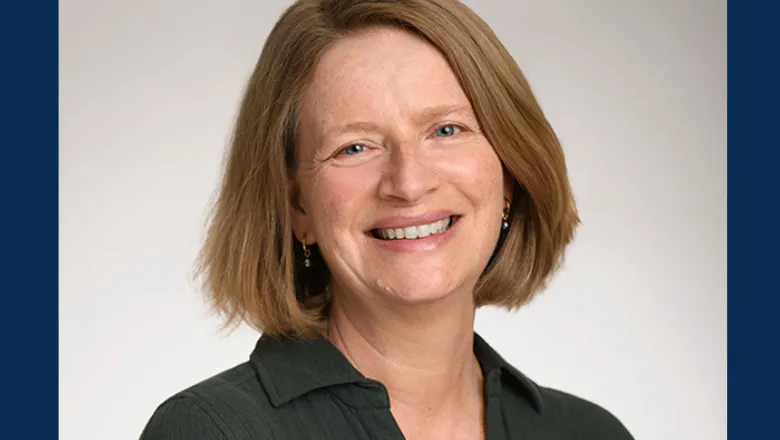
Carla Cevasco is Associate Professor of American Studies at Rutgers University–New Brunswick, within the School of Arts and Sciences. Her research explores food, medicine, material culture, and the body in colonial North America, with a focus on hunger, gender, and race. Education: Ph.D. in American Studies, Harvard University A.M. in American History, Harvard University B.A. in English and American Literatures, Middlebury College Her scholarship investigates how Indigenous peoples and colonial settlers experienced and responded to hunger, as seen in her award-winning book Violent Appetites: Hunger in the Early Northeast (2022). She is currently working on Young and Hungry , a history of infant and child feeding in the U.S. Her research spans interdisciplinary fields including early American history, gender studies, medical humanities, and food studies. She also engages in public scholarship, contributing to The Atlantic , TIME , and Nursing Clio . The 15 most recent articles reflect a strong thematic focus on hunger, food systems, and embodiment in early America, often analyzing intersections of race, gender, and colonial power. Her work combines archival research with material culture analysis and public engagement, contributing to both academic and broader historical discourse. Scientific Awards: Early Career Faculty Fellow, Institute for the Study of Global Racial Justice at Rutgers (2024–25) Carla Cevasco mentors students in American Studies and advises on topics related to early American history, food, and gender. Though specific grants are not listed, her fellowship and publications suggest active research funding. She teaches courses including Introduction to American Studies, Learning from the Past: Early America and the 21st Century, and a Seminar in American Studies. She contributes to interdisciplinary academic communities at Rutgers, particularly in racial justice and public history. She is involved in scholarly networks that bridge history, American studies, and public humanities, though no formal lab or research team is mentioned in the provided texts.