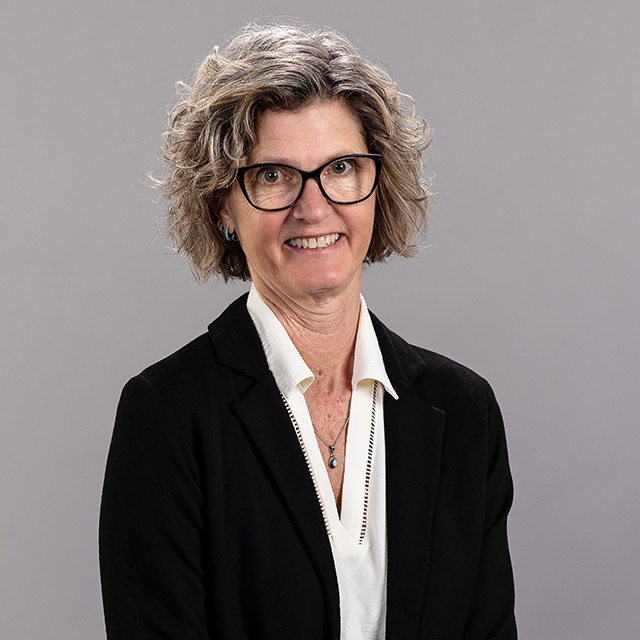
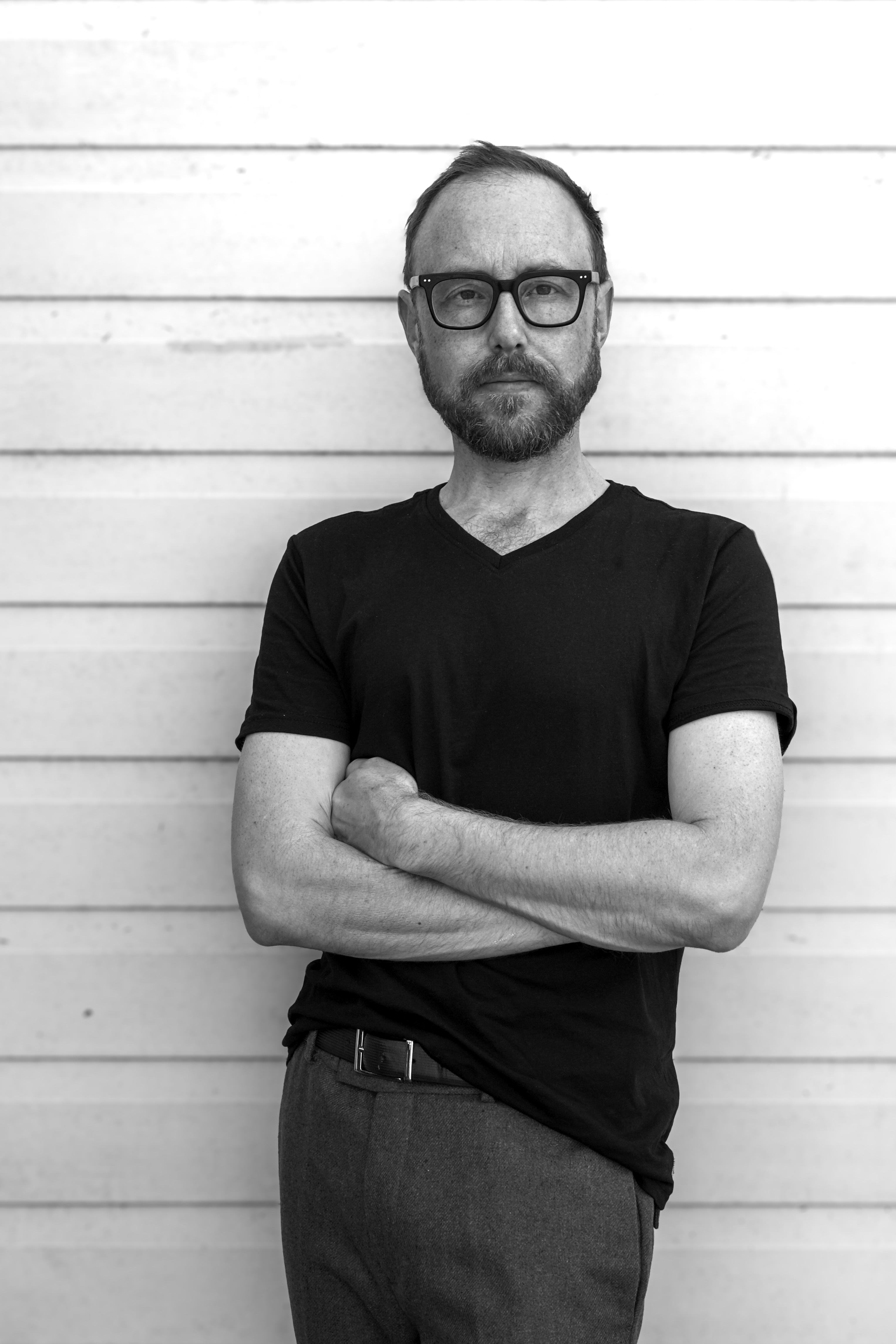
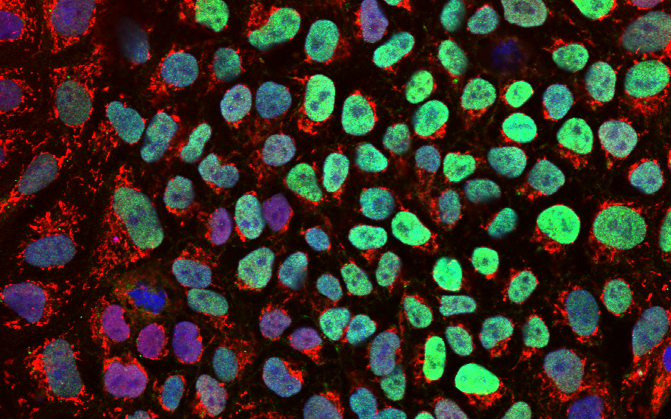
Amy Altick is a Teaching Associate Professor at the University of Nevada, Reno , affiliated with the Department of Biology . Her career spans both neuroscience research and biology education , with a focus on genetics , neural development , and cellular signaling . She teaches foundational courses in cell biology , genetics , and molecular biology , emphasizing inclusive pedagogy for large classes. Education : Ph.D. in Biochemistry (2006) and B.A. in History (1991), both from the University of Nevada, Reno. Her research explores the genetic basis of neurological conditions , including strabismus , and the role of multivesicular bodies (MVBs) in neuronal trafficking . Collaborative work on Slit-Robo signaling and EphB receptors highlights her contributions to understanding axonal pathfinding and brain development . She actively engages in community outreach through the Society for Neuroscience , organizing Brain Awareness Week to promote public education on neuroscience across diverse age groups.
Garrett Hongo is a Professor in the Creative Writing Program at the University of Oregon , within the College of Arts and Sciences . A seminal figure in Asian American literature, Hongo is celebrated for his poetry and memoirs that explore identity, diaspora, and cultural hybridity. His work is deeply informed by his upbringing in Hawai‘i and Los Angeles, and his literary voice bridges multiple traditions—from Hawaiian pidgin and Japanese heritage to African American blues and Western literary forms. Hongo’s research and creative interests span Modern and Contemporary Poetry, Asian American Literature, Diasporic Literatures, Critical Theory, Creative Nonfiction , and the intersections of music and poetry . His writing is characterized by lyrical precision, historical depth, and a commitment to personal and collective memory. He often draws from plantation histories, urban landscapes, and philosophical meditation to craft works of enduring resonance. His literary output includes seminal poetry collections such as Yellow Light (1982), The River of Heaven (Lamont Poetry Prize, Pulitzer finalist), and Coral Road (2011), as well as the acclaimed memoirs Volcano: A Memoir of Hawai‘i (Oregon Book Award winner) and The Perfect Sound (2022). His recent publications in The New Yorker , including “An Ocean of Clouds” (2025) and “On Emptiness,” reflect a continued engagement with themes of solitude, loss, and the natural world. These works demonstrate a poetic evolution toward meditative and philosophical reflection, often grounded in specific landscapes like the Mediterranean or Hawaiian volcanoes. Hongo has received numerous accolades, including: Guggenheim Fellowship National Endowment for the Arts Fellowship Rockefeller Foundation Fellowship Aiken Taylor Award for Modern American Poetry (2022) Lamont Poetry Prize Finalist, Pulitzer Prize in Poetry Oregon Book Award for Nonfiction He has mentored and been influenced by literary figures such as C.K. Williams, Quincy Troupe, and Ishmael Reed, and his critical writings engage deeply with literary theory, Emersonian transcendentalism, and global poetic traditions. While no formal advising list is provided, his role as a professor suggests ongoing mentorship of emerging writers. Hongo has not been associated with formal research grants in the scientific sense, but his fellowships represent significant support for his creative and scholarly work. Though not affiliated with a formal lab or research team, Hongo’s intellectual community includes fellow poets, memoirists, and scholars in creative writing and ethnic studies. His work continues to shape conversations around race, language, and artistic authenticity in American literature.
Prof. Dr. Karsten Weis serves as Full Professor and Deputy Head of the Department of Biology at ETH Zurich, Switzerland, leading the Weis Group at the Institute of Biochemistry since his 2013 appointment. Prior to ETH Zurich, he spent 14 years at UC Berkeley (1999-2013), rising from Assistant Professor to Full Professor through promotions in 2003 and 2006, following a UCSF fellowship after his 1996 EMBL Heidelberg Ph.D. under Angus Lamond. Education: Ph.D. from European Molecular Biology Laboratory (EMBL), Heidelberg (1996) Research Interests: The Weis Lab investigates eukaryotic subcellular compartmentalisation through membrane-bound organelles (e.g., nucleus) and dynamic membraneless structures formed by phase separation (P bodies, stress granules). Core focus areas include nucleocytoplasmic transport , nuclear pore complex assembly , and the role of biomolecular condensates in gene expression. Methodologically, they integrate in vitro reconstitution , live-cell imaging , cryo-EM , omics , and genetic approaches while innovating custom imaging tools to visualize cytoplasmic biophysical properties. Recent publications reveal a critical emphasis on experimental methodology in cellular organization research, particularly how fluorescent protein tags distort biomolecular condensation observations (2025 MBoC paper) and structural analysis of nuclear pore complexes (2025 review), highlighting technical rigor in the field. Advising and Grants: The lab actively mentors postdoctoral researchers like Michaela Ristova (joined February 2025) and Federico (February 2025), and hosts Master's projects as noted on their website. While specific grants are unmentioned, their multidisciplinary toolkit suggests robust funding for imaging and biochemical research. Labs and Teams: Situated at the Institute of Biochemistry (Otto-Stern-Weg 3, Zürich), the Weis Group collaborates with ETH Zurich's network of cell biology teams including Allain Group, Barral Group, Helenius Group (emeritus), Jagannathan Group, Kleele Group, Kutay Group, Michaels Group, Neurohr Group, and Peter Group, driving innovation in cellular organization studies.
Stan Steindl is an Adjunct Associate Professor in the School of Psychology at the University of Queensland, actively contributing to clinical psychology research with a specialization in compassion-focused interventions. His work addresses diverse mental health conditions including PTSD, shame, grief, and chronic illness, with extensive international collaborations spanning over 20 countries. Dr. Steindl maintains an active publication record and clinical practice focused on evidence-based compassion therapies. Dr. Steindl completed his PhD in Psychology at the University of Queensland in 2005 with research on: An expectancy tension reduction model of posttraumatic stress disorder and alcohol misuse comorbidity His primary research centers on Compassion Focused Therapy (CFT) applications across clinical populations. He investigates compassion's role in mitigating shame, self-criticism, and trauma responses, with significant contributions to understanding cultural variations in compassion expression. Current work explores compassion interventions for obesity-related shame, military PTSD, and chronic illness management, emphasizing practical clinical adaptations for diverse patient needs. His research integrates psychotherapeutic techniques with mindfulness and behavioral change strategies. Analysis of Dr. Steindl's recent publications reveals three dominant trends: (1) multinational studies examining compassion's protective effects during global crises like the COVID-19 pandemic, (2) development of specialized CFT protocols for specific populations including military personnel and abuse survivors, and (3) rigorous psychometric validation of compassion and shame assessment tools across cultural contexts. His work consistently demonstrates how compassion cultivation improves mental health outcomes while addressing implementation barriers like therapeutic resistance. No scientific awards were mentioned in the provided text. While Dr. Steindl collaborates extensively with international researchers including Marcela Matos, Paul Gilbert, and James Kirby, the provided text does not specify PhD students or master's advisees. Information about research grants or funding sources is also not detailed in the available materials. Dr. Steindl's research operates within global compassion science networks, particularly through multinational collaborations examining cultural variations in compassion expression and implementation. His work connects with UQ's School of Psychology research groups focusing on trauma, mental health interventions, and cross-cultural psychology, though no specific laboratory name is provided in the text.
Alison Pischedda is an Assistant Professor in the Department of Biology, Neuroscience & Behavior at Barnard College, Columbia University. She joined the faculty in 2017 and leads the Pischedda Lab, which investigates the evolutionary and behavioral dynamics of sexual interactions in Drosophila melanogaster . Education: BSc, MSc: Queen's University (Canada) PhD: University of California, Santa Barbara Her research lies at the intersection of animal behavior, evolutionary biology, and genetics, with a focus on sexual selection and sexual conflict. She studies male mate choice, mating duration, and intralocus sexual conflict using experimental and genetic approaches. Her lab uses hemiclonal analysis to dissect how shared genomes influence sex-specific fitness. The recent publications and research updates highlight a strong trend in understanding the hidden costs and benefits of prolonged copulation, male preferences for larger mates, genetic variation in mate choice, and body size evolution. These works reflect a deep engagement with behavioral ecology and evolutionary genetics, particularly in how reproductive behaviors evolve under conflicting selective pressures. Scientific Awards: Tow Award for Innovative and Outstanding Pedagogy (2020) US National Academy of Sciences Kavli Fellow (2013, 2015) She actively mentors students through guided research and senior thesis programs, teaching courses such as Animal Behavior and Laboratory in Animal Behavior. While specific advisees are not listed, her lab includes undergraduate researchers and lab technicians, indicating a strong commitment to training the next generation of scientists. The Pischedda Lab has been productive through the pandemic, maintaining research continuity and presenting at major conferences like the Evolution Meeting. The lab moved to Milbank Hall, reflecting institutional support and growth. The lab is open to new students interested in fruit flies, sexual selection, and evolutionary genetics, emphasizing inclusivity and hands-on research training.
Dr Nic Crowe serves as Honorary Senior Lecturer at Brunel University London within the College of Business, Arts and Social Sciences, and holds the position of Programme Lead for the BA Education. A qualified Teacher, Youth and Community Worker, and Play Worker, he integrates practical experience in art, technology, and cultural studies into his academic practice. His research centers on Digital Storytelling , with concentrated focus on Pro-Ana/Pro-Mia digital communities and Lolicon within Anime and Manga studies. Crowe's foundational work emerged from a five-year ethnographic PhD study of the online game Runescape ("Hanging with the Catherby Shark Gurlz"), examining virtual identities, communities, and youth culture in digital spaces. His scholarship consistently explores how marginalized groups navigate transgressive identities through digital media. Analysis of his 15 most recent publications reveals persistent themes of digital transgression and identity performance across sociology, education, and digital media disciplines. His methodological approach favors digital ethnography to investigate ethical complexities in youth subcultures, particularly regarding body image, online communities, and resistance practices. Key publication venues include Societies and the International Journal of Adolescence and Youth. Crowe collaborates extensively with scholars like Prof Mike Watts through the CYWS research group. His media contributions include BBC Radio 4's 'Thinking Allowed' on gaming culture and articles for Canvas8 covering 'Dark Tourism,' Glee fandom, and anime studies. Non-academic writings for Libertine explore feminist zombies and Studio Ghibli aesthetics.
Dr. Julia F. Christensen is a postdoctoral research fellow at the Warburg Institute, London, working with the B.I.A.S. project under Prof Manos Tsakiris, while maintaining an active affiliation with City St George's, University of London as an academic researcher. She is also an honorary member of University College London's Institute of Cognitive Neuroscience, reflecting her cross-institutional collaborations in cognitive neuroscience and psychology. Her educational background combines professional dance training with advanced neuroscience research, culminating in a PhD from the University of the Balearic Islands and University of Vienna. Her doctoral work investigated affective responses to expressive body movement, supervised by Professor Camilo Cela-Conde and Dr. Marcos Nadal. Dr. Christensen's research focuses on the cognitive and neural underpinnings of emotional expertise, particularly in dancers and artists. She examines how movement expertise modulates emotional perception, interoception, and sense of agency through behavioral, psychophysiological, and neuroimaging methods. Her work bridges dance science, moral psychology, and neuroethics, exploring topics from evolutionary functions of art to legal responsibility in emotional contexts. Analysis of her publications reveals strong interdisciplinary trends connecting emotion science with movement expertise, particularly in dance perception and agency modulation. Her research consistently demonstrates how specialized training alters neural processing of emotional stimuli, with significant contributions to understanding autism through interoceptive frameworks and exploring moral cognition through intentional binding paradigms. Her scientific recognition includes: Newton International Research Fellow (British Academy, 2015-2017) Dr. Christensen has secured competitive research funding from the British Academy (2015-2017) and Spanish Ministry of Science and Innovation (2010-2014). Her current collaborations include the B.I.A.S. project at the Warburg Institute and ongoing work with City St George's on emotion perception frameworks, building on previous affiliations with City University's Cognitive Neuroscience Research Unit and Autism Research Group. She is embedded in multiple research ecosystems including the Warburg Institute's dance movement library project, City St George's psychology department collaborations, and UCL's Institute of Cognitive Neuroscience networks, where she previously investigated sense of agency under Professor Patrick Haggard.
Steven Rosen is a Professor at the University of California San Francisco (UCSF) with a 40-year research focus on biological sulfation mechanisms in immunology and cancer biology . His work on L-selectin and high endothelial venules (HEVs) established foundational insights into lymphocyte homing, while his discovery of SULF1 and SULF2 sulfatases revealed their roles in tumor progression and biomarker development. Education: PhD in Neurobiology from Cornell University, B.A. in Physics from UC Berkeley Research Focus: L-selectin ligands, SULF enzyme function, heparan sulfate signaling, immune-tumor interactions Rosen's 15 most recent publications (2013–2025) span topics including SULF2's oncogenic role in pancreatic and glioblastoma cancers, HEV biomarker utility in tumor-associated lymphoid organs, and novel therapeutic targeting of sulfation pathways. His NIH-funded projects (R01GM057411, R01GM023547, R21CA122025) emphasize glycan-based signaling and immune regulation. Scientific Awards: NIH Merit Award (2005) Feulgen Lecture (1993) AAAS Fellow (2010) Karl Meyer Award (2010) Rosen has mentored collaborative research on glycobiology and developed function-blocking mAbs against SULF2 for cancer therapy. His work on ELISA-based biomarker detection in blood and body fluids demonstrates translational impact across multiple malignancies.
Judith Sleeman is a Senior Lecturer at the University of St Andrews, affiliated with the School of Biology, Centre for Biophotonics, Biomedical Sciences Research Complex, and Institute of Behavioural and Neural Sciences. Her research focuses on RNA processing in mammalian cells and its impact on human disease, with particular expertise in neuromuscular disorders. Dr. Sleeman's research interests center on the physical organization of RNA processing in mammalian cells and its implications for human disease. Her work spans from fundamental cellular organization of splicing snRNP maturation to cytoplasmic transport of mRNA and the effects of triplet repeat disorders on cellular structure. Current projects investigate the cellular and molecular basis of Spinal Muscular Atrophy, Myotonic Dystrophy Type 1, and Amyotrophic Lateral Sclerosis using advanced techniques including live-cell and high-resolution microscopy and proteomics. Analysis of Dr. Sleeman's publication record reveals a strong focus on RNA biology, nuclear organization, and neuromuscular disorders. Her research demonstrates a progression from fundamental studies of nuclear bodies to disease mechanisms, with increasing emphasis on therapeutic applications for genetic neuromuscular conditions. Recent work shows particular attention to stress granules, RNA metabolism in disease contexts, and molecular mechanisms underlying triplet repeat disorders. Scientific awards include: British Society for Cell Biology 'Young Cell Biologist of the Year' (1995) FRSB (Fellowship of the Royal Society of Biology) (2014) Oxford Gene Technologies 'Proof of Principle Micro-array Study' competition (2005) Dr. Sleeman has supervised multiple students and researchers, with five supervised works documented. She has secured significant grant funding from prestigious organizations including The Wellcome Trust, Motor Neurone Disease Scotland, and BBSRC. Her projects include 'Protein methylation as a mechanism for cellular damage in motor neurone disease' (£136,298), 'Judith Sleeman Studentship ISSF3' (£35,000), and 'Advanced integrative mass spectrometer' project with BBSRC funding. The Sleeman lab operates within the Biomedical Sciences Research Complex at St Andrews, utilizing advanced microscopy and proteomics facilities. The lab has attracted visits from prominent figures including Diana, Countess Lindsay, and has generated media coverage for breakthroughs in understanding genetic causes of infant death. Research in the lab contributes to UN Sustainable Development Goals related to health and well-being.
Lisa Sigel serves as Department Chair and Professor in the Department of History at DePaul University's College of Liberal Arts and Social Sciences. She holds a Ph.D. from Carnegie Mellon University and maintains office presence at SAC 422. Her teaching portfolio includes Historical Methods, Victorian History, the Great War, and Crime and Punishment courses. Her research specializes in the cultural history of sexuality with focus areas spanning British social history, pornography studies, and gender representation. Primary research domains include: Historical analysis of erotic material production and distribution Cultural regulation of obscenity in modern societies Gender performance in wartime contexts Evolution of sexual commerce and labor relations Vernacular expressions of sexuality in material culture Recent scholarly output demonstrates consistent focus on pornography historiography through methodological examinations and archival recovery projects. Her 2022-2025 publications analyze labor dynamics in sex industries, preservation challenges in erotic archives, and methodological approaches to adult material research.
Rachel Bisson-Fradet is an Associate Professor in the Department of Romance Studies at the University of Rouen Normandy, Faculty of Letters and Human Sciences, and a permanent member of the ERIAC research unit (UMR 4705). Her academic work bridges Hispanic-American literature scholarship and secondary education teacher training, with teaching responsibilities spanning Master 2 Hispanic-American Literature and CAPES Spanish certification programs since 2007. Her research centers on Contemporary Mexican Literature with laser focus on Elena Poniatowska's oeuvre, examining Gender Studies through Women Artists representation and Literary Hybridity in narrative forms. She investigates how Poniatowska's works blend biography, history, and fiction to articulate female experiences within Mexico's socio-political landscape, particularly through body representation and genre experimentation. Analysis of her 2014 publications reveals a cohesive scholarly trajectory centered on Poniatowska's Tinísima, exploring chronicle as literary genre, narrative hybridity in female historical representation, and fictional biography as historical revisionism. Her work consistently frames these analyses through feminist theoretical lenses while interrogating intersections of collective memory, political discourse, and artistic expression in Latin American contexts. Within ERIAC's research ecosystem, she actively contributes to Axis 2: "Forms, experiences, interpretations" through seminar participation and scholarly collaboration. Her academic service extends to ESPE teacher training initiatives including "Learning Methodology" and "Academic Perseverance" programs, alongside cultural curation for national Spanish academic platforms.
Dr. Tim William Gregory is a theorist and artist affiliated with the University of New South Wales, School of Arts, Design & Architecture. His work bridges academic research and artistic practice with a focus on critical examinations of sexuality, pornography, and colonial legacies in visual culture. Dr. Gregory's research centers on the complex interplay between settler-colonialism, modern sexuality, and pornography. His acclaimed book Pornography, Indigeneity and Neocolonialism (Routledge, 2020) represents a significant contribution to understanding how colonial power structures continue to shape contemporary sexual representation and consumption. His scholarly approach combines critical theory, visual analysis, and decolonial perspectives to interrogate the political dimensions of pornography and sexual representation across digital platforms, film, and contemporary art. Dr. Gregory's publication record reveals a consistent research trajectory examining the visual politics of sexuality, with recent work analyzing digital platforms like Pornhub through theoretical frameworks including Walter Benjamin's concept of aura. His work challenges conventional understandings of pornography by situating it within broader historical and political contexts, particularly examining how colonial legacies continue to shape contemporary sexual representation and consumption. The 8th Biennial of Contemporary Textile Art Arte Laguna Prize The John Fries Award The Archibald Prize The Blake Prize Australia Council for the Arts Grant As an exhibiting artist, Dr. Gregory has shown work at prestigious venues including the Museum of Contemporary Art (Sydney), the Art Gallery of NSW, the Venice Arsenale, and has undertaken projects with the Sydney Biennale and a residency at PICA. His creative practice complements his theoretical work, creating a powerful dialogue between academic research and artistic expression that challenges conventional understandings of sexuality, representation, and colonial power structures.
Chris Whitewoods is a Research Fellow at the Sainsbury Laboratory, University of Cambridge (SLCU), where he leads his own lab since 2021. His research focuses on plant patterning in three dimensions, particularly the genetic and cellular mechanisms underlying leaf cell types and intercellular air spaces. Undergraduate: University of Edinburgh PhD: Plant Development, University of Cambridge Postdoctoral Research: John Innes Centre, Norwich His research integrates genetics, tissue mechanics, and evolutionary biology to study how plants develop complex forms. Key areas include air space formation in leaves, hormonal regulation of growth, and evolutionary transitions from planar to 3D structures in plants. Recent publications emphasize the role of brassinosteroids in air space patterning, comparative analyses of leaf development across species, and the interplay between cell layer interactions and tissue mechanics. These works span plant physiology, evolutionary developmental biology, and molecular genetics. Scientific Awards: Career Development Fellow (SLCU, 2021), Governing Body Fellow At SLCU, Whitewoods' lab explores the integration of molecular biology with computational modeling to unravel developmental mechanisms. The lab investigates evolutionary innovations such as CLE peptide signaling and CLAVATA pathways.
Dr. Li-Fang Chu serves as an Assistant Professor (Teaching & Research) in the Department of Comparative Biology & Experimental Medicine at the University of Calgary's Faculty of Veterinary Medicine. He holds a Tier II Canada Research Chair in Cellular Reprogramming and maintains significant affiliations with the Alberta Children's Hospital Research Institute (ACHRI) as a Child Health & Wellness Researcher and with the McCaig Institute for Bone and Joint Health as an Associate Member. Dr. Chu leads the Reproduction and Regenerative Medicine Research Group and directs the Chu Lab, which focuses on fundamental questions in developmental biology. Dr. Chu received his BSc from National Taiwan University followed by a PhD in cell and molecular biology from Baylor College of Medicine. He completed postdoctoral training with Dr. James Thomson at the Morgridge Institute for Research, University of Wisconsin-Madison, where he developed expertise in stem cell biology and developmental timing. He joined the University of Calgary in August 2020. Dr. Chu's research program centers on understanding the principles governing temporal and spatial patterning in development and disease. His lab is particularly interested in the developmental clock - investigating why different species have vastly different gestation periods and how genes regulate the tempo of embryonic development. The Chu Lab developed an in vitro segmentation clock model derived from human embryonic stem cells, which recapitulates species-specific gene oscillatory periodicity. This innovative system allows researchers to study how the developmental clock operates and how its misregulation causes congenital vertebral malformations. Analysis of Dr. Chu's publication record reveals a consistent focus on developmental timing mechanisms, cellular reprogramming, and stem cell-based disease modeling. His work bridges fundamental developmental biology with potential clinical applications in regenerative medicine. The research demonstrates increasing sophistication in methodology, incorporating advanced techniques like single-cell transcriptomics, real-time live-cell imaging, and 3D organoid systems to address complex questions in developmental biology. Dr. Chu's scientific recognition includes: Tier II Canada Research Chair in Cellular Reprogramming (CIHR, 2021) Dr. Chu teaches several courses including VETM 422 Virology, VETM 702 Advanced Topics in Stem Cell Biology and Regenerative Medicine, VETM 324 Genetics and Molecular Biology, and MDSC 609.02 Genes and Development. His research has attracted significant attention, with multiple news features highlighting his work on pig-human genetic relationships, pig retinal cells for eye treatments, reindeer antlers and human limb regeneration, and the observation of the human developmental clock. The Chu Lab employs a multidisciplinary approach combining pluripotent stem cell culture, differentiation, organoids, cellular reprogramming, gene editing, real-time live-cell imaging, luminescence imaging, lineage-tracing, mouse genetics, flow cytometry, and single-cell and bulk RNA-seq. The lab's long-term goals include understanding fundamental mechanisms regulating developmental timing, identifying genetic factors controlling developmental clocks across species, and pursuing novel therapeutic strategies for disorders caused by misregulation of developmental clocks.
Jon Bellona is an Assistant Professor of Music Technology at the University of Oregon's School of Music and Dance. He serves as co-director of Harmonic Laboratory and specializes in digital technologies, data sonification, and environmental sound art. PhD in Music (2018), University of Virginia MA in Music (2015), University of Virginia MMus (2011), University of Oregon Professional Degree in Audio Engineering (2006), Conservatory of Recording Arts & Sciences BA in Music (2003), Hamilton College His research explores intersections of sound art , data-body interactivity , and digital musical instrument design . Recent projects like SACRIFICE ZONES: S.O.S. (2024) and Wildfire (2019) demonstrate environmental commentary through immersive installations. Earlier works focus on gesture-controlled compositions and algorithmic sound processing. Scientific awards include grants from the National Science Foundation, Andrew W. Mellon Foundation, and Oregon Arts Commission. He has received fellowships from the University of Virginia and Ford Family Foundation. Jon's practice combines academic research with artistic innovation , utilizing platforms like Kyma, Max/MSP, and custom electronics. His Accessible Oceans NSF grant (2018) exemplifies cross-disciplinary environmental sonification.