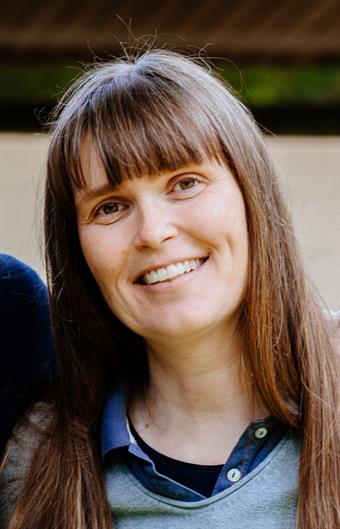
Jesse Cougle is a Professor of Psychology at Florida State University, focusing on anxiety disorders , obsessive-compulsive and related disorders (OCRD), and problematic anger . He leads the Cougle Lab, which develops computerized treatments and investigates distress intolerance , courage , and transdiagnostic factors . Education: University of Texas at Austin (2008), Oxford University (postgraduate) Research: Cognitive-behavioral mechanisms in anxiety disorders, technology-based interventions for social anxiety and BDD, and biological processes in problematic anger Students: Mentoring Tapan Patel, James Zech, Victoria Swaine, and others His work spans interpretation bias modification , safety behavior reduction , and 'not just right' experiences in OCRD. Recent publications emphasize digital interventions for mental health and distress tolerance as a key transdiagnostic factor. Scientific Awards: President’s New Researcher Award (ABCT) Graduate Faculty Mentor Award (FSU) He serves as Editor-in-Chief of the Journal of Obsessive-Compulsive and Related Disorders and holds editorial roles in major journals. The Cougle Lab explores anxiety , perfectionism , and appearance-related psychopathology through multimodal research .
Michael G. Wheaton is an Assistant Professor of Psychology at Barnard College, specializing in the psychopathology and treatment of obsessive-compulsive disorder (OCD) and related conditions. He joined Barnard's faculty in 2017 after postdoctoral work at the New York State Psychiatric Institute and teaching roles at Yeshiva University. Education: B.A. from Cornell University; M.A. and Ph.D. from the University of North Carolina at Chapel Hill. Professional Affiliations: Association for Behavioral and Cognitive Therapies (ABCT), International OCD Foundation (IOCDF), Anxiety and Depression Association of America (ADAA). His research integrates cognitive-behavioral therapy (CBT) with neurobiological and psychological frameworks, emphasizing treatment outcomes for OCD, hoarding disorder, and anxiety-related conditions. Recent work explores the therapeutic working alliance, distress tolerance, and the impact of the COVID-19 pandemic on OCD symptoms. He has contributed to advancements in exposure and response prevention (ERP) and pharmacotherapy augmentation for OCD. Scientific Awards: Recognized among the top 2% of cited authors globally. Recipient of 2024 Barnard faculty grants and awards. He teaches undergraduate courses in Abnormal Psychology and Introduction to Clinical Psychology . His collaborations with Barnard graduates and institutions highlight his engagement with student research and public mental health discourse, including media contributions to Business Insider and Time .
Overview Ron Rapee is a Distinguished Professor of Psychology at Macquarie University and Founding Director of the Centre for Emotional Health. He specializes in clinical psychology, focusing on anxiety and related disorders across the lifespan. His research emphasizes treatment efficacy, prevention strategies, and mental health service delivery. Research Interests Rapee’s work spans anxiety, depression, and internalizing disorders. Key areas include prevention of mental health issues, treatment development (e.g., the Cool Kids programs), and factors influencing mental health outcomes. He explores body image, stigma reduction, and culturally adapted interventions. Awards & Recognition 2009: Distinguished Career Award 2009: Distinguished Contribution to Science 2012: Member in the General Division, Order of Australia Professional Engagement Rapee advises on research globally, collaborates with international teams (e.g., Denmark, China), and engages with communities through workshops and media. He chairs the Anxiety Disorders Advisory Committee for WayAhead NSW. Research Impact His Cool Kids programs are used in 30+ countries. Recent projects include school-based mental health screening and interventions targeting anxiety and alcohol use in young adults.
Christopher Christian is a Clinical Assistant Professor at Yale School of Medicine, Department of Psychiatry. He earned his Ph.D. in Clinical Psychology from the University of Massachusetts, Amherst, and a Certificate in Psychoanalysis from the Institute for Psychoanalytic Training and Research (IPTAR), where he served as past Dean and Training Analyst. He also serves as a Professor in the Contemporary Psychoanalytic Psychotherapy program at Ramon Llull University (Barcelona). His work bridges psychoanalysis, linguistic analysis, and psychosomatic disorders. Education: Ph.D. in Clinical Psychology (University of Massachusetts, Amherst, 1997) Leadership: Past Dean and Training Analyst, IPTAR Research Interests: Christian’s research focuses on psychoanalysis applied to body dysmorphia, maladaptive daydreaming, and emotional communication. His work explores linguistic patterns in therapeutic processes, ruptures in therapy, and the impact of crises like the pandemic on mental states. He employs single-case studies and psychodynamic diagnostic frameworks. Scientific Contributions: His articles analyze therapeutic alliance dynamics, countertransference, and psychosomatic disorder treatments. Recent works examine body dysmorphia, online therapy effects, and linguistic dimensions of mental health during lockdowns. Awards: Recipient of the 2020 Gradiva Award and American Board & Academy of Psychoanalysis Book Prize for Psychoanalysis in the Barrios .
Dr. Anna M. Bardone-Cone is a Professor in the Department of Psychology at the University of North Carolina at Chapel Hill, leading the Bardone-Cone Lab. Her research focuses on eating disorders, body image, and mental health disparities, with a strong emphasis on cultural and intersectional perspectives. She is committed to training diverse students and conducting research that addresses underrepresented groups such as BIPOC, LGBTQ+, and first-generation scholars. Her recent work explores topics like family influences on disordered eating, cultural pressures on South Asian populations, and neurocognitive profiles in eating disorders. She has presented at major conferences like the International Conference on Eating Disorders (ICED) and published in outlets like the UNC JOURney. In 2023, she was selected as a Thorp Faculty Engaged Scholar for her community-focused scholarship. Dr. Bardone-Cone advises multiple students, including Ale Miller, Emily Walsh, and Lauren Wash, whose theses and dissertations address eating disorder risk factors, body shame, and cultural influences. Her lab actively collaborates on projects like the South Asian Body Image Study (SABI) and advocates for inclusive research practices. Awards: Thorp Faculty Engaged Scholar (2023-2025) Grants & Funding: Supported by engaged scholarship initiatives through UNC. Her research bridges clinical and cultural psychology, with a focus on translating findings into practical interventions for marginalized groups. The lab’s future work continues to prioritize longitudinal studies on neuropsychological functioning and community-based mental health initiatives.
Professor Thalia Eley is Professor of Developmental Behavioural Genetics at King's College London's Institute of Psychiatry, Psychology & Neuroscience. She serves as Head of the Social, Genetic & Developmental Psychiatry Centre and leads the Emotional Development, Intervention and Treatment (EDIT) Lab. Professor Eley is also Director of the Twins Early Development Study (TEDS), the largest longitudinal twin birth cohort in the UK, and co-leads the Genetic Links to Anxiety and Depression (GLAD) Study. Professor Eley's educational background includes: Bachelor of Arts in Social and Political Sciences with a focus on psychology from Trinity College Cambridge PhD in the role of genetic and environmental influences on depression and anxiety in young people from the Institute of Child Health, University College London Professor Eley's research focuses on understanding the interplay between genetic and environmental factors in the development and treatment of anxiety and depression, particularly in youth. She is transforming efforts toward personalized medicine through 'therapygenetics,' studying genetic effects on psychological treatment response. Her work creatively combines longitudinal, genetic, experimental, and clinical approaches to explore mechanisms underlying mental health disorders. A key aspect of her research examines why anxiety and depression tend to run in families and whether this is due to shared environments or genetic factors. Professor Eley's recent publications demonstrate a strong focus on integrating genetic approaches with clinical psychology to understand mental health conditions. Her work spans anxiety disorders, depression, eating disorders, and neurodevelopmental conditions, with particular emphasis on how genetic factors influence treatment response. She has been instrumental in large-scale studies like the GLAD Study, which is the largest single study of anxiety and depression ever undertaken, and TEDS, which has followed twins from birth into early adulthood. Professor Eley has received numerous prestigious awards for her contributions to the field: Fellow of the British Academy (2025) Fellow of the Academy of Medical Sciences (2021) James Shields Lifetime Achievement Award from the International Society for Twin Studies (2017) King's Graduate School IoPPN Supervisory Excellence Award (2017) King's University Research Project of the year for the GLAD Study (2019) Lilly-Molecular Psychiatry Award (2004) Spearman Medal from the British Psychological Society (2002) Professor Eley is passionate about mentoring early career researchers and has chaired the Research and Innovation Committee for over five years, developing initiatives to support this group. Her research has been supported by substantial grants including MRC funding for TEDS, Wellcome Trust funding for anxiety treatment prediction research, and MRC/ESRC funding for the UK Longitudinal Linkage Collaboration. She actively promotes diversity in scientific research both in terms of researchers and study participants. Professor Eley leads the Emotional Development, Intervention and Treatment (EDIT) Lab, which consists of postdoctoral researchers, PhD students, and undergraduate and master's students. The lab is based at the Social, Genetic & Developmental Psychiatry Centre at King's College London. She also co-leads the GLAD Study, which recruits participants through media and social media, and has developed digital tools like the FLARe (Fear Learning and Anxiety Response) app for remote fear conditioning experiments.
Professor Andrew Thompson is Professor of Clinical Psychology (Hon) at Cardiff University’s School of Psychology and Programme Director for the Health Education and Improvement Wales (HEIW) funded Doctorate in Clinical Psychology (DClin) and Certificate in Applied Psychological Practice (CAAPs) programmes across South Wales. He is also a Consultant Clinical Psychologist with Cardiff & Vale University Health Board, HCPC-registered in both clinical and health psychology, and an accredited Cognitive Analytic Therapy practitioner. Education & Training: While specific degree details are not listed, Professor Thompson is doubly registered with the HCPC as a Clinical Psychologist and Health Psychologist, and holds practitioner-level accreditation in Cognitive Analytic Therapy, indicating extensive postgraduate clinical training. Research Interests: Professor Thompson’s work is organised around three core themes: • Psychodermatology & Body Image: investigating the psychosocial impact of visible skin conditions such as vitiligo, psoriasis, alopecia, hidradenitis suppurativa and burns, with a focus on stigma, appearance distress and body dysmorphia. • Autism Spectrum Conditions: exploring the lived experiences of autistic adults and parents, diagnostic disclosure, and the intersection of autism with parenting and employment. • Acceptance, Mindfulness & Self-Compassion Interventions: developing and evaluating self-help, ACT and compassion-focused therapies for chronic health conditions including pulmonary hypertension and dermatological disease. Publication Trends: Between 2022 and 2025 Professor Thompson has published more than 60 peer-reviewed articles, systematic reviews, meta-analyses and clinical guidelines. The dominant focus is on clinical trials and qualitative studies of psychological interventions in dermatology, cardiopulmonary and neurodevelopmental populations, with recurring keywords of mindfulness, ACT, self-compassion, stigma, body image, autism, vitiligo, psoriasis, alopecia, pulmonary hypertension, burns and qualitative methodology . Scientific Awards & Editorial Roles: Co-Editor-in-Chief, British Journal of Health Psychology (current) Former Associate Editor, British Journal of Dermatology (2015-2024) Reviewer for ESRC, NIHR, MRC and multiple journals in psychology, medicine and nursing Visiting & External Examining Appointments: Visiting Professor of Clinical Psychology, University of Sheffield (2021-present) Former Visiting Professor of Clinical Psychology, University of Hull (2014-2017) External examiner for DClin programmes at Newcastle University and Oxford University External examiner for MSc programmes at University of York and City College Thessaloniki Professional Committees & Advisory Work: Workforce & Training Sub-committee (Wales), Division of Clinical Psychology, BPS Representative to BPS Research Board, Group of Trainers in Clinical Psychology Research Board Member, Vitiligo Society Former Psychological Advisor to All-Party Parliamentary Group on Skin, Katie Piper Foundation, Scar Free Foundation Former Trustee, Changing Faces (2019-2024) Clinical & Teaching Leadership: Professor Thompson leads the South Wales DClin programme and co-leads the pilot student psychology clinic. His teaching spans research methods, ethics, psychological aspects of long-term conditions, CBT and cognitive analytic therapy, and he has developed national e-learning resources for Health Education England on psychosocial aspects of skin disease.
Afshin Mosahebi serves as an Honorary Professor in the Department of Surgical Biotechnology at University College London (UCL), where he maintains an active research profile despite his non-salaried academic appointment. His work bridges surgical innovation with biotechnology applications, focusing on evidence-based improvements in plastic and reconstructive surgical outcomes while addressing contemporary challenges in healthcare sustainability and patient safety. Primary Affiliation: Department of Surgical Biotechnology, UCL Academic Status: Honorary (non-salaried) faculty position Research Scope: Clinical and translational surgical research with global health implications Professor Mosahebi's research program demonstrates exceptional breadth across surgical disciplines, with concentrated expertise in DIEP flap breast reconstruction techniques, melanoma management, and sustainable surgical practices. His methodology frequently employs systematic reviews, bibliometric analyses, and eco-audits to evaluate surgical efficacy and environmental impact. Key specialties include peripheral nerve imaging advancements, aesthetic medicine evidence assessment, and psychological outcomes in cosmetic surgery patients. The work consistently addresses unmet needs in surgical oncology, reconstructive microsurgery, and resource optimization within healthcare systems. Analysis of his 330+ publications reveals three dominant research trajectories: (1) Technical refinement in breast reconstruction (particularly venous augmentation to prevent fat necrosis), (2) Sustainability quantification across surgical pathways (breast, abdominal, microtia), and (3) Critical appraisal of evidence in aesthetic medicine (botulinum toxin, regenerative therapies, patient psychology). His collaborative approach spans oncology, dermatology, psychology, and environmental science, evidenced by multi-disciplinary co-authorship patterns. The temporal concentration of 2025 publications indicates ongoing high productivity in surgical innovation research. While no specific awards are documented in available records, Professor Mosahebi's extensive publication record—including leadership in high-impact systematic reviews and novel eco-audit methodologies—demonstrates significant scholarly contribution. His supervisory role is evidenced by thesis editorial involvement (e.g., FRAME project) and frequent student co-authorship, though formal student lists remain unspecified. Collaborative networks prominently feature researchers like Wong ZY and Faderani R across multiple projects, indicating sustained research partnerships. Current work shows particular emphasis on environmental impact assessment and evidence-based protocol development for surgical safety.
Andrea Spoto is a Full Professor at the University of Padua, Italy. His research focuses on psychological assessment methodologies, cognitive diagnostic models, moral judgment dynamics, and the application of Bayesian methods in healthcare and education. He has pioneered work on technology acceptance models (e.g., AV-TAM for automated vehicles) and developed innovative tools like the PENguIN mental health application. His interdisciplinary approach bridges psychology, statistics, and technology, addressing topics such as automated vehicles’ ethical dilemmas, clinical decision-making frameworks, and the psychometric validation of scales for anxiety, worry, and countertransference. Research interests span moral reasoning in self-sacrificial dilemmas, the role of decision thresholds in professional judgments (e.g., nursing triage, sports refereeing), and the network structure of psychopathological responses to crises. He has contributed to understanding nonverbal behavior in schizophrenia, coping mechanisms in neurofibromatosis patients, and the psychological impact of the COVID-19 pandemic across multiple countries. His work integrates formal concept analysis and knowledge space theory to enhance adaptive assessment systems, particularly in educational and clinical contexts. Notable contributions include refining item response theory models and advancing methodologies for measuring emotional intelligence, scientifical-medical satisfaction, and social odor awareness.
Dr. Christelle Moufawad El Achkar is an Instructor of Neurology at Harvard Medical School and Assistant in the Department of Neurology at Boston Children's Hospital. She specializes in epilepsy care with a particular focus on pediatric patients and genetic aspects of seizure disorders. Her work is centered at the Epilepsy Center, one of the nation's few Level 4 pediatric epilepsy centers recognized by the National Association of Epilepsy Centers. Dr. El Achkar completed her medical education at the American University of Beirut in 2008, followed by an internship at Rainbow Babies & Children's Hospital in Cleveland (2011), and neurology residency and fellowship at Boston Children's Hospital (2014-2016). She is board certified in both Child and Adolescent Neurology and Epilepsy by the American Board of Psychiatry and Neurology. Her research primarily focuses on the genetic underpinnings of epilepsy, with numerous publications examining genetic variants associated with pediatric-onset epilepsy, developmental and epileptic encephalopathies, and specific gene-related epilepsy syndromes. Her work spans from basic molecular mechanisms to clinical applications of genetic testing and precision medicine approaches for rare genetic epilepsies. She has contributed significantly to characterizing conditions related to genes including GABRB2, CACNA1E, PACS2, and others. Dr. El Achkar's publication record demonstrates a consistent trajectory of impactful research in epilepsy genetics, with recent work focusing on the diagnostic utility of exome sequencing and the development of patient-customized therapies for rare genetic disorders. Her research bridges clinical neurology with molecular genetics to advance understanding and treatment of genetic epilepsies. As part of Boston Children's Hospital's Epilepsy Center, she contributes to a comprehensive program that provides testing, evaluation, treatment, and counseling for children with epilepsy and seizures through the full range of medical, dietary, noninvasive, and surgical treatments.
Dr. Brooke Bennett is an Assistant Professor in the Department of Psychology at Clemson University and Director of the BEAM Lab. She holds a Ph.D. in Clinical Psychology from the University of Hawaiʻi at Mānoa, with postdoctoral training at Yale University and the UConn Rudd Center for Food Policy and Health. Her research focuses on addressing sociocultural barriers to health equity through digital interventions, with specialties in disordered eating, media literacy, and weight stigma. Dr. Bennett’s work intersects public health nutrition, LGBTQ+ health, and healthcare provider behavior. Educational Background: Ph.D. Clinical Psychology, University of Hawaiʻi at Mānoa (2020) M.S. Clinical Psychology, Missouri State University (2015) B.A. Psychology, Kent State University (2013) Research Interests: Media’s impact on body image and eating behaviors Health equity in underserved populations Technology-based interventions Healthcare provider stigma Summer meal program effectiveness Key Contributions: Developed app-based interventions for body dissatisfaction Examined disparities in eating disorder prevalence among sexual/gender minorities Evaluated USDA’s pandemic-era summer meal programs Validated scales for measuring weight stigma Awards: 2025 Phil and Mary Bradley Award for Mentoring Top cited IJED article (2022-2023) Recognized for innovative eating disorder research methods Lab & Outreach: The BEAM Lab focuses on translating research into scalable solutions for body image and eating disorder prevention, emphasizing digital tools and community partnerships.
Dr. Simone Buzwell is a Senior Lecturer in Psychology at the School of Health Sciences, Swinburne University of Technology. With over 30 years of experience, she is a leading academic in health and developmental psychology, specializing in sexuality, gender identity, body image, and chronic disease. She has served in leadership roles, including Associate Dean, and led significant research grants such as the OLT-funded 'Valuing Student Voices' project. Education: PhD from La Trobe University (awarded Best PhD in Faculty of Health Sciences, 1996) Current Affiliation: Swinburne University of Technology, School of Health Sciences, Department of Psychology Her research focuses on sexuality and sexual behavior, gender euphoria, body dysmorphic disorder, and the psychological impact of cosmetic procedures. She is the co-developer of the world-first Gender Euphoria Scale (GES) and has led studies on the 'Zoom Effect' and consent education. Her work bridges clinical psychology and public health, with strong community and policy implications. Her recent publications reveal a consistent trend in exploring identity, stigma, and well-being, particularly among LGBTQ+ and chronically ill populations. Themes include resilience, appearance dissatisfaction, and the psychosocial impact of technology and medical interventions. She frequently employs qualitative and mixed-methods approaches. Scientific Award: Best PhD in the Faculty of Health Sciences, La Trobe University (1996) Dr. Buzwell actively supervises PhD and Master’s students across diverse topics in psychology and has received consistently high student feedback for her teaching. She has led externally funded research projects, including an AMSI grant for a clinician screening tool and a research contract with the Cosmetic Professional Institute of Australia. She is involved in professional organizations such as the MS Society of VIC/NSW and contributes to public discourse through media engagement.
Antje Hunger is a Professor at the Hochschule Düsseldorf University of Applied Sciences , affiliated with the Faculty of Social Sciences and Cultural Studies . Her research focuses on Clinical Psychology and Cognitive Behavioral Therapy , particularly in Impulse Control Disorders , Obsessive-Compulsive Spectrum Disorders , and Body-Focused Repetitive Behaviors . Specializes in Trichotillomania , Excoriation Disorder , and Body Dysmorphic Disorder Develops evidence-based Cognitive Behavioral Therapy protocols Advances in Digital Interventions for mental health Her work includes both experimental studies and clinical assessment development, with notable contributions to understanding compulsive buying and dissociative mechanisms in disorders. Contact: antje.hunger@hs-duesseldorf.de | Office: Room 03.1.007, Building 3, Münsterstraße 156, 40476 Düsseldorf
Marta Ghisi is a Full Professor at the University of Padua, Italy, specializing in clinical psychology with a focus on obsessive-compulsive spectrum disorders, body image, and mental health interventions. Her research emphasizes validating self-report instruments for anxiety, depression, eating disorders, and personality disorders. She has conducted extensive work on body image issues in diverse populations, including adolescents, cancer survivors, and athletes, as well as the impact of social media and photo-based behaviors on mental health. Her research interests include the Tripartite Influence Model, intolerance of uncertainty, and the development of interventions such as the More Than Body Appearance (MBA) program to promote positive body image. She has explored the efficacy of yoga and Tai Chi in improving workplace psychological well-being, particularly among female university employees. Her work also addresses post-COVID-19 neuropsychological outcomes and the role of parental modeling in disordered eating behaviors. Dr. Ghisi's articles consistently investigate transdiagnostic risk factors, cross-cultural measurement invariance of mental health scales, and the psychosocial implications of chronic health conditions. Her studies highlight innovative approaches to mental health assessment and intervention, with a strong emphasis on practical applications in clinical and community settings.
Matt Boulter is a Lecturer in the School of Health and Life Sciences, specializing in sport and organizational psychology. His research focuses on group dynamics, personality psychology, and their application to team effectiveness and body image disorders. He is particularly interested in how teams resolve conflicts and how narcissism influences team cohesion and mental health outcomes. Boulter has expertise in quantitative methods including multilevel modeling and Bayesian statistics, using tools like Mplus and R. Current projects include a collaboration with St. Mirren FC to develop psychosocial training curricula for youth football academies and examining conflict management strategies in sports teams. His work bridges theoretical insights with practical applications in both sports and organizational settings.