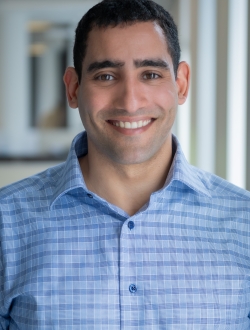
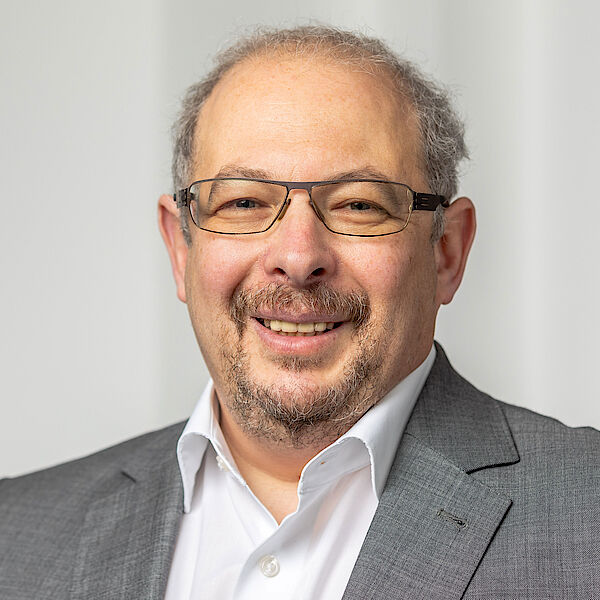
Neil Martin Davies is a Researcher at the Department of Public Health and Nursing , Norwegian University of Science and Technology (NTNU) . His work bridges epidemiology, genetics, and public health, with a focus on causal inference, Mendelian randomization, and socioeconomic health disparities. His research explores the intersection of genetic epidemiology , developmental psychology , and clinical outcomes . Key themes include the impacts of antiseizure medications in pregnancy , cardiometabolic risks in psychiatric populations , and health policy implications of Mendelian randomization . Recent publications highlight methodological advancements in directed acyclic graphs (DAGs) , instrumental variable analysis , and family-based sampling . His work frequently addresses parental education effects , sleep patterns , and genetic correlations in large cohorts like UK Biobank. Neil Martin Davies contributes to scientific reporting standards , co-authoring the STROBE-MR guidelines for Mendelian randomization studies. His collaborations span neurology , mental health , and health economics , emphasizing causal relationships over correlational findings.
Dr. Brooke Devlin is a Lecturer in Nutrition and Dietetics at the School of Human Movement and Nutrition Sciences, University of Queensland . She holds advanced qualifications as an Accredited Practising Dietitian (AdvAPD), Advanced Sports Dietitian (AdvSD), and Accredited Exercise Scientist, with a PhD in Sports Nutrition from La Trobe University (2016) and a Graduate Certificate in Higher Education. Her research focuses on diet and exercise interventions for optimizing blood glucose control , metabolic health , and chrono-nutrition , particularly through time-restricted eating protocols. She also investigates sports nutrition , including athletes' nutrition knowledge and public health interventions in community sports. PhD in Sports Nutrition (La Trobe University, 2016) MNUTRDiet (Nutrition and Dietetics) BExSci (Exercise Science) GradCertHigherEd (Graduate Certificate in Higher Education) Dr. Devlin's research spans two primary domains: metabolic health and sports nutrition . In metabolic health, her work explores time-restricted eating for type 2 diabetes prevention and management, evaluating its impact on glycaemic control , lipoprotein profiles , and health-related quality of life . Her chronological articles reveal a focus on nutritional timing , anti-inflammatory diets , and exercise synergy . For sports nutrition, she examines athletes' dietary behaviors , team sport nutrition , and public health strategies to reduce sugar-sweetened beverages in community sports. Her recent publications include 15 articles from 2025 to 2022, covering topics like anti-inflammatory diets for chronic diseases, TREx trials in diabetes management, and chrono-nutrition applications. These works frequently employ randomized controlled trials , systematic reviews , and meta-analyses , with keywords and subfields reflecting metabolic health , time-restricted eating , chronobiology , nutritional epidemiology , exercise physiology , and public health interventions . Dr. Devlin serves as an Associate Advisor for multiple PhD projects, including studies on genetics of sensory nutrition , dietary patterns in diabetes , and pediatric diabetes care optimization . She is currently a Chief Investigator (CI-D) on a NHMRC MRFF project (2021-2024) titled "What or When to eat to reduce the risk of developing type 2 diabetes (WOW)" and an investigator on a Diabetes Australia Research Project (2021-2023) about time-restricted eating in diabetes management. Her affiliations include the Faculty of Health, Medicine and Behavioural Sciences and collaborations with institutions like La Trobe University and the University of Adelaide.
Travis B. Thompson, Ph.D. is an Assistant Professor in the Department of Mathematics and Statistics at Texas Tech University, leading the TM4 (Texas Tech Translational and Theoretical Mathematical Modeling and Machine Learning in Medicine) research group. His academic journey includes postdoctoral work at Rice University, Simula Research Laboratory, and the University of Oxford, focusing on mathematics applied to neurodegenerative diseases. Education: Ph.D. in Mathematics from Texas A&M University (2013) Dr. Thompson develops theoretical mathematical models and applies scientific computing and machine learning to study neurological pathologies, particularly Alzheimer’s disease. His work explores complex biological processes on networks, translational healthcare applications, and nutritional security implications. Current research trends integrate neuroimaging data with finite element simulations to model tau progression , amyloid beta dynamics , and glymphatic clearance in age-related diseases. Scientific awards and honors were not explicitly mentioned in the provided materials. Dr. Thompson’s interdisciplinary approach connects computational neuroscience with biomedical engineering , utilizing techniques like diffusion tensor imaging and level set methods to analyze pathological protein spread and brain tissue mechanics . The TM4 research group focuses on network neurodegeneration , personalized medicine , and machine learning diagnostics . Their work spans from microfluidic cancer detection to computational modeling of brain clearance mechanisms , addressing challenges in both neurodegenerative diseases and biomedical engineering through rigorous mathematical frameworks.
Dr. Cory Smith is an Assistant Professor in the Department of Health, Human Performance, and Recreation at Baylor University, where he directs the Human & Environmental Physiology Laboratory. His applied physiology research focuses on neurophysiological assessment methodologies, extreme environment adaptations, and sensor-based physiological monitoring systems. Current projects examine neuromuscular disease diagnostics, warfighter performance optimization, and cognitive-physiological responses in austere environments through translational research approaches. Primary research interests include: Aerospace/environmental physiology : Investigating human responses to hypoxia, cold, and gravitational stressors Neurophysiological monitoring : Developing fNIRS/EMG methodologies for clinical and tactical applications Sensor data fusion : Integrating multimodal physiological signals for performance assessment Muscle fatigue mechanisms : Studying neuromuscular adaptations during exertion under environmental constraints Analysis of recent publications (2022-2025) reveals dominant themes in neurophysiological monitoring techniques (particularly fNIRS applications), environmental stressor impacts on human performance, and rehabilitation physiology. Research consistently bridges clinical applications (neuromuscular diseases, cerebral palsy) with tactical performance optimization (marksmanship, combat fitness). Methodological innovations in EMG signal processing and hypoxia protocols form significant technical throughlines. Dr. Smith leads a research team collaborating with clinical practitioners to translate physiological insights into practical interventions for military personnel, occupational workers, and clinical populations.
Eric Wickel, Ph.D., is a Professor and John C. Oxley Endowed Chair of Kinesiology & Rehabilitative Sciences at The University of Tulsa's Oxley College of Health and Natural Sciences. His research focuses on physical behavior assessment using wearable devices and self-report tools, with applications to cardiovascular disease risk factors, sedentary behavior, and youth health outcomes. Education: Ph.D., Iowa State University (2006) M.S., University of Wyoming B.S., University of Wyoming His work examines associations between physical activity, sedentary behavior, and sleep using advanced methods like thigh-worn accelerometers, funded by TSET and Oklahoma Center for the Advancement of Science and Technology. Current research explores emergent assessment tools for daily behavior analysis in health promotion. Notable trends in his publications (2019–2009) include: Physical behavior surveillance in early childhood interventions Methodological advancements in wearable technology validation Developmental patterns of sedentary behavior and activity compliance Maturity-related differences in physical activity among youth After-school period behavioral dynamics Cardiovascular risk factor analysis through longitudinal studies Scientific recognition includes: American Heart Association Institutional Research Advancement Award (2025) Oxley College Dean’s Excellent Faculty Award (2025) TSET Seed Grant (2023) Oklahoma Center for the Advancement of Science and Technology Award (2023) Multiple Oxley College Outstanding Research/Teaching Awards (2020, 2016, 2009) Wickel contributes to community health through Tulsa County Community Health Improvement Plan (CHIP) and serves as faculty affiliate of the TSET Health Promotion Research Center.
Matthew Ferrari serves as Director of the Center for Infectious Disease Dynamics and Professor of Biology at Pennsylvania State University's Eberly College of Science. His research integrates mathematical and statistical approaches to address critical questions in infectious disease dynamics, with particular expertise in vaccine-preventable diseases like measles and rubella. He holds the distinguished position of Huck Career Development Professor, reflecting his significant contributions to interdisciplinary research at Penn State. Dr. Ferrari's research program focuses on developing mathematical and statistical tools to understand disease incidence patterns and the effects of heterogeneity in time and space. He emphasizes that 'models are only as good as the data upon which they are based,' leading him to work directly with ministries of health to design surveillance systems that efficiently allocate vaccination efforts for disease control and elimination. His work on measles dynamics in low and middle-income countries addresses why measles virus still kills over 100,000 children annually despite available vaccines, collaborating with the World Health Organization, Médecins Sans Frontières, US-CDC, and the Bill & Melinda Gates Foundation. His extensive publication record demonstrates a consistent focus on vaccine-preventable diseases, with recent work increasingly addressing the impact of the COVID-19 pandemic on routine immunization programs. Dr. Ferrari has developed statistical methods used by the WHO to estimate global measles mortality burden, analyzing time series as partially observed Markov processes to both estimate infection burden and fit dynamical transmission models. His research consistently bridges theoretical modeling with practical public health applications across numerous countries including China, Democratic Republic of Congo, Ethiopia, India, Niger, Nigeria, Madagascar, Malawi, Pakistan, and Zambia. Director of the Center for Infectious Disease Dynamics Huck Career Development Professor Professor of Biology at Pennsylvania State University Active collaborator with WHO, CDC, Gates Foundation Dr. Ferrari leads multiple research initiatives including Data4Action, which has measured the pandemic's impact on local communities for two years. His work has been instrumental in developing evidence-based vaccination strategies and informing global health policy. He maintains an active presence in both academic and public health spheres, regularly contributing to policy discussions and media commentary on infectious disease dynamics.
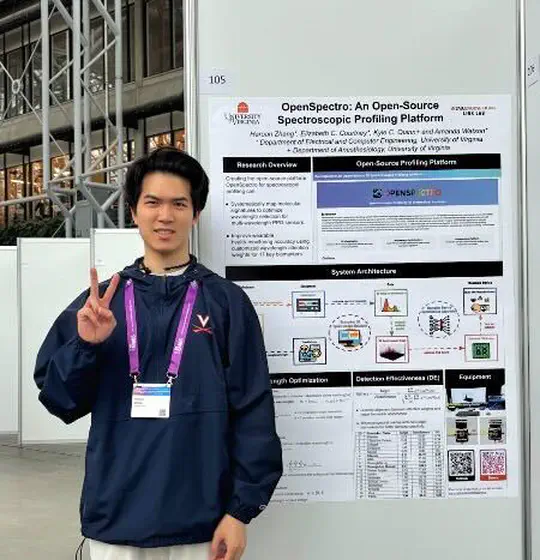
Amanda Watson is an Assistant Professor in Electrical and Computer Engineering at the University of Virginia, with joint appointments in Computer Science. She leads the Watson Research Lab within the UVA Link Lab, a multidisciplinary center for Cyber-Physical Systems (CPS) and Internet of Medical Things (IoMT) research. Her work bridges wearable technology with healthcare and athletic performance applications, focusing on noninvasive monitoring, physiological signal analysis, and safety-critical medical devices. She is also the cofounder and CEO of Luminosity Wearables, commercializing a noninvasive continuous glucose monitor. Education: PhD in Computer Science (2020) - College of William & Mary MSc in Computer Science (2016) - College of William & Mary Bachelors in Computer Science and Mathematics (2014) - Drury University Her research spans multiple domains including: Wearable spectroscopy for nutrition and skin health Machine learning for drug overdose and fall risk detection Biomechanical monitoring in sports medicine Wearable support for visual and neurological impairments IoMT device integration and analytics Recent publications (2024-2025) show strong emphasis on calibration-free physiological monitoring systems, with technical contributions in spectral analysis , multi-wavelength sensing , and rapid prototyping for healthcare wearables. Applications range from maternal health to gerontological social isolation detection. Lab and Team: The Watson Research Lab at UVA develops wearable solutions for clinical and athletic contexts, with ongoing collaborations in the PRECISE Center at University of Pennsylvania and LENS lab at William & Mary alumni network. She works with multidisciplinary teams including engineers, clinicians, and data scientists.
Professor Hee-Jung Song is a Nutrition & Food Science faculty member at the University of Maryland's College of Agriculture and Natural Resources. She serves as both Professor and Extension Specialist, addressing health disparities through community-based nutrition interventions. B.S. in Food and Nutrition, Sookmyung Women's University, Korea M.S. in Food Chemistry, Korea University, Korea Ph.D. in Human Nutrition, Johns Hopkins University, USA Her research focuses on diet-related chronic disease prevention , food insecurity , and health promotion in vulnerable populations. She develops interventions targeting hypertension management , Type II diabetes , and obesity through culturally tailored approaches. Recent publications highlight her work on plate waste reduction in schools, food recovery strategies , and nutrition education for underserved communities. Her methods emphasize community-based participatory research and social determinants of health . She has led multiple USDA and NSF grants, including NourishNet-A Food Recovery Toolbox (NSF Co-PI) and Effects of an Integrated System Approach on Hypertension Management (USDA PI). Her extension work includes courses like NFSC 100 Elements of Nutrition and NFSC 624 Research Design in Health Promotion .
Andrew Bishara, MD, is an Assistant Professor in Residence in the Department of Anesthesiology within the School of Medicine at the University of California, San Francisco (UCSF). He is affiliated with multiple UCSF clinical sites, including Mission Bay, Mount Zion, and Parnassus, and is actively involved in the AI Clinical Innovation Lab, Transplant Anesthesia Research Group, and POCCO (PeriOperative Cardiac Complications Observatory). His clinical practice as an anesthesiologist is deeply integrated with his research in machine learning and artificial intelligence for perioperative care. Dr. Bishara's educational background includes a BSE in Mechanical Engineering from MIT (2009), an MD from Harvard Medical School (2014), and a D.ABA. in Anesthesiology from UCSF (2019). He also completed specialized training in Medical Informatics and Artificial Intelligence through the Bakar Computational Health Sciences Institute (2020) and a Diversity, Equity, and Inclusion Champion program at UCSF (2022). His research focuses on developing and validating machine learning models to predict and prevent surgical complications such as acute kidney injury, postoperative delirium, pain, and blood loss in real time. He emphasizes creating clinically usable models and improving AI-human interfaces for seamless integration into clinical workflows. His work also explores gender-based disparities in coronary artery disease diagnosis using EHR data analytics. His recent publications demonstrate expertise in AI quality improvement, model implementation in acute care, and predictive modeling across diverse surgical and critical care domains. He co-founded Bezel Health, a company focused on healthcare quality measurement, reflecting his commitment to translating research into real-world impact. Clinical Artificial Intelligence Quality Improvement Real-time Risk Assessment in Surgery AI Integration in Anesthesia Gender Disparities in Cardiac Care Transplant Anesthesia Research Regulatory Aspects of AI in Medicine Dr. Bishara is actively engaged in advancing perioperative medicine through innovation in data science and AI, with a strong emphasis on improving patient outcomes, equity, and clinical workflow efficiency.
Tanya Golubchik is a Senior Lecturer in Computational Microbiology and an NHMRC Principal Research Fellow at the University of Sydney's School of Medical Sciences under the Faculty of Medicine and Health. She is affiliated with the Sydney Southeast Asia Centre and the Sydney Infectious Diseases Institute (Sydney ID). Her research focuses on applying modern genomics technologies to study pathogen evolution and transmission, particularly in viruses and bacteria with public health significance. She has collaborated extensively with institutions such as the University of Oxford's Big Data Institute and the PANGEA-HIV Consortium, contributing to HIV and SARS-CoV-2 genomic analysis. Educated at the University of Sydney with a dual major in biology and computer science, she earned her PhD in molecular biology. Her postdoctoral work at the University of Oxford involved pneumococcal vaccine escape variants and within-host bacterial evolution. She led computational analysis of SARS-CoV-2 sequencing during the pandemic as part of the COG-UK Consortium and returned to Sydney in 2022. Her research interests include understanding how pathogens evolve within hosts, develop strategies to combat infections, and integrate metagenomics for clinical insights. She has pioneered methods like targeted metagenomics for simultaneous sequencing and transcriptional profiling of pathogens. Recent work examines RSV intrahost diversity in infants and SARS-CoV-2 transmission dynamics in the UK. She also explores climate change impacts on disease through CLIMADE and investigates HIV transmission networks in Africa. Her scientific contributions include the 2023 Thompson Prize from the University of Sydney. Research grants span projects like genomics solutions for HIV surveillance in low-income settings, vector-borne disease detection amid climate change, and metagenomic studies in female reproductive health. Her work bridges epidemiology, genetics, and translational research, emphasizing interdisciplinary approaches to global health challenges. In advising and grants, she has secured funding for high-throughput sequencing and transmission network analysis. While no formal advisee names are listed, her supervisory roles in molecular epidemiology and bioinformatics suggest active student mentoring. Collaborations with international teams and institutes highlight her global engagement in addressing infectious disease threats through computational and genomic strategies. Key teams include the PANGEA-HIV Consortium, COG-UK, and CLIMADE. She leads initiatives at Sydney ID and the School of Medical Sciences, advancing pathogen genomics and outbreak response methodologies.
Yannick Benezeth is a Professor of Computer Science at Université de Bourgogne Franche-Comté in Dijon, France, where he teaches courses on databases, optimization, and image/video processing at the IUT de Dijon. He conducts research at the ImViA research laboratory (EA7535), focusing on video health monitoring and video analytics applications. His academic journey includes serving as an Associate Professor from 2011-2024 and earning his Habilitation à Diriger des Recherches (HDR) in 2019. Dr. Benezeth's research interests center on video-based health monitoring systems, particularly remote photoplethysmography (rPPG) for non-contact vital sign measurement. His work spans computer vision , video analytics , and physiological signal processing , with applications in stress detection, abnormal event recognition, and health monitoring. He has developed several publicly available datasets including UBFC-Phys, UBFC-RPPG, and IMVIA-NIR that have become valuable resources for researchers in affective computing and remote physiological monitoring. His publication record demonstrates consistent contributions to top computer vision venues including CVPR, ICPR, and IEEE Transactions. Recent work shows a clear trend toward multimodal approaches combining video analysis with physiological signal processing, particularly in psychophysiological stress studies. The UBFC-Phys dataset published in 2021 represents a significant contribution to affective computing research with over 50 participants and comprehensive physiological measurements. As a research supervisor with HDR qualification, Dr. Benezeth leads projects in the ImViA laboratory focusing on video analytics for healthcare applications. His team has developed innovative methods for background subtraction, abnormal event detection, and skin tissue segmentation that have been adopted by other researchers through his publicly shared code and datasets. Current work appears focused on improving the robustness of video-based physiological measurement under realistic conditions.
Roziana Ramli is an academic affiliated with Northumbria University, holding a PhD in Computer Science. Her research focuses on medical imaging techniques, cybersecurity in healthcare systems, and bio-inspired optimization algorithms. She has contributed to advancements in retinal fundus image registration and IoT security protocols. Her work integrates computer vision with biomedical applications, addressing challenges in healthcare monitoring and assistive technologies. Key research areas include federated learning in healthcare networks, prosodic feature analysis for language recognition, and secure communication for drone networks. Her systematic literature reviews and algorithmic innovations highlight her interdisciplinary approach to solving technical and clinical problems. Though no formal awards are listed, her active publication record from 1999 to 2024 demonstrates sustained academic engagement.
Dr. Matilda Azis is a Researcher and Module Co-lead at the Department of Psychosis Studies within King's College London's Institute of Psychiatry, Psychology and Neuroscience (IoPPN). She holds a PhD from King's College London, specializing in the neurobiology of Ultra High Risk (UHR) psychosis patients. Her postdoctoral work includes a fellowship at Northwestern University and continued research at IoPPN focusing on neurobiological, clinical, and cognitive factors influencing psychosis onset. Her research interests center on schizophrenia spectrum disorders, clinical high-risk populations, and translational mental health interventions. Key methodologies include neuroimaging, genetic analysis, and randomized controlled trials evaluating CBT efficacy for psychosis-related symptoms. Her work has led to publications in Biological Psychiatry , Molecular Psychiatry , and Journal of Behavior Therapy and Experimental Psychiatry , with a focus on cerebral blood flow alterations, neurotransmitter signatures, and comorbidity patterns in at-risk populations. She contributes to the EPIC Lab and collaborates internationally on neurobiological studies.
P. Murali Doraiswamy, MBBS, FRCP , is Professor of Psychiatry and Professor in Medicine at Duke University School of Medicine, Director of the Neurocognitive Disorders Program, Senior Fellow at the Duke Center for the Study of Aging and Human Development, and holds affiliate faculty appointments with the Duke Center for Applied Genomics & Precision Medicine, the Duke Microbiome Center, and the Duke Initiative for Science & Society. He is a Faculty Network Member of the Duke Institute for Brain Sciences and has advised major agencies including NIH, FDA, WHO, and the World Economic Forum. Research Focus Dr. Doraiswamy leads a multidisciplinary program that integrates advanced neuroimaging, multi-omics, digital therapeutics, and artificial intelligence to understand, predict, and prevent Alzheimer’s disease and related neurodegenerative disorders. His work spans: Development and validation of blood, CSF, imaging, and digital biomarkers for early detection and staging. Clinical trials of novel pharmacological, lifestyle, and digital interventions in mild cognitive impairment (MCI) and Alzheimer’s dementia. Systems-biology approaches combining genomics, metabolomics, lipidomics, and microbiome data to uncover mechanisms of resilience and risk. Policy translation and global mental health initiatives aimed at reducing disparities and improving brain health worldwide. Publications & Impact With more than 400 peer-reviewed publications and continuous federal and industry funding, his research has shaped current diagnostic algorithms and therapeutic pipelines. Recent work (2023-2025) demonstrates accelerated adoption of deep-learning MRI models for amyloid/tau staging, AI-guided companion robots to combat loneliness, and precision nutrition trials leveraging microbiome signatures. Scientific Leadership & Recognition He has chaired the World Economic Forum’s Global Agenda Council on Brain Research and co-chaired innovation advisory councils for large social-impact funds. His findings have been featured by BBC, The New York Times, Scientific American, TIME, NPR, CBS Evening News, Oprah, The Dr Oz Show , and acclaimed documentaries such as (Dis)Honesty: The Truth about Lies and Mysteries of the Brain . Advocacy & Societal Engagement Beyond the laboratory, Dr. Doraiswamy is a leading advocate for increased public and private investment in brain and behavioral research. He serves on multiple charitable boards and co-authored the popular book The Alzheimer’s Action Plan , translating cutting-edge science into practical guidance for patients and families.
Leonid Goubergrits is a Professor of Cardiovascular Modeling and Simulation at the Einstein Center Digital Future and Charité – Universitätsmedizin Berlin . With a background in applied mathematics and physics from the Moscow Institute of Physics and Technology, he has dedicated his career to applying computational fluid dynamics (CFD) to cardiovascular medicine since immigrating to Germany in 1995. His work bridges fundamental research and clinical applications, aiming to integrate numerical models into everyday medical practice to enhance diagnostics and reduce invasiveness. Doctorate at Technische Universität Berlin (2000) Habilitation at Technische Universität Berlin (2016) His research spans blood flow modeling in coronary vessels, cerebral aneurysms, heart valves, and the aorta, alongside artificial organ development and blood damage modeling . He leads a research group at Charité and the German Heart Center Berlin, focusing on patient-specific simulations and their translation to clinical settings. Recent publications highlight his work on deep learning integration for hemodynamic analysis, 4D Flow MRI validation , and medical device optimization using computational models. His team’s research includes virtual therapy planning for aortic valve replacements, hemolysis modeling , and pulmonary artery pressure sensors . Leonid actively contributes to education, redesigning TU Berlin’s Fluid Mechanics in Medicine curriculum and fostering interdisciplinary collaboration between engineers, physicians, and computer scientists. His vision emphasizes the digital transformation of medicine through computational modeling and simulation.