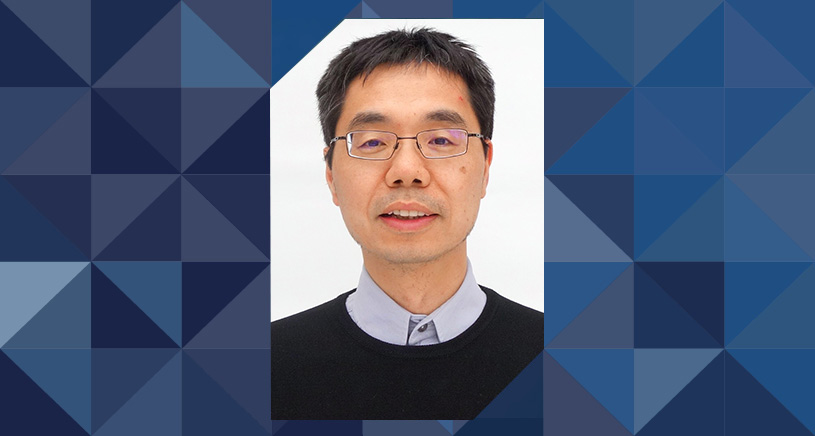
Yang Zhao is a Professor of Statistics in the Department of Mathematics and Statistics at the University of Regina. His research specializes in biostatistical methods for incomplete data, measurement error correction, and longitudinal analysis. Current work focuses on maximum likelihood estimation and Cox regression models with complex missing data patterns. His methodological contributions include diagnostic checking of imputation models and weighted estimating equations for longitudinal studies. He teaches advanced courses in statistical inference, time series analysis, and generalized linear models.
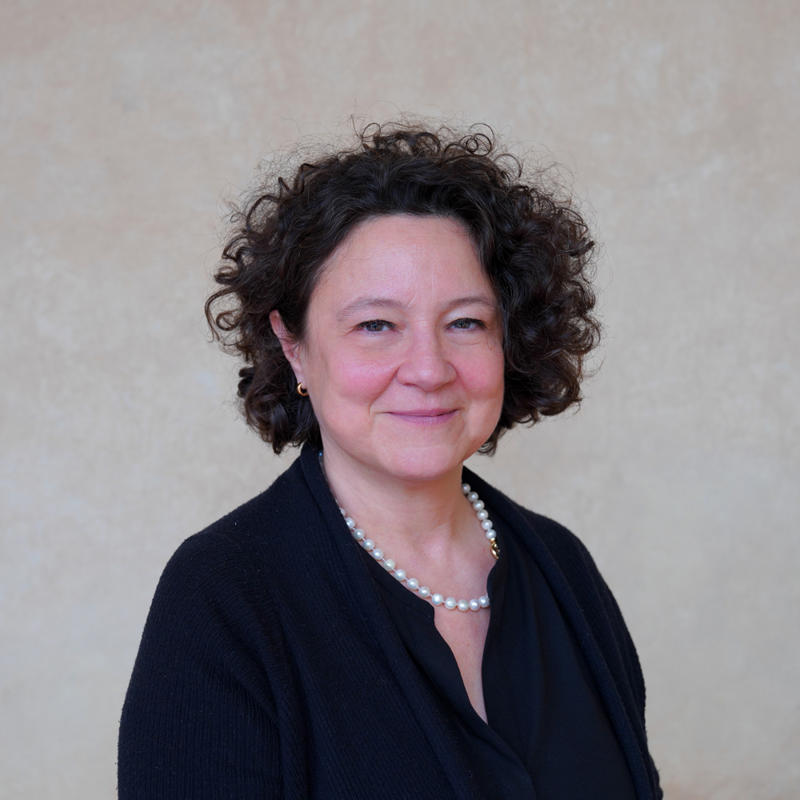
Fabrizia Mealli is a Full-time Professor in the Department of Economics at the European University Institute (EUI), serving as Director of Graduate Studies. She holds a concurrent leave position as Professor of Statistics at the University of Florence's Department of Statistics, Informatics, Applications (DiSIA). Her research focuses on causal inference, econometric methods, Bayesian analysis, and missing data, with applications in social and biomedical sciences. Education & Academic Roles: Professor of Statistics, University of Florence (on leave) Full-time Professor, EUI Department of Economics (since 2023) Visiting positions at Harvard University (2001, 2015, 2017) Research Interests: Her work centers on causal inference methodologies, including principal stratification, interference, and bipartite settings. She develops statistical techniques for observational and experimental studies, Bayesian approaches, and applications in policy evaluation and network effects. Awards & Editorial Roles: Elected Fellow of the American Statistical Association (ASA) President-elect of the Society for Causal Inference (SCI) Associate Editor for Biometrika , Journal of the American Statistical Association , and Annals of Applied Statistics Grants & Collaborations: Her research has been applied to policy evaluation (e.g., hospital readmission programs, immigration policies) and public health interventions (e.g., air pollution effects). Labs & Teams: Leads initiatives on causal inference under interference and network analysis, collaborating with global institutions and researchers in statistics and econometrics.
Jingbo Niu, M.D., Sc.D., is an Associate Professor in the Department of Medicine-Nephrology at Baylor College of Medicine in Houston, TX. Their work focuses on epidemiological studies of chronic diseases, particularly osteoarthritis and its functional impacts, alongside data analysis of large cohort studies. Education: Bachelor of Science (BS) in Medicine from Harbin Medical School (1995) Doctor of Medicine (MD) from Peking Union Medical College & Chinese Academy of Medical Science (1997) Doctor of Science (DSc) in Epidemiology from Boston University School of Public Health (2006) Epidemiology Residency at Peking Union Medical College Hospital (2000) Research Interests: Dr. Niu’s research emphasizes understanding the etiology of chronic diseases, particularly osteoarthritis, through rigorous epidemiological methods. Their work includes analyzing large cohort datasets to evaluate the functional impacts of interventions like knee replacements and studying paradoxical phenomena in osteoarthritis progression. They also investigate how symptomatic osteoarthritis influences mobility decline in aging populations. Publications: Recent work includes studies on knee replacement outcomes, methodological challenges in osteoarthritis research, and longitudinal analyses of gait speed decline. These publications highlight a focus on improving clinical understanding and intervention efficacy in musculoskeletal and geriatric medicine. Awards/Grants: No awards or grants were explicitly listed in the provided text. Labs/Teams: No specific lab or team affiliations are mentioned in the profile.
Marc De Benedetti is an Assistant Professor, Teaching Stream in the Department of Computer Science at the University of Toronto's Mississauga campus within the Mathematical and Computational Sciences school. His work bridges computational methods with healthcare analytics, geophysical modeling, and educational innovation. He specializes in applying machine learning to medical datasets (e.g., SEER cancer data) for predictive modeling and has contributed to CAR T-cell therapy efficacy studies in oncology. His geoscience research focuses on spatial-temporal variability in climate systems, particularly in the Congo Basin and UK wind dynamics. De Benedetti also designs supplementary educational programs to support undergraduate STEM learners. His research emphasizes data-driven approaches to address challenges in healthcare, environmental science, and pedagogy. Research interests include: Machine learning applications in healthcare survival prediction Immunotherapy comparative efficacy analysis Spatial variability in climate and hydrology systems Wind energy potential modeling Innovative undergraduate physics/mathematics tutoring strategies His recent articles analyze treatment outcomes for blood cancers using CAR T-cell therapies, explore model resolution impacts on geophysical data accuracy, and develop predictive tools for cancer prognosis via SEER datasets. No scientific awards are explicitly mentioned in the provided materials. While no formal grants or student advisement records are listed, his work demonstrates strong engagement with both academic research and educational development initiatives. His research locations include the Congo Basin for hydroclimatic studies and the UK for wind energy modeling. Collaborations likely span medical institutions for oncology studies and climatological agencies for environmental data analysis.
Steven Goodman is a Professor of Epidemiology and Population Health, and Medicine at Stanford University, serving as Associate Dean of Clinical and Translational Research. He leads initiatives like the Stanford Program on Research Rigor and Reproducibility (SPORR) and co-directs the Meta-research Innovation Center at Stanford (METRICS). His research focuses on improving research reproducibility, evidence synthesis, and clinical trial methodology. Goodman holds academic appointments in multiple departments and has served on prestigious committees such as the National Academy of Medicine and the Patient-Centered Outcomes Research Institute (PCORI). Educationally, he earned an AB from Harvard, an MD from NYU, and advanced degrees in Biostatistics and Epidemiology from Johns Hopkins. He has authored over 200 publications, emphasizing Bayesian methods, ethical research practices, and meta-research. His awards include the Abraham Lilienfeld Award and induction into the National Academy of Medicine. Goodman teaches courses on clinical research methods, scientific inference, and diagnostic technologies. Key contributions include advancing open science practices, data-sharing policies, and critical analyses of FDA decision-making. His work bridges statistical rigor with practical applications in healthcare, aiming to enhance the reliability and relevance of biomedical research.
Dr. Menggang Yu is a Professor of Biostatistics at the University of Michigan School of Public Health. He holds academic leadership roles, including former Director of the Biostatistics Core at UW Carbone Cancer Center and Associate Director of the Center for Health Disparities Research. His expertise spans causal inference, clinical biostatistics, and precision health, with a focus on cancer and chronic disease research. Education: PhD in Biostatistics (University of Michigan, 2004), MS in Applied Statistics (Bowling Green State University, 1999), BS in Computational Mathematics (Fudan University, 1996). Research interests emphasize causal inference, risk prediction, and treatment selection, particularly in clinical trials and observational studies. His work addresses methodological challenges in healthcare, including optimal surveillance strategies and subgroup analysis. Key awards include the Distinguished Student Paper Award (ENAR 2023) and ASA Biometrics Section Travel Awards (2017, 2018). He collaborates widely, contributing to high-impact journals like Biometrics , Journal of the American Statistical Association , and Cancer Cell . Grants and lab involvement include leadership roles in cores for cancer research and health disparities. Courses taught include survival analysis, causal inference, and clinical trial biostatistics.
Lihong Qi is a Professor in the Department of Public Health Sciences at the University of California, Davis. Her research focuses on biostatistical methods applied to genetic association studies, complex traits (including cancer), survival analysis, and modeling missing data. She has contributed to studies on dietary energy density's role in cancer, environmental pollution's cardiovascular effects, and congenital anomalies like bladder exstrophy. Ph.D. in Biostatistics, University of Washington (2003) M.S. in Biostatistics, University of Washington (2000) M.S. in Statistics, Florida State University (1998) M.S. in Applied Mathematics, Peking University (1996) Her work integrates advanced statistical techniques to address public health challenges, particularly in epidemiology and genetic research. Her publications span journals in biostatistics, molecular medicine, and environmental health, reflecting interdisciplinary collaboration. No scientific awards listed. Her research has been supported by grants focusing on genetic epidemiology and environmental health studies. She has advised on studies involving bladder exstrophy, obesity-related cancers, and air pollution impacts. Her lab focuses on statistical methodologies for healthcare and genetic disorders.
Dr. Lin Liu is an Associate Adjunct Professor in the Department of Family Medicine and Public Health at the Herbert Wertheim School of Public Health & Human Longevity Science, UC San Diego. Her research focuses on biostatistical methodologies, including dose-response analysis, longitudinal HIV data modeling, and colorectal cancer prognostic modeling. She collaborates on studies addressing cancer, cardiovascular disease, hepatitis C, chronic pain, HIV/AIDS, and telemedicine. Dr. Liu’s work spans epidemiology, health services research, and clinical trial design. Her research interests include statistical methods for detecting minimum effective doses in toxicity studies, HIV viral load analysis, and predictive models for cancer recurrence. She has contributed to studies on opioid use, tuberculosis treatment adherence, and yoga interventions for chronic pain. Dr. Liu’s publications reflect her expertise in applying statistical techniques to public health challenges, such as improving cancer screening strategies and evaluating telehealth outcomes for mental health conditions like PTSD. Notable contributions include developing prognostic models for colorectal neoplasia recurrence and investigating the efficacy of videoconferencing psychotherapy. Her interdisciplinary collaborations span infectious disease epidemiology, psychiatric disorders, and biomedical informatics, emphasizing patient-centered care and electronic health record optimization.
Xinlian Zhang is an Assistant Professor in Residence at the Herbert Wertheim School of Public Health & Human Longevity Science at UC San Diego. Their research focuses on microbiome dynamics, liver diseases (including NAFLD and alcoholic hepatitis), and statistical modeling in biomedical contexts. Collaborations include work with institutions like Altman Clinical and Translational Research Institute. Key research areas include the role of mycobiome and virome in liver pathology, host-microbiota interactions, and the application of advanced statistical methods to microbiome data. Zhang has contributed to studies linking microbiota composition to disease severity, drug responses, and psychological factors like loneliness. Publications emphasize interdisciplinary approaches, integrating virology, microbiology, and computational biology. Notable work includes analyzing fecal mycobiome in NAFLD patients and identifying virome signatures in alcoholic hepatitis. Co-authors include prominent researchers like B. Schnabl and R. Loomba. No specific awards or grants are listed, but their work has been cited widely (e.g., 87+ mentions for a 2020 Gastroenterology paper). Collaborations span institutions within the UC system and beyond, reflecting a network engaged in translational and computational biomedical research.
Wendy Jean Mack, PhD, is a Professor of Biostatistics in the Department of Preventive Medicine at the Keck School of Medicine of the University of Southern California (USC). She co-directs the Division of Biostatistics graduate programs and leads Biostatistics Resources at the Southern California Clinical and Translational Science Institute (SC CTSI). With over 20 years of experience, her expertise spans the design, conduct, and analysis of clinical trials and observational studies, particularly in the NIH-funded realm. She directs biostatistical activities for the USC Alzheimer’s Disease Research Center and other research programs. Mack received her doctorate from USC and has contributed to numerous NIH study sections, including the NHLBI Clinical Trials Review panel. Her research focuses on biostatistical methodologies, neurodegenerative diseases, cardiovascular health, and public health interventions. Collaborative projects include studies on Alzheimer’s pathology, iron metabolism, lipid peroxidation, and clinical trial innovations. Her work bridges statistical rigor with translational science, addressing critical questions in aging, chronic disease, and healthcare equity. Notably, recent articles highlight her contributions to understanding SARS-CoV-2 in cord blood, hormone therapy effects, and culturally adapted parenting interventions for Filipino families. Education: PhD in Biostatistics from the University of Southern California Research Interests: Advanced biostatistical methods for clinical trials Neurodegenerative diseases (Alzheimer’s, Parkinson’s) Cardiovascular epidemiology and atherosclerosis progression Impact of hormones on postmenopausal health Public health interventions targeting underserved populations Grants & Funding: Extensive NIH funding for studies on biostatistical coordination, clinical trial design, and translational research in aging and chronic disease. Labs/Teams: Leads biostatistics teams at SC CTSI and the Alzheimer’s Disease Research Center, collaborating with interdisciplinary groups to advance methodological and clinical goals.
Paul Marjoram is a Research Professor at the University of Southern California in the Department of Population and Public Health Sciences. His research focuses on probabilistic and statistical methods for modeling evolutionary processes, including population dynamics and cancer progression. He is a pioneer in Approximate Bayesian Computation (ABC) and computational genetics. Research Interests Development of Bayesian statistical methods for evolutionary and cancer genomics Computational modeling of gene regulatory networks Epigenetic conservation and mutational signatures analysis Publications His work spans hierarchical Bayesian models, MCMC algorithms, and ABC frameworks applied to diverse biological systems, from Drosophila development to human cancer genetics. Software Contributions Methcon5 for DNA methylation analysis fmcmc (Friendly MCMC Framework) slurmR for HPC workflows
Ashok Chaurasia is an Associate Professor at the University of Waterloo's School of Public Health Sciences. His expertise lies in applying statistical methods to address health research challenges, particularly in missing data analysis, longitudinal modeling, and computational statistics. He has mentored over 21 students in developing analytical tools for health-related disciplines like epidemiology, pediatrics, and aging studies. Education: BSc Statistics & Mathematics (Honours), University of Texas at San Antonio MSc Statistics, University of Texas at San Antonio PhD Statistics, University of Connecticut Postdoctoral Fellowship in Biostatistics at National Institute of Child Health and Human Development, NIH His research focuses on innovative statistical solutions for real-world health problems, including signal saturation rates and model selection. Notable contributions include advancing methodologies for handling missing data in youth obesity studies and exploring religious participation's impact on cognitive function in aging populations. Recent work highlights include analyzing vaccination hesitancy among Indigenous communities and developing model-modified BIC criteria for regression analysis. His publications span epidemiology, biostatistics, and health policy, with a strong emphasis on translating statistical rigor into actionable public health strategies.
Jessica Kasza is a Professor of Biostatistics at Monash University's School of Public Health and Preventive Medicine. She leads methodological advancements in longitudinal cluster randomized trials, particularly in stepped wedge and cluster crossover designs. Her research interests include causal inference, healthcare provider comparison, and optimizing trial designs for efficiency. She has held leadership roles, including President of the Statistical Society of Australia (2020–2022), advocating for an inclusive statistical community. She completed her PhD at the University of Adelaide and has been at Monash since 2013. Education: PhD in Statistics, University of Adelaide (2010) Bachelor of Mathematical and Computer Sciences (Honours), University of Adelaide (2005) Bachelor of Science in Pure Mathematics and Statistics, University of Adelaide (2004) Research Interests: Her work focuses on statistical methods for longitudinal cluster trials, causal inference frameworks, and improving healthcare provider comparisons. She has contributed to SDGs related to health and well-being through methodological innovations. Recent Projects: Includes initiatives like the Flexible Stepped Wedge Design Research (2025–2028) and the Residential Aged Care Enhanced Dementia Diagnosis Study (2022–2028). She collaborates on projects addressing rural healthcare access and clinical trial design optimization. Key Awards: Includes the 2016 AMREP Best Paper Award, multiple John McNeil Early Career Researcher Prizes (2016, 2018, 2019), and the 2019 Alfred Research Alliance Best Paper Award. Grants & Teams: Active in securing ARC and NHMRC grants. Collaborates with multidisciplinary teams on trials like the Mega-ROX HIE and SCANPatient studies. Her work emphasizes practical applications in healthcare and statistical rigor.
Ilya Shpitser is a John C. Malone Associate Professor in the Department of Computer Science at Johns Hopkins University (JHU), within the Whiting School of Engineering. He is also a member of the Malone Center for Engineering in Healthcare and the Data Science and AI Institute. His research focuses on causal inference, missing data, graphical models, algorithmic fairness, and semi-parametric inference, with applications in healthcare, public health, and criminal justice. Shpitser holds a BA in Computer Science and Mathematics from UC Berkeley (1999), and MS (2004) and PhD (2008) in Computer Science from UCLA. Postdoctoral work included Harvard University and the University of Southampton. He has received awards such as the Causality in Statistics Education Award (2017) and the NSF CAREER Award (2020). His work addresses disparities in algorithmic bias, causal pathway analysis, and high-dimensional observational data. Key contributions include developing causal inference methods for missing data and fairness, as well as software tools like Ananke. He serves as an associate editor for the Journal of Causal Inference and the American Journal of Epidemiology. His research is funded by NSF, NIH, DARPA, and the Office of Naval Research. Shpitser advises numerous PhD students, many of whom have transitioned to academic and industry roles. His interdisciplinary collaborations span biostatistics, computer science, and public health, emphasizing real-world applications of causal methods.
Juan-Jesus Carrero is a Professor in cardio-renal epidemiology at Karolinska Institutet’s Department of Medical Epidemiology and Biostatistics, with additional roles as Senior Researcher at Danderyd Hospital’s Division of Renal Medicine and Lektor at Örebro University School of Medicine. His research focuses on improving prevention and management of chronic kidney disease (CKD), integrating kidney function into clinical decision-making. He has authored over 550 articles and 30 book chapters, with 70,000+ citations and an H-index of 94. Key engagements include co-directing the ISRNM educational program, guideline development for KDIGO and ESPEN, and editorial roles at European Heart Journal and Nephrology Dialysis Transplantation . Education includes a PhD in Medicine (2008, Karolinska Institutet) and Pharmacy (2005, University of Granada). Awards include the 2021 ERA Research Excellence Award and US National Kidney Foundation’s Distinguished Fellow designation. Current research leverages national healthcare registries like the Swedish Renal Registry and SCREAM project to study CKD progression, cardio-renal interactions, and modifiable risk factors (diet, medications). Collaborates with global networks and welcomes partnerships in cardiorenal epidemiology. Advised 8 PhD students (e.g., Marco Trevisan, Björn Runesson) and supervises 5 current candidates (Mikael Eklund, Alessandro Bosi). Postdoctoral researchers include Faizan Mazhar and affiliated scholars at Harvard/PEKing universities. Grants include studies on anticoagulant safety, sex differences in kidney disease, and protein-energy wasting. Labs collaborate with biostatisticians like Prof. Arvid Sjölander to advance methodological rigor.