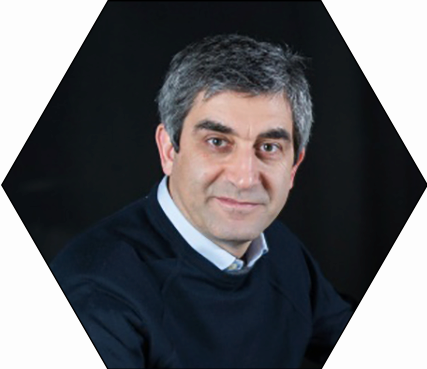
Georg Fantner is an Associate Professor at the Swiss Federal Institute of Technology Lausanne (EPFL) with dual appointments in the School of Engineering (STI) within the Institute of Bioengineering and the School of Life Sciences (SV) for teaching. He directs the Laboratory for Bio- and Nano-Instrumentation (LBNI) and holds leadership roles including President of the Open Science Strategic Committee and the Association des Professeurs de l'EPFL. Research Focus: Bioinstrumentation, Nanotechnology, Scanning Probe Microscopy, and Metrology Teaching: Structural Mechanics for Life Sciences, Metrology, and Metrology Practicals His research pioneers advanced instrumentation for nanoscale characterization, emphasizing data-driven approaches to enhance microscopy techniques. Recent work integrates deep learning with scanning probe microscopy for real-time biological imaging and develops novel MEMS devices for fluid-compatible nanoscale manipulation. Key innovations include hermetically sealed sample chambers for pathogen studies and deterministic nanotopography engineering. Professor Fantner actively mentors 7 current PhD students and has supervised 14 graduates. His laboratory fosters interdisciplinary collaboration across engineering, physics, and life sciences to advance nanoscale measurement technologies and instrumentation development.
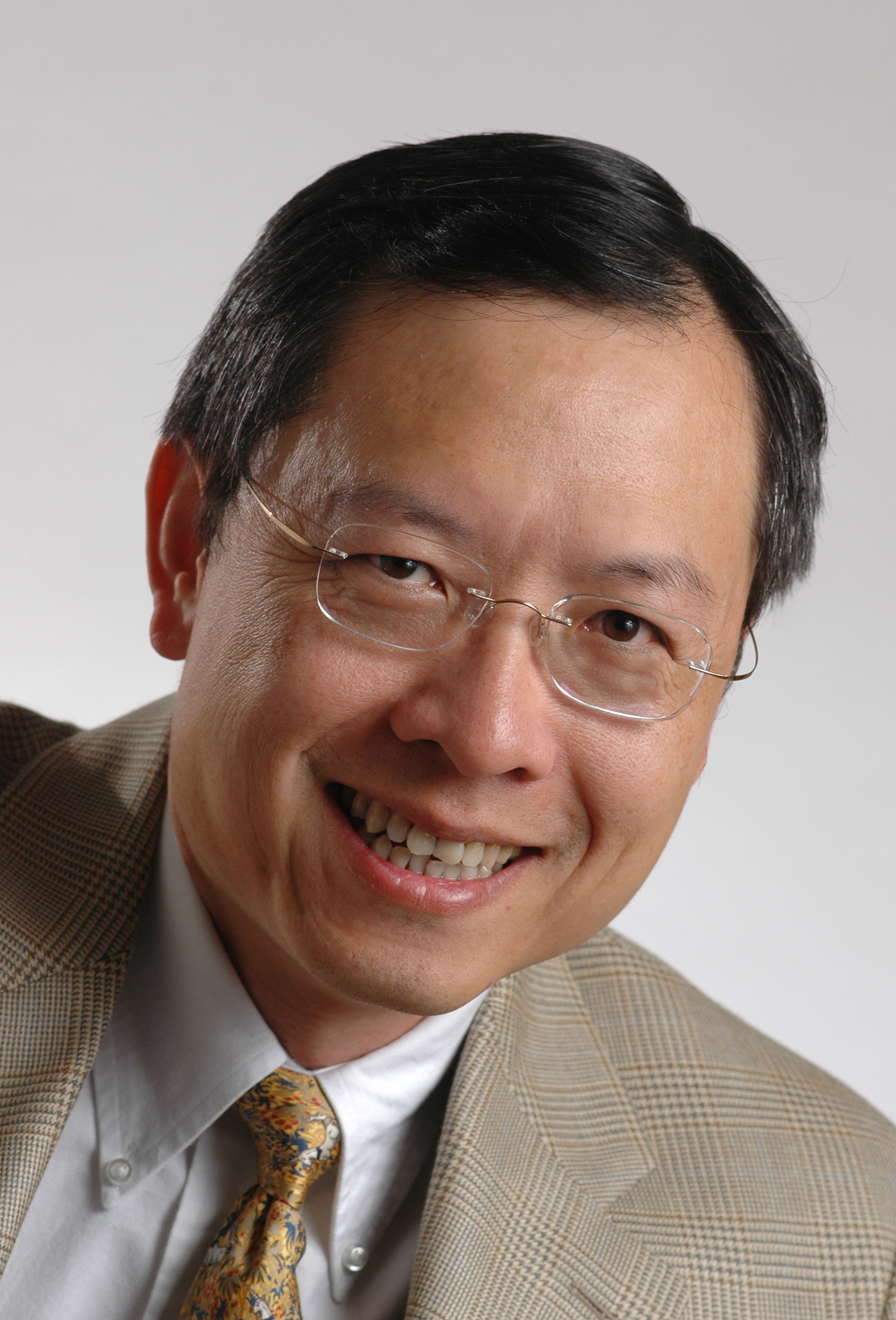
Ming C. Wu is the Nortel Distinguished Professor of Electrical Engineering and Computer Sciences at the University of California, Berkeley. He co-directs the Berkeley Sensor and Actuator Center (BSAC) and the Berkeley Emerging Technologies Research Center (BETR), and is affiliated with the NSF Challenge Institute for Quantum Computation. He earned his B.S. from National Taiwan University in 1983 and Ph.D. from UC Berkeley in 1988, following a postdoctoral stint at AT&T Bell Laboratories (1988–1992) and faculty role at UCLA (1992–2004). Research Areas: Silicon Photonics Optoelectronics Nanophotonics Optical MEMS Optofluidics Prof. Wu's recent publications focus on scalable photonic systems, including wafer-scale silicon photonic switches, MEMS-based LiDAR, and quantum technologies. His work bridges fundamental research and commercialization, exemplified by co-founding OMM, Inc. (MEMS optical switches) and Berkeley Lights, Inc. (optoelectronic tweezers). Scientific Awards: Paul F. Forman Engineering Excellence Award (OSA 2007) William Streifer Scientific Achievement Award (IEEE Photonics Society 2016) C.E.K. Mees Medal (OSA 2017) Robert Bosch MEMS Award (IEEE EDS 2020) Bakar Prize (UC Berkeley 2021) IEEE Fellow (2002) Packard Fellow (1992) He leads the Integrated Photonics Laboratory , which develops technologies for optical communication, sensing, and biomedical applications.
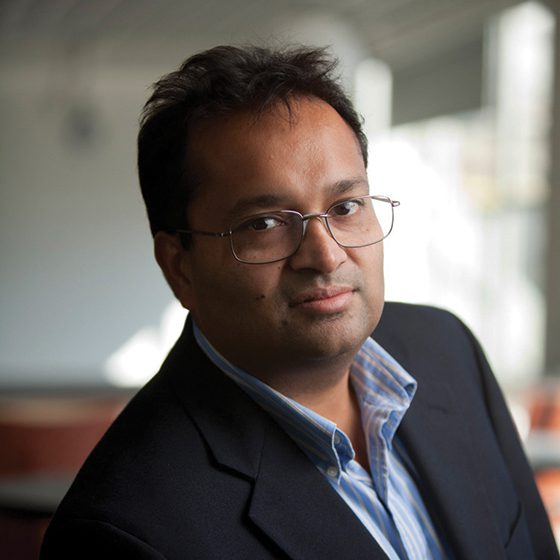
F. Levent Degertekin is a Regents' Entrepreneur and the George W. Woodruff Chair in Mechanical Systems and Professor at the George W. Woodruff School of Mechanical Engineering at Georgia Institute of Technology. His office is located in Love Building, room 311B, and his contact email is levent.degertekin@me.gatech.edu. Dr. Degertekin's academic journey includes a Ph.D. in Electrical Engineering from Stanford University (1997), an M.S. in Electrical Engineering from Bilkent University, Turkey (1991), and a B.S. in Electrical Engineering from Middle East Technical University, Turkey (1989). Dr. Degertekin's research focuses on micromachined ultrasonic devices and systems for medical applications, particularly in intravascular ultrasound imaging, therapeutic ultrasound, and acousto-optical sensors for MRI. His work spans from fundamental research on novel transduction methods to complete catheter-based imaging systems close to commercialization. He has made significant contributions to capacitive micromachined ultrasonic transducers (CMUTs), developing diffraction grating based optomechanical sensing methods now commercialized by Silicon Audio, novel atomic force microscopy imaging probes, and micromachined ultrasonic ejector structures for cell transfection commercialized by OpenCell Technologies. His research integrates acoustics, optics, and their combinations for various medical applications, utilizing conventional microfabrication (MEMS) and integrated circuit technologies. The Degertekin lab exposes students to applied physics, electrical, mechanical and biomedical engineering, biology, and biomimetic systems, providing them with thorough theoretical and experimental education in acoustics and optics while learning interdisciplinary research. Dr. Degertekin's work has received significant media attention, including coverage in IEEE Spectrum, Wired Magazine, The New York Times, and Fox Business News, highlighting innovations such as handheld ultrasound probes, MRI safety sensors, and minimally invasive cardiac imaging technologies. IEEE Fellow for 'Contributions to micromachined ultrasonic and optomechanical transducers and systems,' 2022 IEEE UFFC Society Inaugural Carl Hellmuth Hertz Ultrasonic Achievement Award, 2014 George W. Woodruff School Outstanding Achievement in Commercialization and Entrepreneurship Award, 2024 National Science Foundation CAREER Award, 2004-2009 Whitaker Foundation Biomedical Engineering Research Grant Award, 2001 66 US and 6 International Patents Dr. Degertekin has mentored numerous students who have gone on to make significant contributions in the field. Several of his students have received IEEE Ultrasonics Symposium Best Student Paper Awards, including Jeff McLean (2003), Sheng-Yu Peng (2006), Rasim O. Guldiken (2005 and 2007), and Toby Xu (2014). His research has been supported by various grants including the NSF CAREER Award and Whitaker Foundation grant. His work has led to multiple commercial ventures including Silicon Audio and OpenCell Technologies. The Degertekin Group at Georgia Tech focuses on transducers and systems for medical imaging and sensing, with current projects including capacitive parametric transducers, acousto-optic sensors for MRI, novel transducer methods for focused ultrasound in the brain, microsystems for intravascular and intracardiac ultrasound imaging, and CMUT-on-CMOS systems for IVUS imaging.
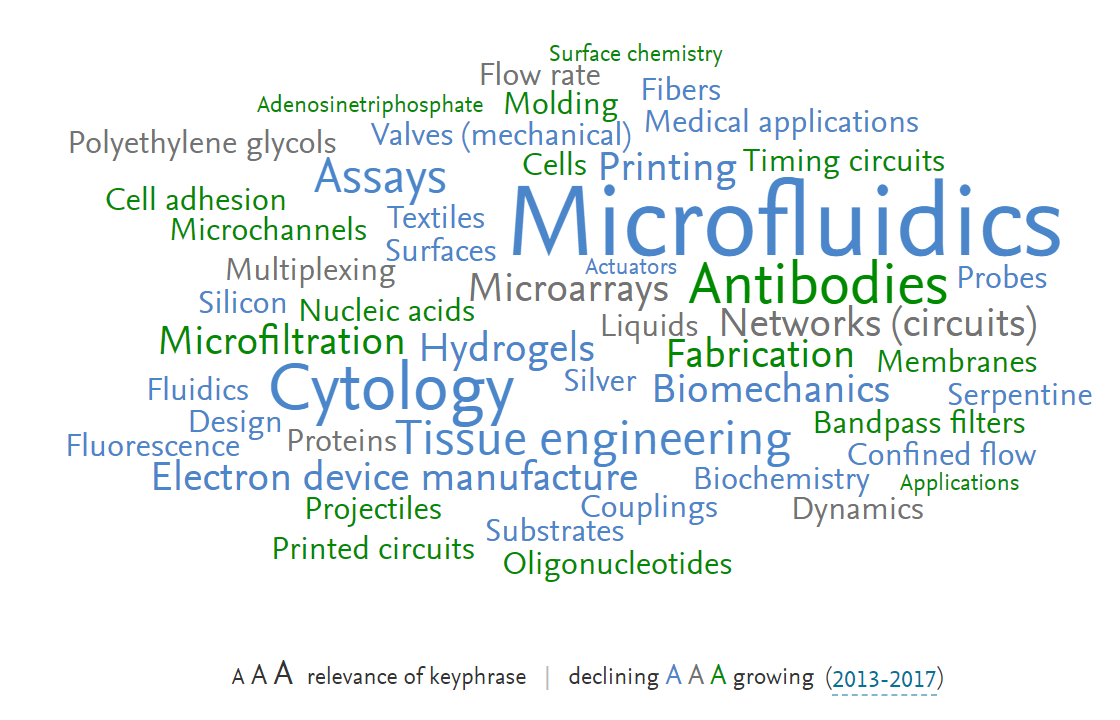
David Juncker is a Professor and Department Chair of the Department of Biomedical Engineering at McGill University. He serves as a Principal Investigator at the McGill University & Genome Quebec Innovation Centre and holds associate memberships in the Department of Neurology and Neurosurgery, Department of Electrical and Computer Engineering, Division of Experimental Medicine, Department of Surgery, and Goodman Cancer Research Centre. His research focuses on micro- and nano-bioengineering technologies for bioanalysis, precision medicine, and organs-on-chips. Key areas include microfluidics, lab-on-a-chip devices, biomedical sensors, medical diagnostics, biomaterials, tissue engineering, and cancer biomarker discovery. His lab develops scalable antibody microarrays, self-powered diagnostic platforms, microfluidic probes for brain tissue perfusion, and nanogradients for neuronal navigation, with applications in cancer diagnostics, global health, and neuroscience. Recent publications (2023-2025) reveal strong emphasis on extracellular vesicle analysis, single-cell proteomics, 3D-printed microfluidic/organ-on-a-chip systems, and capillary-driven circuits. Key trends include low-cost point-of-care diagnostics, advanced circulating tumor cell isolation methods, and biomimetic synthetic vesicles for drug delivery, demonstrating translational potential in early disease detection. Dr. Juncker leads a highly interdisciplinary team comprising undergraduate and graduate students, post-doctoral fellows, and staff from diverse scientific, engineering, and cultural backgrounds. His lab actively recruits Canadian/permanent resident graduate students for projects on single extracellular vesicle and protein detection in cancer and infectious diseases, leveraging microfluidics and wearables for biomarker discovery. The Juncker Lab operates from the McGill University & Genome Quebec Innovation Centre (740 Dr. Penfield Avenue, Room 6206). It maintains a collaborative, multicultural environment focused on developing transformative micro- and nano-bioengineering technologies with significant potential impact on human health diagnostics and treatment.
Prof. Jürgen Rühe is a Full Professor of Chemistry and Physics of Interfaces at the Institute of Microsystems Technology, Albert Ludwigs University of Freiburg, within the Faculty of Engineering. He serves as Deputy Coordinator of Research Area C and Principal Investigator for Research Areas A, B, C, and D. His expertise spans polymers at interfaces, metamaterials, biomedical surfaces, and self-healing materials. He leads the Cluster of Excellence liv MatS, focusing on adaptive and energy-autonomous materials systems. Education: Not explicitly stated in text. His research emphasizes programmable materials, 4D printing, and bioinspired design, with projects funded by the German Research Foundation (DFG). Notable contributions include anti-fog coatings, magnetic microactuators for cell stimulation, and hygromorphic materials for adaptive architecture. He supervises doctoral and postdoctoral researchers, advancing fields like tribology and surface functionalization. Key scientific achievements include developing C,H-insertion cross-linking (CHic) for durable polymer networks and exploring smart materials for biomedical and environmental applications. His work bridges fundamental polymer chemistry with practical applications in energy, healthcare, and sustainable architecture. He advises over ten doctoral students and collaborates with industry partners. His lab, part of the Institute of Microsystems Technology, focuses on micro- and nanostructuring, with projects funded by the Cluster of Excellence.
Amit Lal is a Professor in the School of Electrical and Computer Engineering at Cornell University, with affiliations in Biomedical Engineering, Applied Engineering Physics, and Mechanical and Aerospace Engineering. He is a member of key research centers including Cornell CCMR, NBTC, and KAUST-CU. Education: B.S. in Electrical Engineering, California Institute of Technology, 1990 Ph.D. in Electrical Engineering, University of California, Berkeley, 1996 Prof. Lal's research focuses on the development of integrated microsystems using micro- and nanoscale fabrication. His work spans ultrasonic MEMS, low-power IoT sensors, atomic microsystems, and bio-robotics. He directs the SonicMEMS Laboratory, advancing technologies in GHz ultrasonics, inertial sensing, and chip-scale manipulation of particles. His interdisciplinary interests include biomedical imaging, solid-state devices, nanotechnology, and plasma science. His recent publications highlight innovation in energy harvesting, MEMS gyroscopes, and biologically integrated systems. The works reflect strong trends in autonomous sensing, miniaturized power sources, and hybrid bio-electromechanical systems, particularly for medical and navigation applications. Scientific Awards and Honors: NSF CAREER Award Whitaker Foundation Award Department of Defense Exceptional Service Award Best Program Manager Award, DARPA IEEE Ultrasonics and Frequency Control Symposium Best Paper Award IEEE NEMS Best Paper Award Robert M. Scharf 1977 Professor, Cornell Engineering HHMI Visiting Scientist, Janelia Farms Intel Fellowship (awarded to advisee) Prof. Lal has advised numerous students who have gone on to win awards and publish impactful research. He has secured significant research funding through DARPA and other agencies, managing and initiating multiple high-impact programs. His leadership extends to service on technical committees for IEEE conferences and journals, including Transducers and the IEEE Sensors Council. He has also contributed to academic recruiting within ECE. He leads the SonicMEMS Laboratory , a multidisciplinary research group focused on transforming sensing, communication, and computation at the microscale. The lab fosters collaboration across engineering and life sciences, pushing the boundaries of what integrated microsystems can achieve.
Prof. Dr. Metin Sitti is a leading academic and researcher currently serving as Director at the Max Planck Institute for Intelligent Systems and affiliated faculty at Carnegie Mellon University's Robotics Institute and Koç University's Schools of Medicine and Engineering. His interdisciplinary work bridges robotics, materials science, and biomedicine. His research interests center on medical microrobotics , bio-inspired robotics , and physical intelligence , exploring how intelligent behaviors can emerge from material properties and system design. He leads the Physical Intelligence Research Group , pioneering novel approaches in soft and micro-robotic systems. The scientific publications attributed to Prof. Sitti span diverse areas including micro-robotic locomotion, stimuli-responsive materials, and collective behavior in synthetic systems. Though specific titles are not listed, his body of work consistently contributes to robotics, nanotechnology, and biomedical engineering. Rahmi M. Koç Science Award ERC Advanced Grant IEEE Fellow National Science Foundation CAREER Award SPIE Nanoengineering Pioneer Award IEEE/ASME Best Mechatronics Paper Award Robotics: Science and Systems Conference Best Paper Award IEEE/RSJ Intelligent Robot Systems Conference Best Paper and Video Awards IEEE Robotics and Automation Conference Best Paper and Video Awards IEEE Robotics and Biomimetics Conference Best Paper and Video Awards Prof. Sitti has secured major grants including the ERC Advanced Grant and NSF CAREER Award, supporting high-impact research in intelligent materials and robotic systems. He has mentored numerous researchers and students across institutions, though specific advisees are not listed. His entrepreneurial initiative led to the founding of nanoGriptech Inc. in 2009, commercializing gecko-inspired microfiber adhesives. He leads the Physical Intelligence Department at the Max Planck Institute, where his team develops novel robotic materials and microsystems that exhibit intelligence through physical design rather than computation alone.
Dr. Zahra Abbasi is an Assistant Professor at the Department of Electrical and Software Engineering, University of Calgary (since 2021), with expertise in designing passive and active RF/microwave sensors for non-invasive real-time detection and monitoring. She holds a PhD in Nanosystems and Microsystems from the University of Alberta (2020) and a postdoctoral fellowship at the Waterloo Microfluidics Lab (University of Waterloo). Her research focuses on sensor systems for environmental, biomedical, and industrial applications, including microfluidic sensing, chipless tags, and wearable devices. Dr. Abbasi’s educational background includes degrees from Iran University of Science & Technology (BSc 2014, MSc 2016) and advanced training in Canada. She chairs IEEE MTT-S/AP committees in Alberta and has received notable awards such as the ASTech Finalist (2024) and Alberta Immigrant Impact Award (2023). Her work emphasizes collaboration across disciplines to address challenges in precision agriculture, healthcare, and environmental monitoring. Her sensor research spans diverse fields: microplastic detection in water, hydrocarbon contamination monitoring, real-time medical diagnostics (e.g., fibrinogen levels), and nutrient assessment in agriculture. Recent advancements include disposable sensors for medical implants and non-invasive hydration tracking for aging populations. Awards Finalist: ASTech Early Career Academic Change Maker (2024) Early Research Excellence Award (Schulich School of Engineering, 2023/2024) Alberta Immigrant Impact Award (2023) Advising & Labs Dr. Abbasi leads the Calgary Sensor Laboratory, fostering innovation in microwave and microfluidic sensor technologies. Her team collaborates on industrial and biomedical projects, emphasizing practical applications of novel sensor designs. While no named advisees are listed, her research group actively engages in multidisciplinary projects.
Francesca Rodino is a Doctoral Assistant and Research Fellow at École Polytechnique Fédérale de Lausanne (EPFL), affiliated with the School of Engineering and the Electrical and Microengineering Institute (IEM). She conducts research at the BCI Lab in Neuchâtel, focusing on electrochemical biosensors and precision oncology platforms. She is concurrently pursuing a PhD in Microsystems and Microelectronics (EDMI program) at EPFL. Education: B.Sc. in Biomedical Engineering, Politecnico di Torino (2019) M.Sc. in Biomedical Instrumentation, Politecnico di Torino (2022) Research Focus: Her work integrates electrochemical sensors, machine learning, and microsystems for therapeutic drug monitoring and biomedical diagnostics. Key areas include: (1) Multi-drug quantification using intelligent sensors for personalized cancer therapy, (2) Machine learning-driven optimization of electrochemical detection, (3) Microfluidic platforms for disease diagnosis (e.g., malaria), and (4) Wearable systems for neural prosthetics. Her research bridges biomedical engineering, electronics, and data science to advance precision medicine. Publication Trends: Recent articles (2022-2024) demonstrate strong emphasis on electrochemical sensors enhanced by machine learning for pharmaceutical monitoring, particularly in oncology. Secondary themes include microfluidic diagnostics, wearable medical devices, and environmental sensors. Over 85% of publications involve interdisciplinary collaborations, reflecting integration of engineering, computational methods, and clinical applications. Teaching & Leadership: Teaching Assistant for Bio-nano-chip design (EE-517) and MEMS practicals II (MICRO-503) EPFL team coach for international SensUs biotechnology competition
Professor Will Wenmiao Shu is the Hay Chair in Biomedical Engineering and Director of Research at the Department of Biomedical Engineering, University of Strathclyde. He has held positions at prestigious institutions including University of Cambridge (PhD), Heriot-Watt University (Lecturer/Reader), and Stanford University (Visiting Position). His work focuses on 3D biofabrication , bioprinting , and regenerative medicine . PhD in Electrical Engineering & Nanoscience, University of Cambridge His research pioneered the first bioprinting of human embryonic stem cells and induced pluripotent stem cells, enabling animal-free drug testing and 3D printed organs . Current projects include 3D Bioprinting of Vascularised Hepatic Cancer Models and BIOME: Bioplastic Injection-moulding Optimisation . Recent publications address nanometrology and soft tissue resection simulations , reflecting his interdisciplinary approach. Awards include dual Best Presentation Prizes in 2024 for work on microvascular networks and animal-free research. Editorial Board Member, IOP Biofabrication Journal Board Director, International Society for Biofabrication (ISBF) Founding Member (emeritus), Royal Society of Edinburgh’s Young Academy
Muhannad S. Bakir is the Dan Fielder Professor in the School of Electrical and Computer Engineering at Georgia Institute of Technology, and Director of the 3D Systems Packaging Research Center . His research focuses on heterogeneous integration , electrical/photonic interconnects , thermal modeling , and electronics for healthcare , with over 180 publications and 12 U.S. patents. Research areas include: Advanced cooling and power delivery for emerging systems Biosensor-CMOS integration 2.5D/3D IC packaging Polylithic integration technology Nanofabrication for microsystems Scientific accolades include: 2018 IEEE EPS Exceptional Technical Achievement Award 2013 Intel Early Career Faculty Honor Award 2012 DARPA Young Faculty Award 2011 IEEE CPMT Outstanding Young Engineer Award Best paper awards at IEEE ECTC, IITC, and CICC 2020 Georgia Tech Doctoral Thesis Advisor Award His lab explores integrated 3D systems with emphasis on co-design of thermal, power, and electrical networks for machine learning and healthcare applications.
Sam Emaminejad is an Associate Professor in the Department of Electrical and Computer Engineering at the Henry Samueli School of Engineering and Applied Science, University of California Los Angeles (UCLA). His research focuses on developing advanced wearable bioelectronic systems for continuous, noninvasive health monitoring and personalized therapeutics. Key Research Areas: Biomarker detection via flexible sensors Microfluidic and ferrobotic systems Stress and drug level monitoring Biodegradable and breathable wearable materials Recent Trends: Analysis of sweat and interstitial fluids using microneedles, aerogel skins, and programmable microfluidics. Machine learning integration for physiological evaluation is prominent. Awards & Collaborations: While specific awards aren't listed, he collaborates with major UCLA Health and Engineering faculty, including Ali Khademhosseini and Dino Di Carlo, on projects funded by NIH T32 grants and institutional fellowship programs. Grants & Labs: Leads projects in NIH-funded wearable sensor research, including the development of autonomous systems for cystic fibrosis and glucose monitoring. His lab explores ferrobotic swarms and hydrogel-based interfaces for clinical and consumer applications.
Albert B Frazier is a Professor in the School of Electrical and Computer Engineering at the Georgia Institute of Technology. He holds a joint appointment in Bioengineering and has expertise in Microsystems, MEMS, and biomedical applications. His research focuses on microfluidics, integrated detection systems, and microneedle technologies. Education: B.S. & M.S. (Electrical Engineering, Auburn University, 1986–1987); Ph.D. (Electrical and Computer Engineering, Georgia Tech, 1993) Previous Roles: Visiting Scholar (University of Michigan, 1994–1995), Joint Faculty (University of Utah, 1995–1999) His research interests span micromachining , bio-detection systems , and nanotechnology . He has led initiatives in microfluidic systems for cellular analysis and pioneered work on nano-particle separations. Dr. Frazier has served as an Associate Editor for Journal of Mechatronics and IEEE Transactions on Industrial Electronics , and chaired multiple technical committees and panels. He has received awards including the 2007 Georgia Tech Outstanding Professional Education Award and has delivered plenary lectures at international conferences. Currently, he chairs the ECE Bioengineering and Microsystems Technical Interest Groups and serves on the Scientific Advisory Board for CBMM for Precision Medicine.
Dr. Cosmin Ioan Roman is a Lecturer at the Department of Mechanical and Process Engineering at ETH Zürich, affiliated with the Chair in Micro and Nanosystems since 2006. His research focuses on solid-state micro and nanotransducers, spanning from traditional Silicon micromachining to carbon nanotube-based (CNT) devices for bio-sensing applications, with an emphasis on energy-efficient transducer concepts. Doctoral Degree: National Polytechnic Institute of Grenoble (INPG) Roman's expertise lies in multi-physics and compact modeling of transducers. His work bridges materials science, semiconductor device physics, and biomedical sensing, utilizing advanced fabrication techniques for scalable sensor arrays on flexible substrates. The selected publications highlight his contributions to tactile sensing and cell rheology. His co-supervised doctoral thesis on carbon nanotube resonators demonstrates his interdisciplinary approach to nanoscale and biomedical systems.
Neil White is Professor of Intelligent Sensor Systems at the University of Southampton's Electronics and Computer Science (ECS) school and serves as Director of the ECS Centre for Healthcare. He has held various leadership positions including Head of Electronics and Computer Science from 2011 to 2015 and has been instrumental in establishing research initiatives in sensor technology and energy harvesting. His research interests focus on medical sensors , intelligent sensor systems , and energy harvesting technologies. Professor White's work bridges the gap between engineering and healthcare applications, with significant contributions to wearable medical devices, particularly respiratory monitoring systems. His research integrates micro-electromechanical systems (MEMS), energy harvesting techniques, and smart textiles to create innovative healthcare solutions. Analysis of his recent publications reveals a strong focus on energy harvesting technologies, medical sensor applications, and e-textile development. His work spans multiple disciplines including biomedical engineering, electrical engineering, and materials science, with applications in healthcare monitoring, environmental sensing, and transportation systems. The research demonstrates a consistent theme of creating self-powered, intelligent sensor systems for practical applications. Professor White has received notable recognition including the Callendar silver Medal (2009) from the Institute of Measurement and Control and the 1989 Educational Prize from the International Society for Hybrid Microelectronics. Principal Investigator on NIHR i4i project developing low-cost wearable respiration sensors Former Director and co-founder of Perpetuum Ltd., specializing in vibration energy harvesting Current collaborations with clinicians at University Hospital Southampton Extensive funding from EPSRC, European Union, and industry partners Professor White leads research within the Smart Electronic Materials and Systems group, the Institute for Life Sciences, and the Centre for Health Technologies. His work in the Interdisciplinary Musculoskeletal Health and Digital Health research areas demonstrates his commitment to cross-disciplinary collaboration to address complex healthcare challenges through engineering solutions.