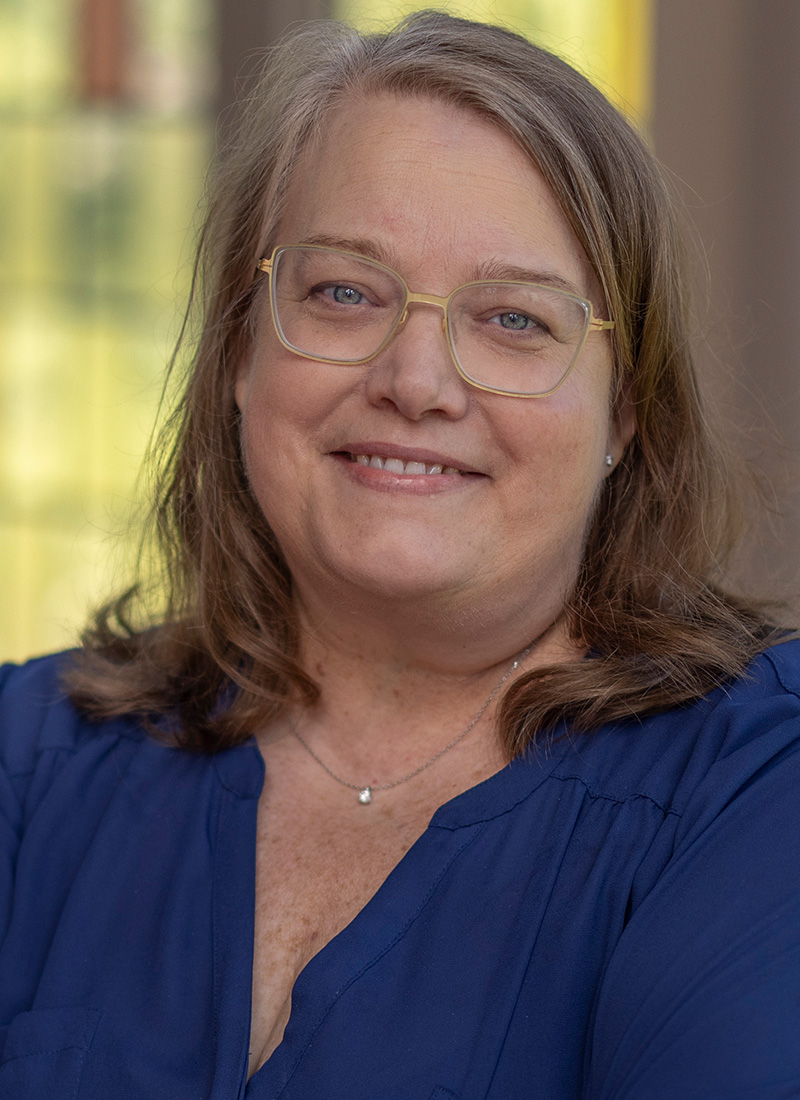
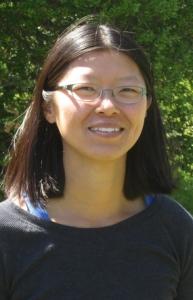
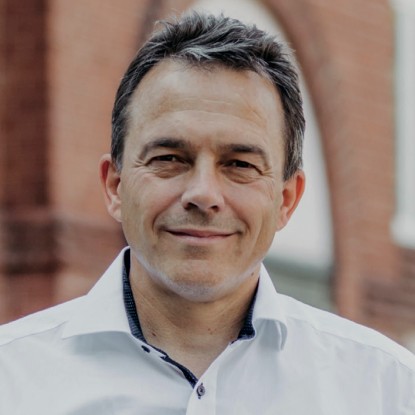
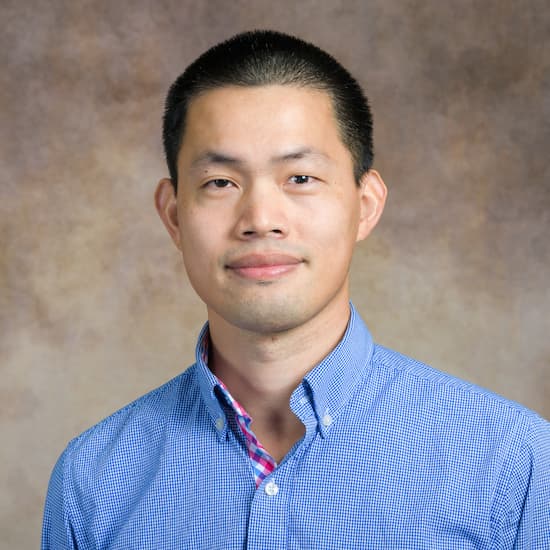
Mary Miller is a Professor of Biology at Rhodes University, specializing in cell cycle regulation and cancer biology. Her research focuses on the molecular mechanisms governing eukaryotic cell division, particularly cyclin protein dynamics and DNA damage responses. B.A., University of Tennessee Ph.D., University of Virginia (Genetics, Microbiology, Cell Biology) Her laboratory investigates how the anticancer drug KP1019 induces cell cycle arrest in Saccharomyces cerevisiae , with implications for oncogenic processes in humans. Key areas include: Genome-wide transcriptional analysis Cell division cycle coordination Protein localization mechanisms Chemotherapeutic drug effects Recent publications highlight KP1019's impact on DNA damage responses and educational initiatives in yeast genetics. Collaborations include work with Pam Hanson and Laura Stultz.
Francesco Carfi' Pavia is a Researcher (ICHI-01/B) at the Polytechnic School of the University of Palermo . His work focuses on biomedical engineering, polymer science, and tissue engineering, particularly scaffold fabrication for 3D cell culture systems. Research Interests : His research spans scaffold design for bone and tissue regeneration, computational modeling of bioreactors, and microbial bioremediation studies. He explores advanced fabrication techniques like thermally induced phase separation (TIPS) and galvanic deposition for biomedical applications. Publications Trends : His recent articles emphasize 3D scaffold development for cancer models, orthopedic implants, and microbial adaptation to toxicants, with applications in drug delivery, tissue regeneration, and biodegradable materials. Contact : Email: francesco.carfipavia@unipa.it Office hours: Wednesdays and Thursdays, 3:00 PM–6:00 PM, Building 6, Third Floor.
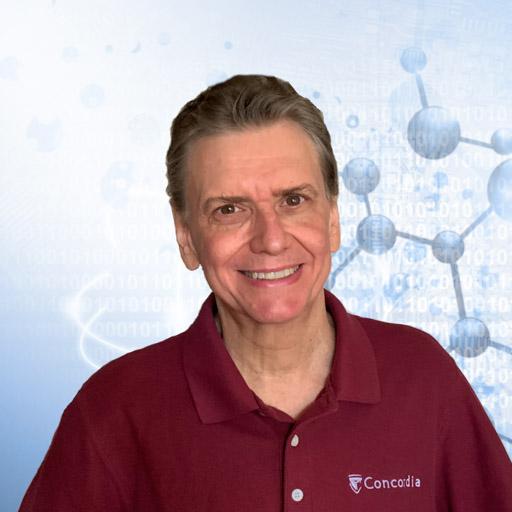
Gilles Peslherbe is a Professor at Concordia University, cross-appointed in the departments of Chemistry and Biochemistry , Physics , and Chemical and Materials Engineering . He leads the Centre for Research in Molecular Modeling (CERMM) and supervises graduate students in programs spanning Chemical Engineering, Chemistry, Physics, and Nanoscience. PhD in Physical Chemistry with Minor in Computer Engineering (Wayne State University, USA) Diplôme d'Ingénieur Chimiste (Ecole Supérieure de Chimie Industrielle de Lyon, France) His research integrates computational chemistry , quantum mechanics , and machine learning to model chemical processes in extreme conditions, drug delivery systems, and environmental impact assessments. Collaborative projects include studies on spin catalysis , nanostructured materials , and RNA structure fundamentals . Recent publications highlight applications of artificial intelligence in therapeutics development , density-functional theory in nanomaterials , and ultrasfast spectroscopy in electron solvation . His work bridges quantum computing and biological simulations . Teaching includes courses on quantum theory , computational chemistry , and statistical mechanics . He actively seeks students for ongoing projects in chemical interactions in extreme conditions and environmental remediation .
Yinglong Miao is an Associate Professor in the Department of Pharmacology and Computational Medicine Program at the University of North Carolina at Chapel Hill School of Medicine. His research bridges computational biology, chemistry, molecular biophysics, bioinformatics, and pharmacology to advance biomolecular modeling and drug discovery. Dr. Miao's primary research focuses on overcoming computational limitations in biological simulations through innovative methodologies. Key areas include: AI-driven drug discovery for G-protein-coupled receptors (GPCRs), membrane-embedded proteases, RNA-binding proteins, and RNA targets Development of enhanced sampling techniques (GaMD, LiGaMD, Pep-GaMD, PPI-GaMD) enabling microsecond-scale binding/unbinding simulations Multiscale modeling of cellular signaling pathways relevant to neurological disorders, heart failure, and cancer The Miao Lab collaborates extensively with experimental groups to validate computational findings, with current emphasis on Adenosine A1 receptor drug design for cardiovascular and neurological diseases. The lab integrates AI with molecular dynamics to address critical challenges in GPCR flexibility and allosteric drug development.
Dr. Ramzi Abou-Arraj is a tenured Professor and Interim Associate Dean at the University of Alabama at Birmingham School of Dentistry , where he has served since 2012. His academic appointments span Periodontology, the Global Center for Craniofacial Oral and Dental Disorders (GC-CODED), and the School of Medicine's Center for Clinical and Translational Science (CCTS). Education : Doctor of Dental Surgery (DDS) from Saint-Joseph University (2003), Certificate in Periodontics (2012), and Master of Science in Dental Clinical Sciences from UAB (2012). Dr. Abou-Arraj's research focuses on periodontal regeneration , bone augmentation techniques , and soft tissue grafting around dental implants. His work evaluates biomaterials (e.g., acellular dermal matrix, rh-FGF-2/β-TCP), anatomical factors in sinus surgery, and patient-centered outcomes in mucogingival procedures. Recent publications (2015-2023) demonstrate trends in bone particle size effects , wound dressing modalities , and peri-implant tissue management . He has secured extramural funding from NIH, Straumann, and Medtronic for clinical trials on implant complications and regenerative therapies. Scientific Awards : AADR William B. Clark Fellowship and AAPF Richard Lazzara Fellowship in Advanced Implant Surgery. As an educator, Dr. Abou-Arraj has taught graduate implantology, periodontology, and clinical integration courses since 2012. He has served on thesis committees for students researching implantology and mucogingival surgeries, while maintaining active roles in interdisciplinary clinical decision-making and curriculum development.
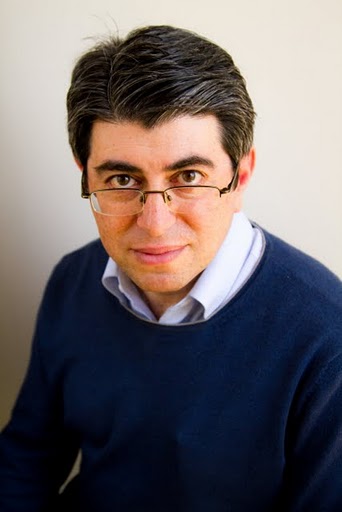
Associate Professor Socrates Dokos is Deputy Head of the Graduate School of Biomedical Engineering at UNSW Sydney. His research focuses on computational modeling of electrical and mechanical properties in excitable tissues, with over 160 publications and a sole-authored textbook on Modelling Organs, Tissues, Cells and Devices . He leads interdisciplinary work combining computational modeling, systems identification, and experimental electrophysiology. Current IEEE EMBC Editor for Computational Systems & Synthetic Biology Member of EMBS Technical Committee on Therapeutic Systems and Technologies Key research areas involve Cardiac electrical and mechanical function modeling Retinal neural stimulation simulations Electroconvulsive therapy (ECT) optimization Biomechanical modeling of tissues and devices Parameter optimization for ionic cell models Cardiovascular-rotary blood pump interactions His recent publications demonstrate expertise in multi-scale biological modeling, cardiac hemodynamics, retinal prosthetics, and therapeutic neuromodulation techniques. He actively engages in developing standards for the Modeling Markup Language (MML) framework. Contact: Room 506, Samuels Building (F25), UNSW Sydney. Email: s.dokos@unsw.edu.au . ORCID: 0000-0002-7399-2712
Cecilio Angulo Bahón is a full Professor at the Polytechnic University of Catalonia (UPC), affiliated with the Barcelona School of Industrial Engineering (ETSEIB) and the Department of Systems, Automatics and Industrial Informatics Engineering . He leads research in Artificial Intelligence and Robotics , with significant contributions to healthcare data analytics, digital twins, and human-robot collaboration. His research spans machine learning for medical data harmonization, generative adversarial networks in health informatics, and evolutionary algorithms for control systems. Recent publications focus on synthetic healthcare data generation, climate-resilient agriculture , and UMAP-based data analysis . His work bridges AI theory with practical applications in industrial and healthcare domains. Scientific awards include the Sant Jordi 2023 Digital Polytechnic Initiative Award . He has supervised doctoral candidates like Carlos Flores-Vázquez and N. Raya, with key collaborations at the IDEAI-UPC Intelligent Data Science and AI Research Group and the Institute of Robotics and Industrial Informatics (CSIC-UPC).
Cathy Wong is an Associate Professor in the Department of Chemistry and Biochemistry at the University of Oregon's College of Arts and Sciences, affiliated with the Materials Science Institute and the Oregon Materials Institute (OMI). She leads a research group focused on photovoltaic and optoelectronic materials, particularly those assembled from nanoscale building blocks like quantum dots, organic molecules, and perovskite nanocrystals. B.Sc., McMaster University (2004) in Biological Chemistry Ph.D., University of Toronto (2011) in Physical Chemistry Postdoctoral work at UC Berkeley (2015) under Naomi Ginsberg Her research investigates how physical arrangements during materials self-assembly alter exciton and carrier behavior. Key areas include photovoltaic materials , optoelectronic properties , nanostructure formation , and in situ spectroscopy during processes like crystallization and chemical bond formation. She pioneered single-shot transient absorption spectrometers for real-time measurement of non-equilibrium systems. The 15 most recent publications highlight her expertise in perovskite nanocrystal growth , halide segregation dynamics , and organic film self-assembly . These works span physical chemistry , materials science , and ultrafast spectroscopy , with subfields including exciton dynamics , ligand engineering , and photovoltaic stability . Her lab trains students in advanced techniques while developing instrumentation for time-resolved microscopy and shot-to-shot correction of photoluminescence. She mentors undergraduates and graduate researchers, including award-winning advisees like Zach, Weston, and Logan.
Jorge Manuel M. C. Pereira Batista is an Associate Professor at the Department of Electrical and Computer Engineering , University of Coimbra, Portugal. He serves as a senior researcher at the Institute for Systems and Robotics (ISR-UC) and leads the Computer Vision Group. His career spans academic roles, research coordination, and industry collaboration. Academic Affiliation: University of Coimbra (Electrical & Computer Engineering Department) Research Institute: Institute for Systems and Robotics (ISR-UC) His research focuses on Computer Vision , Pattern Recognition , and applications of Differential Geometry in these fields. Key subdomains include facial analysis, visual surveillance, real-time vision systems, and machine learning integration. From 2010–2023, his recent publications highlight advancements in probabilistic models , transformer architectures , multi-branch learning , and biomimetic robotics . He has coordinated multiple funded projects such as: STORK : Avian protection systems NeuroCity : Intelligent street lighting 4D Facial Dynamics : Identity recognition iTRAFFIC : BRISA highway traffic monitoring His work bridges theoretical innovation (e.g., Riemannian manifold applications) with practical deployments in transportation, energy, and healthcare sectors.
Andrea Tosin is a Full Professor of Mathematical Physics at the Department of Mathematical Sciences "G. L. Lagrange" (DISMA), Politecnico di Torino. He serves as Coordinator of the Doctoral College of Mathematical Sciences and Deputy Coordinator of the Doctoral College of Pure and Applied Mathematics. His research bridges kinetic theory, transport equations, and applied mathematics with applications in multi-agent systems, traffic, social dynamics, and epidemiology. His research interests focus on: Kinetic theory and its applications to real-world systems Transport and diffusion equations in complex environments Modeling of vehicular traffic, crowd dynamics, and social behavior Epidemiological modeling with a focus on viral load and multi-scale dynamics Mathematical modeling of collective behavior in biological and social systems His recent publications demonstrate a consistent trend in developing and analyzing kinetic models for traffic flow, opinion dynamics, and epidemic spread, often incorporating uncertainty, network structures, and multi-population interactions. These works frequently involve rigorous mathematical derivations from microscopic models to macroscopic equations, with applications in safety, public health, and urban planning. His scientific awards include: SIMAI Biennial Award (2013) INDAM-SIMAI Award (2010) He actively supervises PhD students and postdoctoral researchers, including Martina Fraia, Emanuele Bernardi, Elisa Paparelli, and Mattia Sensi. He has secured significant research grants from national (PRIN, INdAM) and institutional (Politecnico di Torino, Google) sources. His research is supported by projects such as IMASED (Integrated Mathematical Approaches to Socio-Epidemiological Dynamics) and ANATOMY (A Unitary Mathematical Framework for Modelling Muscular Dystrophies). He also leads the "Modelli e Metodi della Fisica Matematica" research group at DISMA.
Prof. Rolf Findeisen is a Professor in the Department of Control and Cyber-Physical Systems (CCPS) at Technische Universität Darmstadt. His work focuses on advancing control theory and its applications in cyber-physical systems, autonomous systems, and energy storage systems. Key areas include model predictive control (MPC), battery management systems, machine learning integration into control frameworks, and optimization of crystallization processes. He leads research on safety-critical systems, data-driven control methods, and interdisciplinary applications in robotics and biotechnology. His research spans theoretical advancements in MPC stability, stochastic control, and Gaussian process modeling, alongside practical implementations in autonomous vehicles, lithium-ion battery systems, and bioprocess optimization. Notable contributions include frameworks like HILO-MPC for integrating machine learning with control systems, and methodologies for safe exploration in autonomous navigation. Prof. Findeisen's publications emphasize energy-efficient trajectory planning, fault detection in battery systems, and real-time optimization of manufacturing processes. His work bridges academic theory with industrial applications, addressing challenges in scalability, safety, and computational efficiency. His lab collaborates on national projects like IN-Fly-Tec and INFLIGHT, focusing on innovative flight control systems and sensor technologies. Current research trends include hybrid intelligent optimization, cybergenetic control of microbial systems, and safe reinforcement learning for control systems.
Prof. Paola Russo is a Researcher at the University of Ancona (Università Politecnica delle Marche), affiliated with the Department of Information Engineering (Dipartimento di Ingegneria dell'Informazione) under the Engineering School. Her work focuses on electromagnetic fields, antenna design, and biomedical engineering applications. Key research areas include reverberation chamber analysis, microwave engineering, and sensor technologies for healthcare and accessibility. She has contributed to advancements in electromagnetic compatibility testing, non-invasive medical sensing, and antenna systems for visually impaired navigation. Her research integrates theoretical modeling with experimental validation, addressing challenges in 5G channel emulation, radar cross-section prediction, and bioimpedance measurements for medical diagnostics. Projects include developing contactless respiratory monitoring systems and guiding devices for visually impaired athletes. Prof. Russo collaborates on interdisciplinary initiatives combining electrical engineering with biomedical applications, such as tissue inflammation detection and astronaut health monitoring.
Julio Soria is a Professor in the Department of Mechanical & Aerospace Engineering at Monash University, where he also holds a leadership role at the Victorian Heart Institute (VHI). He has been a core academic staff member since 1993 and was promoted to full Professor in 2000. He founded and directs the Laboratory for Turbulence Research in Aerospace & Combustion (LTRAC), a key research hub in fluid dynamics. PhD in Mechanical Engineering, University of Western Australia (1989) B.E. (1st Class Honours), University of Western Australia (1983) Postdoctoral Fellowships: CSIRO (1989–1990), Stanford University & NASA Ames Research Center (1990–1991) His research spans Fluid Mechanics , with emphasis on turbulent flows , boundary layers , supersonic jets , and optical measurement techniques like PIV and tomographic methods. Recently, he has integrated scientific machine learning and physics-informed neural networks into fluid dynamics research. His work bridges engineering and biomedical applications, including drug delivery and cardiovascular flows. The most recent publications highlight his work in biomedical fluid dynamics (e.g., sperm motility), inhaler design using CFD and PIV, and advanced 4D imaging techniques. These reflect broad expertise in both experimental and computational methods. His scientific honors include: Fellow, Australasian Fluid Mechanics Society Associate Fellow, American Institute of Aeronautics and Astronautics (AIAA) Member, American Physical Society Member, EUROMECH He serves as Associate Editor of Theoretical and Computational Fluid Mechanics and on editorial boards of Experiments in Fluids and Experimental and Thermal Fluid Science . He leads multiple active research projects in turbulence, flow control, and biomedical applications, and is actively mentoring PhD students. He is also a key investigator in interdisciplinary collaborations involving medical devices and industrial fluid systems. Julio Soria leads the Laboratory for Turbulence Research in Aerospace & Combustion (LTRAC), established in 1994, which conducts cutting-edge research in experimental and computational fluid dynamics, with applications in aerospace, energy, and health.
Yolanda Becerra Fontal is a faculty member at the Universitat Politècnica de Catalunya (UPC), affiliated with the Department of Computer Architecture within the Barcelona School of Informatics (FIB). She is actively involved in research projects and collaborations, notably with the Barcelona Supercomputing Center, and is a member of prominent research groups such as the High Performance Computing Group (CAP) and CROMAI (Computing Resources Orchestration and Management for AI). Research Interests: Her research spans a broad spectrum of computer systems, with a consistent focus on performance, efficiency, and scalability. Key areas include Computer Architecture , High-Performance Computing (HPC) , Distributed and Cloud Systems , Resource and Energy Management in virtualized environments, and Data-Intensive Computing . More recently, her work has centered on innovative time-series database systems and data management for edge and cloud analytics. Publication Trends: Her recent scholarly output (2020-2022) shows a strong emphasis on time-series data management, proposing novel database architectures like NagareDB and strategies for polyglot persistence. Earlier work (2009-2013) was pivotal in MapReduce workload management, energy accounting for virtualized systems, and optical data center networks, demonstrating a long-standing contribution to foundational distributed computing challenges. Scientific Contributions: Her work has been published in top-tier journals and conferences such as Future Generation Computer Systems , IEEE Transactions , and Nucleic Acids Research . She has also contributed to significant competitive R&D projects and holds patents related to data flow management and distributed indexing. Advising and Grants: Dr. Becerra Fontal has served as a thesis advisor for doctoral students. Her research has been funded through competitive grants from national and regional programs, including Spanish State Research Plans (Plan Estatal de Investigación) and Catalonia's RIS3CAT strategy, supporting projects on high-performance computing and data management. Research Groups and Labs: She is a core member of the CAP - High Performance Computing Group and the CROMAI - Computing Resources Orchestration and Management for AI group at UPC. Her work is closely associated with the Barcelona Supercomputing Center (BSC) , one of Europe's leading supercomputing facilities, indicating access to advanced computational infrastructure.
Jiabi Du is an Assistant Professor at Texas A&M University at Galveston, specializing in coastal oceanography and environmental modeling. His research focuses on understanding how coastal systems respond to climate change, extreme weather events like hurricanes, and human activities, with particular emphasis on hypoxia, flooding, and habitat loss. He employs advanced numerical models and long-term observations to study processes such as pollutant dispersion and larval transport in estuaries. Dr. Du holds a Ph.D. in Physical Oceanography from the Virginia Institute of Marine Science (2017), an M.S. in Oceanography from Nanjing University (2012), and a B.S. in Physical Geography from Nanjing University (2010). His awards include the 2019 Institutional Postdoc Fellowship and recognition for academic excellence during his undergraduate and graduate studies. His research interests span coastal hydrodynamics, hurricane impacts, and microplastic transport. Notable contributions include studies on Galveston Bay's hydrodynamic responses to Hurricane Harvey and the role of baroclinic processes in estuarine flushing. He teaches courses in Physical Oceanography and computing. Awards: Best Student Paper (2018), Zengxianzi Scholarship (2007-2009), National Inspiration Scholarship (2007-2008). Labs/Teams: Coastal Modeling Group, Galveston Oyster Larvae Tracker Project. Future research directions include expanding microplastic pollution studies and investigating compounding climate-hurricane effects on coastal systems.