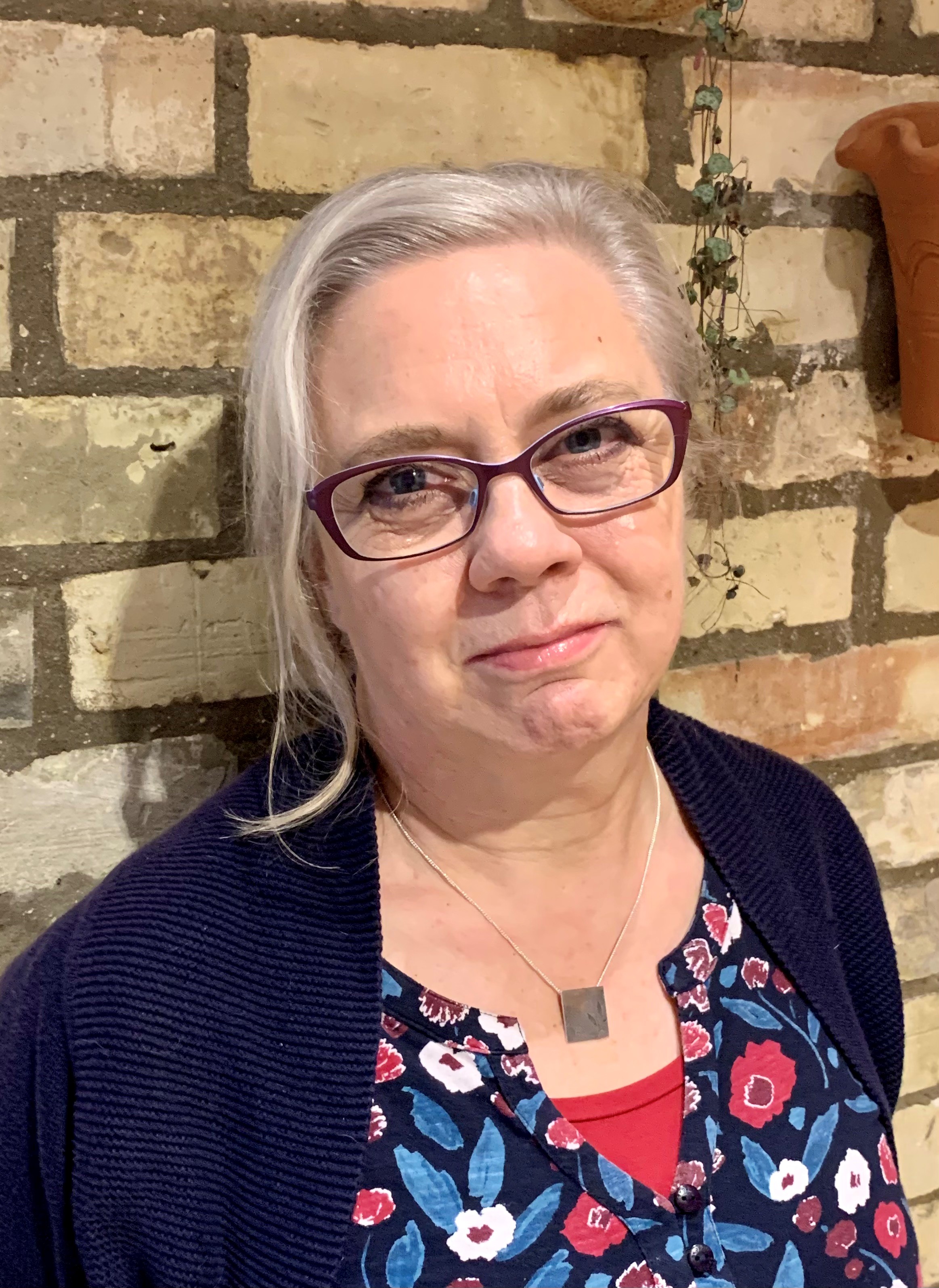
Paola Lorenzon is an Associate Professor of Physiology at the University of Trieste 's Department of Life Sciences since 2002. She coordinates the International Master's Degree in Neuroscience , serves as Coordinator of the OPBA program , and holds key roles in multiple PhD cycles including Neuroscience and Cognitive Science (XXVIII to XXXVIII cycles) and Biology (SM50). Her research focuses on neuromuscular plasticity , aging effects, and microgravity adaptation mechanisms. Education : Bachelor's in Biological Sciences and PhD in Biochemistry from University of Trieste Research Experience : University of Milan, San Raffaele Milan, University of Ljubljana, University of Bonn Her research spans three main areas: neuromuscular junction plasticity , electrostimulation protocols for muscle regeneration, and Piezo1 ion channels in mechanotransduction. Current projects funded by the Italian Space Agency (MIAG, NEMUSY) investigate muscle atrophy in spaceflight and aging. Notable collaborations include working with Annalisa Bernareggi (electrophysiology), Marina Sciancalepore (electrostimulation), and Alessandra Bosutti (project coordination). Her lab employs primary satellite cell cultures , electrophysiology , and mechanotransduction studies to explore muscle regeneration mechanisms.
Professor Alison Dunning serves as Professor of Cancer Genetic & Applied Epidemiology at the University of Cambridge's Centre For Cancer Genetic Epidemiology (CCGE), where she leads wet-lab operations and contributes to major international consortia including BCAC and CIMBA. Appointed to her professorship in 2022 after becoming Reader in 2016, she concurrently acts as University Disability and Wellbeing Champion and Co-Chair of the Disabled Staff Network. Her research focuses on cancer genetic epidemiology , particularly fine-scale mapping of breast cancer risk loci, genetic modifiers of BRCA-related cancer risks, and radiotherapy toxicity mechanisms. She directs high-throughput genotyping for consortia studying polygenic risk scores across diverse populations, mammographic density genetics, and radiation-induced normal tissue complications. Her work bridges wet-lab sample management with statistical genetics to translate findings into clinical risk prediction. Analysis of her 2023-2025 publications reveals dominant themes in cross-ancestry polygenic risk score development and genetic determinants of radiotherapy toxicity , with significant contributions to prostate cancer dose-response modeling and BRCA variant classification. These studies frequently employ large-scale GWAS and international cohort collaborations to address clinical implementation challenges. As Director of Graduate Studies for the Oncology Department (2019-2024) and current formal supervisor for CRUK Cambridge Cancer Centre MRes students, she mentors early-career researchers while teaching on the University's Certificate in Genetics program until 2022. Her advocacy focuses on disability inclusion and combating workplace bullying through epidemiological frameworks that promote belonging in academia. Dunning manages the CCGE's wet-lab team responsible for biological sample curation and genotyping across consortia including Confluence, BRIDGES, and EMBED. Her leadership extends to patient engagement in the Early Detection program, where she supports patient representatives while overseeing sample collection for ctDNA analysis and related studies.
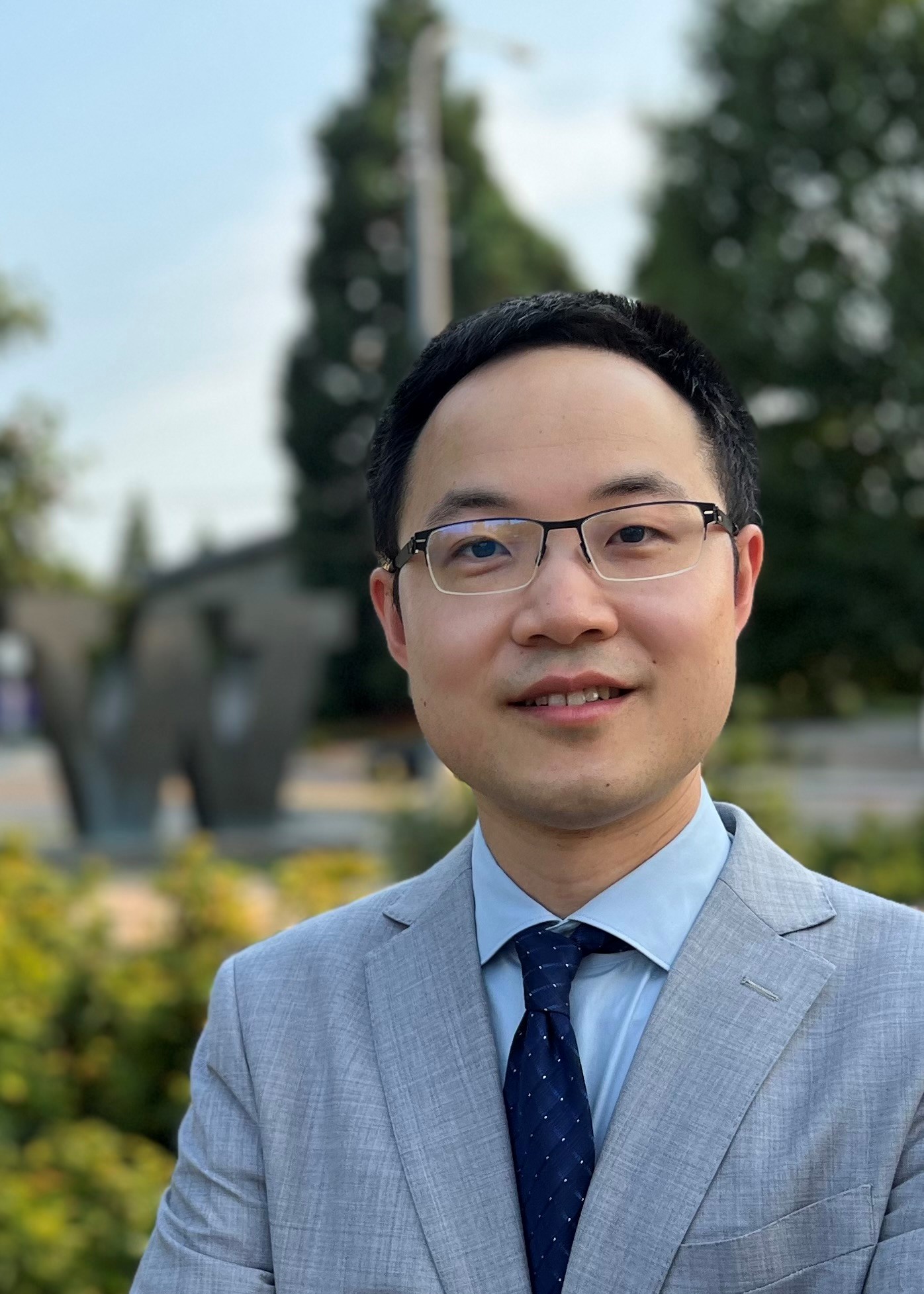
Dr. Shijie Cao serves as an Assistant Professor in the Department of Pharmaceutics at the University of Washington School of Pharmacy, where he leads the Cao Lab focused on innovative drug delivery approaches for immunological disorders. His research bridges pharmaceutical sciences with immunology to develop novel therapeutic strategies targeting the microbiome and immune system. Dr. Cao earned his Bachelor of Science in Pharmacy from Fudan University in Shanghai, China in 2013, followed by a PhD in Bioengineering from the University of Washington in 2018. He completed postdoctoral training in Molecular Engineering at the University of Chicago from 2019-2023 before joining the UW faculty in June 2023. His research program centers on mucosal immunoengineering and microbiome pharmaceutics , with the goal of developing translatable tools to prevent and treat immunological disorders including allergies, inflammation, autoimmune diseases, and infectious diseases. The lab specifically focuses on developing therapeutics that modulate the immune system by targeting the microbiome and its associated metabolites. By leveraging advanced drug delivery tools and microbiome modulation strategies, Dr. Cao's team aims to unravel the complex interplay between the microbiome and various organ systems to improve human health. Analysis of Dr. Cao's recent publications reveals a strong trajectory in developing microbiome-targeted therapies, particularly using butyrate and other microbial metabolites for autoimmune conditions and food allergies. His work demonstrates increasing sophistication in delivery systems, with recent publications focusing on glycosylation-modified antigens for tolerance induction, serine-conjugated butyrate prodrugs with high oral bioavailability, and injectable butyrate-prodrug micelles for long-acting immune modulation. The research spans applications from autoimmune arthritis and neuroinflammation to peanut allergy treatment and chronic wound healing. Dr. Cao actively collaborates with prominent researchers including Jeffrey A. Hubbell and maintains strong connections with his previous mentors at the University of Chicago. His work frequently appears in high-impact journals including Nature Biomedical Engineering, Cell Reports Medicine, and Biomaterials, reflecting the significance and innovation of his contributions to pharmaceutical sciences. The Cao Lab is currently accepting graduate students and maintains active research programs in two primary areas: developing tolerance-inducing vaccines for food allergies and autoimmune conditions, and creating microbiome-targeted delivery systems for inflammatory and autoimmune diseases. The lab employs interdisciplinary approaches combining nanotechnology, immunology, and microbiome science to address unmet medical needs in immune-mediated disorders.
Marty Matlock is a Professor in the Department of Biological and Agricultural Engineering at the University of Arkansas, College of Engineering. He served as Senior Advisor to Secretary of Agriculture Tom Vilsack at USDA from 2021-2022 focusing on food systems resiliency and was Executive Director of the University of Arkansas Resiliency Center. Matlock was elected to the National Academies of Science, Engineering and Medicine's Board of Agricultural and Natural Resources in 2021. B.S., Soil Chemistry, Oklahoma State University M.S., Plant Physiology, Oklahoma State University Ph.D., Biosystems Engineering, Oklahoma State University Dr. Matlock's research focuses on the impacts of humans on the environment at the watershed scale, with expertise in sustainability metrics for water, land, energy, and climate change for agricultural systems. He is a global leader in crop and animal production modeling and life cycle assessment, particularly regarding greenhouse gas emissions. His work spans ecological engineering, food systems resiliency, and environmental risk assessment, with applications in designing sustainable global food supply systems and developing corporate strategies for risk reduction. Analysis of Matlock's recent publications reveals a strong focus on life cycle assessment (LCA) of agricultural systems, particularly food supply chains. His work spans dairy production, fruit and vegetable systems, pulse crops, and livestock feed. A consistent theme is developing methodologies for spatially explicit LCA and creating metrics for sustainability in agriculture. His research increasingly addresses climate change adaptation in food systems and the development of regenerative agricultural practices. 2023 Fellow, The American Society of Civil Engineers 2022 Odom Award for Ecosystem Design 2018 CAST-Borlaug Agriculture Communications Award Multiple design awards for sustainable community planning ASABE Standards Development Award for ANSI/ASABE S629 Matlock has advised more than 40 M.S. and a dozen Ph.D. students over his 25-year career. His research has been supported through numerous grants from USDA, National Academies, and industry partners including The Sustainability Consortium and Field to Market Alliance. He has held leadership positions as Executive Director of the UA Resiliency Center (2018-2021) and UA Office for Sustainability (2012-2018), where he managed significant research initiatives focused on food, water, and community resiliency in response to climate change. Matlock leads research teams working on life cycle assessment of agricultural systems through collaborations with The Sustainability Consortium, Field to Market Alliance, UN Food and Agriculture Organization, and multiple US food and ag industries. His work with the UA Community Design Center has produced innovative approaches to urban watershed management and community food systems, including the Whitmore Community Food Hub Complex and Conway Urban Watershed Framework Plan.
Marlene Ågerstrand is a Senior Lecturer at the Department of Environmental Science , Stockholm University . Her research focuses on the science-policy interface in chemical risk assessment and management, emphasizing how scientific data inform decision-making, the effectiveness of regulatory strategies, and the role of experts in policy development. She actively collaborates with ecologists, toxicologists, chemists, political scientists, and environmental lawyers. Key affiliations: International Panel on Chemical Pollution (IPCP) Board member Co-developer of the SciRAP web tool for structured chemical evaluations Member of the Baltic Sea Fellows interdisciplinary network Research Interests include improving environmental risk assessments of chemicals, science-policy interactions in chemical management, and pathways to a non-toxic circular economy. She specializes in qualitative methods like document analysis and stakeholder interviews. Recent Publications span environmental quality standards under the Water Framework Directive, essential-use concepts in REACH authorization, regulatory disparities in antimicrobial substance controls, and systematic review frameworks for endocrine disruptors.
Valérie A.M. Schoof is a Professor at York University's Faculty of Science, Glendon Campus, specializing in primate behavioral endocrinology. She leads the Community Nkima Project at Lake Nabugabo (Uganda) and the Primate Behavioral Endocrinology Lab at Glendon. PhD in Biological Anthropology from Tulane University Postdoctoral Fellow at McGill University's School of the Environment Her research integrates primate endocrinology with ecology and evolution, focusing on hormonal responses to social/physical environments. Key projects include: Vervet monkey dispersal decisions Reproductive seasonality in modified habitats Parasite impacts on social networks MHC gene variation in capuchins Stress responses in population dynamics She collaborates with: Toronto Zoo Lewa-Borana Conservancy (Kenya) Savanna chimpanzee projects in Senegal
Dorina Cadar is a Reader in Neuroepidemiology and Dementia at Brighton and Sussex Medical School (BSMS), University of Sussex, where she leads the Cognitive Epidemiology, Dementia, and Ageing Research (CEDAR) lab. She holds honorary affiliations with University College London (UCL) and has previously held senior research fellowships at UCL’s Department of Behavioural Science and Health and MRC Lifelong Health and Ageing Unit. She is a key investigator on multiple national and international research projects funded by NIHR, ESRC, Alzheimer’s Society, and UKHSA. Education: PhD in Epidemiology and Public Health, University College London (2013) Postgraduate Certificate in Cognitive Ageing Research Methods, University of Edinburgh (Distinction, 2013) MSc in Clinical Neuroscience, King’s College London (2009) BSc in Psychology (Hons), Birkbeck, University of London (2008) Her research focuses on modifiable risk factors for cognitive ageing and dementia, with a strong emphasis on socioeconomic inequalities, psychosocial factors, lifestyle behaviours, inflammation, and cognitive reserve. She employs longitudinal population studies such as the English Longitudinal Study of Ageing (ELSA) and international cohorts to uncover biopsychosocial mechanisms underlying cognitive decline. Her work bridges epidemiology, neuroscience, psychology, and public health to inform prevention strategies and policy. Her recent publications reveal consistent themes: the role of systemic inflammation in mediating dementia risk, bidirectional links between mental health and cognition, socioeconomic gradients in neurocognitive disorders, and the impact of the COVID-19 pandemic on cognitive health. These studies leverage large datasets and advanced statistical methods to identify actionable targets for intervention. Scientific Awards and Recognitions: MRC Career Development Fellow Award of Innovation for neuroimaging research in dementia Fellow of the Higher Education Academy Nomination for Exceptional Feedback (UCL Students’ Union) Dorina is actively involved in research supervision and teaching. She is the Course Leader for the MSc Dementia Studies at BSMS and is developing a new MSc in Ageing and Dementia. She supervises undergraduate, master’s, and doctoral students on topics related to neuroepidemiology, dementia prevention, and psychosocial resilience. She also serves as an Associate Editor for BMC Psychiatry and Brain Sciences , and chairs the Communication Committee of the Society for Social Medicine. Her leadership in public engagement includes founding the 'Use it, don’t lose it!' initiative to promote brain health. Laboratories and Research Groups: Director, Cognitive Epidemiology, Dementia, and Ageing Research (CEDAR) Lab, BSMS Principal Investigator on grants including 'VIVALDI ASCOT', 'Cognitive Reserve and Dementia', and 'Social Determinants of Dementia in the UK and Japan' Collaborator on international projects funded by NIA, CIHR, and Japanese Institute of Health
Joshua Rosenthal is a Senior Scientist at the Marine Biological Laboratory (MBL), affiliated with the University of Chicago. His research focuses on RNA editing, molecular biology, and neurobiology, particularly processes that modify genetic information in nucleic acids. He leads the Rosenthal Lab and is at the forefront of developing genetically tractable cephalopod models using CRISPR technology. Educational Background Biology B.A., Haverford College Biology Ph.D., Stanford University Dr. Rosenthal's work centers on A-to-I RNA editing via ADAR enzymes, a mechanism that allows precise single-base modifications in mRNA. His lab discovered unprecedented levels of mRNA recoding in cephalopods, exploring how environmental cues influence editing and how this could be harnessed for human therapeutics. The Rosenthal Lab develops site-directed RNA editing platforms to correct genetic mutations in diseases like cystic fibrosis, chronic pain, and cancer. They co-founded Korro Bio, a Cambridge MA-based biotech company commercializing RNA editing therapies. The lab also investigates structural and functional connectivity of squid chromatophores, revealing novel chromogenic behaviors in open-ocean species. Scientific contributions include 11 recent publications on RNA editing mechanisms, cephalopod genetics, and therapeutic applications. Research spans transcriptome plasticity, enzyme targeting, and marine organism adaptation.
Roderick H. Dashwood is a University Distinguished Professor and Director of the Center for Epigenetics and Disease Prevention (CEDP) at Texas A&M University College of Medicine, holding the John S. Dunn Chair in Disease Prevention. He has affiliate faculty roles with the Department of Nutrition and MD Anderson Cancer Center. His career spans faculty positions at University of Hawaii at Mānoa, Director of the Cancer Chemoprotection Program at Oregon State University's Linus Pauling Institute, and his current leadership role at Texas A&M HEALTH. Dr. Dashwood earned his B.S. in Biological Sciences (Cellular Toxicology) from the University of Plymouth (1982), M.S. in Toxicology from the University of Surrey (1983), and Ph.D. in Genetic Toxicology/Carcinogenesis from the University of Portsmouth and ICI Central Toxicology Laboratory (1986), followed by postdoctoral training at Oregon State University (1986-1990). His research integrates multiomic, genetic, epigenetic and immune approaches for precision oncology, with current mechanistic focus on epigenetic readers, writers and erasers that regulate immune players in the antigen presentation pathway. His laboratory combines molecular and cell-based assays with preclinical models coupled to polypectomy, using clinical specimens and organoids from patients undergoing colectomy for human translation. Analysis of his publication history reveals consistent focus on epigenetic mechanisms in cancer, particularly how dietary compounds influence histone modifications and gene expression in gastrointestinal malignancies, with recent work expanding into immune regulation and antigen presentation pathways. Dr. Dashwood has received significant recognition including Fellow of the Royal Society of Biology, University of Hawaiʻi Regents' Medals for Excellence in both Teaching and Research, and the Rice University Biosciences & Bioengineering Medical Innovation Award. His research is supported by the National Cancer Institute (NCI), National Institute of Neurological Disorders and Stroke/National Institute on Aging (NINDS/NIA), and the John S. Dunn Foundation. As Director of the Center for Epigenetics and Disease Prevention, he leads a multidisciplinary research team investigating how epigenetic mechanisms can be targeted for cancer interception and prevention, with particular emphasis on translating basic science discoveries into clinical applications for gastrointestinal cancers.
Diane Gilbert-Diamond serves as Professor of Epidemiology, Medicine, and Pediatrics at Dartmouth College's Geisel School of Medicine, with primary appointment in the Department of Epidemiology. Her research program integrates genetic epidemiology and environmental health sciences to investigate developmental origins of child health outcomes, leveraging longitudinal cohort studies and advanced neuroimaging techniques. Her educational trajectory includes an AB in Biology from Dartmouth College (1998) and an ScD in Nutritional Epidemiology from Harvard School of Public Health (2010), followed by a postdoctoral fellowship in Bioinformatics at Geisel before joining the faculty in 2012. Professor Gilbert-Diamond's research centers on gene-environment interactions affecting child health, with dual emphases on in utero environmental exposures (arsenic and Vitamin D impacts on growth and immune function) and genetic susceptibility to obesogenic environments (neurological responses to food advertising, eating behaviors). Her work employs the New Hampshire Birth Cohort Study and fMRI methodologies to uncover biological mechanisms linking environmental factors with developmental trajectories. Her publication record demonstrates consistent focus on early-life determinants of health, spanning environmental toxicology, nutritional sciences, and behavioral genetics. The research portfolio reveals strong thematic continuity in identifying modifiable environmental factors that interact with genetic predispositions to influence obesity risk and developmental outcomes from prenatal stages through adolescence. She directs an active research laboratory funded by multiple NIH and EPA grants including In utero arsenic exposure and early childhood growth , In utero vitamin D exposure and early childhood immune function , and Children’s genetic predisposition to eat without hunger after food advertisements . While specific advisees aren't named, she offers thesis projects on in utero arsenic/Vitamin D exposures and genetic influences on food response, indicating active graduate mentorship. As Course Director for QBS 130: Foundations of Epidemiology, she contributes significantly to medical and graduate education.
Lorenzo Farina is a Full Professor at Sapienza University of Rome's Faculty of Information Engineering, Computer Science and Statistics, specializing in Electronic and Computer Bioengineering (ING-INF/06). With over 25 years of academic leadership, he co-founded Italy's first Bioinformatics degree program and established key oncology precision medicine initiatives, maintaining active collaborations with Harvard Medical School's network medicine division. His educational background includes a cum laude Electronic Engineering degree and PhD in Systems Engineering, both from Sapienza University. These foundational studies evolved into pioneering work in positive linear systems theory, evidenced by his highly-cited Wiley textbook Positive Linear Systems: Theory and Applications (2000). Farina's research centers on network medicine – applying complex network science to molecular medicine since his 2004 breakthrough. His work spans cancer mechanisms (breast, glioblastoma, lung), drug repositioning (including COVID-19 applications), and liquid biopsy biomarker development. Current projects focus on miRNA-based network biomarkers for cancer diagnostics and immunotherapy response prediction, integrating multi-omics data through advanced computational frameworks. Analysis of his 15 most recent publications (2024-2025) reveals dominant themes: sexual dimorphism in cancer networks (MIRROR platform), immunotherapy response signatures, and critical examinations of AI's role in precision medicine. His work consistently bridges computational innovation with clinical applications, particularly in oncology diagnostics and therapeutic optimization. His scientific recognition includes: 2001 Guillemin-Cauer Award for best IEEE Transactions on Circuits and Systems article 2014 SysBio Award for annual best publication Farina actively mentors through interdisciplinary programs he established, including the Network Oncology doctoral program. His laboratory collaborations span Sapienza's Oncogenomics and Immunology Laboratories, Harvard's Channing Division of Network Medicine, and clinical departments in oncology and radiology, driving translational research from computational models to patient applications. He leads multiple research teams focused on network-based diagnostics, including the MIRROR platform for cancer disparity analysis and liquid biopsy development teams investigating circulating miRNA networks for early cancer detection across multiple malignancies.
Alan Schulman is a Research Professor and Research Director at the Institute of Biotechnology within the Faculty of Biological and Environmental Sciences at the University of Helsinki. He serves as a supervisor in three doctoral programs: Integrative Life Science, Sustainable Use of Renewable Natural Resources, and Plant Sciences. His work is centered at the Viikki Plant Science Centre (ViPS), where he leads significant research initiatives in plant genomics and biotechnology. Dr. Schulman earned his Ph.D. in Cell and Developmental Biology from Yale University (1979-1986) and his B.Sc. in Botany from Duke University (1975-1979). He also holds a position as Professor at the Natural Resources Institute Finland, Green Technology Unit VITE, since 2001. His research spans multiple areas of plant science with a focus on plant genomics, crop improvement, and the application of biotechnology in agriculture. Dr. Schulman's work addresses critical challenges in food security, plant disease resistance, and adaptation to climate change. His expertise encompasses plant genetics, molecular biology, and the regulatory aspects of genetically modified organisms. Recent research has particularly emphasized genomic approaches to improve crops like faba bean, barley, oat, and strawberry, with applications in disease resistance, nutritional quality, and environmental adaptation. Dr. Schulman's extensive publication record reflects his leadership in plant genomics and biotechnology. His recent work demonstrates a strong focus on the intersection of genomic technologies, crop improvement, and regulatory science, with particular attention to how new genomic techniques can address agricultural challenges while navigating complex regulatory landscapes. His research bridges fundamental plant science with practical applications for sustainable agriculture. Knight, First Class, Order of the Lion of Finland (2010) Marquis Who's Who in the World (2010) Dr. Schulman actively mentors doctoral students across multiple programs and leads significant research projects funded by the Ministry of Agriculture and Forestry, the Academy of Finland, and other sources. His current projects include Schulman MMM 2022-2026, ViPS: Viikki Plant Science Centre, NaPPI (National Plant Phenotyping Infrastructure), ProFaba (focusing on faba bean breeding), and Papugeno (genomic tools for faba bean improvement). These projects address critical challenges in sustainable protein production, crop resilience, and advanced genomic technologies for plant improvement. As a Principal Investigator in the Viikki Plant Science Centre, Dr. Schulman works within a collaborative research environment that brings together experts across plant sciences. His research group focuses on applying genomic technologies to solve practical problems in crop improvement, with particular expertise in molecular marker development, genome analysis, and the application of new breeding techniques.
Craig Lygate is an Associate Professor of Cardiovascular Physiology at the University of Oxford's Division of Cardiovascular Medicine, leading the 'Cardiac Energetics and Integrative Physiology' research group funded by the British Heart Foundation. His work focuses on understanding cardiac energy metabolism's role in health and disease, particularly exploring therapies for ischaemia and heart failure. He heads the Murine Cardiac Phenotyping Laboratory, using clinical techniques like echocardiography and MRI to assess genetically modified models. Education includes a BSc (Hons), MRes in Biological Sciences (University of Manchester), and a PhD in Cardiovascular Physiology (University of Glasgow). His research combines biochemical assays, cell culture, and collaborative approaches such as genomics and metabolomics, with a current emphasis on the creatine transporter and homoarginine's therapeutic potential. Recent articles highlight advancements in nitric oxide delivery systems for cardiovascular applications and the creatine kinase system's role in cardiac energy provision. Collaborations with Chemistry departments target novel treatments for ischaemia-reperfusion injury. No scientific awards are explicitly listed, but his work has been published in high-impact journals like Circulation and Clinical Science . He advises postgraduate researchers (e.g., Hannah Lake) and oversees grants focused on cardiac energetics. His lab integrates translational research, bridging molecular biology with clinical applications, aiming to translate findings into therapeutic strategies for cardiovascular diseases.
Davide Dominoni is a Reader (equivalent to Associate Professor) in Ecology and Environmental Change at the University of Glasgow's School of Biodiversity, One Health and Veterinary Medicine. His research focuses on how urbanization affects wildlife, particularly through light pollution, noise, and habitat alteration, with emphasis on avian circadian rhythms and adaptation mechanisms. Education: PhD in Biology (Max Planck Institute for Ornithology, Germany; 2009-2013) MSc in Nature Conservation (University of Parma, Italy; 2006-2008) BSc in Natural Sciences (University of Milan, Italy; 2001-2005) Research Interests: Dr. Dominoni investigates how artificial light at night disrupts biological rhythms, urban adaptation in birds, and conservation strategies for species in human-modified landscapes. His work integrates field experiments, long-term monitoring, and molecular approaches across projects studying great tits, blue tits, and tawny owls. Current Projects: Ageing in the light: Effects of artificial light on bird ageing Demographic adaptation of passerines along urban gradients Impacts of urbanization on biodiversity patterns Tawny owl ecology in urban areas Variation in circadian rhythms across species Advising & Grants: Supervises six PhD students researching urban ecology topics. Secured funding from NERC, EPSRC, Royal Society, and others for projects on urbanization's ecological impacts and evolutionary consequences.
Ileana M. Cristea is the Henry L. Hillman Professor of Molecular Biology and an Associate Professor in the Department of Molecular Biology at Princeton University. She serves as the Director of Graduate Studies and leads the Cristea Lab, which focuses on the interplay between virology and proteomics. Her research aims to understand cellular defense mechanisms against viruses and viral strategies for immune evasion. Dr. Cristea's research interests lie at the interface of virology, proteomics, and molecular biology. Her lab investigates dynamic host-virus interactions, including protein-protein and protein-nucleic acid interactions during infection, DNA sensing in the nucleus, innate immune responses to herpesviruses, the role of deacetylases (HDACs and SIRTs) in viral infections, and global remodeling of cellular organelles. She develops and applies advanced proteomic tools integrated with genomics, microscopy, and bioinformatics to study these processes. Her recent publications demonstrate a strong focus on herpesviruses and human cytomegalovirus (HCMV), exploring mechanisms of viral immune evasion, host defense via DNA sensors like IFI16, organelle remodeling, and targeted proteomic assays. The research leverages cutting-edge mass spectrometry and multi-omics approaches to uncover fundamental biological insights with therapeutic implications. Her scientific achievements have been recognized with several awards: Bordoli Prize, British Mass Spectrometry Society (2001) NIDA Avant-Garde Director Pioneer Award (2008) Human Frontiers Science Program Young Investigator Award (2009) Early Career Award in Mass Spectrometry, ACS NJ Section (2011) American Society for Mass Spectrometry Research Award (2012) Molecular & Cellular Proteomics Lectureship (2013) Mallinckrodt Scholar Award (2015) Dr. Cristea is actively involved in mentoring and education. She advises PhD students, including Ji Woo Park. She is a head instructor for the summer Proteomics Course at Cold Spring Harbor Laboratory and has taught workshops at major conferences (ASMS, HUPO). She holds leadership roles in professional organizations, serving on the Executive Board of US-HUPO and chairing the Infectious Disease initiative of HUPO World. She also serves on the editorial boards of several high-impact journals, including Molecular & Cellular Proteomics , Proteomics , and Journal of Proteome Research . The Cristea Lab operates as a multidisciplinary research team, fostering collaborations with groups worldwide. Their work is supported by partnerships with organizations like the CHDI Foundation (Huntington's disease) and the Paul G. Allen Family Foundation (organelle remodeling). The lab continues to develop innovative proteomic and computational tools, such as machine-learning pipelines for predicting protein interactions.