معرفی
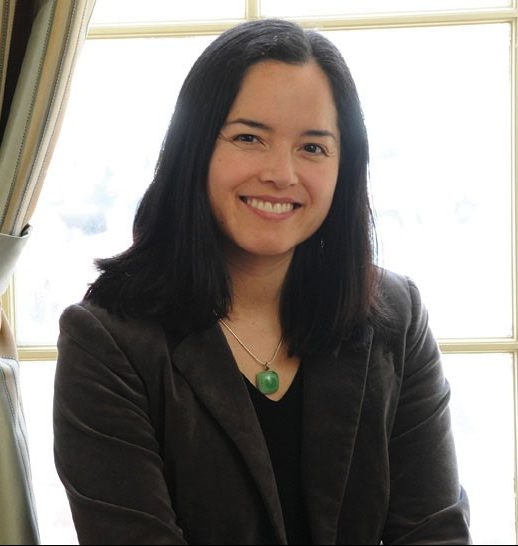
Diane Gilbert-Diamond serves as Professor of Epidemiology, Medicine, and Pediatrics at Dartmouth College's Geisel School of Medicine, with primary appointment in the Department of Epidemiology. Her research program integrates genetic epidemiology and environmental health sciences to investigate developmental origins of child health outcomes, leveraging longitudinal cohort studies and advanced neuroimaging techniques.
Her educational trajectory includes an AB in Biology from Dartmouth College (1998) and an ScD in Nutritional Epidemiology from Harvard School of Public Health (2010), followed by a postdoctoral fellowship in Bioinformatics at Geisel before joining the faculty in 2012.
Professor Gilbert-Diamond's research centers on gene-environment interactions affecting child health, with dual emphases on in utero environmental exposures (arsenic and Vitamin D impacts on growth and immune function) and genetic susceptibility to obesogenic environments (neurological responses to food advertising, eating behaviors). Her work employs the New Hampshire Birth Cohort Study and fMRI methodologies to uncover biological mechanisms linking environmental factors with developmental trajectories.
Her publication record demonstrates consistent focus on early-life determinants of health, spanning environmental toxicology, nutritional sciences, and behavioral genetics. The research portfolio reveals strong thematic continuity in identifying modifiable environmental factors that interact with genetic predispositions to influence obesity risk and developmental outcomes from prenatal stages through adolescence.
She directs an active research laboratory funded by multiple NIH and EPA grants including In utero arsenic exposure and early childhood growth, In utero vitamin D exposure and early childhood immune function, and Children’s genetic predisposition to eat without hunger after food advertisements. While specific advisees aren't named, she offers thesis projects on in utero arsenic/Vitamin D exposures and genetic influences on food response, indicating active graduate mentorship. As Course Director for QBS 130: Foundations of Epidemiology, she contributes significantly to medical and graduate education.