معرفی
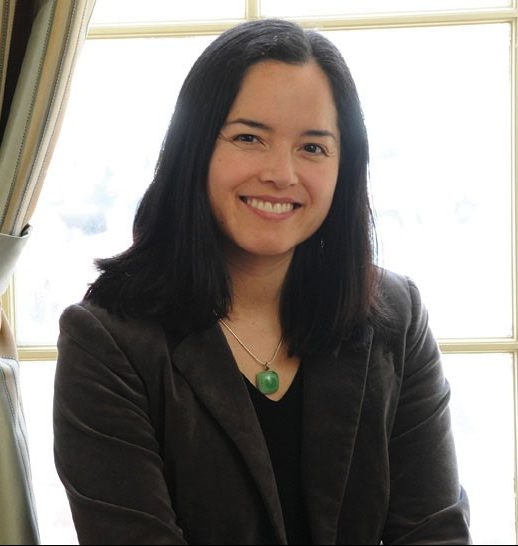
Margaret Rita Karagas is Chair and Professor of Epidemiology and Professor of Community and Family Medicine at the Geisel School of Medicine, Dartmouth College. She also holds the endowed title of James W. Squires Professor and serves as Director of both the Center for Molecular Epidemiology and the Children’s Environmental Health and Disease Prevention Research Center.
- Inaugural Chair, Department of Epidemiology
- Director, Center for Biomedical Research Excellence (COBRE)
- Director, Children's Environmental Health and Disease Prevention Research Center
- Member, Dartmouth Cancer Center
- Faculty, Quantitative Biomedical Sciences (QBS) and SYNERGY programs
She earned her PhD from the University of Washington in 1990.
Dr. Karagas’s research lies at the intersection of environmental health and molecular epidemiology. Her work investigates how environmental exposures—including arsenic, air pollution, flame retardants, and woodstove emissions—affect health across the lifespan, with a focus on vulnerable rural populations and early-life outcomes. She integrates advanced analytic methods with biomarkers of the exposome, genetic susceptibility, and biological response. Her leadership in the NIH-funded Environmental Influences on Child Health Outcomes (ECHO) program, involving over 90,000 participants, highlights her commitment to large-scale, interdisciplinary science.
Her recent publications (2024–2025) reflect a strong focus on prenatal and early-life environmental exposures and their links to neurodevelopmental disorders (e.g., autism), respiratory conditions (e.g., asthma), and cancer. These studies frequently appear in top-tier journals such as The Lancet Oncology, JAMA Network Open, and Environmental Health Perspectives, and often involve multi-site collaborations across the U.S.
Dr. Karagas has served on international scientific panels for the World Health Organization (WHO), International Agency for Research on Cancer (IARC), European Food Safety Authority (EFSA), and the U.S. National Academies of Sciences, Engineering, and Medicine, contributing to global health policy and risk assessment.
She is a dedicated mentor and educator, having co-founded the Quantitative Biomedical Sciences (QBS) graduate program, which integrates epidemiology, biostatistics, and bioinformatics. She mentors researchers at all career stages and promotes interdisciplinary training. Her work has led to tangible changes in public health practice and environmental policy.
She is affiliated with key research centers including:
- Center for Molecular Epidemiology
- Children's Environmental Health and Disease Prevention Research Center
- Dartmouth Toxic Metals Superfund Research Program
- The Dartmouth Institute
- Dartmouth SYNERGY