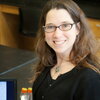
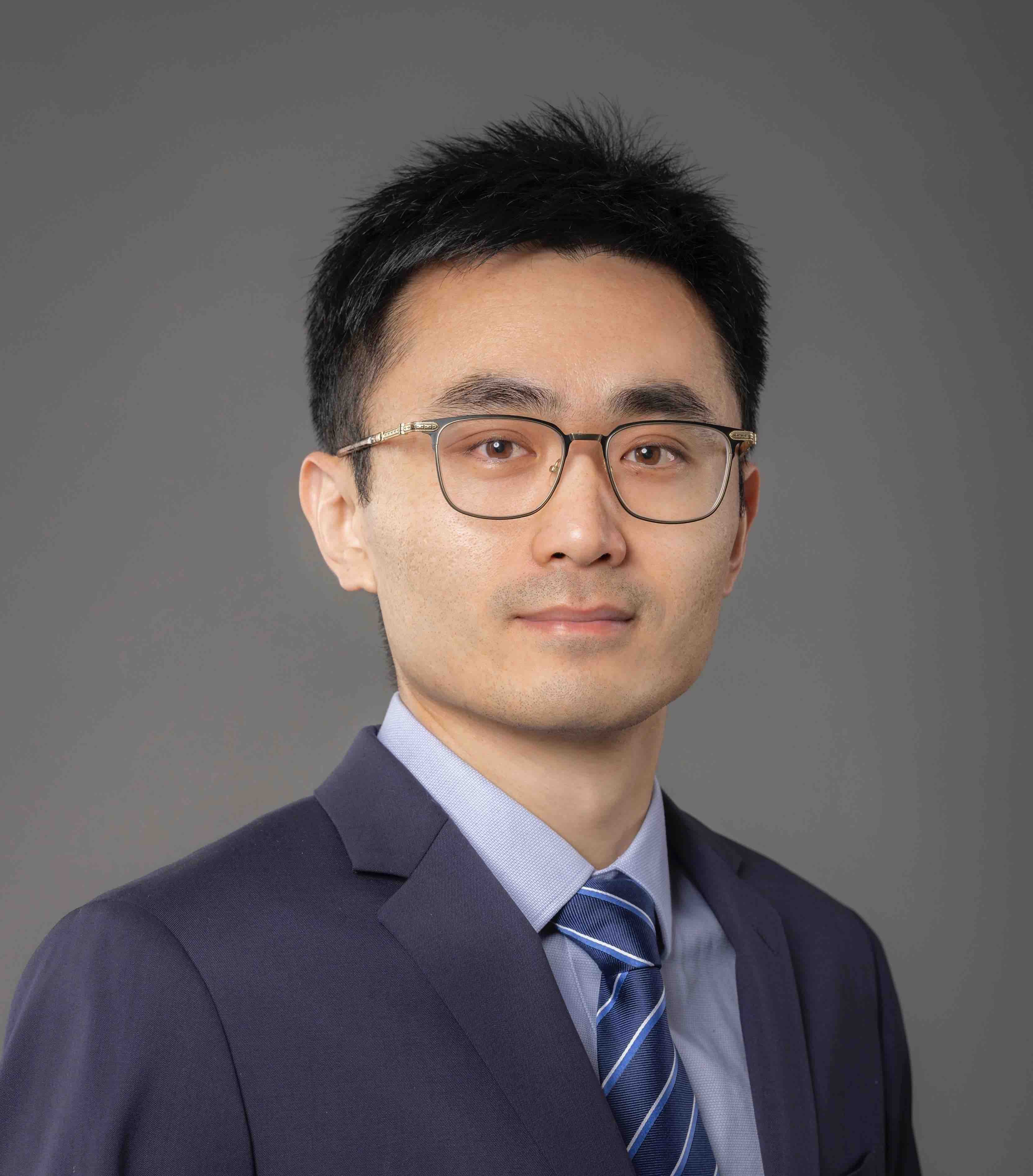
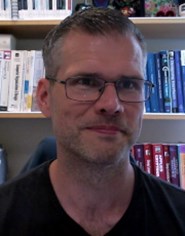
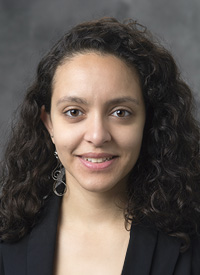
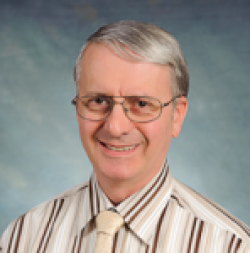
Rachel J. Whitaker is the Harry E. Preble Professor in Liberal Arts and Sciences at the University of Illinois at Urbana-Champaign, affiliated with the Department of Microbiology in the College of Liberal Arts & Sciences . She leads the Whitaker Lab , studying microbial evolution, archaeal biology, and viral symbiosis. Her work focuses on CRISPR-Cas systems, microbial ecology, and infectious disease dynamics. Education: B.A. in Biology and Science in Society, Wesleyan University (1993) Ph.D. in Microbiology, University of California, Berkeley (2004) Postdoctoral Research in Geomicrobiology, UC Berkeley (2006) Research Interests: Whitaker’s team investigates archaeal genome evolution, viral-microbe interactions, and the role of CRISPR-Cas immunity in microbial ecosystems. Key areas include: Archaeal cell biology and physiology Phage-driven evolutionary dynamics in Pseudomonas aeruginosa One Health approaches to infectious disease Sulfolobus islandicus as a model organism Awards & Honors: Allen Distinguished Investigator Award (2017) University Scholar Award (2020) American Academy of Microbiology Fellow Co-Director, Microbial Diversity Course at Marine Biological Lab Advising & Grants: Whitaker oversees the Whitaker Lab and collaborates on initiatives like the Infection Genomics for One Health Theme at the Carl R. Woese Institute for Genomic Biology. Her work is funded by grants such as the Gordon and Betty Moore Foundation and NIH. Labs & Teams: Research is conducted in the Whitaker Lab , focusing on experimental evolution, genomics, and molecular biology. Partnerships include the Carl R. Woese Institute and the Marine Biological Lab.
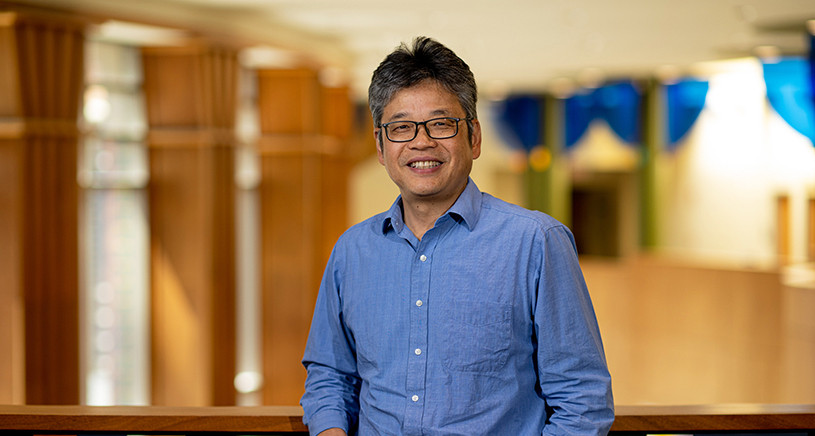
Elvis Genbo Xu is an Associate Professor at the Department of Biology, University of Southern Denmark. His research focuses on environmental toxicology, particularly micro/nanoplastics and crude oil pollutants. He employs transcriptomics and bioinformatics to study marine ecosystems and embryonic model systems. University of Southern Denmark Department of Biology Active since at least 2018 Research Interests: Micro/Nanoplastics Crumb Rubber Marine Protected Areas Endocrine Disruptors Transcriptomics Bioinformatics Article Trends (2018-2019): Focus on nanoplastics and microplastics Environmental impact assessment Toxicity mechanisms in aquatic organisms Methodological innovations in plastic analysis Interdisciplinary approaches combining toxicology, materials science, and molecular biology Scientific Recognition: 2024 World's Top 2% Scientists 2023 Undervisningsprisen på Naturvidenskab 2021 Faculty Research Dissemination Prize 2020 Best ES&T Letters Paper Advising & Editorial Roles: Active PhD/Postdoc supervision Junior Editor at Journal of Hazardous Materials (2020) Editorial Board member for Environment International (2022)
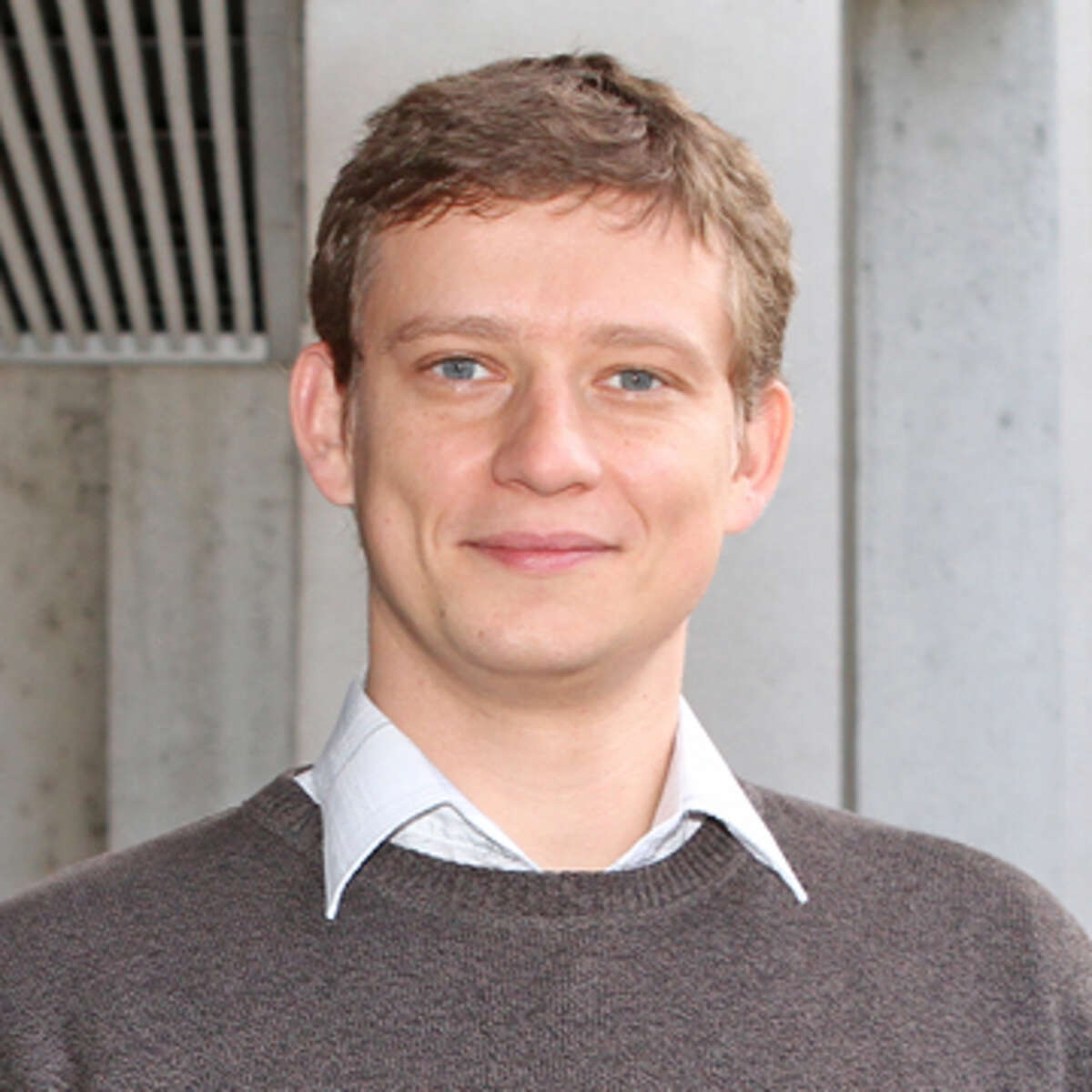
Samuel V. Scarpino is a Professor at Northeastern University , leading as Director of AI + Life Sciences in the Institute for Experiential AI . He holds appointments in the Khoury College of Computer Sciences , Bouvé College of Health Sciences , and the Network Science Institute . Scarpino’s career spans roles at The Rockefeller Foundation, Dharma Platform, and co-founding Global.health , a Google-backed pathogen tracking initiative. Education: PhD in Biology (2013) from The University of Texas at Austin; Omidyar Fellow at the Santa Fe Institute (2013–2016). His research focuses on integrating AI , network science , and epidemiology to address global health challenges. Key areas include disease modeling , wastewater surveillance , and health equity . Recent work explores AI applications for H5N1 pandemic preparedness , scRNA-seq analysis , and social determinants of health . Scarpino’s scientific contributions include over 100 publications in Nature , Science , and PNAS , alongside fellowships from the ISI Foundation (2017), Santa Fe Institute (2020), and Vermont Complex Systems Institute (2021). He mentors PhD students like Wan He and leads interdisciplinary teams at Northeastern’s Roux Institute and Network Science Institute . Grants from the McGovern Foundation and Microsoft Research support his work on AI for public health.
Keith Decker is an Associate Professor and JPMorgan Chase Fellow in the Department of Computer and Information Sciences at the University of Delaware's College of Engineering. He holds multiple affiliated faculty positions at the Artificial Intelligence Center of Excellence, Data Science Institute, Center for Bioinformatics and Computational Biology, and Institute for Financial Service Analytics. His research spans several key areas of computer science with a focus on Multi-Agent Systems , Distributed Artificial Intelligence , Computational Organization Design , and Bioinformatics . His work bridges theoretical foundations with practical applications in finance, healthcare, and information systems. Dr. Decker's publications reflect trends in distributed AI with emphasis on coordination technologies, agent communication, and information gathering systems. His work has evolved from foundational multi-agent coordination theory to applications in bioinformatics, financial services, and health informatics. DARPA special recognition award for foundational research in coordination technologies Dr. Decker has advised numerous graduate students and led significant research projects including automated genetic annotation, coalition management for electric vehicle-to-grid power systems, and machine learning for automated health coaching. His interdisciplinary work demonstrates strong connections between theoretical AI research and practical applications across multiple domains. He maintains active leadership roles in the academic community, having served as program co-chair for the International Conference on Autonomous Agents and Multi-Agent Systems and other major AI workshops.
Yan Huang is an Associate Professor in the Department of Software Engineering and Game Development at Kennesaw State University (KSU). His work bridges Federated Learning (FL) and Cybersecurity Education , with a focus on personalization and privacy in distributed systems. Research spans Machine Learning , Extended Reality (XR) , and Data Privacy . He has served as Editor of WCMC and Program Co-Chair for CyberSciTech 2020-2024. Research Trends: Recent publications emphasize Federated Learning for non-IID data, VR-based Cybersecurity Education , and Privacy-Preserving Algorithms in IoT and social media analytics. Key subfields include personalized learning architectures, graph learning, and game-theoretic privacy frameworks. Scientific Awards: Excellent Paper Award (Tsinghua Science and Technology, 2021) Best Paper Award (Future Generation Computer Systems, 2019) Best Paper Awards at IEEE SmartWorld 2021, COCOA 2019, and WASA 2019 Grants: Led over $600,000 in NSF and NSA-funded projects, including VR cybersecurity education for K-12 and XR engineering curricula. His lab recruits VR/AR Research Assistants via industry partnerships.
Susanne Bornelöv is a Professor in the Department of Biochemistry at the University of Cambridge. Her research focuses on computational genomics and gene regulation, particularly exploring posttranscriptional mechanisms such as codon optimality-mediated mRNA decay and transposon silencing. She uses computational methods, ribosome profiling, and Drosophila models to study how codon usage, tRNA availability, and RNA modifications influence gene regulation and genome evolution. Her work integrates artificial intelligence (AI) and comparative genomics to model gene regulatory processes and design novel regulatory elements. Key research areas include piRNA clusters' roles in suppressing retroviruses, codon usage bias in pluripotent stem cells, and the interplay between mRNA methylation and protein synthesis. The Bornelöv Group collaborates widely, including with institutions like Cold Spring Harbor Laboratory, to advance understanding of fundamental gene expression principles. Publications highlight contributions to topics like deep learning in genomics, evolutionary conserved piRNA mechanisms, and transcriptional regulation. She leads a group open to interns, students, and researchers, fostering interdisciplinary approaches to address complex biological questions.
Tommy Löfstedt is an Associate Professor at Umeå University , affiliated with the Department of Computing Science and the Department of Mathematics and Mathematical Statistics. His research focuses on machine learning , computer vision , and medical image analysis , with applications in life sciences, radiation therapy, and biomedical imaging. He leads multiple research projects, including AI-driven delineation in radiation therapy, quantitative MRI for radiotherapy, and machine learning for plant nutrient uptake. Current research emphasizes structured regularization methods to improve model interpretability and robustness. Key applications include medical image segmentation , Alzheimer's classification , and uncertainty estimation in MRI . Recent publications highlight his work on morphological regularization , adversarial attack mitigation , and multi-task learning in medical imaging contexts. His projects span 2022–2026 with funding for pediatric oncology automation and gynecological cancer staging. Affiliated with both computing and mathematical departments, he bridges algorithm development with applied mathematical frameworks in medical and life science domains.
Ashwana D. Fricker is an Assistant Professor in the Department of Biology within the College of Arts and Sciences at Adelphi University, where she began her tenure in Fall 2024. Her academic journey includes postdoctoral and teaching experiences at California State University, Northridge, Purdue University, and the University of São Paulo, Brazil. Education: PhD in Microbiology, Cornell University (2015) BS in Biochemistry & Biophysics, Rensselaer Polytechnic Institute (2008) Dr. Fricker's research centers on the gut microbiome and its role in human health, particularly how imbalances (dysbiosis) contribute to diseases such as obesity, liver disease, and cancer. She investigates how microbial metabolites, including short-chain fatty acids, influence host inflammation and epithelial health. Her work aims to develop strategies using prebiotics and probiotics to restore resilient and diverse microbial communities. Her background also includes studies on bacterial persistence in Gram-positive organisms and the ecological impact of invasive predators on microbial communities. Although no publications are listed in the provided text, her research interests reflect a strong interdisciplinary focus spanning microbiology, microbial ecology, and translational health applications. Her work integrates ecological dynamics, molecular mechanisms, and potential therapeutic interventions. Dr. Fricker is committed to inclusive and student-driven pedagogy, emphasizing hands-on learning through microscopy, bioinformatics, and independent research projects. She fosters classroom community via cooperative learning, group problem-solving, and team-based challenges. She has taught courses including Microbiology, Microbial Ecology, and Senior Seminar in Bio-Capstone, and previously taught Microbiology for Non-majors at Purdue University. Her international research experience in Brazil highlights her global engagement in microbiological research. She has not received any listed scientific awards in the provided material. She is actively involved in research and teaching, with no indication of part-time status, retirement, or former employment status. She maintains a professional presence at Adelphi University with an office in the Science Building and a direct line for communication.
Dr. Richard Segall is a Professor in the Department of Information Systems and Business Analytics at Arkansas State University , affiliated with the Beck College of Sciences & Mathematics . He is also affiliated faculty in the Master of Engineering Management (MEM) Program , the Environmental Sciences Program , and serves on thesis committees at the University of Arkansas at Little Rock (UALR) . Education: Ph.D. in Operations Research, University of Massachusetts at Amherst (1984) M.S. in Operations Research and Statistics, Rensselaer Polytechnic Institute (1975) M.S. in Mathematics, Rensselaer Polytechnic Institute (1973) B.S. in Mathematics, Rensselaer Polytechnic Institute (1971) Dr. Segall's research spans data mining, text mining, web mining, big data analytics, bioinformatics, supercomputing applications, and mathematical modeling . His work bridges business analytics and computational biology , with a focus on transdisciplinary applications in agriculture, healthcare, and space systems. His recent publications emphasize genomic data analysis , plant disease diagnostics , AI-driven healthcare solutions , and space technology forecasting . The integration of machine learning , data visualization , and open-source tools is a recurring theme across domains. Scientific Awards & Grants: Three research awards from the National Research Council (NRC) Software grants from Oracle Corporation and SAS Institute, Inc. Dr. Segall has served on the editorial boards of the International Journal of Data Science , International Journal of Data Mining, Modelling and Management , and International Journal of Fog Computing . He previously contributed to the Arkansas Center for Plant-Powered Production (P3) and currently participates in the Center for No-Boundary Thinking (CNBT) .
Peter X. K. Song is a Professor in the Department of Biostatistics at the University of Michigan School of Public Health. With expertise spanning statistical methodology development and interdisciplinary applications, Dr. Song maintains active collaborations across Nutritional Sciences, Environmental Health Sciences, Chronic Disease research, and Nephrology. His work bridges theoretical statistics with practical healthcare solutions, focusing on innovative approaches to complex data challenges in public health and medicine. Based at the M4140 SPH II building in Ann Arbor, he leads the Song Lab and contributes significantly to the academic community through teaching, research mentorship, and scholarly publications. PhD, University of British Columbia, Vancouver, 1996 BS, Jilin University, Changchun, 1985 Dr. Song's research focuses on the statistical foundation of big data analytics, with particular emphasis on data integration, distributed inference, high-dimensional data analysis, longitudinal data analysis, mediation analysis, and spatiotemporal modeling. His methodological innovations address critical challenges in smart health applications, including organ exchange programs, children's health, chronic disease management, environmental health assessment, and nutritional sciences. His approach combines statistical theory, integer optimization, and algorithm development to create practical tools that help researchers understand complex relationships between environmental exposures and health outcomes. Dr. Song's publication record demonstrates a consistent trajectory of methodological innovation applied to pressing health challenges. His recent work shows increasing focus on sleep classification using AI techniques, personalized treatment effect analysis, distributed statistical methods for high-dimensional data, and epigenetic applications in adolescent health. The interdisciplinary nature of his research is evident in publications spanning biostatistics journals, computer science venues, and domain-specific medical publications. His work increasingly addresses the challenges of integrating diverse data sources while maintaining statistical rigor in the era of big data. IMS Fellow ASA Fellow Elected Member of the International Statistical Institute 2017 ENAR John Van Ryzin Award Dr. Song has mentored an impressive 22 PhD students and 6 postdoctoral trainees throughout his career, with many now holding faculty positions at prestigious institutions or working as data scientists in leading technology companies. His lab, the Song Lab, currently supports two postdoctoral research fellows and eight doctoral students working on cutting-edge statistical methodology development. His collaborative research extends across numerous grants that support interdisciplinary projects in kidney paired donation programs, environmental health studies, nutritional sciences, and chronic disease research, demonstrating his commitment to translating statistical innovation into practical health solutions. The Song Lab serves as a hub for interdisciplinary statistical research at the University of Michigan, bringing together experts from statistics, operations research, and machine learning to address complex challenges in medical and public health sciences. Current lab members include eight doctoral students and three postdoctoral fellows working on projects related to optimal organ matching strategies, causal mediation pathways of omics biomarkers, and statistical methods for big data integration. The lab maintains strong connections with clinical researchers across nephrology, pediatrics, environmental health sciences, and nutritional sciences, ensuring that methodological developments remain grounded in real-world applications.
Stephen T. Wong holds the John S. Dunn Presidential Distinguished Chair in Biomedical Engineering and serves as Professor of Radiology and Medicine with Tenure and Chief of Medical Physics at Houston Methodist. He maintains professorships across multiple prestigious institutions including Weill Cornell Medicine (Radiology, Neurosciences, Pathology and Laboratory Medicine), Texas A&M University, Baylor College of Medicine, University of Texas MD Anderson Cancer Center, Rice University, University of Texas Health Houston, and University of Houston. Weill Cornell Medicine: Professor of Computer Science and Bioengineering in Radiology (since 2008), Pathology and Laboratory Medicine (since 2010), and Neuroscience (since 2012) Houston Methodist: John S. Dunn Presidential Distinguished Chair in Biomedical Engineering Academic leadership: Director of multiple research centers including Ting Tsung and Wei Fong Chao Center for BRAIN and AI in Innovative Medicine lab Dr. Wong's research employs a systems-based approach integrating engineering with biology and medicine to elucidate disease mechanisms. His laboratory focuses on discovering novel drugs and biomarkers while developing advanced diagnostic and therapeutic devices, with particular emphasis on cancer, neurological disorders, and metabolic diseases. Current projects target micro- and macroenvironments of cancer and Alzheimer's disease, apply spatial and systems biology methods for drug discovery, create label-free point-of-care molecular diagnostics, and develop AI applications for stroke triage and treatment. His publication portfolio demonstrates consistent growth over three decades, with over 500 peer-reviewed papers and five books. Recent work shows strong emphasis on artificial intelligence applications in medical imaging, cancer therapeutics, and neurological diagnostics, with multiple 2025 publications featuring multimodal AI approaches for hepatocellular carcinoma, lung cancer interventions, tumor evolution, brain imaging, and thyroid nodule characterization. Fellowships: IEEE, AIMBE, IAMBE, ACMI, AMIA, Optica, and AAIA Honors: AIIA Fellow (2024), American College of Medical Informatics Fellow (2023), AAIA-Fellow (2021), AIMBE Fellow (2021) Professional: Registered Professional Engineer (PE), Executive education from Stanford, MIT, and Columbia Business Schools Dr. Wong has trained over 170 PhD, MD/PhD, and postdoctoral scholars, with four now holding endowed chairs. His research has received continuous NIH funding for three decades, supporting 35 active and completed projects including DeepStroke+ for AI stroke detection, Alzheimer's disease research, and cancer diagnostics. He has founded multiple research centers including the Division of Shared Resources at Houston Methodist Neal Cancer Center, Translational Biophotonics Lab, and Center for Modeling Cancer Development.
Ole Winther is a Professor at the Department of Biology, University of Copenhagen, specializing in Computational and RNA Biology. He also holds a joint appointment as Professor at DTU Compute, Technical University of Denmark. His research bridges machine learning, bioinformatics, and natural language processing with applications in biological sequence analysis, transcriptomics, and health informatics. Education: 1998: PhD in Physics, University of Copenhagen 1994: Master of Science in Physics, University of Copenhagen Winther's research focuses on developing advanced machine learning methodologies for biological applications. He has pioneered protein language models for sequence analysis (DeepLoc, SignalP, DeepTMHMM), interpretable deep learning for RNA subcellular localization, and benchmarking frameworks for DNA language models. His work spans latent variable models, variational inference, diffusion models, and novel architectures for deep generative modeling, with increasing emphasis on practical healthcare applications including rare disease diagnosis through findzebra.com and medical question answering with large language models. Scientific Recognition: ELLIS Fellow (2021) Head of ELLIS Copenhagen Unit H-index of 61 (Google Scholar, May 2023) 19,700+ citations (Google Scholar, May 2023) Winther has supervised 25+ PhD students to completion with 7 currently in progress, along with over 100 master's projects. He frequently serves as PhD opponent and committee chairman across European institutions. His research is supported by substantial funding including multiple Novo Nordisk Foundation grants totaling over 60 million DKK for the Center for Basic Machine Learning Research in Life Science and CAZAI projects, plus significant funding from the Danish Independent Research Fund. He leads an active research group developing cutting-edge machine learning approaches for bioinformatics and NLP challenges. Winther co-founded two spin-out companies: findzebra.com (2014, 2018), a search engine for rare diseases, and raffle.ai, an NLP startup for enterprise search. He initiated DTU's popular BSc in AI and Data program and teaches the highly enrolled MSc course in Deep Learning (450+ students) and PhD course in Bayesian Data Analysis.
Prof. Dr. Marek Basler is an Associate Professor of Infection Biology at the Biozentrum, University of Basel , leading a research group focused on the Type VI Secretion System (T6SS) in bacterial pathogens. His work bridges structural biology, molecular microbiology, and computational analysis to unravel the mechanisms of this contractile nanomachine. PhD in Microbiology (2007, Institute of Microbiology, CAS, Prague) Postdoctoral Fellow (2007–2013, Harvard Medical School) Assistant Professor (2013–2018) and Associate Professor (since 2018) at Biozentrum His research explores the structure, assembly, and therapeutic potential of the T6SS, a critical virulence factor in pathogens like Pseudomonas aeruginosa . Key themes include bacterial defense strategies , intermicrobial competition , and host-pathogen interactions . Recent projects highlight T6SS roles in antibiotic resistance and horizontal gene transfer . The most recent publications (2025–2024) reveal novel insights into T6SS activation by environmental stress , toxin diversity , and host cell targeting . Trends span microbial ecology , nanomachine dynamics , and computational modeling of bacterial interactions. Scientific Awards : EMBO Membership (2023) ERC Consolidator Grant (2019) EMBO Gold Medal (2018) Friedrich Miescher Award (2018) EMBO Young Investigator (2015) His lab (Basler Lab) utilizes state-of-the-art microscopy , biochemical techniques , and live-cell simulations (e.g., BacFighT6 ). Collaborations span institutions like Harvard Medical School and NCCR-AntiResist , with future work targeting antibacterial therapies .
Jeffrey Weiss is a Research Professor at the Department of Medicine (Endocrinology, Metabolism and Molecular Medicine) within Northwestern University Feinberg School of Medicine. His work bridges genetic research and core facilities management , focusing on reproductive biology and organizational efficiency in academic settings. Education: BS from The Pennsylvania State University (1982), PhD from University of Virginia (1987), and postdoctoral training at Harvard Medical School (1990) and Massachusetts General Hospital (1991). Dr. Weiss's research spans gonadal development , pituitary function , and reproductive genetics , with a focus on hormones like activin, LH, and FSH. He also contributes to core facilities infrastructure , including software solutions for research management. His recent publications highlight trends in bioinformatics systems for core facilities and genetic models for studying reproductive disorders. Key subfields include mouse mutagenesis , gene expression , and research portfolio sustainability . Scientific Awards: Member, Association of Biomolecular Research Facilities (2013 - Present) Dr. Weiss is affiliated with the Center for Genetic Medicine and Center for Reproductive Science at Feinberg. While no current grants are listed, his work emphasizes interdisciplinary collaboration and efficient research infrastructure.
Professor Alexander Breeze is a Chair in the School of Medicine at the University of Leeds, affiliated with the Multidisciplinary Cardiovascular Research Centre. His research focuses on structural biology, drug design, and molecular mechanisms of disease, particularly involving protein-protein interactions and NMR spectroscopy. Key areas include RAS oncogene inhibition, fibroblast growth factor receptors (FGFRs), and amyloid aggregation modulation. Education Background: Details of formal education not explicitly provided in the text, but extensive career history in structural biology and medicinal chemistry suggests advanced degrees in relevant fields. Research Interests: Professor Breeze’s work spans cardiovascular research, cancer biology, and infectious diseases. He develops novel therapeutics targeting oncogenic signaling pathways (e.g., RAS, FGFR) and investigates mechanisms of protein misfolding in amyloid diseases. His lab employs fragment-based drug design, NMR spectroscopy, and computational methods to study protein dynamics and drug interactions. Publications Overview: His recent work highlights advancements in small-molecule inhibitors for RAS proteins, CRACR2A genetic associations with COVID-19 severity, and modulation of amyloid aggregation pathways. Research trends emphasize translational applications, bridging basic science and clinical targets like cancer and neurodegenerative diseases. Awards & Recognition: No specific awards mentioned in the provided text, though his sustained high-impact publications suggest recognition in the field. Grants & Advising: Leadership in multidisciplinary cardiovascular research and training of early-career researchers through collaborative projects. No explicit grant details provided in this dataset. Labs & Teams: Active in the Multidisciplinary Cardiovascular Research Centre, fostering cross-departmental collaborations in cardiovascular and structural biology research.