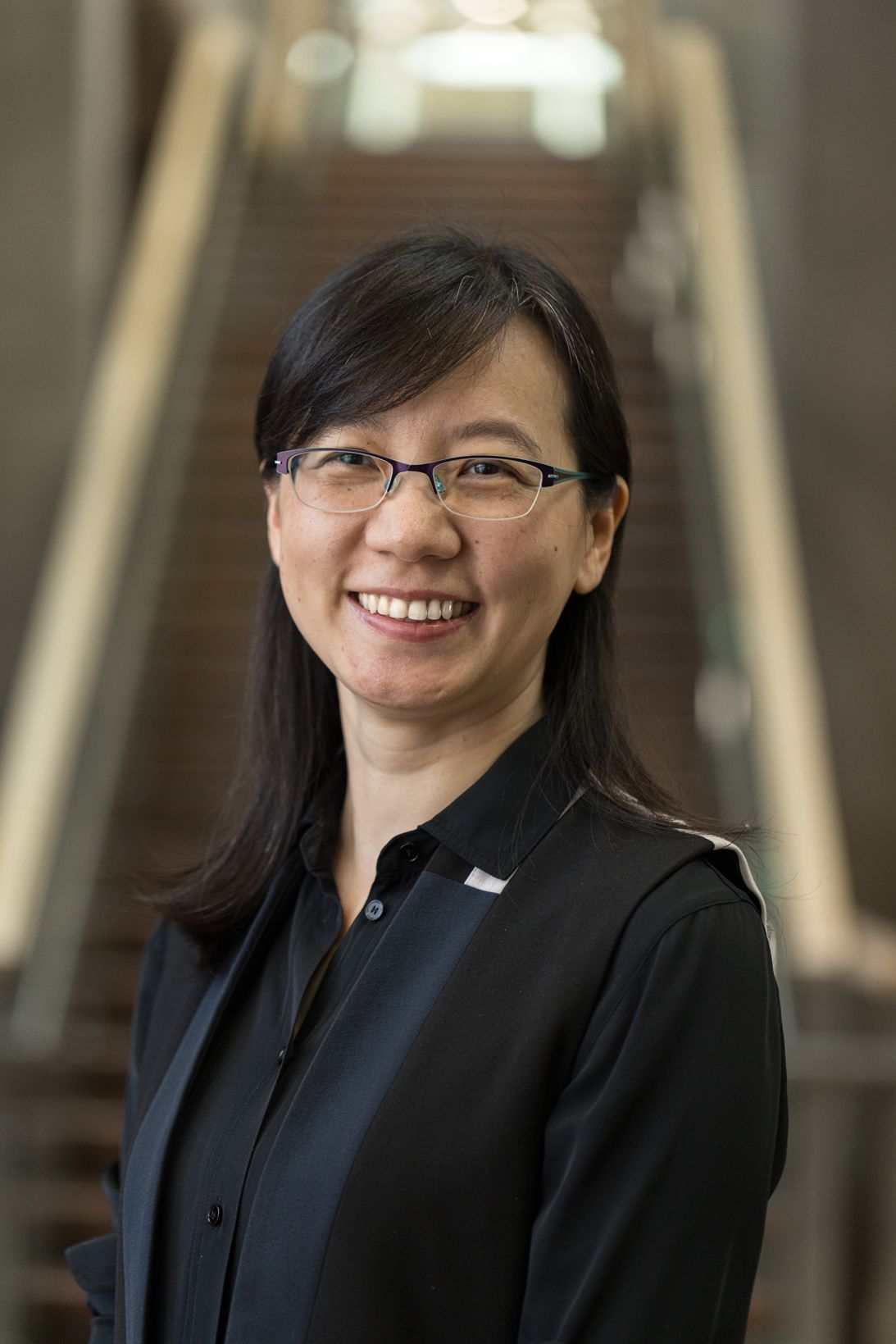
Lu Wei is an Assistant Professor of Chemistry at the California Institute of Technology and an Investigator at the Heritage Medical Research Institute. She holds a B.S. from Nanjing University (2010) and a Ph.D. from Columbia University (2015), joining Caltech in 2018. Research Areas: Optical spectroscopy, Biophysics, Bio-imaging, Chemical probe development Education: B.S. Nanjing University (2010), Ph.D. Columbia (2015) Research Interests include next-generation optical imaging techniques based on nonlinear vibrational spectroscopy for live-cell dynamics. Her work spans super-resolution label-free imaging , quantitative polyQ aggregate analysis in Huntington’s disease, Raman-guided pharmacometabolomics for melanoma, and environmental sensing in subcellular systems. Recent Publications highlight trends in vibrational thermometry (2025), high-speed bond-selective imaging (2025), and photochromic Raman microscopy (2023), with applications from single-molecule to cellular biology . 2024 Margaret Oakley Dayhoff Award 2023 NSF CAREER Award 2022 Sloan Research Fellowship 2021 Scialog Fellow Students : 5 Ph.D. graduates (Dr. Jiajun Du, Dr. Kun Miao, Dr. Xiaotian Bi, Dr. Li-En Lin, Dr. Dongkwan Lee) and current advisees including Adrian, RJ, Phil, Yulu, Berea, and Kwan. The lab has received grants from the Chan Zuckerberg Initiative, NSF, Curci Foundation, and Eli Lilly. Labs & Collaborations : The Wei Lab at Caltech collaborates with Karthikeyan (metabolic imaging) and Mazmanian Labs (microbiome studies). They host interdisciplinary teams in physical chemistry and chemical biology.
Robert Hill is an Associate Professor at Dartmouth College, affiliated with the Biological Sciences department and the Dartmouth Graduate Program in Integrative Neuroscience and Molecular & Cellular Biology. His lab studies neuron-glia interactions focusing on oligodendrocyte development, plasticity, and regeneration in contexts like multiple sclerosis, aging, and Alzheimer's disease. Techniques include high-resolution optical imaging, molecular labels, genetic manipulation, and cellular physiology sensors. Education: B.S. from Trinity College, Ph.D. from University of Connecticut, Postdoctoral Fellow at Yale School of Medicine Research interests span Neuroscience , Developmental Biology , Myelination , and Neurodegenerative Diseases . Recent work explores mitochondrial reorganization in oligodendrocyte generation, CX3CR1-mediated microglial phagocytosis, and age-related myelin plasticity. Scientific awards include the Klingenstein-Simons Fellowship (2022). His lab has received NIH R01 grants (2021, 2025) and seed funding from the Brain Research Foundation (2019). Current lab members include PhD students Zoela Gilani, Kiera Schwarz, and postdoctoral fellows like Yasmine Kamen.
Professor Jana Zaumseil is a distinguished academic at Heidelberg University, holding the position of Professor for Applied Physical Chemistry at the Faculty of Chemistry and Earth Sciences since 2014. She also maintains a co-opted position with the Faculty of Physics and Astronomy since 2016. Currently serving as Executive Director of the Institute for Physical Chemistry and Spokesperson for the DFG Research Training Group GRK 2948, she leads the Zaumseil research group (also known as the Nanomaterials for Optoelectronics group) at Heidelberg University's Institute for Physical Chemistry. Her educational background includes a PhD in Physics from the University of Cambridge (2003-2007) with a Gates Cambridge Trust Scholarship, and a Diplom (equivalent to M.Sc.) in Chemistry from the University of Leipzig (1997-2022). Prior to her position at Heidelberg, she served as Professor for Nanoelectronics at Friedrich-Alexander-Universität Erlangen-Nürnberg (2009-2014), and completed postdoctoral work at Argonne National Laboratory (2007-2009) following an internship at Bell Laboratories (2002-2003). Zaumseil's research program focuses on the optical and electronic properties of carbon-based nanomaterials, particularly single-walled carbon nanotubes (SWCNTs) and organic semiconductors. Her group specializes in processing, functionalization, characterization and application of these unconventional semiconductors for optoelectronic devices and sensors. They investigate charge transport and light-matter interaction using a wide range of experimental techniques including synthesis, optical spectroscopy, atomic force microscopy, device fabrication, and electrical/optical device characterization. Their work bridges fundamental understanding with potential applications in sensing, imaging, circuits, and energy conversion. Analysis of her recent publications reveals a strong trend toward defect engineering in carbon nanotubes, particularly creating and optimizing luminescent sp 3 defects for near-infrared applications. Her research increasingly integrates fundamental studies of charge transport with practical device applications, especially in neuromorphic computing, biosensors, and thermoelectrics. The interdisciplinary nature of her work is evident in the combination of chemistry, physics, and materials science approaches across her publication record. Dan Maydan Prize for Nanoscience and Nanotechnology (2024) Jahrespreis der Universität Heidelberg (2023) ERC Consolidator Grant (2019) ERC Starting Grant (2012) Alfried-Krupp-Award for Young University Professors (2010) Professor Zaumseil has secured substantial research funding including multiple ERC grants and leads several major collaborative projects such as the ERC Advanced Grant SCALE-NT, Collaborative Research Center SFB 1249, Cluster of Excellence 3D Matter Made to Order, and Research Training Group GRK 2948. She has mentored numerous doctoral and master's students, with her group recently receiving recognition including a Student Poster Presentation Award for Niklas Herrmann. As Dean of the Faculty of Chemistry and Earth Science (2019-2021) and current Vice Dean (2021-), she has played significant leadership roles within the university structure. The Zaumseil research group operates within Heidelberg University's Institute for Physical Chemistry, utilizing advanced facilities for nanomaterial synthesis, optical spectroscopy, and device characterization. The group participates in several major collaborative initiatives including the Cluster of Excellence 3D Matter Made to Order and the Collaborative Research Center SFB 1249, reflecting its integration within Heidelberg's broader research ecosystem focused on molecular systems and materials science.
Jian Hu is a Professor at Michigan State University (MSU) in the Department of Biochemistry & Molecular Biology, with joint appointments in the Department of Chemistry and the BioMolecular Science Gateway. His research integrates structural biology, biochemistry, and biophysics to investigate macromolecular mechanisms in biology and biomedicine, focusing on bio-metal utilization and homeostasis. Ph.D., Peking University, 2004 B.S., Beijing Medical University, 1999 Associate Research Scientist, Yale University (2008–2013) Postdoctoral Research Associate, Florida State University (2005–2007) The Hu lab targets three major projects: (1) ZIP metal transporters, exploring alternating access mechanisms and substrate specificity; (2) Lar proteins, analyzing Ni-pincer cofactor biosynthesis and catalytic mechanisms; and (3) PIPK lipid kinases, studying membrane sensing and inhibitor development. Collaborations with Dr. Robert P. Hausinger and Dr. Xuefei Huang advance drug discovery and structural elucidation. Recent publications highlight interdisciplinary work, blending plant biology (phenylalanine metabolism, peroxisome dynamics) with computational methods (watermarking algorithms, signal processing). His collaborations extend to engineering and medicine, emphasizing functional characterization of proteins and drug target validation. Scientific Awards: Invited State-of-the-Art Review, FEBS Journal 2021 Current courses include BMB 829: Special Problems in Macromolecular Analysis & Synthesis and CEM 999: Doctoral Dissertation Research . The lab employs X-ray crystallography, cryo-EM, NMR, and biochemistry to resolve atomic-level structures and functions of critical macromolecules, including ZIP4 and PIP5Kγ.
Charless C. Fowlkes is a Professor in the Department of Computer Science at the University of California, Irvine (UCI), and a member of the UCI Vision Group. His research focuses on computational vision, integrating visual recognition with 3D scene understanding and developing tools for biological image analysis. UCI Chancellor's Fellow (2019-2022) NSF CAREER Award recipient (2013) Helmholtz Prize winner (2015) Research Interests His work spans computational vision, image understanding, 3D scene reconstruction, and machine learning applications in biological and forensic domains. He develops methods for automated pollen classification, cardiac tissue analysis, and forensic shoeprint matching. Recent Publications His recent work includes 3D scene reconstruction with epipolar transformers, forensic shoeprint analysis, and image inpainting techniques. These show trends in integrating geometric understanding with deep learning. Scientific Awards Awarded the Marr Prize (2009), Helmholtz Prize (2015), and NSF CAREER Award (2013), he has received recognition for both theoretical and applied contributions to computer vision. Teaching & Advising He has taught graduate and undergraduate courses in computer vision since 2008 and advised numerous PhD, MS, and BS students who now work at institutions like Google, Apple, and CMU. Collaborations He collaborates with labs at UIUC (Punyasena Lab), Harvard (DePace Lab), and UCI (Cinquin Lab, Khine Lab) for biological applications of computer vision.
Thomas Graham is an Assistant Professor and PhytoGro Research Chair in Controlled Environment Systems at the University of Guelph, where he also serves as R&D Manager for the Controlled Environment Systems Research Facility (CESRF). His academic journey includes a BSc in Environmental Sciences from the University of Guelph and Stirling University (1997), an MSc in Horticulture (2001), and a PhD in Environmental Biology (2012), all from the University of Guelph. He completed a NASA Post-Doctoral Fellowship (2012–2015) at Kennedy Space Center, focusing on bioregenerative life-support systems for space exploration. Dr. Graham’s research expertise spans controlled environment agriculture (CEA) , space biology , medicinal crop production , and water remediation . He leads projects addressing food security, crop diversification in urban farming, and sustainable practices for high-intensity agriculture. Key initiatives include developing CEA systems for medical crops, optimizing tree crops for spaceflight, and advancing composting-based closed-loop systems. His scientific contributions are reflected in roles as Associate Editor for Gravitational and Space Research and Editor for special issues on Agriculture in Space . He collaborates with NASA, USDA, OMAFRA, and international agencies like the German Space Agency (DLR). Awards include the NASA Post-Doctoral Research Fellowship. Dr. Graham emphasizes mentorship, conducting bi-weekly graduate meetings and fostering student autonomy while providing structured support. His lab integrates interdisciplinary approaches to tackle global challenges, from climate resilience to lunar food production.
Prof. Cristian A. Strassert is a Professor of Chemistry at the University of Münster, leading the Strassert Lab focused on Coordination Chemistry and Functional Imaging. His research integrates synthesis, characterization, and application of luminescent materials, with particular emphasis on transition metal complexes (Pt, Re, Zn) for biomedical and optoelectronic applications. Key areas include photophysics, aggregation-induced emission, and hybrid materials for sensing and imaging. Affiliations: CeNTech, CiMIC, SoN Research Centers. Collaborations: Global partnerships with institutions like BAM, University of Bielefeld, Tsinghua University, and Ramon Llull University. Research interests span luminescent probes, nanomaterials, and functional polymers, with over 150 interdisciplinary publications. Notable achievements include the Goldener Brendel Award 2021 from the Chemistry Student Council. Publications emphasize design of phosphorescent Pt(II) complexes for bioimaging, photocytotoxicity studies, and hybrid nanomaterials. His work bridges chemistry with biomedical and materials science, driving innovations in optical sensors and therapeutic agents.
Mattias Brunström serves as Assistant Professor of Cardiology and Associate Professor of Epidemiology at Umeå University's Faculty of Medicine within the Department of Public Health and Clinical Medicine, Section of Cardiology. He is concurrently a resident physician at Norrlands University Hospital and holds leadership roles as chairman of Sweden's national hypertension working group and scientific secretary of the Swedish Society for Hypertension, Stroke and Vascular Medicine, with active participation in the European and International Societies of Hypertension. His academic foundation includes a 2018 PhD thesis examining blood pressure-lowering treatment effects across different blood pressure levels through systematic reviews and meta-analyses of randomized clinical trials. This doctoral work established his expertise in evidence-based cardiovascular therapeutics and epidemiological methodology. Dr. Brunström's research program centers on cardiovascular disease risk factors, with specialized focus on hypertension pathophysiology and aortic diseases. His group investigates how adolescent blood pressure levels predict future cardiovascular events, examining interactions with obesity, physical fitness, and diabetes to improve risk stratification. They also analyze differential effects of antihypertensive drug classes on cardiovascular outcomes and study risk factors for aortic dissection/rupture to optimize preventive surgical interventions. This work addresses critical gaps in managing the world's leading cause of death, where uncontrolled hypertension contributes to 10 million annual fatalities despite effective treatments. Analysis of his 2024-2025 publications reveals dominant themes in hypertension guideline development, treatment threshold controversies, and cardiovascular risk assessment. His work frequently challenges conventional approaches (e.g., questioning excessive treatment of 'elevated' blood pressure in elderly patients) while advancing evidence for lifestyle interventions and beta-blocker utility. Methodologically, his research leverages large cohort studies (including 1.4 million enlistee data), systematic reviews, and international collaborations through societies like ESH and ISH to translate epidemiological findings into clinical practice. Dr. Brunström leads multiple funded research initiatives including 'Remission of type 2 diabetes through eHealth' (2022-2028) and 'VIPviza' (2013-2027), directing a multidisciplinary team that bridges clinical cardiology, epidemiology, and public health. His advisory role extends to national guideline committees and international hypertension societies where he shapes clinical practice through evidence synthesis and position papers. Based at Norrlands University Hospital's Cardiology Section, his research group operates within Umeå University's strong cardiovascular research ecosystem, maintaining active collaborations with the Swedish National Diabetes Register and international consortia. Their work emphasizes real-world applicability, examining topics like bedtime dosing of antihypertensives and self-report diagnostic tools to overcome barriers in hypertension control where only 25% of affected individuals achieve target blood pressure levels.
Nathalia Peixoto is an Associate Professor in the Department of Electrical and Computer Engineering and Affiliate Faculty in Bioengineering at George Mason University. Her work bridges neural engineering, biomedical applications, and assistive technology development with international collaborations across Israel, Ireland, Peru, and Korea. Educational background: PhD in Electrical Engineering, Universidade de Sao Paulo MS, University of Campinas Research Interests: Dr. Peixoto specializes in neural engineering with focus on brain-computer interfaces using wearable devices. Her lab develops: Neural prosthetics and implantable systems Bioimpedance-based medical sensors Low-cost electrophysiological recording platforms Community-centered engineering design solutions Publication Trends: Her 2022-2025 publications demonstrate strong interdisciplinary convergence between neuroscience, biomedical engineering, and AI. Key trends include machine learning for seizure detection in zebrafish models, electrochemical optimization of neural interfaces, and community-engaged design projects addressing societal challenges through transdisciplinary graduate training. Grants and Projects: Principal investigator for multiple NSF-funded initiatives: NRT-HDR: Transdisciplinary Graduate Training (2019-2024) Smart and Connected Communities: Networked Devices (2017-2019) Bioimpedance for retinal implants (2015-2017) C2MW: Classroom to Makers Week (2015-2016) Additional funding from VA STEM CoNNECT and Longwood University. Laboratory: The Neural Engineering Lab integrates chemistry, physics, and engineering disciplines through team-based projects involving high school to graduate students. Current work includes sustainable food-waste solutions, tremor-capturing robots for low-resource areas, and neural implants with international academic partnerships.
Christopher B. Gorman is a Professor in the Department of Chemistry at North Carolina State University (NC State), affiliated with the College of Sciences. His research focuses on nanoscale materials chemistry, including synthesis of novel polymers and materials with tailored electronic and biological properties. He holds a Ph.D. from the California Institute of Technology (1991) and a B.A. in Computer Science and Chemistry from Drew University (1987). Education: Ph.D. in Chemistry, California Institute of Technology, 1991 B.A. in Computer Science and Chemistry, Drew University, 1987 Research Interests: Synthesis of conducting polymers for organic electronics Dynamic surfaces with self-regulating properties Drug delivery systems for biological barriers Nanomaterials for environmental remediation (e.g., phosphorus removal) Biomaterials with anti-fouling or antimicrobial functions Recent Publications: Focused on nanoscale materials for biomedical, environmental, and electronic applications. Key themes include quantum dots for antimicrobial materials, functionalized polymers for drug delivery, and surface coatings with controlled degradation. Labs/Teams: Leads the Gorman Research Group at NC State, mentoring students in nanomaterials synthesis and characterization. Current group members include Sam, Juliana, Dylan, Will, Quy, Carson, Lihan, and Ivan.
Nicolas Chiaruttini is a Lecturer and Scientist at École Polytechnique Fédérale de Lausanne (EPFL), affiliated with the School of Life Sciences. He serves in the BioImaging and Optics Core Facility (PTBIOP) and contributes to doctoral education through the EDMS - Teaching program. Institution: École Polytechnique Fédérale de Lausanne (EPFL) School: School of Life Sciences Department: BioImaging and Optics Core Facility Roles: Scientist, Lecturer Office: AI 0140, Building AI, Station 15, 1015 Lausanne, Switzerland Contact: +41 21 693 96 29 | nicolas.chiaruttini@epfl.ch ORCID: 0000-0003-4722-6245 Unit Websites: BioImaging and Optics Core Facility , EDMS Program His research and professional interests center on bioimaging, optics, and image processing, particularly in the context of life sciences and micro/nano-sciences. These areas are reflected in his dual role supporting advanced imaging technologies and teaching in doctoral programs. He teaches the course Image Processing for Life Science , which integrates computational techniques with biological imaging applications. While no recent publications or awards are listed in the provided text, his work is aligned with interdisciplinary research at the intersection of engineering, physics, and biology. Nicolas Chiaruttini is actively contributing to both research infrastructure and academic education at EPFL, demonstrating a commitment to advancing scientific methodology and training the next generation of researchers in quantitative imaging and analysis.
Peter Burke is a Professor of Electrical Engineering and Computer Science (joint appointments in Biomedical Engineering and Materials Science and Engineering ) at the Samueli School of Engineering, University of California, Irvine . His research bridges nanoelectronics with biotechnology , focusing on carbon nanotubes , graphene devices , and mitochondrial bioenergetics . He has received prestigious Young Investigator Awards from the Office of Naval Research and Army Research Office. Education: B.A. in Physics, University of Chicago (1992) Ph.D. in Physics, Yale University (1998) His work spans quantum electronics , high-speed semiconductor devices , and bio-nano interfaces . Recent publications highlight drone technology , mitochondrial electrical activity , and AI-driven nanoscale sensing . Research trends include terahertz spectroscopy , super-resolution imaging , and open-source medical devices like the NanoStat potentiostat . Scientific Awards Young Investigator Award, Office of Naval Research Young Investigator Program Award, Army Research Office As director of the BurkeLab , he develops nano-electronic interfaces for biological systems, including mitochondrial membrane potential assays and graphene-based biosensors . His lab's innovations in carbon nanotube arrays and scanning microwave microscopy have advanced bio-nano applications.
Tarek Fahmy serves as Associate Professor of Biomedical Engineering at Yale University's School of Engineering with additional appointments in Immunobiology. His research focuses on biomaterials-driven immunotherapy and immunodiagnostics, directing the Fahmy Laboratory in Yale's Malone Engineering Center. The lab develops nano- and micro-scale systems for artificial antigen presentation, vaccine delivery, and non-invasive immune monitoring, with applications in cancer immunotherapy and autoimmune disease treatment. Ph.D., The Johns Hopkins University Dr. Fahmy pioneers biomimetic material design to modulate immune responses through four core approaches: artificial antigen-presenting cell platforms using biodegradable polymers for T cell stimulation; modular nanoparticle vaccines enabling rapid pathogen response; label-free electronic sensors for real-time immune monitoring; and MRI-based cellular tracking of immune cells. His work integrates polymer chemistry, nanotechnology, and immunology to create adaptable systems for targeted drug delivery—particularly in lupus treatment—and cancer immunotherapy, emphasizing FDA-approved biocompatible materials for clinical translation. Analysis of his publication record reveals consistent innovation in nanomaterial applications for immune modulation. Key trends include development of pH-responsive dendrimers for dual drug delivery/imaging, carbon nanotube-based platforms for enhanced lymphocyte activation, and nanowire sensors enabling label-free T cell response detection. His research demonstrates increasing focus on translational applications , with recent work targeting autoimmune T cells in lupus and developing modular vaccine systems against emerging pathogens. Early Career Award from the Coulter Foundation (2006) for "Multimodal Nanoparticles for Targeting Autoimmune T Cells in Systemic Lupus Erythematosus" Ranked among top five translational junior faculty by Bioentrepreneur (Nature Biotechnology) in 2013 Dr. Fahmy leads a multidisciplinary team supported by National Institutes of Health (NIH), National Science Foundation (NSF), Yale Institute of Nanoscale and Quantum Engineering, and Wallace Coulter Foundation grants. His lab maintains active collaborations with Yale School of Medicine clinicians including Dr. Joseph Craft (Rheumatology Chief) and imaging specialists, focusing on translating nanoparticle technologies from bench to bedside. Current projects emphasize clinical applications for autoimmune disease diagnosis and targeted therapy. The Fahmy Laboratory occupies 1,700 sq. ft. in Yale's Malone Engineering Center, featuring polymer formulation facilities, biosafety level 2+ tissue culture suites, cell analysis equipment, and animal study infrastructure. The lab shares Yale School of Medicine resources including 4T/8T/11T MRI scanners and Yale Bioimage Suite® for advanced imaging analysis, enabling integrated research from materials synthesis to in vivo validation.
Jeremy Edwards serves as a Professor in the Department of Chemistry at the University of New Mexico, where he maintains an active research program at the intersection of pharmaceutical chemistry, genomics, and computational biology. His work spans multiple disciplines with a particular focus on developing innovative technologies for DNA sequencing and analysis. Professor Edwards' research interests center around Pharmaceutical Chemistry, Quantitative Biology, and Genomic Technologies. His work has significantly contributed to the fields of metabolic engineering, genome sequencing, and systems biology. He has pioneered approaches in nanopore sequencing technology and developed computational frameworks for analyzing complex biological systems. His research group has made notable contributions to understanding metabolic networks through flux balance analysis and in silico modeling, with applications ranging from bacterial metabolism to mammalian systems. Analysis of Professor Edwards' publication record reveals a strong trend toward developing cutting-edge genomic technologies and computational approaches for biological analysis. His recent work focuses on spatial transcriptomics, nanopore sequencing innovations, viral genome surveillance, and target illumination for drug discovery. The publications demonstrate a consistent trajectory from foundational metabolic modeling work toward increasingly sophisticated genomic technologies and applications in drug target identification and validation. Professor Edwards has established himself as a leader in computational genomics with an extensive publication record including highly cited papers such as "In silico predictions of Escherichia coli metabolic capabilities are consistent with experimental data" (1297 citations) and "The Escherichia coli MG1655 in silico metabolic genotype: Its definition, characteristics, and capabilities" (1295 citations). His work on metabolic modeling has been particularly influential in systems biology. As an active researcher, Professor Edwards has mentored numerous students and collaborators, though specific student names aren't documented in the available materials. His research has attracted significant funding supporting the development of genomic technologies and computational approaches. His laboratory appears to focus on the intersection of bioinformatics, molecular biology, and engineering, with particular emphasis on next-generation sequencing technologies and their applications. Professor Edwards leads a research group that integrates computational modeling with experimental approaches to tackle challenges in genomic analysis and metabolic engineering. His team has developed innovative tools like the Sentieon Genomics Tools, described as "a fast and accurate solution to variant calling from next-generation sequence data." The group's work spans from fundamental research on DNA sequencing technologies to applied projects in viral surveillance and drug target identification.
Qiu Wang is a Professor of Chemistry at Duke University, where he leads an active research program at the chemistry-biology interface. He holds dual appointments as a Member of the Duke Cancer Institute and Faculty Network Member of the Duke Institute for Brain Sciences, reflecting his interdisciplinary work targeting cancer and neurodegenerative disorders through chemical approaches. His educational foundation includes a B.S. from Wuhan University (China, 1999), Ph.D. from Emory University (2005), and dual postdoctoral fellowships at Harvard University (2005-2007 and 2007-2011) in Chemistry. This rigorous training established his expertise in synthetic methodology and biological applications. Wang's research program focuses on three synergistic pillars: developing bioactive small-molecule probes for disease mechanisms, targeting epigenetic enzymes for novel therapeutics, and creating chemical tools for biomolecule labeling. His group integrates synthetic organic chemistry with molecular/cell biology, genetics, and proteomics to address challenges in cancer and neurodegeneration, emphasizing copper-catalyzed reactions and hyperpolarized imaging technologies. Analysis of his recent publications reveals dominant themes in copper-catalyzed alkene/diene difunctionalization for complex molecule synthesis and the development of $^{15}$N-hyperpolarized MRI probes for metabolic imaging. These works bridge fundamental methodology with biological applications, particularly in cancer metabolism and neurological disorders. His scientific recognition includes: Sloan Research Fellowship (2016) NSF CAREER Award (2015) Wang directs multiple major grants including the Pharmacological Sciences Training Program (2025-2030), New Amination Methods (2025-2030), and hyperpolarized MRI agent development (2025-2027). His Wang Group collaborates extensively across Duke's institutes, developing chemical probes that enable new biological insights and therapeutic strategies for challenging diseases.