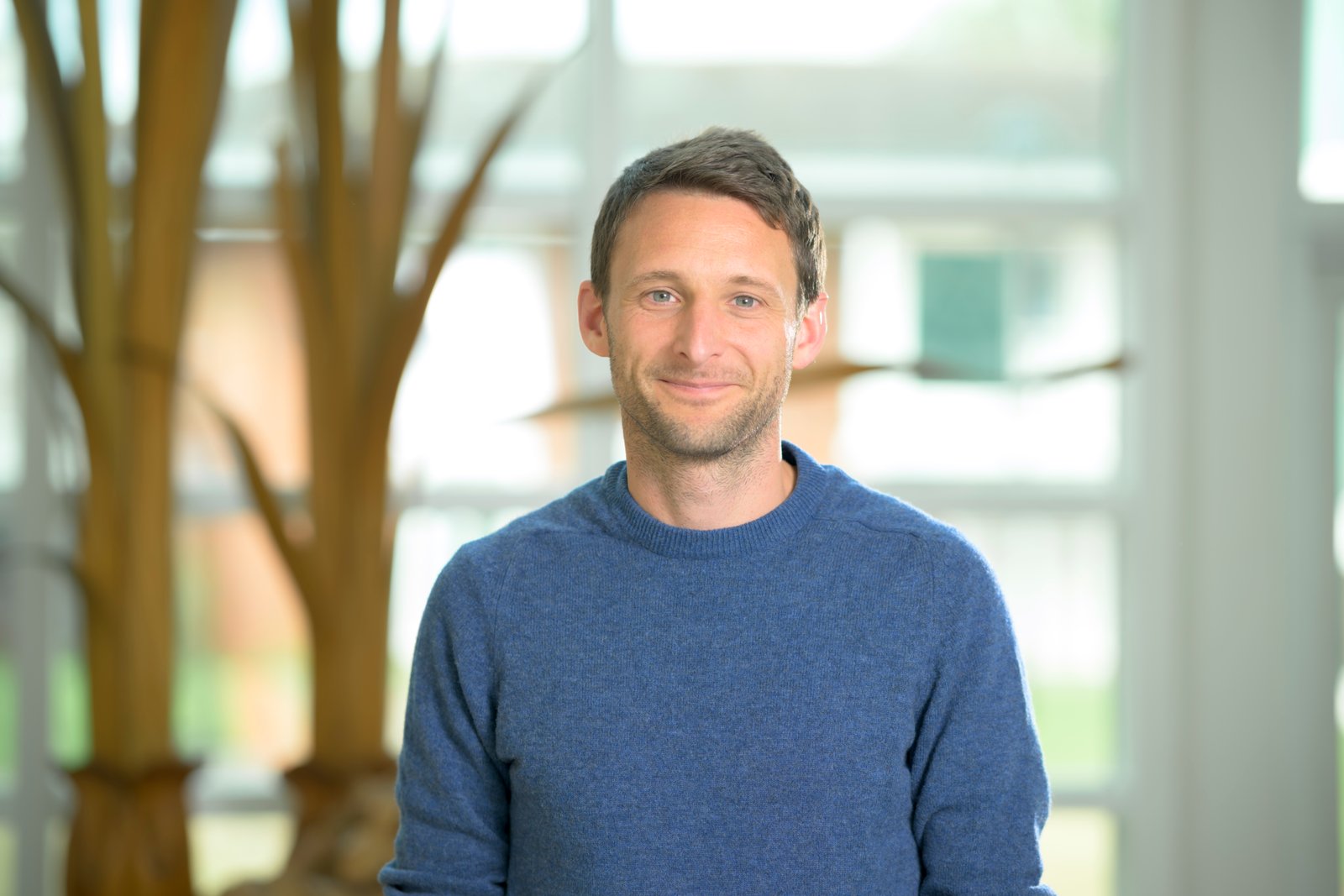
Selma Brynolfمشاهده پروفایل
پژوهشگر
Selma Brynolf is a Researcher at the Transport, Energy and Environment division at Chalmers University of Technology in Sweden. Her work is closely linked to Chalmers' Areas of Advance in Transport and Energy, with parts of her research connected to the maritime competence centre Lighthouse. She leads and participates in numerous research projects focused on sustainable maritime transport and energy systems. Dr. Brynolf's research focuses on energy and environmental systems analysis with particular emphasis on the transport sector and especially shipping. Her work centers on future marine fuels, global energy systems modeling, sustainability assessment of fuels, and environmental impact from a life cycle perspective. She has conducted extensive research on electrofuels (fuels produced from carbon dioxide and water with the help of electricity) and solutions for zero emission shipping including battery-electric and hybrid propulsion and fuel cells. Analysis of Dr. Brynolf's recent publications reveals a strong focus on decarbonizing maritime transport through sustainable fuel alternatives and technological innovations. Her work spans life cycle assessments of various marine fuel options, economic feasibility studies, and policy analyses for transitioning to zero-emission shipping. She frequently examines the environmental and economic trade-offs of different fuel pathways including biofuels, electrofuels, hydrogen, and ammonia. Nordic Roadmap – Future Fuels for Shipping (Nordic Council of Ministers) Fuel EU Maritime and other EU and IMO climate policies (Swedish Transport Administration) Hydrogen admixture in marine LNG/LBG fuels (Swedish Transport Administration) Advanced Power conversion technologies (European Commission) Dr. Brynolf leads and participates in numerous research projects funded by Swedish and European agencies including the Swedish Transport Administration, Swedish Energy Agency, European Commission, and the Nordic Council of Ministers. Her projects address critical challenges in maritime decarbonization, hydrogen infrastructure development, and sustainable fuel pathways for shipping.