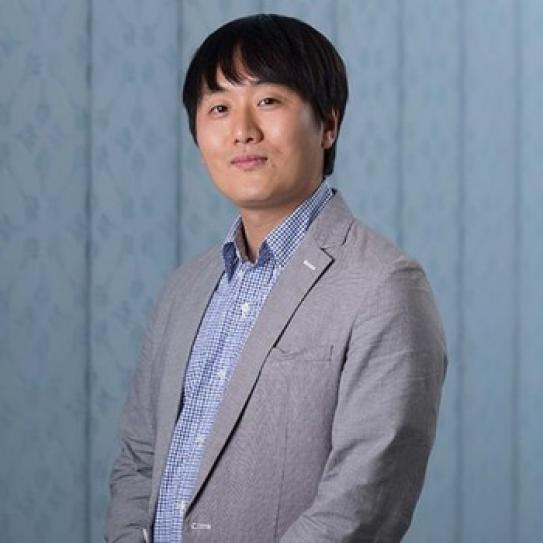
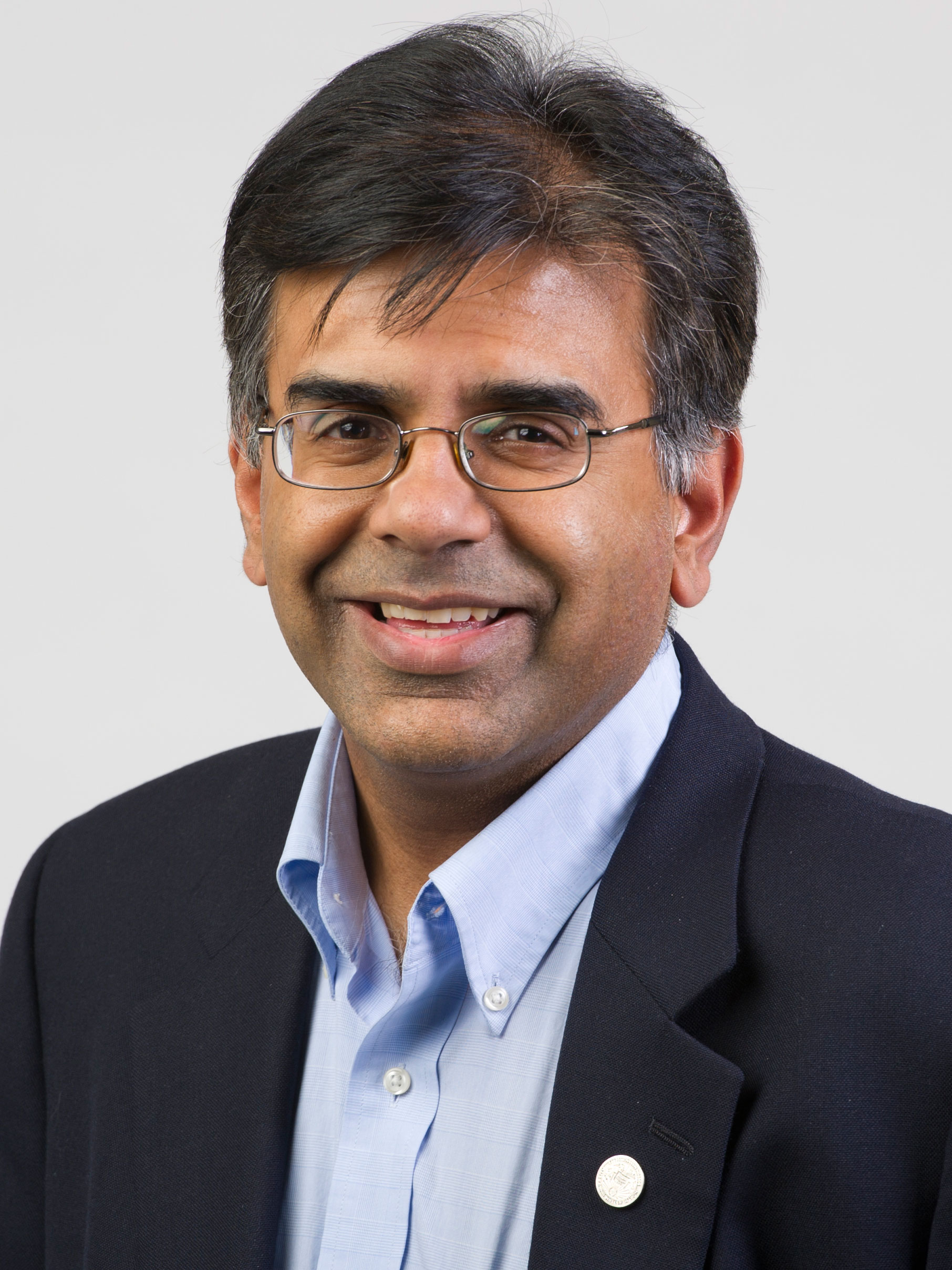
Sohmyung Ha is an Associate Professor of Electrical Engineering and Bioengineering at NYU Abu Dhabi and holds a Global Network position at NYU Tandon School of Engineering. He leads the Integrated BioElectronics Laboratory, focusing on advancing silicon integrated technologies for biomedical applications such as implantable devices and wearable sensors. His expertise spans biomedical circuits, neural interfaces, and wireless power systems. Education: MS (2004, KAIST), PhD (2016, UC San Diego) with a Best Thesis Award. Prior industry experience includes analog circuit design at Samsung Electronics (2006-2010). Academic affiliations include NYU Abu Dhabi, NYU Tandon, and global collaborations. Research interests include high-performance biomedical sensors, neural prosthetics, and energy-efficient bioelectronic systems. Notable achievements include a Best Paper Award (ISCAS 2024) and innovations in impedance spectroscopy and neural interface ICs. Current projects emphasize closed-loop neural interfaces, subcutaneous glucose monitoring, and retinal prostheses. His lab develops miniaturized, power-autonomous systems for healthcare applications.
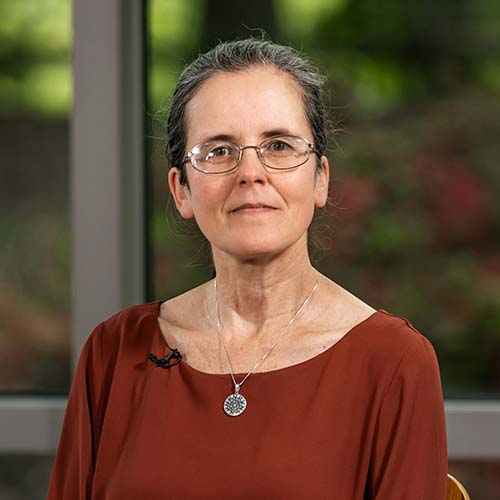
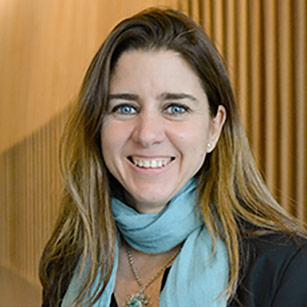
Nathalia Peixoto is an Associate Professor in the Department of Electrical and Computer Engineering and Affiliate Faculty in Bioengineering at George Mason University. Her work bridges neural engineering, biomedical applications, and assistive technology development with international collaborations across Israel, Ireland, Peru, and Korea. Educational background: PhD in Electrical Engineering, Universidade de Sao Paulo MS, University of Campinas Research Interests: Dr. Peixoto specializes in neural engineering with focus on brain-computer interfaces using wearable devices. Her lab develops: Neural prosthetics and implantable systems Bioimpedance-based medical sensors Low-cost electrophysiological recording platforms Community-centered engineering design solutions Publication Trends: Her 2022-2025 publications demonstrate strong interdisciplinary convergence between neuroscience, biomedical engineering, and AI. Key trends include machine learning for seizure detection in zebrafish models, electrochemical optimization of neural interfaces, and community-engaged design projects addressing societal challenges through transdisciplinary graduate training. Grants and Projects: Principal investigator for multiple NSF-funded initiatives: NRT-HDR: Transdisciplinary Graduate Training (2019-2024) Smart and Connected Communities: Networked Devices (2017-2019) Bioimpedance for retinal implants (2015-2017) C2MW: Classroom to Makers Week (2015-2016) Additional funding from VA STEM CoNNECT and Longwood University. Laboratory: The Neural Engineering Lab integrates chemistry, physics, and engineering disciplines through team-based projects involving high school to graduate students. Current work includes sustainable food-waste solutions, tremor-capturing robots for low-resource areas, and neural implants with international academic partnerships.
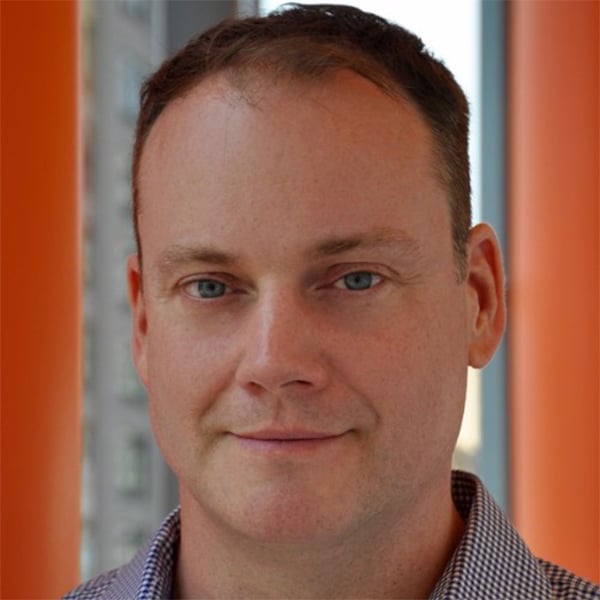
Eric Appel is an Associate Professor of Materials Science and Engineering at Stanford University, with courtesy appointments in Pediatrics (Endocrinology) and Bioengineering. He is also a Senior Fellow at the Woods Institute for the Environment. His research focuses on biomimetic polymeric materials for healthcare solutions, including drug delivery, tissue engineering, and vaccine optimization. He holds a PhD in Chemistry from the University of Cambridge (2012), an MS in Polymer Science from Cal Poly SLO (2008), and a BS in Chemistry from the same institution (2008). His postdoctoral work at MIT with Robert Langer advanced supramolecular biomaterials. Key research interests include injectable hydrogels for sustained drug delivery, anti-inflammatory biomaterials, and immunomodulatory technologies. He has pioneered depot hydrogels that enhance vaccine efficacy and reduce administration frequency. His work bridges polymer chemistry, immunology, and clinical translation, with over 100 publications and 35 patents. Three startups have emerged from his lab, commercializing technologies like ocular drug delivery systems and antimicrobial polymers. Notable awards include the IUPAC Hanwha-Total Young Polymer Scientist Award (2022), Society for Biomaterials Young Investigator Award (2023), and Royal Society of Chemistry’s Biomaterials Science Lectureship (2023). His labs focus on translating biomaterials into clinical applications, with projects addressing diabetes management, wildfire protection via advanced hydrogels, and cancer immunotherapy improvements. He collaborates broadly across engineering, medicine, and environmental science.
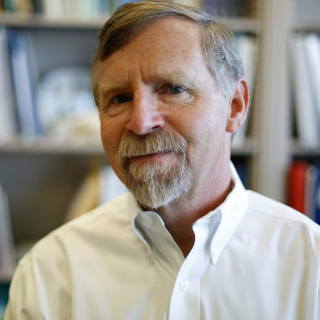
Scott Wilson, PhD, is an Assistant Professor in the Department of Biomedical Engineering at Johns Hopkins University, affiliated with the Translational Tissue Engineering Center. His research focuses on synthesizing immunomodulatory biomaterials to control adaptive immune responses for treating malignancies, infectious diseases, and autoimmune conditions. Key interests include tolerance-inducing therapies, spatial-temporal drug delivery, and nanoparticle formulations. Education: PhD in Chemical Engineering (Bioengineering) from Georgia Institute of Technology (2011) MS in Chemical Engineering from University of Oklahoma (2004) BS in Chemical Engineering from University of Oklahoma (2001) Research Interests: Wilson’s lab develops bespoke biomaterials to bias immune responses toward immunity or tolerance. Projects include cancer immunotherapy via polymeric glyco-adjuvants, allergy suppression through glycoengineered antigens, and antimicrobial coatings for titanium implants. His work bridges organic chemistry and biomedical applications, emphasizing preclinical validation. Collaborative Grants: Wilson contributed to two Johns Hopkins Discovery Awards (2020 and 2024), fostering interdisciplinary projects. His lab collaborates on translational efforts, including gene therapy delivery systems and osseointegration enhancements. Labs & Teams: The Wilson Laboratory for Biomaterials Synthesis and Immunoengineering focuses on engineering immune responses via functional biomaterials. Key themes include antigen-specific tolerance induction and targeted drug delivery platforms.
Mark S. Humayun is a University Professor at the University of Southern California (USC), holding joint appointments in the Keck School of Medicine and the Viterbi School of Engineering. He serves as Director of the USC Ginsburg Institute for Biomedical Therapeutics and Co-Director of the USC Roski Eye Institute. His expertise lies at the intersection of ophthalmology, biomedical engineering, and stem cell biology. Humayun earned his MD from Duke University and PhD from the University of North Carolina, Chapel Hill. He pioneered the Argus II retinal implant, the first FDA-approved bionic eye for restoring vision in the blind, for which he received the National Medal of Technology and Innovation (2016). His research focuses on retinal prosthetics, stem cell therapies, and non-invasive neurostimulation techniques. Key contributions include advancements in ultrasound-based vision restoration and bioengineered retinal implants. Humayun has over 300 publications and 140 patents, with awards such as the IEEE Medal for Innovations in Healthcare Technology (2020) and ARVO Fellow (2022). His work bridges clinical practice and engineering, addressing retinal degeneration and macular diseases through innovative technologies. Notable achievements include leading the development of the Argus II, which has restored partial vision to patients with retinitis pigmentosa. Current research explores next-generation implants, stem cell-derived RPE therapies, and ultrasonic stimulation for broader vision restoration. His interdisciplinary teams collaborate across engineering, computer science, and medicine to tackle complex ophthalmic challenges.
Dennis O. Clegg is a Professor in the Department of Molecular, Cellular and Developmental Biology at the University of California, Santa Barbara (UCSB). He holds leadership roles, including former Chair of the Department of Molecular, Cellular and Developmental Biology (2004–2009) and Co-Director of the UCSB Center for Stem Cell Biology and Engineering. His research focuses on stem cell therapies for ocular diseases, particularly age-related macular degeneration (AMD), and neural development. Clegg earned his B.S. in Biochemistry from UC Davis and his Ph.D. in Biochemistry from UC Berkeley. He is an internationally recognized expert in regenerative medicine, with contributions to RPE differentiation and bioengineered therapies. Research interests include stem cell-derived retinal pigment epithelium (RPE) for AMD treatment, soft tissue regeneration using adipose stem cells, and the molecular basis of epigenetic memory in stem cells. His work integrates interdisciplinary collaborations with engineers, clinicians, and industry partners, such as the California Project to Cure Blindness. Key achievements include the development of RPE-based implants and synthetic scaffolds for cell transplantation. Awards include the National Eye Institute Audacious Goals Award, UCSB Distinguished Teaching Award, and Pacific Coast Business Times Champions in Health Care Award. He serves on advisory boards for the California Institute for Regenerative Medicine and NIH Center for Regenerative Medicine. Recent studies highlight HLA-mismatched RPE implant survival in AMD patients and advancements in cryopreservation for RPE cells. Education: Ph.D. Biochemistry, UC Berkeley B.S. Biochemistry, UC Davis Affiliations: UCSB Center for Stem Cell Biology and Engineering Center for BioEngineering Center for Nanomedicine Grants & Collaborations: Funded by CIRM and NIH Partnerships with USC, Caltech, and Geron, Inc.
Heather Sheardown is Dean of the Faculty of Engineering and Professor of Chemical Engineering at McMaster University. She holds a Tier 1 Canada Research Chair in Ophthalmic Biomaterials and Drug Delivery Systems. Her expertise spans biomaterials, drug delivery systems, contact lens materials, and polymer chemistry with a focus on ophthalmic applications. Education: B.Eng. in Engineering (1989), McMaster University Ph.D. in Chemical Engineering (1995), University of Toronto Research Interests: Drug delivery systems for anterior and posterior eye Contact lens and intraocular lens (IOL) materials Thermogels and mucoadhesive polymers for ocular drug delivery In vivo ocular testing methodologies Mathematical modeling of ocular physiology Scientific Awards: Recipient of the Brockhouse Canada Prize for interdisciplinary research (2023) Tier 1 Canada Research Chair (Ophthalmic Biomaterials) Research Initiatives: Lead of the C20/20 – ORF research hub Founder of the 20/20 Network Recipient of CIHR funding ($1M+) for glaucoma research Labs/Teams: Member of Health & Bio-innovation cluster Micro-Nano Systems research cluster leader Director of the Ophthalmic Biomaterials Lab
Mansoor Amiji is a University Distinguished Professor of Pharmaceutical Sciences and Chemical Engineering at Northeastern University, with an affiliation in Bioengineering. He leads the Translational Therapeutic Delivery Laboratory, focusing on developing advanced drug delivery systems, polymeric biomaterials, and nanomedical technologies to address unmet medical needs such as cancer therapy, neurodegenerative diseases, and inflammatory conditions. His work integrates multidisciplinary expertise from engineering, biology, and medicine. Education: BS (Pharmacy, Northeastern University), PhD (Pharmaceutics, Purdue University). Awards include the T. Nagai Award and Fellowships from AAAS, AAPS, AIMBE, and the Controlled Release Society. He is a Charivate Analytics Highly Cited Author (top 1%) and recipient of the Distinguished Alumni Award from Purdue University. Research emphasizes targeted delivery systems for hard-to-deliver molecules (e.g., nucleic acids, proteins) to hard-to-reach sites like the brain. Key innovations include the Minimally Invasive Nasal Depot (MIND) technique for CNS delivery, lipid nanoparticle formulations for cancer treatment, and nanoemulsion-based combination therapies. His lab collaborates with industry and clinical partners to translate these technologies into clinical applications. Scientific achievements span over 200 publications in drug delivery, nanomedicine, and immunotherapy. His work addresses challenges in mRNA vaccine stability, overcoming chemotherapy resistance, and improving delivery of therapeutics for chronic rhinosinusitis and neurodegenerative diseases.
Mercedes Balcells-Camps is a Principal Research Scientist at MIT's Institute of Medical Engineering & Science and a Profesora Titular in Bioengineering at Ramon Llull University's Institut Químic de Sarrià. She directs the MIT-Spain Program, fostering academic-industrial collaborations. Education: PhD in Macromolecular Chemistry, RWTH Aachen (1999) MS in Chemistry, Ramon Llull University (1996) MS in Chemical Engineering, Institut Químic de Sarrià (1995) Research Interests focus on tissue engineering , particularly endothelial cell dynamics and microvascular disease . Her work bridges cardiovascular and neuroscience domains, integrating computational modeling , animal models , and cell signaling studies to address vascular injury and neurodegeneration. Key article trends reveal interdisciplinary exploration of Shear stress effects on barrier phenotypes Biomarker expression in atherosclerosis Regenerative strategies using cell implants Uremic thrombosis mechanisms Botanical therapies for vascular disease 3D scaffold optimization for cartilage regeneration Scientific Awards Cross of the Order of the Civil Merit (2011) Borchers-Plakette for Best PhD (1999) La Caixa-DAAD PhD Fellowship (1996-1999) Caixa Manresa Business Plan Competition Winner (2010) Catalan AQU Advanced Research Accreditation (2015) Mentorship & Grants include founding Spain's Regenear startup and chairing MIT's IDEA 2 Global program. She mentors interdisciplinary teams in biomedical innovation and collaborative research , with roles as grant reviewer for Spain's MINECO and Catalonia's AGAUR.
Dr. Felix Jakob is a Project Leader in the research group (RG/AG Pich) at RWTH Aachen University, focusing on biomaterials, biotechnology, and protein engineering. His work integrates interdisciplinary approaches to develop innovative materials for biomedical applications, sustainable agriculture, and textile engineering. Key research interests include antimicrobial peptides, surface functionalization, and bio-based delivery systems. Recent projects involve creating bioadhesives for medical devices, anti-bacterial coatings for implants, and eco-friendly textile treatments. His team collaborates on initiatives like EcoGuard (plant protection) and BioCoat (textile coatings). Over 12 peer-reviewed articles since 2022 reflect his contributions to materials science, biomedical engineering, and sustainable technologies. Leading projects: EcoGuard, PEBIOTE, Bio4MatPro Key collaborations: With Prof. Schwaneberg and interdisciplinary teams Focused on translating lab innovations into industrial applications
Jean E. Schwarzbauer is the Eugene Higgins Professor of Molecular Biology at Princeton University, where she leads a research group focused on the extracellular matrix (ECM) and its role in cell function and disease. She is affiliated with the Department of Molecular Biology, the New Jersey Center for Biomaterials, and the Rutgers Cancer Institute of New Jersey. Education: B.S. in Chemistry, University of Wisconsin–Milwaukee Ph.D. in Molecular Biology, University of Wisconsin–Madison Postdoctoral Fellowship, MIT Her research centers on fibronectin and ECM assembly, with implications in tissue development, regeneration, fibrosis, and cancer. She investigates how ECM structure regulates cell behavior, with a focus on fibronectin matrix formation, integrin signaling, and the role of proteoglycans. Her work spans basic molecular mechanisms to translational applications in regenerative medicine. Recent publications highlight her lab's work on fibronectin-binding protein signatures in pulmonary fibrosis, glucose-induced ECM changes in diabetic complications, and the use of engineered ECM-synthetic scaffolds for nerve regeneration. Her studies integrate cell biology, biochemistry, and biomaterials to uncover fundamental principles of matrix biology. Scientific Awards: Peggy Wheelock Award for Excellence in Research, Mentoring, and Promotion of Women in Science Professor Schwarzbauer has served as Director of Graduate Studies in Molecular Biology and Associate Chair of the department. She is actively engaged in service, having led the American Society for Matrix Biology, served on NIH study sections, and held editorial roles at Molecular Biology of the Cell , Matrix Biology , and Journal of Cell Biology . She has organized major scientific conferences and advised national research programs. Her lab trains students and postdocs in cutting-edge techniques in cell and matrix biology. Laboratory and Research Teams: The Schwarzbauer Lab at Princeton uses cell culture models, molecular biology, and imaging to study ECM dynamics. The team collaborates with bioengineers and clinicians to develop biomaterials for tissue repair. Ongoing projects include ECM in skeletal development, fibrosis mechanisms, and synthetic ECM design for regenerative applications.
Sun Young Lee is a tenured Associate Professor of Ophthalmology and Physiology & Neuroscience at USC, specializing in complex retinal conditions including age-related macular degeneration, inherited retinal diseases, and diabetic retinopathy. She directs research on extracellular vesicles for intraocular therapies, developing EV-based treatments for blinding retinal disorders through targeted drug delivery and gene therapy. Research Focus: Mechanisms of extracellular vesicle-mediated intercellular communication in retinal diseases, development of EV-based therapeutics, and clinical translation of regenerative approaches for vision restoration. Awards: ASRS Fellow (2024) Alcon Research Institute Young Investigator Award (2023) Mina Chung Research Award (2021) Presbyterian Health Foundation Clinician Scientist Award (2019) Retina Society Fellowship Research Award (2017)
Biju Thomas, PhD, is an Associate Professor of Research Ophthalmology at the University of Southern California. His work focuses on retinal regeneration , neural stimulation , and vision restoration through advanced technologies like ultrasound neurostimulation and stem cell therapies . Recent research highlights include: Using ultrasound arrays for high-resolution retinal stimulation Developing stem cell-derived retinal grafts to repair degenerative damage Exploring electrical stimulation to enhance photoreceptor survival Investigating epigenetic changes in degenerating retinas His publications span biomedical engineering , neuroscience , and ophthalmic research , addressing challenges in retinal transplantation, functional recovery, and noninvasive neuromodulation.
Professor Akram Alomainy is a distinguished academic at Queen Mary University of London, where he serves as Professor of Antennas and Applied Electromagnetics, Deputy Dean for Postgraduate Research in the Faculty of Science and Engineering, and Head of the Centre for Electronics within the School of Electronic Engineering and Computer Science. His research spans multiple interdisciplinary domains, with a strong emphasis on applied electromagnetics, wearable technology, and biomedical applications. His research interests include Antenna Engineering, Applied Electromagnetics, Biomedical and Healthcare, Communication Engineering, Radio Propagation, Wearable Technology, Terahertz Sensing, and Body-Centric Wireless Communication . His work integrates engineering principles with healthcare innovations, particularly in areas such as remote patient monitoring, smart sensors, and non-invasive diagnostics. The recent publications highlight a strong trend toward miniaturized and implantable antennas for medical devices, terahertz-based biosensing for cancer detection, millimeter-wave radar for health monitoring , and the application of machine learning and deep learning in signal and image processing for healthcare. These works demonstrate a consistent focus on solving real-world medical and communication challenges through advanced electromagnetic systems. Scientific recognitions include the 2011 British Science Festival Isambard Kingdom Brunel Award and the QMUL Education Excellence Award 2019 . He is also an Associate Editor for IEEE AWPL and IEEE J-ERM, reflecting his leadership in the research community. Prof. Alomainy leads several significant research grants funded by EPSRC, Huawei, and Innovate UK, covering areas such as smart sensors for virtual wards, antenna measurement metrology, and wearable-free health monitoring. He is actively involved in advising and leading research teams, contributing to advancements in nano-scale communication, cognitive radio, and wireless body area networks. His leadership in projects like the Wearable Technology and Creativity Research initiative underscores his commitment to innovation. He is affiliated with multiple research centres including the Centre for Electronics, Centre for Bioengineering, Centre for Brain and Behaviour, and Centre for Networks, Communications and Systems , indicating a collaborative and multidisciplinary research environment. His lab work focuses on developing wearable and implantable devices, RF sensing systems, and terahertz imaging tools for future healthcare applications.
Clement K. Chan, MD , is a Clinical Professor in the Department of Ophthalmology at the School of Medicine, Loma Linda University. His career spans decades of clinical and research contributions to retinal diseases, with expertise in age-related macular degeneration (AMD), diabetic retinopathy, and vitreoretinal surgical techniques. Education: Doctor of Medicine (MD), Loma Linda University, 1980 Bachelor of Science (BS), Pacific Union College, 1977 Dr. Chan's research focuses on AMD, intraocular lens dislocation, and novel therapies like anti-VEGF agents and bioengineered retinal implants. His recent work includes clinical trials on faricimab and genetic risk profiling for AMD complications. From 2021–2024, his publications highlight advancements in anti-VEGF therapy , bioengineered retinal implants , and genetic biomarkers for AMD progression. Key subfields include vitreomacular traction, diabetic macular edema, and scleral tissue imaging. His clinical practice and research integrate surgical innovation, such as pneumatic vitreolysis and prophylactic ranibizumab , to address retinal pathologies. Dr. Chan has authored numerous chapters on dislocated intraocular lenses and endophthalmitis management.