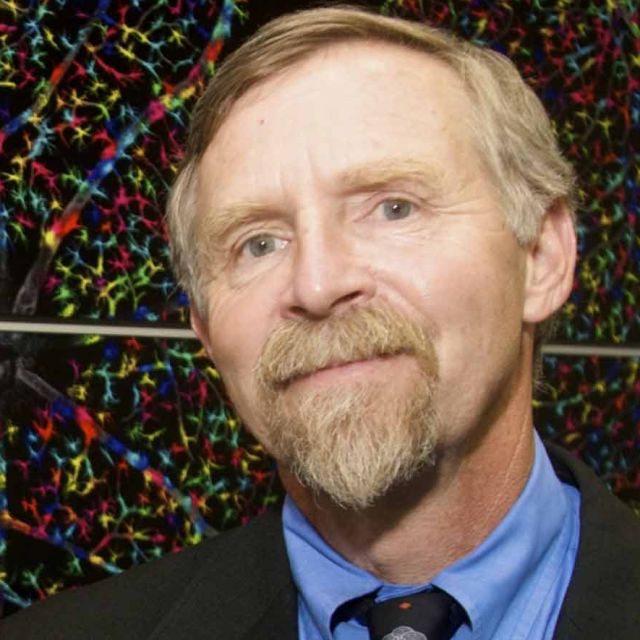
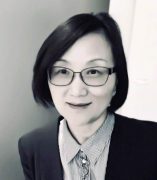
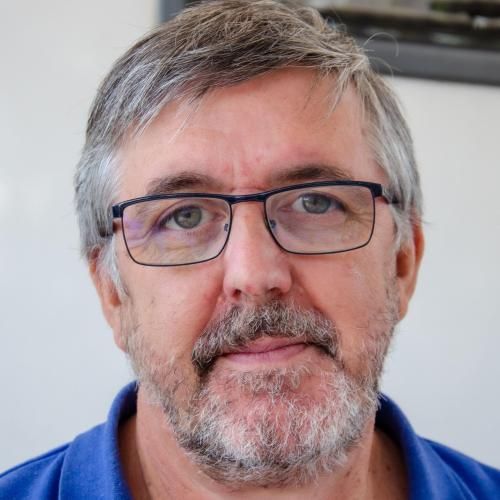
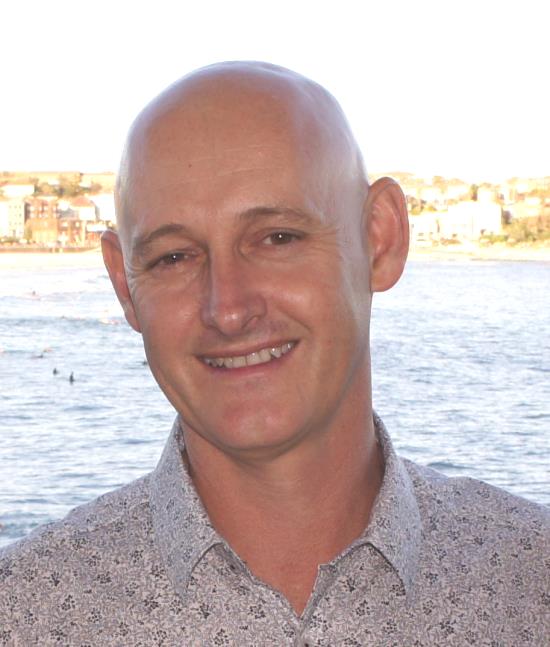
Ronna Hertzano is a Clinical Professor at the Department of Otorhinolaryngology-Head & Neck Surgery, University of Maryland School of Medicine. Her research focuses on hearing science, inner ear biology, and multi-omic data integration. Established the Hearing Science Accelerator initiative Developed the gEAR portal for multi-omic data exploration Contributed to the BRAIN Initiative Cell Census Network Pioneered cochlear organoid models for hair cell differentiation studies Her work spans transcriptomic profiling of the inner ear, epigenetic mechanisms in hearing loss, and interdisciplinary collaborations with bioengineers and computational biologists. Recent publications emphasize noise-induced hearing loss , age-related auditory degeneration , and sex-specific differences in hearing biology. She serves as a key figure in the Neuroscience Multi-Omic Archive and has developed platforms like NeMO Analytics for Alzheimer's disease research. Her clinical focus includes cochlear implants , pulsatile tinnitus , and ototoxicity prevention. Notable contributions: Created the first cell type-specific transcriptomic atlas of the inner ear Developed 3D-biofabrication protocols for tissue engineering Advanced understanding of miR-96 and GFI1 roles in hearing Explored estrogen signaling for hearing protection
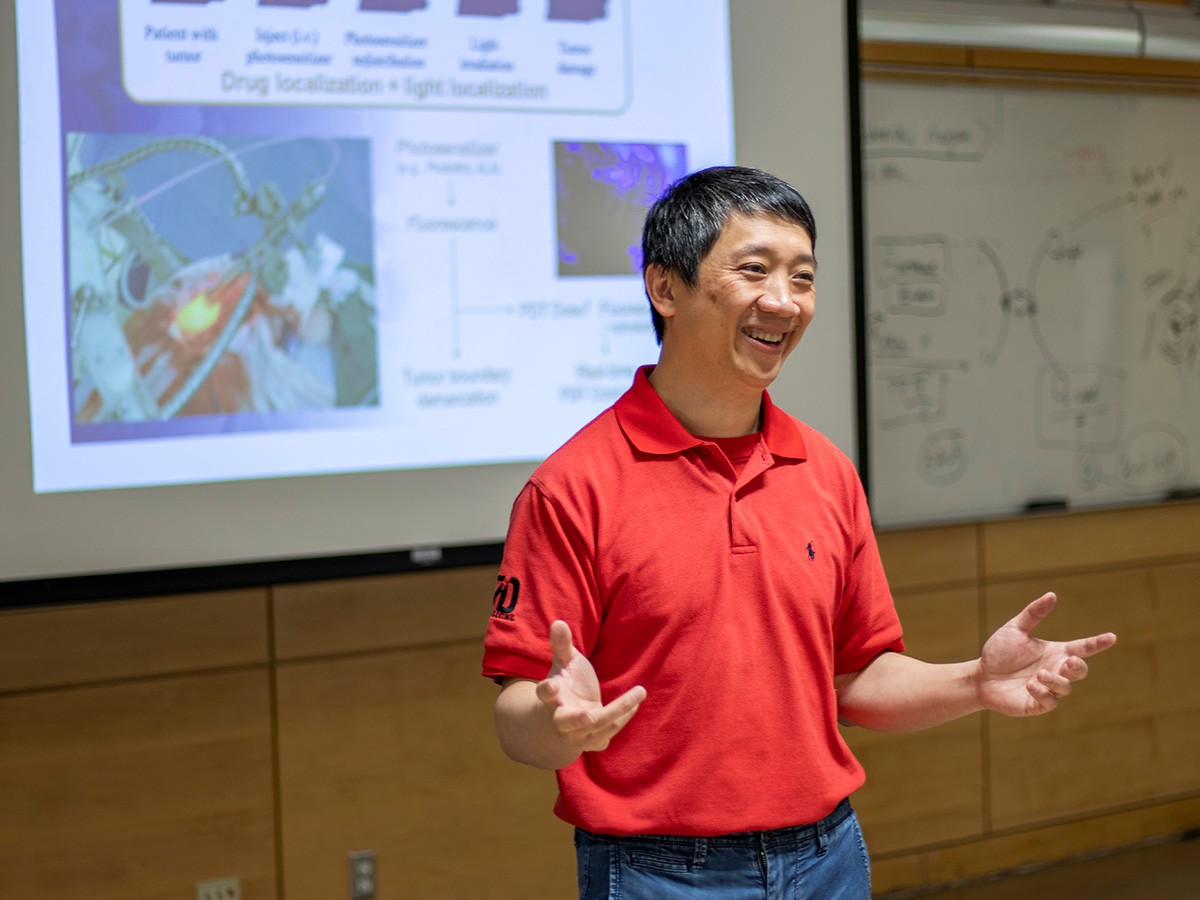
Dr. Victor X.D. Yang is a Professor in the Department of Electrical, Computer, and Biomedical Engineering at Toronto Metropolitan University, holding dual qualifications as a PhD engineer and MD neurosurgeon. His pioneering work in biophotonics has led to commercially deployed surgical systems, including a machine vision-guided platform by 7D Surgical used in over 10,000 implants across 2,000 patients globally. He champions engineering solutions that bridge clinical needs with economic viability, emphasizing scalable impact over individual surgical procedures. Education: MD, University of Toronto, 2006 PhD, University of Toronto, 2004 MASc, University of Toronto, 1998 BSc, University of Toronto, 1997 Research Interests: Dr. Yang's work spans Optical coherence tomography , Machine vision image guidance , and Medical robotics , with focus on intraoperative imaging for neurosurgery and spine procedures. His lab develops real-time imaging systems integrating OCT, fluorescence, and augmented reality to enhance surgical precision. He prioritizes translational research where engineering innovations directly address unmet clinical needs while maintaining commercial feasibility. Publication Trends: Recent publications (2017-2019) demonstrate consistent advancement in high-speed intraoperative imaging and robotic surgical systems. Key themes include multimodal image registration (MRI/CT/OCT), microvascular perfusion mapping, and coordinate-based surgical navigation. His work increasingly focuses on error-prevention systems, such as detecting wrong-level spine surgery through real-time anatomical verification. Scientific Awards: Congress of Neurosurgeons Innovator of the Year Award (Team), 2018 George Armstrong Peters Prize, University of Toronto Department of Surgery, 2017 Frost & Sullivan New Product Innovation Award (Team), 2017 Canada Research Chair in Biophotonics and Bioengineering, Tier II, 2008-2018 Advising and Professional Activities: Dr. Yang teaches advanced courses including Emerging Biophotonics and Biomedical Capstone Design, mentoring students in translational device development. He maintains active dual licensure as a Professional Engineer (PEng) and medical practitioner, with memberships spanning SPIE (Lifetime), IEEE, OSA, and major neurosurgical associations. His industry collaboration with 7D Surgical exemplifies his philosophy that engineering impact scales through commercialization. Labs and Teams: Leading a multidisciplinary research group at Toronto Metropolitan University, Dr. Yang's lab operates at the engineering-medicine interface. The team recently developed a GPS-guided surgical robot for spine procedures capable of preventing level-mismatch errors. Current projects focus on integrating machine vision with laser ablation systems and developing augmented reality overlays for complex neurosurgical interventions.
Neil Lagali is a Professor of Experimental Ophthalmology at Linköping University, affiliated with the Department of Biomedical and Clinical Sciences (BKV) within the Faculty of Medicine and Health Sciences. His research focuses on understanding and treating blinding corneal diseases, with a particular emphasis on aniridia-associated keratopathy and corneal neovascularization. He leads major EU initiatives, including the ANIRIDIA-NET COST Action and the Horizon 2020-funded ARREST BLINDNESS project, aiming to develop regenerative therapies and surgical innovations. Key projects include using femtosecond lasers for minimally invasive corneal surgery, bioengineered corneal implants, and exploring microRNA and drug therapies (e.g., Duloxetine) to enhance PAX6 protein levels in aniridia. Collaborations with biomedical engineers and global research networks drive his work. Awards include the ARVO Foundation’s 2023 Point of View Award and grants totaling over SEK 20 million from European and Swedish funding bodies. His research bridges clinical and basic science, addressing rare diseases like aniridia while advancing treatments for broader ocular surface pathologies. Notable contributions include the development of a collagen-based corneal implant restoring vision in 20 patients and pioneering in vivo confocal microscopy for disease assessment.
Dr. Dennis O. Clegg is a Wilcox Family Chair in BioMedicine and Distinguished Professor at the University of California, Santa Barbara (UCSB), affiliated with the Department of Molecular, Cellular, and Developmental Biology and the Laboratory for Stem Cell Biology and Engineering . He holds an office in Biological Sciences II, Room 5125, and his research focuses on stem cell therapies for ocular diseases, particularly Age-Related Macular Degeneration (AMD), and neural development. Education & Career: Dr. Clegg earned a BS in Biochemistry from UC Davis and a PhD in Biochemistry from UC Berkeley. He completed postdoctoral training at UCSF in neural development and has been at UCSB since 1988. He served as Chair of the MCDB Department from 2004–2009 and co-founded the UCSB Center for Stem Cell Biology and Engineering. Research Interests: His lab investigates stem cell differentiation into retinal cells, particularly retinal pigment epithelium (RPE), and develops therapies for AMD. Key projects include: Stem cell-derived RPE transplantation in animal models Engineering biomaterials for cell delivery ECM roles in retinal disease (e.g., fibulins, osteopontin) Clinical trials of bioengineered RPE implants Publications & Impact: Over 150 publications span RPE biology, stem cell protocols, and clinical trials. Notable work includes first demonstration of RPE rescuing vision in rats and development of synthetic substrates for RPE growth. Awards & Leadership: Honors include the UCSB Distinguished Teaching Award and NIH Audacious Goals Award. He advises organizations like CIRM and NIH, and co-leads The California Project to Cure Blindness , a multi-institutional AMD therapy initiative. Collaborations & Teams: Collaborates with institutions like USC, Caltech, and Regenerative Patch Technologies. Laboratory members include project scientists (e.g., Britney Pennington), postdocs (e.g., Mohamed Faynus), and graduate/undergrad researchers (e.g., Nathan Michellys, James Cho). Labs & Facilities: Directs UCSB’s stem cell lab, focusing on RPE differentiation, ECM studies, and translational research. Current efforts prioritize clinical translation of RPE implants and cryopreservation protocols.
Dr. Yang Yang is an Assistant Professor in the Department of Mechanical Engineering at San Diego State University (SDSU), part of the College of Engineering. His research focuses on bioinspired additive manufacturing, advanced materials, and their applications in energy harvesting, biomedical devices, and environmental technologies. He leads the Additive Manufacturing & Advanced Materials (AM&AM) Lab, which develops innovative structures such as nacre-inspired composites, wearable thermoelectric devices, and cactus-inspired water collection systems. Dr. Yang holds a B.S. in Physics from Wuhan University (2009) and a joint Ph.D. in Physics and Bioengineering from Wuhan University and UCLA (2015). He conducted postdoctoral research at the University of Southern California (2016–2019). He has authored over 36 peer-reviewed publications and serves as a reviewer for journals like Nature Communications and Advanced Materials . His research interests include bioinspired 3D printing, piezoelectric and thermoelectric materials, energy harvesting systems, and smart wearable devices. Notable achievements include the SME 2022 Outstanding Young Manufacturing Engineer Award and an NSF grant for bioinspired hierarchical structures. He collaborates with institutions like ASU, USC, and The Hong Kong University of Science and Technology. Dr. Yang advises graduate students (e.g., Brandon Bethers, Jason Fidler) and undergraduates (e.g., Brian Tran), focusing on projects like stretchable energy harvesters and multifunctional implants. He also organizes conferences (e.g., ASME MSEC 2021) and serves on editorial boards for Micromachines and Frontiers in Materials . Key lab projects include: 3D-printed nacre-inspired structures with mechanical and flame-resistant properties Wearable thermoelectric devices for health monitoring Ultrasound-driven wireless energy transfer implants Cactus-inspired fog collection systems His work bridges materials science, mechanical engineering, and biomedical applications, emphasizing sustainable and bioinspired solutions.
Brian Timko is an Associate Professor in the Department of Biomedical Engineering at Tufts University School of Engineering. His work bridges materials science, chemistry, and biology, focusing on nanotechnology and bioelectronic systems for cellular and tissue applications. Education : B.S. in Chemistry and Chemical Engineering (Lehigh University, 2002), A.M. (Harvard, 2004), Ph.D. in Chemistry (Harvard, 2009). Research interests center on nanoelectronics for biosensing , nanocomposites for tissue engineering , and externally-triggered drug delivery systems . His lab develops hybrid tissues integrating solid-state components with biological systems using a bottom-up approach. Recent publications highlight advances in transparent microcoil arrays for neuronal activation, smart nanomaterials for cardiac repair, and photothermal therapies for vascular disorders. His work has been recognized with the NSF CAREER Award and AHA Transformational Project Award . Scientific Awards : NSF CAREER Award (2023), AHA Transformational Project Award (2023), Fellow of the American Heart Association (2023). He teaches courses such as Biomechanics: Solids & Fluids and BME Graduate Project , while leading the Timko Lab in developing bioelectronic systems for neural and cardiac applications.
Professor Emm Mic Drakakis is a Professor of Bio-Circuits and Systems in the Department of Bioengineering at Imperial College London's Faculty of Engineering. His research focuses on bio-inspired VLSI circuits, biomedical instrumentation, and neurotechnology. Key affiliations include the Bio-inspired VLSI Circuits and Systems Group and networks in cancer technology, neurotechnology, and stem cell regenerative medicine. Education: BSc (1st Class Honours) in Physics (Aristotle University of Thessaloniki), MPhil in Electronic Physics and Radioelectrology (Aristotle University of Thessaloniki), and PhD in VLSI Design (Imperial College London). Research interests span microprobes for medicine, ultra-low-power cytomimetic circuits, memristors, and optoelectronic chips for retinal stimulation. His work integrates bioengineering principles with electronic systems to address medical challenges. Awards include the Rector's Award for Excellence in Research (2006) and the Lecturer of the Year Award (2012). Notable contributions include developing wearable biopatches, cardiac stimulation systems, and neuroelectrochemical monitoring devices. Editorial roles include Associate Editor for IEEE Transactions on Biomedical Circuits and Systems. His group's innovations include bio-inspired cochlear implant processors and optogenetic neural stimulation platforms.
Ling He is a Senior Lecturer in the Department of English at the University of Illinois Chicago (UIC), where she specializes in academic writing instruction for domestic and international students in the First-Year Writing Program. She holds a PhD in Teaching English as a Second Language (TESOL) with a focus on second language writing from the University of British Columbia, Canada. Her research bridges applied linguistics and TESOL, emphasizing teaching and assessment methodologies for English language learners. Key areas include validity of standardized English tests for language minority students and qualitative/quantitative studies on writing assessment. Her work has been published in journals such as Language Testing , Assessing Writing , and TESOL Connections , addressing both ESL/EFL contexts and critical inquiries in language education. Ling He’s scholarly contributions extend to interdisciplinary collaborations, particularly in biomedical engineering and neuroscience. Her technical publications (e.g., on electrophysiological recording systems, retinal degeneration studies, and neural prosthetics) reflect expertise in medical device design and vision science. These works, often involving animal models and clinical applications, highlight her cross-disciplinary engagement across the liberal arts and sciences. She is affiliated with the College of Liberal Arts and Sciences at UIC and contributes to academic initiatives such as the Integrative Bioengineering Institute. Her teaching and research roles emphasize pedagogical innovation, equitable assessment practices, and translational research in health sciences.
Francisco Javier Otero Espinar is a Professor at the Department of Pharmacology, Pharmacy and Pharmaceutical Technology within the Faculty of Pharmacy at the University of Santiago de Compostela. He leads the interdisciplinary PARAQUASIL research group , focusing on pharmaceutical technology, parasitic immunobiology, and waterborne parasitoses. His work spans drug delivery systems, cyclodextrin-based formulations, and 3D-printed biomedical products. Education: PhD in Pharmacy (1990) from University of Santiago de Compostela His research emphasizes ocular drug delivery (e.g., intravitreal implants, nanoparticles), transungual delivery (cyclodextrin-based nail lacquers), and nanocarriers for enhancing bioavailability. Recent publications highlight applications in neurodegenerative diseases, inflammatory disorders, and diabetes management. His team utilizes advanced techniques like PET/CT imaging , supercritical foaming , and 3D printing to develop novel therapies. Current projects include ocular implants for retinal diseases and bioengineered systems for corneal wound healing.
Nigel Lovell is a Scientia Professor and Head of the Graduate School of Biomedical Engineering at UNSW Sydney. As inaugural Director of the Tyree Foundation Institute of Health Engineering, he leads translational research in medical technologies, focusing on bionics, biomonitoring, and physiological modeling. His work spans implantable bionic eye development, telehealth systems for chronic disease management, and neural interface innovations. President of IEEE EMBS (2017-2018) Awarded over $115 million in research funding Supervised 110+ PhD students Research trends from 2025 publications highlight interdisciplinary work in biomedical robotics , genetic delivery systems , and retinal prosthetics , with a strong emphasis on soft robotics , CRISPR diagnostics , and hemodynamic stabilization . Articles demonstrate integration of machine learning with biomedical signal processing . Fellow of seven international academies 700+ publications across journals, patents, and proceedings His leadership in home telehealth frameworks and neural engineering has produced decision support systems for distributed healthcare and nonlinear systems analysis in physiological modeling. The Tyree Institute under his direction focuses on cost-effective clinical technology translation and human-centered design in medical systems.
Dr. Pablo Loza-Alvarez leads research in bioimaging and advanced microscopy techniques at ICFO, focusing on interdisciplinary applications in photonics and biology. The group develops cutting-edge methodologies including beam engineering, wavefront control, and novel contrast agents for biomedical samples. Research integrates multiphoton/confocal microscopy, light-sheet fluorescence microscopy, and computational algorithms for image quantification. Current EU-funded projects include PROMPT (neurobiology of treatment response) and Psych-STRATA (early detection of treatment resistance). Recent publications demonstrate strong trends in neuro-immunology, retinal imaging, and nanotechnology interfaces, with significant cross-disciplinary applications in plant pathology and chemometrics. Collaborative networks span Aston University, CRG Barcelona, and multiple European institutions.
Gianluca Lazzi, PhD, is a Provost Professor at the University of Southern California with appointments in Ophthalmology, Electrical Engineering, Clinical Entrepreneurship, and Biomedical Engineering. He serves as Director of the Institute for Technology and Medical Systems (ITEMS) and Director for Bioengineering Mentorship. Broad research areas: Biomedical Electromagnetics, Wireless Biomedical Devices, Neuroprosthetics Current projects: Multiscale modeling for neurostimulators, Retinal prostheses, Epigenetic eye therapies Recent publications focus on computational modeling of electromagnetic interactions in neural tissue, neuroregeneration strategies, and advanced neuroprosthetic systems. His work bridges biomedical engineering and clinical applications through rigorous safety protocols and AI-driven analysis. Scientific recognition: AIMBE Fellow (2015), IEEE Fellow (2008), R&D 100 Award (2009) Grants: NSF CAREER (2001), Whitaker Foundation Young Investigator (2001) Labs: Institute for Technology and Medical Systems (ITEMS), NSF Engineering Research Center (ERC) on Biomimetic Devices
Juan Carlos Martinez Camarillo, MD, is an Associate Professor of Clinical Ophthalmology at the University of Southern California (USC) Roski Eye Institute and Director of the Translational Research In Vivo Core Facility at the USC Ginsburg Institute for Biomedical Therapeutics. His research focuses on developing novel ophthalmic therapeutics at the intersection of medicine and biomedical engineering, addressing conditions like diabetic retinopathy, age-related macular degeneration (AMD), and ocular trauma. Previously, he served as an Associate Professor in Mexico City at the National Rehabilitation Institute (INR), affiliated with the National Autonomous University of Mexico (UNAM). He holds leadership roles in residency and fellowship programs, emphasizing translational research and clinical innovation. Education: Medical degree from La Salle University (Mexico), postdoctoral training in ophthalmology and biomedical engineering. Research interests include stem cell-based therapies, anti-inflammatory treatments, and regenerative medicine. He has authored over 30 peer-reviewed articles, book chapters, and co-edited three ophthalmology textbooks. Notable awards include the USC Roski Eye Institute President Award (2022) and Dean’s Pilot Funding (2022). Dr. Martinez Camarillo’s lab develops surgical techniques for subretinal implants, drug delivery systems using focused ultrasound, and evaluates novel therapeutics for retinal diseases. His work bridges preclinical models (e.g., RCS rats) with clinical applications, aiming to improve patient outcomes through innovation. He collaborates on clinical trials for advanced AMD and ocular trauma, leveraging interdisciplinary approaches to advance ophthalmic care.
Tian-Ming Fu is an Assistant Professor in the Department of Electrical and Computer Engineering at Princeton University. His research bridges neurotechnology, biomedical engineering, and nanoelectronics, focusing on developing implantable electronics and advanced imaging systems for neuroscience applications. B.S. in Math and Physics, Tsinghua University Ph.D. in Chemistry, Harvard University Postdoctoral training at HHMI Janelia His work centers on creating syringe-injectable mesh electronics for chronic brain monitoring and MOSAIC optical scopes for high-resolution subcellular imaging. Applications span neural regeneration studies, immune synapse analysis, and olfactory circuit mapping. Recent publications highlight innovations in nanoelectronic design , multimodal imaging , and neuroimmune interventions . Fu has received significant recognition including the Top 10 World Changing Idea award from Scientific American and selection as a Most Notable Research Advance by Chemical & Engineering News. His research involves collaborations with interdisciplinary teams and has secured substantial grants for advancing neurotechnology and regenerative medicine.
Professor Damien Harkin is a Professor in the School of Biomedical Sciences at Queensland University of Technology (QUT), within the Faculty of Health. His roles include academic leadership and research in ocular therapies. He holds honorary positions at the Queensland Eye Institute (since 2005) and Australian Red Cross LifeBlood (since 2020). Education: BSc and PhD (Pathology) from the University of Adelaide (1993), postdoctoral training at Harvard Medical School (1994-1996) and the University of Melbourne (1997). Earned a Master of Tertiary Education (2019) from the University of Melbourne. Research Interests: Focuses on cell/tissue therapies for eye diseases, regenerative medicine, biomaterials, and histological techniques. His work has secured over $3M in research funding and led to 80+ publications. Key areas include corneal endothelial cell therapies, silk fibroin-based implants, and ocular surface reconstruction. Awards: None explicitly listed, but recognized for contributions to academic leadership and digital education transformation. Supervised 7 PhD and 2 Master’s students as principal supervisor. Active in grants, including Australian Competitive Grants for corneal bioengineering and biomaterials. Labs/Teams: Leads projects in biomaterial development for ocular tissues, collaborating with interdisciplinary teams in QUT and external institutions.