Danielle Maiمشاهده پروفایل
استادیار
- Polymer Science
- Biomaterials
- Soft Matter Physics
- +۴ مورد دیگر
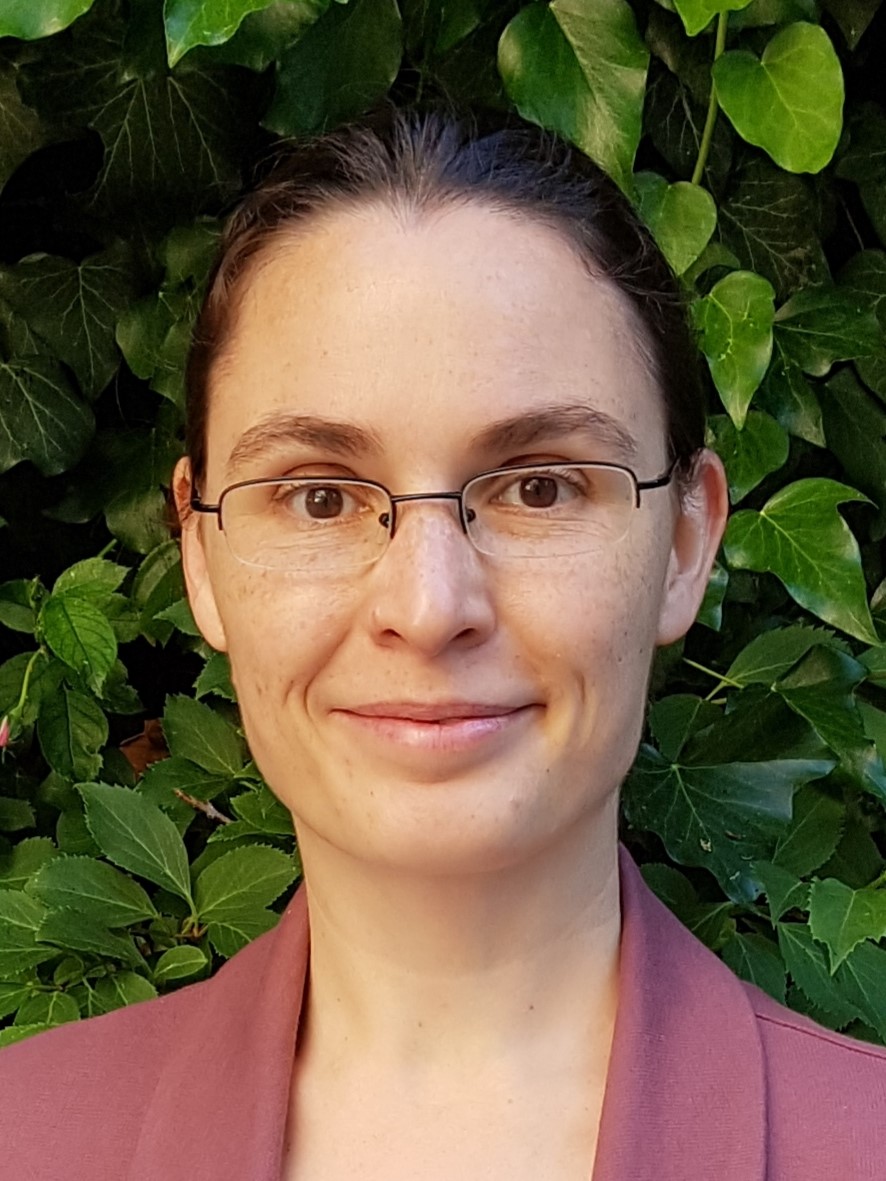
Danielle Mai serves as an Assistant Professor in the Department of Chemical Engineering within Stanford University's School of Engineering. Her teaching portfolio includes core courses such as CHEMENG 110A: Introduction to Chemical Engineering Thermodynamics (Autumn) and CHEMENG 345: Fundamentals and Applications of Spectroscopy (Spring), alongside extensive mentorship through independent research courses spanning Ph.D. (MATSCI 300, CHEMENG 600), Master's (MATSCI 200), and undergraduate levels (CHEMENG 190, CHEMENG 190H). Her research pioneers the convergence of polymer science, biomaterials, and responsive systems engineering. Specializing in photo-responsive and protein-based materials, she develops sustainable manufacturing platforms through light-triggered polymer networks and biomolecular actuators. Key focus areas include single-molecule characterization of branched polymers, calcium-responsive protein engineering, and engineered hydrogels for toxin sequestration – all targeting circular economy applications and soft robotics. Her work bridges fundamental soft matter physics with practical solutions for biomedical and environmental challenges. Analysis of her 2024-2025 publications reveals a dominant trajectory in sustainable materials innovation, with 80% of recent work centered on photochemical recycling mechanisms and circular manufacturing. The research demonstrates exceptional methodological diversity, integrating single-molecule rheology, protein engineering, and nanoconfined environment fabrication to decode structure-property relationships in responsive biopolymers. Notable thematic clusters include light-driven network deconstruction (25% of output), biomolecular transport control (20%), and ion-responsive phase transitions (15%). Dr. Mai maintains active student mentorship across all academic levels, supervising Ph.D. candidates through MATSCI 300 and CHEMENG 600, Master's researchers via MATSCI 200, and undergraduate scholars in honors (CHEMENG 190H) and general research (CHEMENG 190). Her independent studies portfolio indicates consistent involvement with 5+ student projects annually, emphasizing hands-on experimental training in polymer synthesis and biomaterials characterization. While specific grant details aren't publicly enumerated, her publication volume and technical scope suggest substantial research funding in sustainable materials and biointerface engineering.