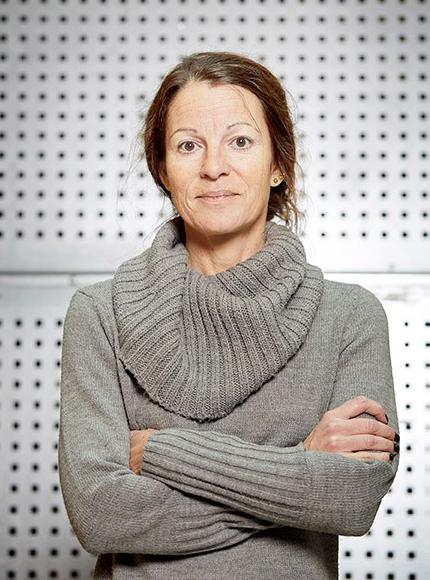
Martin Kaltenbrunner is a Professor in the Department of Soft Matter Physics at the Faculty of Engineering & Natural Sciences, Johannes Kepler University Linz (JKU). He leads the LIT Soft Materials Lab and is affiliated with the Linz Institute of Technology (LIT), focusing on sustainable material innovations for next-generation electronics. His research spans biodegradable flexible electronics, energy-autonomous systems, and eco-friendly substrates. Key interests include perovskite solar cells for healthcare robotics, mycelium-based electronic skins, and algal polysaccharide conductive nanocomposites. He pioneers sustainable alternatives using organic materials to replace conventional electronics in soft robotics and wearable devices. Recent publications (2024-2025) emphasize circular economy principles, featuring mycelium substrates for PCBs, algae-derived transistors, and passivation techniques for high-efficiency solar cells. The work integrates materials science with environmental sustainability, targeting applications in medical sensors and autonomous robotics. Professor Kaltenbrunner has supervised 18 research works and leads multiple major grants: Personalized Sustainable Smart Patch Omnificence (Persimmon) - EU project (2024-2028) Mycelium-based substrate for sustainable flexible PCBs (MycoSub) - EU project (2024-2025) Intelligent cellulose-based sensors - FFG project (2022-2025) Metasurface Fabrication (META-FAB) - FFG project (2024-2027) Nadelholzreststoffe for mycelium packaging (MycoSoft) - FFG project (2023-2026) He directs the LIT Soft Materials Lab, which develops biodegradable gels, fungal biomaterials, and sawmill byproduct-based insulation. The lab collaborates across JKU's engineering and natural sciences divisions to advance sustainable electronics through interdisciplinary projects like Persimmon and MycoSub, emphasizing real-world deployment of eco-friendly technologies.