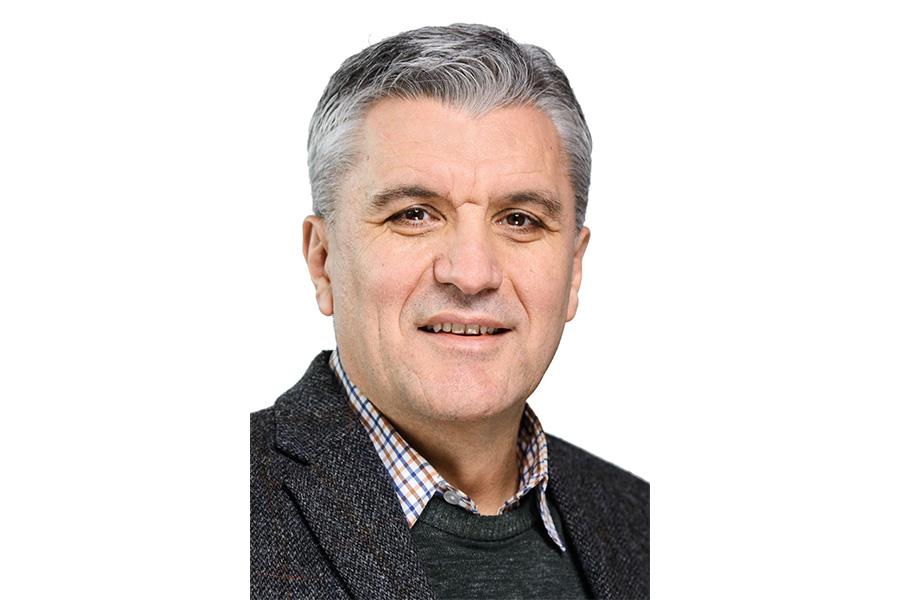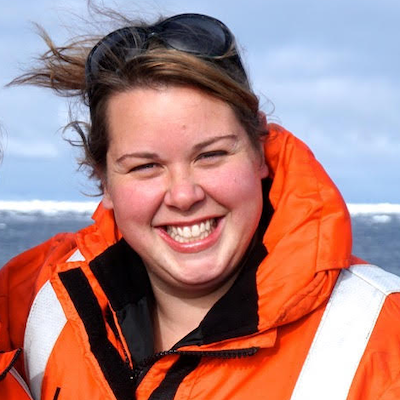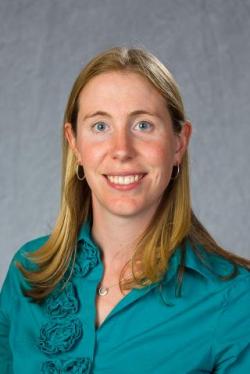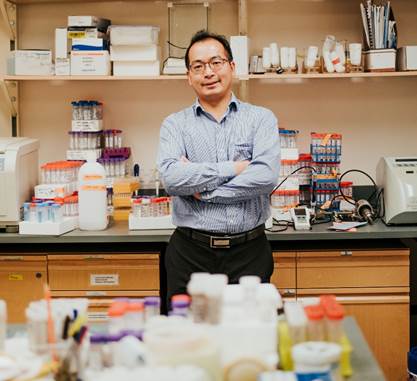
Rupali Datta is a Professor of Biological Sciences at Michigan Technological University (MTU), affiliated with the Great Lakes Research Center (GLRC). Her research focuses on applying plant biochemistry, genetics, and microbiology to address environmental contamination through phytoremediation and plant-microbe interactions. She holds a PhD from the University of Hyderabad, India. Dr. Datta collaborates with experts in environmental geochemistry, soil science, and analytical chemistry to study contaminant bioavailability in aquatic and terrestrial systems. Her work emphasizes remediation of heavy metals (arsenic, lead), explosives (TNT/RDX), antibiotics, and petroleum hydrocarbons using green technologies. She leads projects funded by agencies like the Department of Defense, EPA, and HUD. Key research areas include: Phytoremediation of contaminated soils and water using vetiver grass and hyperaccumulator plants Bioavailability of contaminants in human and environmental systems Development of sustainable remediation technologies like biochar and water treatment residuals Health effects of metal exposure in cell and animal models Recent grants include a $2.5M DoD project on PFAS remediation (2023–2025) and a HUD initiative to reduce lead bioavailability in residential soils (2021–2024). Dr. Datta’s lab also partners with SIROM Scientific Solutions, LLC, advancing environmental R&D. Her work bridges fundamental science and applied solutions, addressing global challenges in pollution and sustainability.