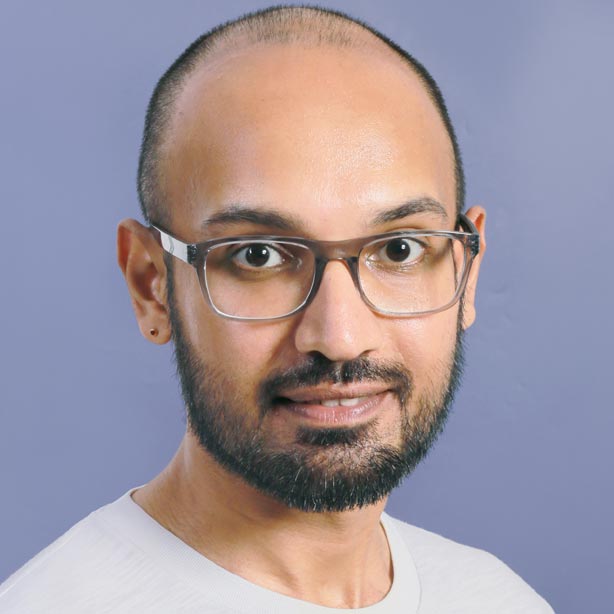
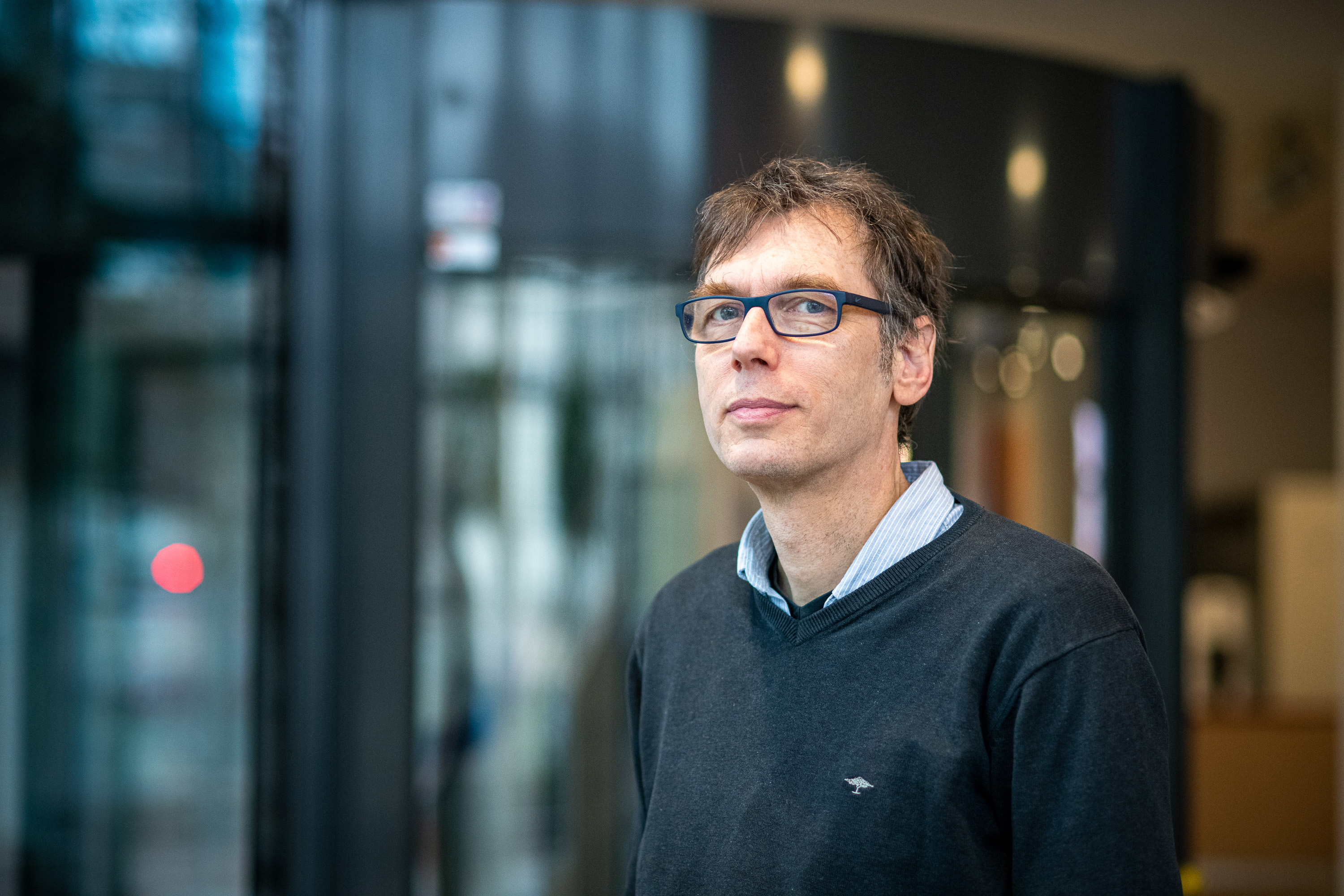
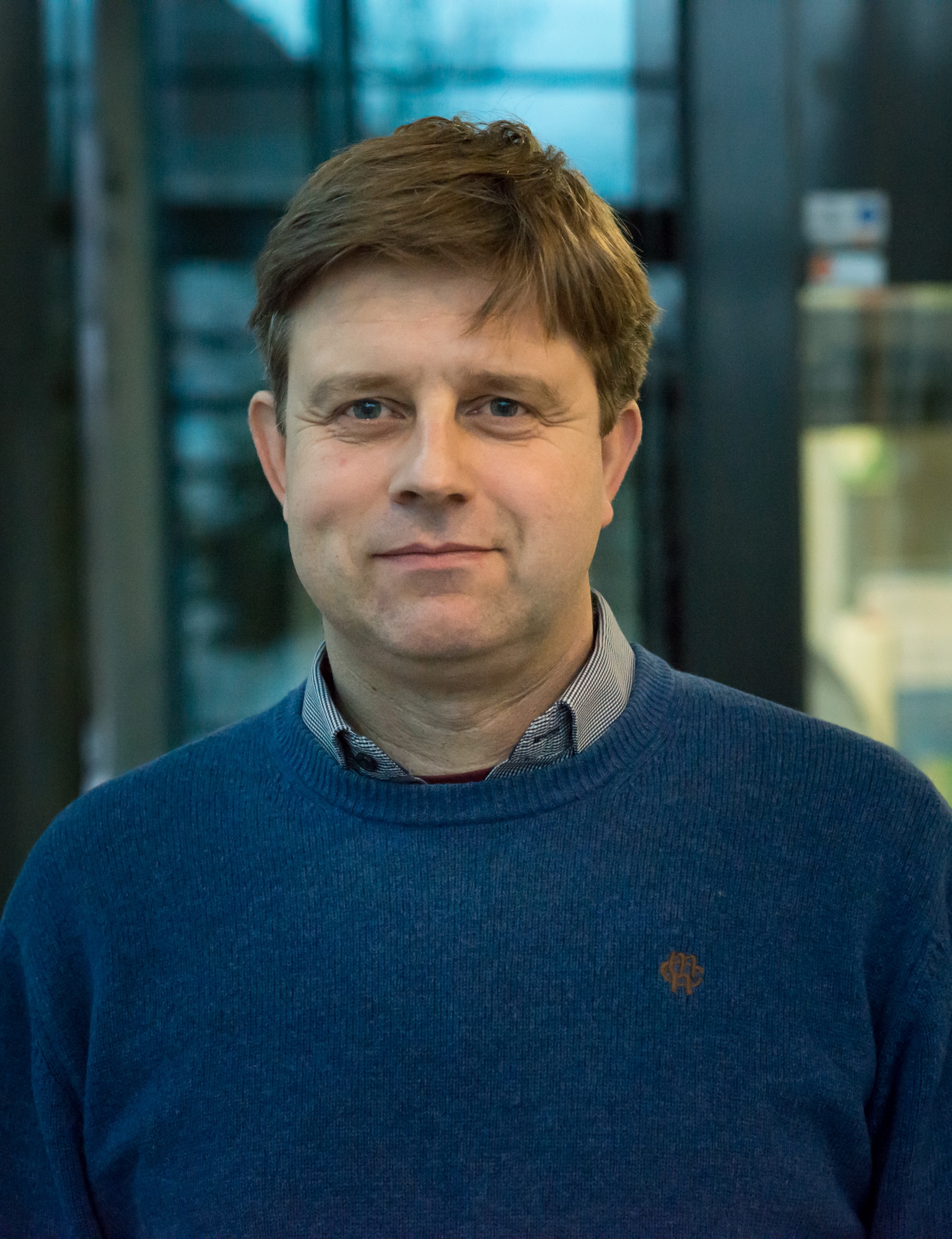
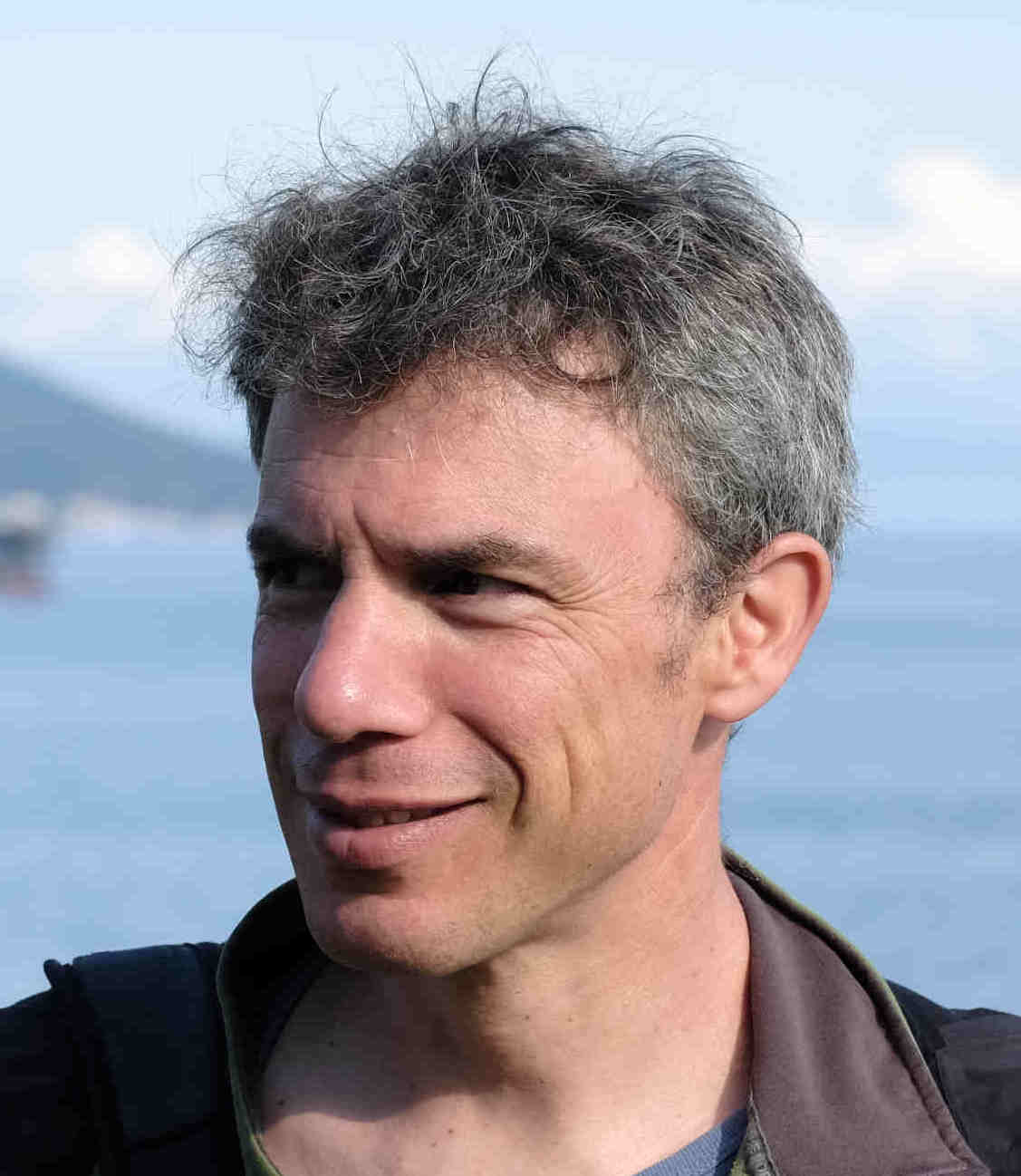
Dr. Sreejith Jayasree Varma is an Assistant Professor at the Indian Institute of Science Education and Research Thiruvananthapuram (IISER TVM) , leading the MetaChem Lab . His research focuses on metabolic biochemistry , the origin of life , and mass spectrometry-based analytical assays . Education : Undergraduate in Chemistry at IISER Pune; PhD in metabolic chemistry at the University of Strasbourg; Postdoctoral research at Charité Universitätsmedizin Berlin. His work explores carbon-carbon bond-forming reactions in core metabolism , metal ion roles in metabolic evolution , and nonenzymatic metabolic pathways relevant to prebiotic chemistry. Recent publications analyze syntrophic yeast communities , metabolite exchange mechanisms , and metal-catalyzed prebiotic reactions . The MetaChem Lab develops mass spectrometry techniques to characterize metabolomes and study metabolic network origins. Collaborations span systems biology , bioinformatics , and geochemistry . Key publications highlight metabolic symbiosis , primordial carbon fixation , and metal-driven reaction efficiency . Research trends emphasize interdisciplinary approaches bridging chemistry, biology, and evolutionary science.
Dr. Stefan Scholz serves as Senior Scientist and Deputy Head of the Department Bioanalytical Ecotoxicology at the Helmholtz Centre for Environmental Research - UFZ in Leipzig, Germany. Having joined UFZ in 2002 as a PostDoc and senior scientist, he has steadily advanced within the institution, serving as Acting Head of his department from 2022-2023 before assuming his current leadership role. His research program focuses on developing and applying innovative methods in ecotoxicology, with particular emphasis on zebrafish embryo models for chemical safety assessment and the development of alternatives to animal testing. Dr. Scholz's primary research interests center around mechanisms of chemical action, high-content analysis and automation of bioassays, and the development of alternative testing methods for effect assessment of chemicals and biomonitoring. His work spans neurotoxicity assessment through behavioral endpoints like spontaneous tail coiling and photomotor response, developmental toxicity assessment with focus on vascular disruption, and the application of Adverse Outcome Pathways in chemical risk assessment. He has pioneered advanced imaging techniques, transcriptomics, and metabolomics approaches to investigate chemical effects at molecular and organismal levels, establishing robust methodologies for data-driven toxicology. Analysis of Dr. Scholz's recent publications (2023-2025) reveals a strong progression toward increasingly sophisticated, integrated approaches in toxicological assessment. His work demonstrates a clear trajectory from basic mechanistic understanding toward practical regulatory applications, with significant contributions to developing quantitative Adverse Outcome Pathways, implementing high-content screening workflows, and establishing zebrafish embryo models as regulatory testing tools. A unifying theme across his research is the development of data-rich, mechanistically informed approaches that enhance the predictive power of chemical safety assessment while reducing reliance on traditional animal testing. OECD Cooperative Research scholarship (2015) Scholarship of the University of Nagoya, Japan (2004) Throughout his career, Dr. Scholz has been actively involved in numerous collaborative research projects, including major initiatives like the Eco-exposome research program (2021-2027), Proxies of the Eco-exposome (2018-2022), InCeTo (2019-2023), and several recently launched projects including MibiTox (2020), nanoINHALE (2024), and SafePol (2025). His work has been supported by various national and international funding mechanisms, including collaborations with regulatory agencies like the US-EPA. He has contributed significantly to the development of standardized testing guidelines, particularly for zebrafish embryo toxicity testing, through participation in OECD validation studies. Based in the UFZ facilities in Leipzig (Permoserstr. 15, Building 6.0, Room 327), Dr. Scholz leads a research team that operates state-of-the-art laboratories for zebrafish husbandry, automated imaging systems, and molecular analysis. His group has developed specialized software tools like EmbryoMotion for analyzing spontaneous tail contraction and photomotor response of zebrafish embryos. The research environment emphasizes interdisciplinary collaboration, with strong connections to computational biology, environmental chemistry, and regulatory science groups both within UFZ and across international networks.
Dr. Eberhard Küster is a researcher at the Helmholtz-Centre for Environmental Research - UFZ in Leipzig, Germany, since 2010. He specializes in bioanalytical ecotoxicology, focusing on aquatic organisms' responses to pollutants. His work bridges toxicokinetics, mixture effects, and environmental monitoring. Education: PhD in Pharmacology and Toxicology (University of Tübingen, 2000); Diploma in Biology (University of Rostock, 1996). Research: Development of Daphnia-based tools for water body monitoring, evaluation of chronic effects of pesticides/pharmaceuticals, adaptation of ecotoxicological tests, and nature-based solutions for pollution mitigation. Notable Projects: PARC (Chemical risks), JPI-Nature (antimicrobial resistance), NeuroBox (neurotoxicity), and ToxBox (drinking water safety). He contributed to EU water policy indicators as part of the European Topic Centre on Inland, Coastal and Marine Waters (ETC-ICM). Scientific Awards: OECD Fellowship (2013-2014) for pesticide mixture toxicokinetics research in the U.S. Student Supervision: Offers thesis projects linked to current research themes, with prior focus on ecotoxicological assays and environmental monitoring.
Dr. Till Luckenbach is a senior researcher at the Department of Bioanalytical Ecotoxicology within the Helmholtz Centre for Environmental Research (UFZ) in Leipzig, Germany, where he has been employed since 2006. His work focuses on molecular mechanisms of chemical uptake and defense systems in aquatic organisms, with particular expertise in multixenobiotic resistance (MXR) and ABC transporters that serve as protective barriers against environmental contaminants. Dr. Luckenbach received his biology education and doctorate from the University of Tübingen in 2002, followed by postdoctoral positions at the Max-Planck Institute for Developmental Biology and Stanford University's Hopkins Marine Station (2002-2005). His research program has been supported by numerous funding agencies including the State of Baden-Württemberg, DAAD, DFG, and the Helmholtz Association through various fellowships and collaborative projects. His primary research interest centers on molecular 'pumps' (transporter proteins) that prevent toxic chemicals from accumulating inside cells. He develops innovative test systems to study these transporters using zebrafish embryos, marine and freshwater invertebrates, and cellular systems. A significant portion of his work involves field studies at Lake Baikal in Siberia, investigating how the unique endemic fauna responds to environmental changes related to water chemistry and climate. His research addresses both fundamental molecular mechanisms and their ecological consequences in natural systems. Dr. Luckenbach's recent publications (2021-2025) demonstrate a continued focus on molecular ecotoxicology, with particular emphasis on proteomic and transcriptomic responses to environmental stressors, ABC transporter function across species, and adaptation mechanisms in aquatic organisms facing climate change and pollution pressures. His work bridges molecular mechanisms with ecological consequences, examining how environmental changes affect cellular defense systems in diverse aquatic species from Lake Baikal amphipods to marine polychaetes. SETAC Best Publication Award 2006 Dr. Luckenbach has secured funding from various sources to support his research program, including early career grants from DFG and collaborative projects through the Helmholtz Association. His work contributes significantly to understanding how aquatic organisms defend against chemical stressors and how these defense mechanisms may be compromised by environmental changes. He has established international collaborations with researchers in Russia (particularly for Lake Baikal studies), Croatia, and Spain, enhancing the global impact of his research. As part of the Ecotoxicology Department at UFZ, Dr. Luckenbach contributes to multiple research initiatives including the Proxies of the Eco-exposome project (2018-2022), InCeTo (2019-2023), and other environmental research programs focused on understanding chemical impacts on ecosystems.
Çiğdem ER ÇALIŞKAN is a Lecturer at the Faculty of Agriculture, Kırşehir Ahi Evran University , specializing in the Department of Field Crops . With a Ph.D. in Chemistry from Ahi Evran University (2016), she focuses on Analytical Chemistry and Spectroscopy techniques for environmental and biological analysis. Ph.D.: Chemistry, Ahi Evran University (2016) M.Sc.: Analytical Chemistry, Fırat University (2011) B.Sc.: Chemistry, Fırat University (2009) Her research addresses trace element analysis , heavy metal pollution , and green synthesis of nanoparticles . Key projects include developing solid-phase extraction methods for environmental samples, assessing metal contamination in food , and exploring nanoparticle interactions with biological systems . Recent publications emphasize environmental remediation , food safety , and metal toxicity mitigation via natural compounds . She has contributed to 15 research projects as a principal investigator or researcher, including studies on thermal waters, medicinal plants, and nanoparticle therapies for metal toxicity. Her work has earned recognition such as the Başarı Ödülü (2017) . Collaborations span institutions like Fırat University and international conferences in environmental and analytical chemistry.
Dr. Ayushi Agrawal serves as a Researcher at ETH Zurich's Department of Biosystems Science and Engineering (BSSE) in Basel, Switzerland. Her academic office is located at Klingelbergstrasse 48, Room BSS G 23, 4056 Basel. Her research spans Bioanalytical Chemistry and Analytical Chemistry with specialized focus on Chemical Biology and Biosensor development for molecular diagnostics. This work integrates chemical analysis techniques with biological systems to advance precision detection methodologies. As a core member of the Professorship for Bioanalytical Chemistry, she contributes to ETH Zurich's interdisciplinary research infrastructure in biosystems engineering. Her position within BSSE places her at the intersection of chemistry, biology, and engineering in Switzerland's premier technical university.
Petra Jusková serves as a Researcher within the Department of Biosystems Science and Engineering (D-BSSE) at ETH Zurich's Basel campus, specifically affiliated with the Chair of Bioanalytical Chemistry. Her work centers on advancing analytical methodologies for biological systems within this specialized research group. Her research spans Bioanalytical Chemistry, Analytical Chemistry, and Biochemistry, with emphasis on developing precision tools for molecular analysis in biomedical contexts. Key subfields include biosensor design, protein characterization, metabolomics, point-of-care diagnostics, biomarker validation, and microfluidic systems integration. Based at Klingelbergstrasse 48 in Basel, Dr. Jusková operates within ETH Zurich's interdisciplinary biosystems research ecosystem, contributing to the university's focus on translational life sciences through the Bioanalytical Chemistry team.
Dr. Jon R. Kirchhoff is the Chair of the Department of Chemistry & Biochemistry at the University of Toledo's College of Natural Sciences and Mathematics, holding the title of Distinguished University Professor. His research integrates electrochemistry, analytical chemistry, and materials science to develop advanced solutions for environmental challenges, neurochemical analysis, and metal extraction. His work focuses on electrochemical sensor development using modified electrodes (gold nanoparticles, graphene composites), conductive polymers like poly(caffeic acid), and composite sorbents for water treatment. Recent publications highlight applications in critical rare earth element extraction , precious metal recovery , and toxin removal via biochar and nanocomposite materials. His scientific awards include a 2023 patent for pyrrole-based polymers in metal extraction and the Distinguished University Professor title, reflecting his contributions to environmental chemistry, bioanalytical methods, and nanomaterials engineering.
Dr. Rita Oliwia Grabowska is a Scientist at the Department of Environmental Immunology , Helmholtz Centre for Environmental Research – UFZ, Leipzig, since 2024. Previously, she held academic positions at Leipzig University (2022-2024), University of Central Lancashire (2018-2022), and University of Oxford (2013-2015). She earned her PhD in Molecular Biology at Jagiellonian University (2008-2012) with a thesis on gonadotropin receptors in PCOS women. Education : PhD (Jagiellonian University), Postgraduate Molecular Biology (Jagiellonian University), Master's in Reproductive Biology (University of Agriculture, Szczecin). Her research investigates environmental immunology and endocrine disruptors , focusing on EDC impacts on reproductive health and hematopoietic stem cells . She employs ATR-FTIR spectroscopy for molecular diagnostics and contributes to EU projects like ENDOMIX (2024-present) and LE-REP . Recent work examines mixed effects of BPA and benzophenone-3 on fetal development, PFAS immunotoxicity , and EDC-exposed placental models . Scientific Trends span environmental-epigenetic interactions , multi-omics integration , and chemical mixture risk assessment . Collaborative publications address immune-trophoblast dynamics and childhood asthma-chemical exposure links. Her contributions include 20+ peer-reviewed articles in journals like Stem Cells , Environmental International , and Journal of Reproductive Immunology , with methodological innovations in high-throughput immunophenotyping and multi-endpoint chemical screening .
Antje Labes serves as Professor of Microbiology and Molecular Biology at Flensburg University of Applied Sciences within the Department of Energy and Life Science. She holds the significant administrative position of Dean for Department FB2 while maintaining active research and teaching responsibilities. Her research program centers on: Marine Biotechnology applications in the Wadden Sea ecosystem Biotechnology of filamentous fungi for industrial applications Micro- and Molecular Biology techniques Hygiene systems in food production and healthcare settings Professor Labes teaches across multiple degree programs including Biotechnology Process Engineering, Applied Biotechnology and Food Science, with courses delivered in both German and English to support the university's international student body. She maintains extensive organizational responsibilities: Dean of Department FB2 (Energy and Life Science) Project Lead for Bioanalytics at ZAiT (Center for Analytics in Technology Transfer) Primary contact for CheckNano initiative Coordinator for university Sustainability Network Convent FB2 representative Her leadership drives international collaborations with institutions in Russia, Indonesia, Switzerland and Japan, particularly in marine biotechnology research where students under her guidance actively search for biological agents in marine environments as recently documented in August 2025 university news.
Professor Jörn Oliver Sass is a distinguished academic in the field of biochemistry and metabolic disorders, currently serving as Professor of Bioanalytics and Biochemistry at Hochschule Bonn-Rhein-Sieg (H-BRS) within the Department of Applied Natural Sciences. He leads the Research Group on Inborn Errors of Metabolism (FG Sass) and maintains an affiliation as an 'Apl. Professor' at Albert-Ludwigs-Universität Freiburg. His academic journey spans multiple prestigious institutions across Germany, Austria, and Switzerland, establishing him as a leading expert in laboratory diagnostics of metabolic diseases. Professor Sass completed his Diplom in Biochemistry at Freie Universität Berlin in 1991, followed by postgraduate studies in environmental protection at Humboldt-Universität zu Berlin (1991-1993). He earned his doctorate (Dr. rer. nat.) from Freie Universität Berlin in 1996 and completed his habilitation in Clinical Biochemistry at Albert-Ludwigs-Universität Freiburg in 2005. His academic career includes positions as: Scientific Assistant at Freie Universität Berlin (1991-1995) University Assistant at Universität Innsbruck (1996-2001) Head of the Metabolic Laboratory at Universitätsklinikum Freiburg (2002-2006) Head of Clinical Biochemistry & Metabolism Laboratory at Universitätsklinikum Freiburg (2006-2012) Leading Chemist at Universitäts-Kinderspital Zürich, Switzerland (2012-2014) Professor at Hochschule Bonn-Rhein-Sieg (since 2015) Research Professor (2017-2020) Guest Professor at University College Dublin (2020-2021) Professor Sass's research focuses on pathobiochemical mechanisms and laboratory diagnostics of inborn errors of metabolism, with special emphasis on aminoacylases (aminoacylase-1 deficiency, Canavan disease), amino acid N-acyltransferases, and the metabolism of branched-chain and selected other amino acids. His work encompasses disorders of ketone body formation and utilization, with significant contributions to developing biochemical analytical methods for laboratory diagnostics. Recently, he has introduced the nematode C. elegans as an invertebrate animal model into metabolic research, expanding the experimental approaches in the field. His extensive publication record demonstrates consistent contributions to understanding metabolic disorders, particularly in the areas of amino acid metabolism, ketone body metabolism, and inborn errors of metabolism. Professor Sass has played a key role in developing diagnostic protocols and clinical guidelines for rare metabolic conditions, collaborating with international experts to establish consensus standards for diagnosis and management. Professor Sass serves as a Communicating Editor/Advisory Board Member for the Journal of Inherited Metabolic Disease since 2010 and is an active member of the Education and Training Advisory Committee (ETAC) of the Society for the Study of Inborn Errors of Metabolism (SSIEM) and the European registry and network for Intoxication type Metabolic Diseases (E-IMD). He also collaborates with Metabolicum Ruhr, contributing to regional metabolic disease expertise. He has supervised numerous students and researchers, inviting those with strong interest in inborn errors of metabolism to join his research group. Professor Sass leads multiple research projects including the 'Analyseplattform für molekulare Mechanismen und zelluläre Funktionen' and studies on ketone bodies, amino acid N-acyltransferases, and genetic polymorphisms. His laboratory has developed advanced analytical capabilities for studying metabolic processes and disease mechanisms. Professor Sass's laboratory at H-BRS features a comprehensive analysis platform for molecular mechanisms and cellular functions, including microscale thermophoresis for protein interaction studies, multi-mode detection for enzyme activity tests, automated patch-clamp systems, and solid-supported membrane electrophysiology for transporter research. This infrastructure supports his team's investigations into membrane transport processes and molecular disease mechanisms.
Dr. Benjamin Kimble is a Postdoctoral Research Associate at The Sydney School of Veterinary Science (SSVS), University of Sydney. His work focuses on laboratory-based pharmacokinetics, utilizing high-performance liquid chromatography and mass spectrometry. He specializes in bioanalytical development, in-vitro metabolism, and pharmacokinetic analysis, with particular emphasis on the tryptophan pathway in relation to diseases such as feline infectious peritonitis. Dr. Kimble holds a BHSc, MHerbMed, MPhil, and PhD. His educational background spans health sciences, herbal medicine, and research methodology, providing him with a strong foundation for his current work in veterinary pharmacology and metabolomics. Dr. Kimble's research primarily focuses on understanding how the tryptophan pathway responds in immune regulation related to diseases, investigating its potential as a diagnostic or prognostic marker, and developing advanced bioanalytical methods. His work bridges veterinary medicine, pharmacology, and metabolomics, with special attention to feline infectious peritonitis and koala medicine. He has made significant contributions to understanding drug metabolism in various animal species including cats, koalas, and other wildlife. Analysis of Dr. Kimble's recent publications reveals a strong focus on pharmacokinetics across diverse animal species. His work spans veterinary pharmacology, metabolomics, and bioanalytical chemistry, with particular emphasis on feline infectious peritonitis treatment and koala medicine. Key trends include developing analytical methods for drug quantification, studying drug metabolism in wildlife species, and exploring novel therapeutic approaches for challenging veterinary conditions. Dr. Kimble has secured competitive research funding for his work: 2024: "Investigation of tryptophan and kynurenines as predictive markers to monitor response to antiviral treatment in cats with feline infectious peritonitis (FIP)" funded by EveryCAT Health Foundation 2020: "Mefloquine for the treatment of feline infectious peritonitis FIP. Does a cats sex affect the rate of mefloquine metabolism" funded by Australian Companion Animal Health Foundation 2020: "Determining the clinical efficacy of mefloquine for treatment of naturally occurring feline infectious peritonitis stage 1" supported by Winn Feline Foundation (USA) While specific lab affiliations aren't detailed in the provided information, Dr. Kimble's research appears to be conducted within the Sydney School of Veterinary Science, collaborating extensively with veterinary clinicians and researchers. His work involves sophisticated laboratory techniques including high-performance liquid chromatography and mass spectrometry, suggesting he works within specialized analytical and pharmacology laboratories at the University of Sydney.
Luke Schembri serves as a Researcher at Uppsala University's Department of Medicinal Chemistry within the Drug Design and Discovery division. His primary focus involves developing novel matrices for MALDI mass spectrometry to enhance detection sensitivity for small molecules, alongside advancing palladium-catalyzed carbonylation techniques for pharmaceutical applications. His educational background includes: Bachelor of Pharmaceutical Sciences (with Honours) from Monash University Parkville (2011) PhD in Medicinal Chemistry under Associate Professor Bim Graham and Professor Peter Scammells at Monash University (2012-2016), specializing in fluorescent opiate ligand synthesis Schembri's research spans Medicinal Chemistry, Organic Synthesis, and Chemistry Education. He pioneered hydrazide-based reactive matrices for aldehyde/ketone detection in MALDI imaging and developed base-free diazomethane generation methods. His work integrates chemical derivatization techniques for comprehensive brain metabolite mapping, particularly targeting carboxyl and aldehyde groups in neurological disorders. Current projects emphasize selective matrix design for neurotransmitter analysis and palladium-catalyzed bioisostere development. Publication trends reveal a strategic shift from early palladium-catalyzed carbonylation work (2017-2019) toward advanced MALDI imaging applications (2021-2024). Recent articles focus on in situ chemical derivatization for brain metabolite mapping and reactive matrix engineering, demonstrating consistent innovation in analytical method development for neuropharmacology and drug discovery. Schembri actively mentors master's students in Uppsala University's Fördjupningsprojekt i organisk farmaceutisk kemi course, providing hands-on laboratory guidance. He collaborates with Dr. Elizabeth Yuriev on chemistry education research examining student metacognition and study habits, while maintaining industry partnerships for method validation in pharmaceutical analysis. He operates within Uppsala's Drug Design and Discovery research group under Associate Professor Luke Odell, utilizing the Biomedicinskt Centrum (BMC) facilities. Current projects involve MALDI-MS imaging optimization for neurotransmitter systems and developing carbonylative coupling protocols for acylsulfonamide bioisosteres, with ongoing work targeting L-DOPA dysregulation mechanisms in Parkinson's disease models.
Luca Guerrini is a Researcher in the Department of Physical and Inorganic Chemistry at Rovira i Virgili University (URV), Tarragona, Spain. He is a member of the Plasmonics and Ultradetection Research Group, focusing on advanced analytical techniques based on surface-enhanced Raman scattering (SERS) and plasmonic nanomaterials. His research interests lie at the intersection of nanotechnology, spectroscopy, and analytical chemistry, with a strong emphasis on developing ultrasensitive detection platforms for environmental and biomedical applications. Key areas include SERS-based sensing of metal ions, nucleic acids, proteins, exosomes, and cancer biomarkers, often leveraging hybrid materials like metal-organic frameworks (MOFs) and functionalized plasmonic nanoparticles. The recent trend in his publications (2020–2024) shows a consistent focus on enhancing SERS sensitivity and selectivity through innovative nanostructures (e.g., core-satellite assemblies, gold nanostars, hybrid microbeads) and smart functionalization strategies. His work bridges fundamental studies of plasmon-nanoparticle interactions with real-world applications in water quality monitoring and early cancer diagnosis. Luca Guerrini has made significant contributions to the field of colloidal plasmonics and SERS, with over 15 years of continuous research output. His work supports the development of next-generation optical sensors for environmental and clinical diagnostics. He advises or collaborates with researchers in the Plasmonics and Ultradetection Group, though specific student names are not listed. His research is supported by institutional affiliations and likely competitive grants, given the volume and quality of his publications. He is actively involved in laboratory-based research, working with advanced nanofabrication and spectroscopic characterization techniques within the research group environment at URV.
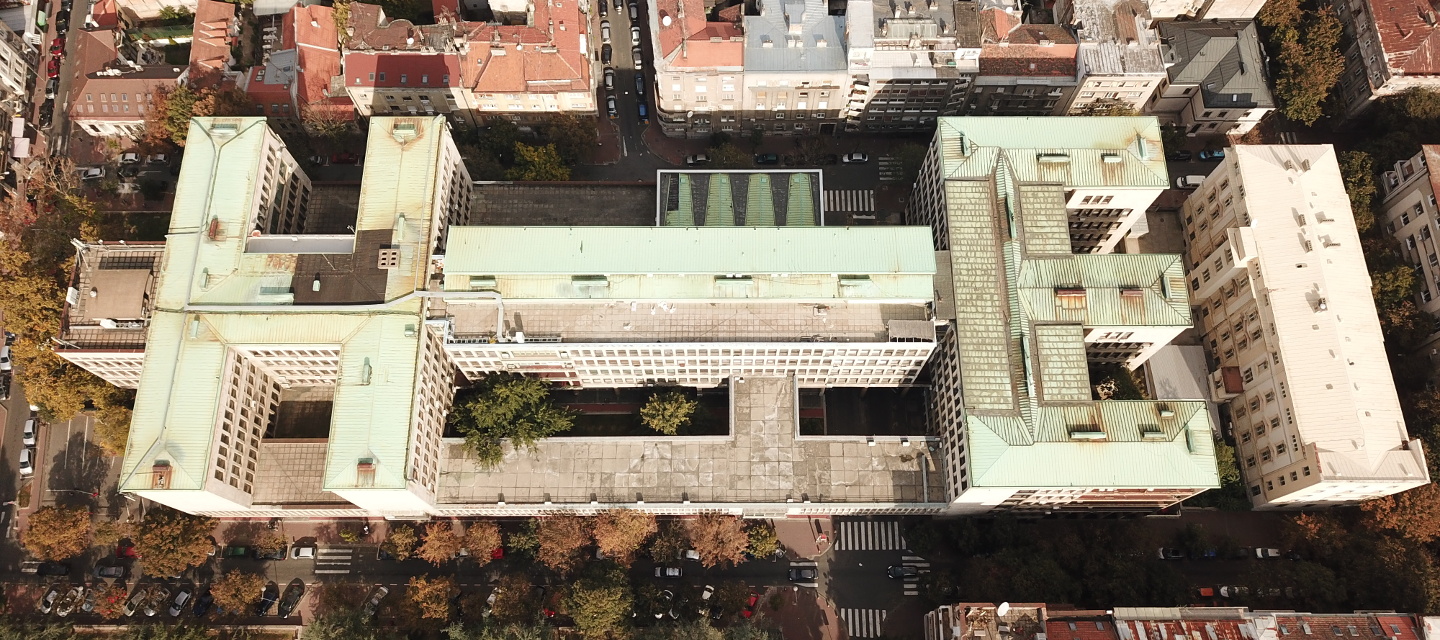
Rada M. Baošić is a Full Professor in the Department of Analytical Chemistry at the Faculty of Chemistry, University of Belgrade, where she has served since 1992, progressing from Expert associate to her current rank achieved in 2022. She concurrently holds leadership roles including Vice Dean of Academic Affairs (2020-2023) and active participation in the Serbian Chemical Society as former Vice President (2016-2021) and Secretary (2008-2016). Her academic credentials include: Undergraduate studies in Chemistry at University of Belgrade - Faculty of Chemistry (1985-1992) Master of Science in Chemistry at University of Belgrade - Faculty of Chemistry (1992-1997) PhD in Chemistry at University of Belgrade - Faculty of Chemistry (1997-2004) Her research centers on advanced analytical methodologies with emphasis on planar chromatography mechanisms, retention-structure-activity relationships, and electrochemical behavior of biologically active compounds. She pioneers sensor and biosensor development for pharmaceutical and environmental applications, particularly focusing on antioxidant activity assessment and chromatographic separation optimization. Her work bridges theoretical modeling with practical analytical solutions across diverse matrices. Analysis of her 15 most recent publications (2013-2020) reveals consistent focus on electrochemical detection systems for pharmaceuticals, chromatographic behavior of metal complexes, and applications in food/environmental analysis. Key trends include sensor development for heavy metals and drugs, TLC retention modeling of Schiff bases, and cultural heritage analysis using mass spectrometry, demonstrating interdisciplinary impact from drug design to ecological monitoring. No scientific awards were documented in the source material. She mentors graduate students in analytical chemistry while leading national research projects funded by Serbia's Ministry of Science (projects 172002 and 172017). Her administrative duties include committee leadership for academic quality improvement, MSc/PhD studies, and publishing center oversight. She teaches core courses including Analytical Chemistry 2, Selected Methods of Instrumental Analysis, and Modern Instrumental Methods. She directs the Research group for Development and Application of Analytical Sensors and Investigation of Biologically Active Compounds, driving innovation in electrochemical biosensors and chromatographic techniques for complex biological and environmental samples.