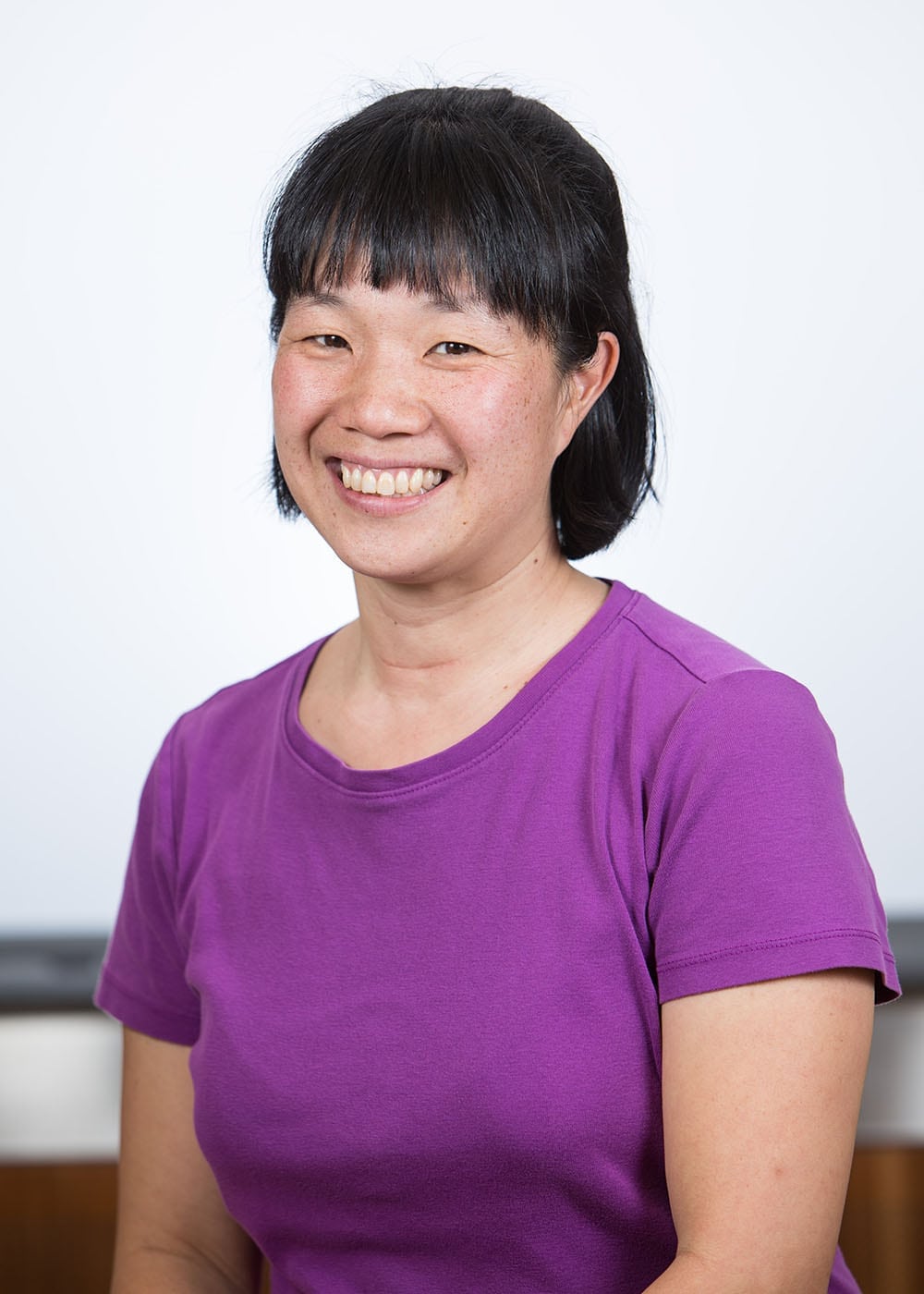
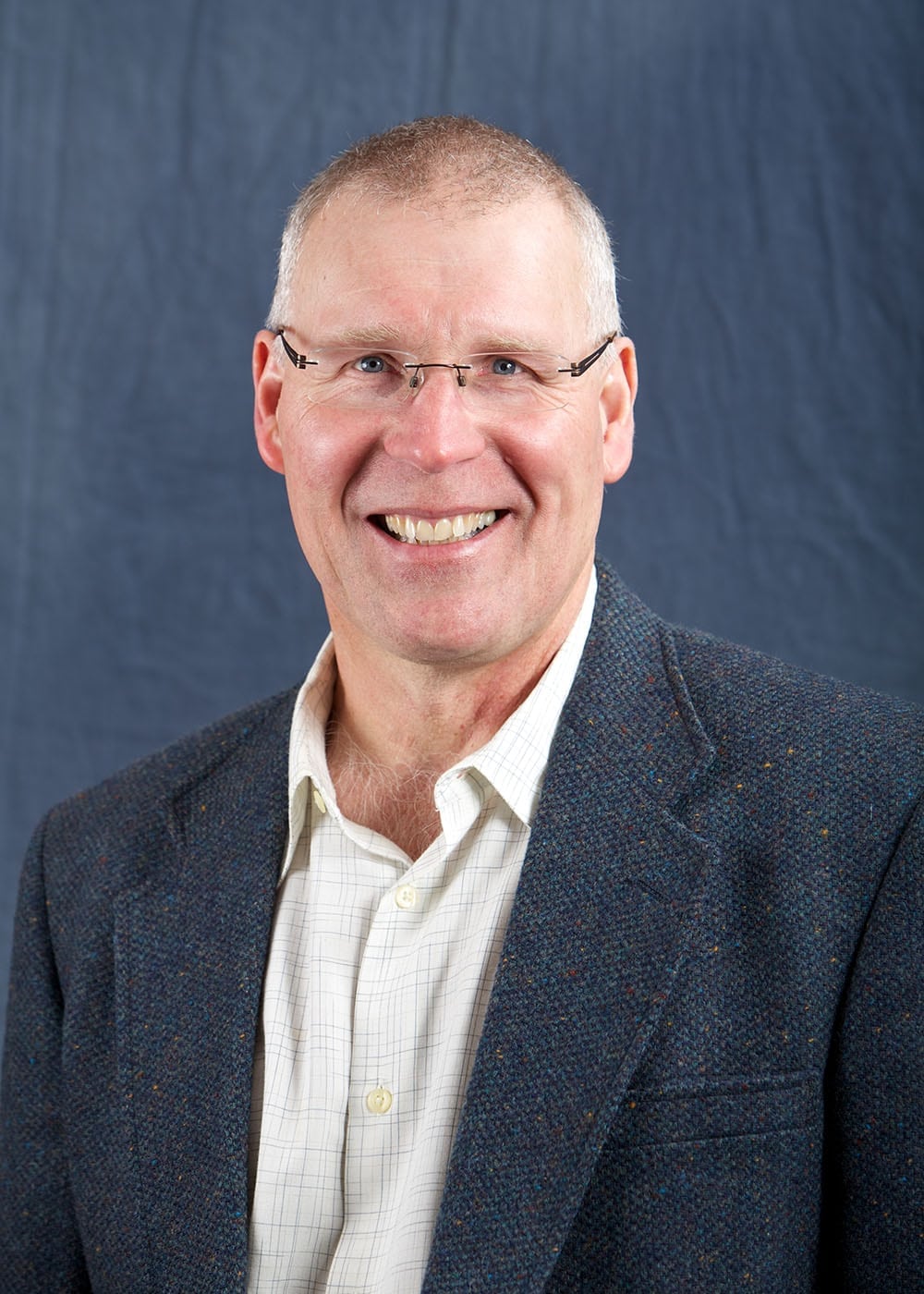
David Roos is a Professor of Biology at the University of Pennsylvania within the College of Arts & Sciences. His research focuses on Genetic Analysis of Parasite Biology and Mechanisms of Drug Action and Resistance , leveraging bioinformatics and functional genomics to study eukaryotic pathogens, vectors, and their interactions with hosts. Recent publications highlight his work in bioinformatics resource development ( VEuPathDB , FungiDB ), pharmacokinetic methods ( Immunocapture LC–MS ), and global health challenges (e.g., Artemisinin Resistance ). Key subfields include parasite genomics, database tools, and analytical chemistry. For correspondence, contact droos@sas.upenn.edu . Further details on his research and publications are available via his lab website and affiliated databases.
Dr. Yvonne Lin serves as Assistant Dean for Academic Affairs and Associate Professor within the Department of Pharmaceutics at the University of Washington School of Pharmacy. Her academic appointments span multiple units including the Obstetric-fetal Pharmacology Research Unit (OPRU) and Pharmaceutics Faculty. She maintains active research and teaching roles while providing academic leadership across the institution. Dr. Lin's educational background includes a BA in Biophysics from the University of California at Berkeley and a PhD in Pharmaceutical Sciences from the University of Washington. She completed postdoctoral training at St. Jude Children's Research Hospital, establishing her foundation in pediatric pharmacology and drug metabolism. Her research program focuses on pharmacokinetics and pharmacogenomics with particular emphasis on natural product-drug interactions and the regulation of drug metabolizing enzymes in vulnerable populations. Dr. Lin investigates enzyme regulation in children and pregnant women, exploring how developmental and physiological changes impact drug metabolism. Her work utilizes metabolomics approaches to discover endogenous biomarkers related to drug metabolism and transport, with significant contributions to understanding vitamin D pharmacokinetics and CYP enzyme function. Analysis of her recent publications reveals consistent focus on developmental pharmacology, particularly in pediatric and pregnancy populations. Her work bridges basic mechanistic studies with clinical applications, often examining special populations that are historically underrepresented in pharmacological research. The research demonstrates strong methodological diversity including in vitro systems, clinical pharmacokinetic studies, biomarker development, and physiologically based pharmacokinetic modeling. Dr. Lin actively teaches multiple courses including PHARBE 506, PHARBE 510, PCEUT 507, and PCEUT 537. She serves as a research mentor with her laboratory accepting students, though specific advisees are not listed in available materials. Her research has received support through institutional resources including the Mass Spectrometry Center and Bioanalysis and Pharmacokinetics Lab. Her laboratory maintains focus on translational pharmacokinetic research with particular attention to vulnerable populations. Current work investigates drug metabolism in cystic fibrosis patients, vitamin D clearance mechanisms, and the impact of bariatric surgery on drug disposition. The research integrates pharmacogenomic, metabolomic, and clinical pharmacokinetic approaches to address critical gaps in therapeutic optimization for special populations.
Thomas Piper is a Researcher at the Institute of Biochemistry, Deutsche Sporthochschule Köln. His work focuses on doping analysis, steroid chemistry, and metabolite profiling using advanced mass spectrometry techniques. He contributes to projects investigating physiological adaptations in sports and medication-induced effects. His research addresses illicit substance detection in sports, forensic biochemistry, and food safety. Research interests include forensic analytical methods for doping controls, metabolite identification, and development of detection protocols for emerging performance-enhancing drugs. He collaborates on studies involving SARM compounds, anabolic steroids, and hormonal markers like 11-ketotestosterone. His work bridges sports pharmacology with toxicology and regulatory compliance.
Russ Algar is a Professor at the Department of Chemistry within the Faculty of Science at the University of British Columbia (UBC) . Holding a Canada Research Chair (Tier 2) in Biochemical Sensing since 2012 and a Michael Smith Foundation for Health Research Scholar since 2014, he leads the Algar Research Group , focusing on luminescent materials for bioanalysis, fluorescence spectroscopy, FRET networks, and point-of-care diagnostic devices. Ph.D. , University of Toronto (2010) M.Sc. , University of Toronto (2006) Hon.B.Sc. , University of Toronto (2005) His research spans luminescent materials , biochemical sensing , FRET-based probes , and smartphone-integrated diagnostic platforms . Recent work emphasizes quantum dot bioconjugates , supra-nanoparticle assemblies , and environmental nanoparticle interactions . Publications highlight innovations in time-gated spectroscopy , photonic logic gates , and sterically controlled enzymatic assays . Key trends in his work include quantum dot-based diagnostics (14% of recent articles), FRET network engineering (12%), point-of-care devices (10%), nanoparticle surface chemistry (9%), and single-molecule detection (8%). Collaborations extend to UBC's LASIR , Hudson Group , and TRIUMF . Canada Research Chair (2012-Present) Michael Smith Foundation Scholar (2014-Present) NSERC Postdoctoral Fellowship (2010-2012) UBC Chemistry Basic Skills Test developer Editorial Board : Analytical Chemistry Research , Chemosensors , Nano Reviews The group develops quantum dot-biomolecule conjugates for intracellular sensing and low-cost diagnostic tools . Current projects involve photonic molecular logic , bioconjugation chemistries , and single-molecule imaging systems . Funding comes from NSERC , Michael Smith Foundation , and Canada Research Chairs program.
Suzanne Parker is a Senior Research Fellow at the University of Queensland Centre for Clinical Research , affiliated with the School of Medicine . Her work focuses on improving infant and pediatric healthcare through evidence-based drug dosing and innovative microsampling techniques. Pharmacokinetic modeling Microsampling development Clinical trial design Her research bridges bioanalysis and clinical application, emphasizing antibiotic optimization in critically ill populations. Key contributions include: Developing LC-MS/MS methods Advancing capillary microsampling Defining dosing regimens for renal dysfunction Studying drug penetration in CSF Recent publications highlight her work in antibiotic pharmacokinetics for neonatal, pediatric, and adult critical care, with specific applications in hemodialysis, ECMO, and neurosurgery. She has co-authored over 78 journal articles and participated in international collaborations.
Mikael Hedeland is a full Professor at the Department of Medicinal Chemistry (Analytical Pharmaceutical Chemistry), Uppsala University , where he has worked since 1999. He holds a PharmD and was appointed Docent (associate professor) in 2007. Visiting Professor (2013) Adjunct Professor (2015) Full Professor (2018) His research focuses on bioanalysis of drugs and metabolites using chromatography-mass spectrometry , with applications in doping control , pharmacokinetics , and mass spectrometry methods for botulinum neurotoxin detection . He leads multidisciplinary collaborations with experts in biopharmaceutics , veterinary medicine , and environmental toxicology . Recent publications emphasize LC-MS/MS method development for PROTACs , lipidomics in cancer therapy , and metabolomics of arginine derivatives in pregnancy complications . His work includes environmental biodegradation studies using Trametes versicolor and chiral separations via supercritical fluid chromatography .
Prof. Wang Yulan is a Professor of Metabolomics at the Lee Kong Chian School of Medicine (NTU) and Director of the Singapore Phenome Centre (SPC). She holds an honorary appointment at Imperial College London's School of Public Health. She earned her PhD in Physical Chemistry from the University of East Anglia (UK) in 1997. Her career includes postdoctoral research at the Institute of Food Research and John Innes Centre (UK), followed by roles at Imperial College London and the Chinese Academy of Sciences under the '1000 Talents Program.' Her research integrates NMR and LC-MS spectroscopy with computational modeling to study metabolic effects in infectious diseases and nutritional interventions. She leads the Singapore Phenome Centre, focusing on systems-level metabolic studies. Prof. Wang's work spans microbiome medicine, aging, and translational metabolomics applications. Education: PhD in Physical Chemistry, University of East Anglia, UK (1997) Research Interests: Metabolomics and systems biology approaches Microbiome-host interactions Metabolic biomarker discovery Applications in infectious diseases and public health Lab/Teams: Singapore Phenome Centre (SPC), collaborating with Dr. Low Yanwen Dorrain and international institutions.
Perdita Barran is a Professor of Mass Spectrometry at the University of Manchester’s Manchester Institute of Biotechnology. She specializes in advanced mass spectrometry applications, including protein dynamics, metabolomics, and biocatalysis. Her research focuses on structural biology, ion mobility-mass spectrometry, and translational diagnostics for diseases like Parkinson’s and post-COVID-19 conditions. She leads or co-leads 16 active research projects, including studies on SARS-CoV-2, biotherapeutic manufacturing, and synthetic biology. Education: Not explicitly listed in provided text. Affiliations: Manchester Institute of Biotechnology, University of Manchester. Research interests span metabolomics (e.g., sebum biomarkers for Parkinson’s), viral protein characterization (e.g., SARS-CoV-2 nucleocapsid), and analytical methods for biomanufacturing. Recent projects include developing diagnostic tools for long-term health outcomes post-COVID-19 and optimizing CHO cell cultures for antibody production. Her work integrates computational modeling with experimental techniques to elucidate molecular structures and dynamics. Articles highlight advancements in mass spectrometry for high-throughput screening, protein conformational studies, and biomarker discovery. Awards and grants (not detailed) support her interdisciplinary research. Supervises 40+ students across projects, emphasizing training in cutting-edge analytical techniques. Key collaborations involve synthetic biology, photocatalysis, and material science applications. Labs and teams: Active at the Manchester Institute of Biotechnology, collaborating with interdisciplinary groups on bioanalytical chemistry and biotechnology.
Dave Porubek is an Affiliate Instructor in the Department of Medicinal Chemistry at the University of Washington School of Pharmacy. He earned his PhD in Medicinal Chemistry (1984) and BA in Chemistry (1979) from Eastern Washington University. His research focuses on analytical methods for drug metabolism and drug targets in cancer drug development, particularly anti-cancer therapies. His recent publications highlight work on CYP17A1 and pharmacokinetics of SN2310, aligning with his expertise in drug regulation and oncology. He currently serves as a research consultant. Education: PhD (Medicinal Chemistry, University of Washington, 1984); BA (Chemistry, Eastern Washington University, 1979) Research Interests: Porubek’s work spans drug metabolism, toxicology, and regulatory frameworks for cancer therapeutics. His contributions include methodologies for studying anti-cancer drug targets and pharmacokinetic profiling in clinical settings. Publications: Recent studies on CYP17A1 and SN2310 pharmacokinetics reflect his specialization in drug metabolism and oncology. Both articles emphasize clinical applications and biochemical mechanisms.
Dr. Andreas Tzakos is a Professor in the Department of Chemistry at the University of Ioannina, Greece, where he leads a research group focused on medicinal chemistry and drug discovery. His laboratory operates under ISO:17025 accreditation (BAC LAB) and specializes in developing bioimaging agents, drug delivery systems, and theranostic compounds for cancer treatment. His research integrates organic synthesis, biophysical techniques, and computational methods to address challenges in human health and disease. Dr. Tzakos's research spans multiple areas of medicinal chemistry including Near InfraRed Imaging agents (NIRI, NIRII, SWIR) for cancer theranostics Drug delivery vehicles and ProDrugs development Peptide-Drug Conjugates, prodrugs, and small ligands design Natural products formulation to enhance therapeutic potency Pharmacokinetics and bioanalysis using LC-MS platforms His work combines modern robotic synthetic methodologies with biophysical techniques (fluorescence, CD, ITC, DSC) and bioinformatic approaches to characterize molecular interactions and dynamic properties of biological systems. His publications reveal a strong focus on cancer theranostics, with particular emphasis on targeted drug delivery, molecular imaging, and the development of novel compounds with triple antiplatelet activity. The research demonstrates expertise in NMR spectroscopy, computational modeling, and the application of natural products in drug discovery. His scientific achievements have been recognized with numerous awards including: Leonidas Zervas Award (2004) Gardiki-Kouidou Award (2007) EMBO long term fellowship & Medical Research Council fellowship (2004-2008) A prestigious Academy of Athens award in cancer/heart diseases research (2018) Dr. Tzakos serves on the editorial boards of several international journals including Molecules, Biochemistry & Pharmacology: Open Access, and E-Journal of Chemistry. He is also an active reviewer for numerous peer-reviewed journals focused on drug discovery, medicinal chemistry, cancer, and biophysics, and serves as an expert evaluator for national and international research proposals including H2020 projects. His laboratory has developed several patented technologies including electronic tuning methodology for GPCR ligands and systems for natural product analogues production. The Bioanalysis and Pharmacokinetics Laboratory (BAC LAB) he directs operates under ISO/IEC:17025 accreditation, providing high-quality analytical services for drug development research. His team has also developed several computational tools including PRESS (Protein S-Sulfenylation server), DIAB-DB (a database for diabetes drug prediction), and multidimensional fingerprint analysis software for complex mixture assignment.
Jose Grau Escribano is a contracted researcher in the Department of Analytical Chemistry , affiliated with the GICAPC Research Group on Analytical Control of Cosmetic Products . His work focuses on microextraction methodologies for low-volume samples, with a strong emphasis on green chemistry principles and sustainable analytical techniques. Education : PhD in Analytical Chemistry from Universitat de València (2022), with thesis on Development and Evaluation of Microextraction Methodologies for Small Sample Volumes Supervised by Dr. Amparo Salvador Carreño and Dr. Alberto Chisvert Sania Research Interests : Specializes in microextraction techniques for complex matrices like biological fluids and environmental samples Advances green chemistry through solvent reduction, nano-materials, and alternative solvents like deep eutectic solvents Develops high-throughput methods and automated systems for clinical and environmental applications Scientific Contributions : Recent publications highlight trends in miniaturized sample preparation , magnetic sorbent applications , and green solvent implementation across biomedical (cortisol/saliva analysis) and environmental (UV filters/PCBs detection) domains. His work bridges analytical chemistry with practical applications in infant product safety and stress biomarker monitoring.
Yulia Gerasimova serves as an Associate Professor in the Department of Chemistry at the University of Central Florida's College of Sciences. Her research program centers on functional engineered DNA molecules, specifically deoxyribozymes and aptamers, for applications in bioanalysis and point-of-care diagnostics. Her laboratory specializes in the selection, characterization, and optimization of catalytic DNA (deoxyribozymes) and DNA-based receptors (aptamers). These engineered molecules enable "green" catalysis , RNA-cleaving anti-cancer therapeutics, and detection systems for ions, biomolecules, and pathogens. The group designs multicomponent DNA probes that self-assemble upon target recognition, providing cost-efficient, highly selective nucleic acid detection with versatile signal outputs including colorimetric changes. Dr. Gerasimova's publication record demonstrates consistent innovation in DNA-based biosensors, with recent work focusing on pathogen detection (particularly drug-resistant tuberculosis), molecular computing, and SNP analysis. Her research bridges fundamental nucleic acid engineering with practical diagnostic applications. She has advised undergraduate researchers including Michael Greenberg, recipient of UCF's January Distinguished Undergraduate Research Award for work on deoxyribozymes. Dr. Gerasimova also contributes to significant collaborative efforts such as UCF's $1.3 million state-funded Zika virus research initiative. Her laboratory maintains active development of DNA-based diagnostic platforms for bacterial and viral pathogens, emphasizing field-deployable solutions for resource-limited settings through point-of-care nucleic acid detection systems.
Bradley T. Jones is a Professor in the Department of Chemistry at Wake Forest University. His research focuses on designing and evaluating novel spectroscopic instruments for trace analysis of inorganic species in complex samples like biological fluids, environmental materials, and food products. He holds a B.S. (1984) and Ph.D. (1988) from Wake Forest University and the University of Florida, respectively, and completed postdoctoral research at the University of Florida under James D. Winefordner. His research interests emphasize analytical atomic spectrometry, particularly tungsten coil atomic emission spectrometry and inductively coupled plasma optical emission spectrometry (ICP-OES). Applications span environmental monitoring, toxicology, and biomedical studies, including heavy metal exposure assessment and drug delivery mechanisms using carbon nanotubes. Key contributions include advancements in instrument design, sample preparation techniques, and multi-element detection methods. His work bridges fundamental analytical chemistry with practical applications in health and environmental sciences. The B. Jones Lab at Wake Forest is a hub for developing innovative calibration methods and spectroscopic tools. Bradley T. Jones collaborates across disciplines, with publications addressing topics like cadmium analysis in urine, lanthanide determination in soil/water matrices, and phase I clinical trials for cancer treatments. His research has implications for public health, environmental protection, and biomedical innovation.
Irene Panderi is a Professor of Pharmaceutical Analysis at the Faculty of Pharmacy, National and Kapodistrian University of Athens, where she leads research in Pharmaceutical Analysis and Analytical Chemistry. She heads the Laboratory of Pharmaceutical Analysis within the Division of Pharmaceutical Chemistry and has over 20 years of experience in developing analytical methods for drugs, metabolites and bioactive compounds. Education: Degree in Pharmacy, University of Athens (1989) Ph.D. in Pharmaceutical Analysis, Division of Pharmaceutical Chemistry, University of Athens (1994) Post-doctoral research in QSAR and stability studies, University of Athens (1994-2000) Certificate of Auditor / Lead Auditor, International Register of Certificate Auditors, London UK (2004) Irene Panderi's research focuses on developing analytical methods for the analysis of drugs, metabolites and bioactive compounds in pharmaceuticals, cosmeceuticals, biological fluids and human tissues. Her work applies to clinical testing, toxicology studies, doping control and quality control of drugs. She has significant expertise in MALDI-TOF imaging mass spectrometry, hydrophilic interaction liquid chromatography, and mass spectrometry techniques. Her recent research has expanded into cosmetic safety assessment, where she serves as a member of the European Commission's Scientific Committee on Consumer Safety (SCCS), contributing to numerous scientific opinions on cosmetic ingredients and nanomaterials. Panderi's publication record demonstrates a clear evolution from pharmaceutical analysis toward broader applications in cosmetic safety. Her most recent articles (2024-2025) predominantly focus on SCCS opinions regarding cosmetic ingredients, particularly concerning nanomaterials, UV filters, and fragrance components. This reflects her growing role in regulatory science and consumer safety assessment, while maintaining her analytical chemistry expertise. Scientific Distinctions: State Scholarship Foundation, Athens, Greece (1987-1988) State Scholarship Foundation, Athens – Greece (1990-1993) Member of Editorial Boards for Journal of Applied Bioanalysis, Separations, Chromatographic Research International, and Pharmakeftiki Professor Panderi teaches undergraduate courses including Introduction to Laboratory Practices, Pharmaceutical Legislation and Deontology, Analytical Chemistry 2, Pharmaceutical Analysis 2, and Laboratory of Pharmaceutical Analysis. At the graduate level, she instructs Advanced Pharmaceutical Analysis, Clinical Pharmaceutical Analysis, Stability of Pharmaceutical Products, and Bioanalytical techniques. Her international collaborations include visiting professorships at Uppsala University (2007) and Brown University (2012-2013). She maintains an active research laboratory focused on advanced analytical techniques for pharmaceutical and cosmetic applications, with particular emphasis on mass spectrometry and chromatographic methods for complex matrices including biological fluids and human tissues.
Salvador Garrigues Mateo is a Professor at the University of Valencia in the Faculty of Chemistry and Department of Analytical Chemistry . He leads the research group SOLINQUIANA (Solutions & Innovation in Analytical Chemistry) , focusing on green analytical chemistry and innovative spectroscopic methods. Education: PhD in Analytical Chemistry from the University of Valencia (1993) with a thesis on Quantitative analysis by Fourier Transform Infrared Spectrometry . Research Interests: Green Analytical Chemistry, Fourier Transform Infrared Spectroscopy (FTIR), Ion Mobility Spectrometry (IMS), environmental and biomedical analysis, sample preparation techniques, and forensic chemistry. His recent publications highlight trends in environmental analysis (wastewater drug monitoring, bioaerosol assessment), forensic chemistry (illicit drug detection, synthetic cannabinoids), and green sample preparation (natural sorbents, microextraction techniques). He also contributes to food analysis (oil degradation, essential oil authentication) and biomedical applications (urinalysis for drug exposure, serum diagnostics). His work emphasizes green chemistry principles , focusing on reducing solvent consumption, developing non-invasive testing protocols, and applying chemometrics for improved analytical accuracy. He has published extensively on spectroscopic methods for both environmental and clinical applications, often combining FTIR with ion mobility spectrometry for enhanced detection capabilities. Contact: salvador.garrigues@uv.es