Sidharth Jayachandran is a Research Fellow at the Novo Nordisk Foundation Center for Biosustainability under Technical University of Denmark (DTU) , specializing in the DTU Microbes Initiative and Yeast Natural Products department. His academic career includes a PhD (2022–2025) focused on engineering Yarrowia lipolytica for plant triterpenoid production. His research interests span Natural Products , Advanced Biofuels , Biosynthetic Gene Clusters , Polyketide Synthases , and Terpenoids . Recent publications highlight his work in bioinformatics-driven curation of biosynthetic pathways, microbial engineering for sustainable bioproducts, and heterologous expression systems. Notable collaborations include partnerships with Pablo Cruz-Morales , Jay Keasling , and Irina Borodina . His work contributes to UN Sustainable Development Goals (SDGs), particularly Responsible Consumption and Production and Climate Action , through innovations in biofuel and bioproduct sustainability.
Louise Kjærulff serves as a Research Consultant in the Department of Drug Design and Pharmacology within the Faculty of Health and Medical Sciences at the University of Copenhagen. Her work centers on natural product drug discovery, with emphasis on Australian Eremophila species and other endemic plants, utilizing advanced analytical techniques for bioactive compound identification. Her research spans Natural Products Chemistry , Phytochemistry , and Drug Discovery , focusing on isolation and structural characterization of alkaloids, lignans, diterpenoids, and sesquiterpenoids. She employs high-resolution methods including HPLC, NMR spectroscopy, molecular networking, and bioassay-guided fractionation to evaluate cytotoxicity, enzyme inhibition, and radical scavenging activities of plant metabolites. Analysis of her 2022-2024 publications reveals strong interdisciplinary collaboration, particularly in Australian biodiscovery projects. Key themes include phytochemical profiling of Eremophila species, biosynthetic pathway investigations, and ethical considerations in ethnobotanical research. Her work integrates computational chemistry with experimental validation for stereochemical assignments. No scientific awards or fellowships were documented in the available profile. Louise Kjærulff has not listed any formal advisees or research grants in the current information. She operates within the Joint Lab Facilities at the University of Copenhagen and maintains active international collaborations with Australian researchers on plant-based drug discovery initiatives, addressing both scientific and ethical dimensions of natural product research.
Gitte Ravn-Haren is a Senior Researcher at the National Food Institute, Technical University of Denmark (DTU), where she leads research in the Research Group for Risk Benefit. With a PhD from the University of Copenhagen (2007) and an M.Sc. in Engineering from DTU (1996), she has established herself as a leading expert in food bioactive compounds and their health impacts. Her work contributes significantly to UN Sustainable Development Goals related to health and well-being. Her research focuses on understanding how dietary and genetic factors interact to influence biological responses and chronic disease risk. She employs biomarkers of oxidative stress, defense mechanisms, and cardiovascular disease risk factors in human dietary intervention studies, biobank-based cohort studies, and experimental animal models. Current projects include increasing food literacy among school children through technology integration and investigating the effects of Denmark's iodine fortification program on thyroid health across Europe. Ravn-Haren's publication record includes 107 works spanning nutrition science, food biochemistry, and public health. Her recent work shows strong emphasis on iodine fortification, food literacy, and the health impacts of specific food components like linseed. Her research consistently bridges laboratory science with real-world public health applications, particularly in European food policy contexts. As an advisor to the Danish Veterinary and Food Administration, she provides expert guidance on safe levels of vitamins and minerals in food supplements and fortified foods, as well as the safety of botanicals. She also serves on the DanThyr steering group, which investigates iodine intake and thyroid diseases in Denmark. Ravn-Haren actively supervises PhD students and other researchers, with recent projects focusing on iodine awareness, food fortification risk-benefit assessment, and automated plant farming. Her work has been featured in six media contributions, demonstrating her commitment to translating scientific findings for public understanding.
Charlotte Held Gotfredsen is a Professor in the Department of Chemistry at the Technical University of Denmark (DTU). Her research focuses on microbial secondary metabolites, organic chemistry, and metabolomics. She leads the Center for Microbial Secondary Metabolites and is affiliated with DTU Microbes Initiative. Her work contributes to Sustainable Development Goals related to health and innovation. Research interests include natural product discovery, biosynthesis of antibiotics, and development of analytical tools like NMR-based metabolomics. She supervises multiple PhD projects, including studies on endoribonuclease recruiters, bacterial secondary metabolites, and fragment-based drug discovery targeting nucleotide and TNF receptors. Publications span antifungal compounds from Streptomyces, enzymatic fluorination, and genome-driven discovery of bioactive metabolites. Her lab employs cutting-edge techniques in synthetic biology and chemical biology, with a focus on drug discovery and metabolic engineering. Current projects include optimizing metabolomic experiments and expanding biocatalytic methods for fluorine chemistry. She collaborates internationally on topics like RNA-targeted drug design and Alzheimer’s biomarkers.
William Goldring is an Associate Professor in the Department of Science and Environment at Roskilde University, Denmark. He holds a PhD in Organic Chemistry from the University of British Columbia (2000) and a BSc from the University of Toronto (1995). His research focuses on synthetic organic chemistry, natural products, gene therapy, and lipid-based drug delivery systems, with expertise in small angle x-ray scattering and synchrotron techniques. Goldring has been a key contributor to cationic lipid vector development for gene transfer and has collaborated internationally on projects involving bacterial pathogenesis mechanisms. He has held academic positions at Queen’s University Belfast (2005-2016) and the University of Nottingham (2001-2005), and has received the Society of Chemical Industry Award (1995). Goldring teaches courses in Bioorganic Chemistry, Organic Chemistry, and Methods in Biophysical Chemistry at Roskilde University, and supervises research projects in chemistry. His outreach initiatives include promoting STEM education through experiments like the Lycopene: A Tomato Experiment. Goldring’s publications span 19 peer-reviewed articles, emphasizing lipid-based delivery systems and synthetic methodologies. His work also includes contributions to understanding Salmonella virulence mechanisms. He serves on professional committees for the Royal Society of Chemistry and has organized conferences like the RSC Merck Organic Chemistry Symposium. His leadership roles include chairing multiple university committees focusing on education and safety protocols.
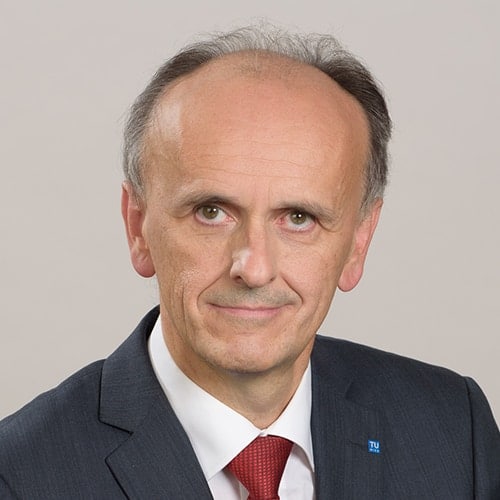
Johannes Fröhlich is a Professor and Chair of Organic Chemistry at Technische Universität Wien (TU Wien), where he also served as Vice Rector for Research (2011–2015) and Vice Rector for Research and Innovation (2015–2019). He was previously Dean of the Faculty of Technical Chemistry and Head of the Institute of Applied Synthetic Chemistry. His research focuses on bioactive compounds , metabolomics , and organic electronics . He is a co-inventor of a patented synthetic method for Galanthamine, an Alzheimer's drug marketed as Reminyl® by Janssen Pharmaceuticals. His work bridges pharmaceutical chemistry and materials science, contributing to both therapeutic development and functional organic materials. The recent publications (2010, 2014–2025) reflect a sustained interdisciplinary focus on organic synthesis , drug discovery , metabolite analysis , and organic electronic materials , with strong emphasis on industrial and medical applications. Scientific Affiliations and Roles: Guest Professor at STU Bratislava, Masaryk University Brno, TU Dresden, and Heidelberg University Member, Management Committee and Administration Council of the European Chemistry Thematic Network (EU level) Prof. Fröhlich has led major academic and research initiatives, including directing institutes and shaping research policy as Vice Rector. His leadership spans education, research innovation, and European collaboration. He has supervised students and researchers in synthetic organic chemistry, though specific advisees are not listed. He is involved in advanced research projects related to pharmaceutical synthesis, metabolomics platforms, and organic electronic materials, likely supported by national and EU grants, though specific funding details are not provided.
Anan Yaghmur is an Associate Professor in Pharmaceutical Physical and Analytical Chemistry at the Department of Pharmacy, Faculty of Health and Medical Sciences, University of Copenhagen. His research focuses on the development of lipid-based nanostructured drug delivery systems, particularly cubosomes and hexosomes, with applications in targeted drug delivery and biofilm prevention. He leads the Cubosome and Hexosome Nanomedicines (CH-NANO) research group and maintains active collaborations with institutions across Europe and Asia. His research interests center on designing and characterizing nanomedicines using liquid crystalline phases, with specific expertise in cubosomes and hexosomes as self-assembled drug nanocarriers. He investigates the structural behavior of these systems under biological conditions, focusing on how drug loading affects internal nanostructures and interactions with biological environments. Current research includes lipid-based nano-structured drug delivery systems for colorectal cancer therapy, in situ characterization of liquid crystalline drug formulations, and developing liquid crystalline coatings to combat implant-associated biofilm infections. His work combines advanced characterization techniques like SAXS with microfluidic synthesis approaches to create tunable nanocarriers. His recent publications highlight trends in developing antibiotic-free antimicrobial systems, omega-3 fatty acid nanocarriers, and pH-responsive drug delivery platforms. These works demonstrate increasing focus on translational applications, particularly in cancer therapy, biofilm prevention, and nutraceutical delivery. The research shows strong interdisciplinary collaboration, frequently combining pharmaceutical science with materials engineering and microbiology. Årets Underviser 2011 (Teacher of the Year award from Faculty of Health and Medical Sciences) Lise-Meitner Fellowship from Austrian Science Funds (2003-2004) Yaghmur actively supervises 7 PhD students and multiple postdocs across projects funded by major organizations including the Danish Council for Independent Research, Novo Nordisk Foundation, and Marie Skłodowska-Curie Fellowships. His current major grants include the OMEGA project (2024-2028) targeting hepatic stellate cells with omega-3 nanocarriers and the MICNANO project (2023-2026) developing microfluidic synthesis for colorectal cancer therapy. His research group operates the CH-NANO laboratory at the University of Copenhagen, which specializes in structural characterization of lipid-based nanocarriers using synchrotron techniques and microfluidic platforms.
Sotirios Kampranis is a Professor in the Department of Plant and Environmental Sciences at the University of Copenhagen, leading research in biochemical engineering for sustainable production of complex plant-derived chemicals. His work bridges enzyme characterization, protein engineering, and metabolic pathway reconstruction in biological systems. His research interests focus on developing biological synthesis as an environmentally sustainable alternative to organic chemistry methods, with emphasis on: Identification and optimization of biosynthetic enzymes for plant specialized metabolites Metabolic engineering of Saccharomyces cerevisiae for terpenoid, cannabinoid, and alkaloid production Creation of non-canonical plant metabolites through combined protein and metabolic engineering Development of yeast-based biosensors and directed evolution methods Recent publication trends (2023-2025) reveal a strong focus on high-value compounds including taxol (anticancer), celastrol (antiobesity), and forskolin, primarily published in top-tier journals like Nature Chemistry , Nature Communications , and Journal of the American Chemical Society . His work demonstrates significant industrial and therapeutic relevance, with multiple publications picked up by news outlets and referenced in patents. Kampranis maintains an active research group emphasizing excellence in scientific training, encouraging students to develop independent thinking and visionary approaches. His research has generated substantial academic attention with publications covered by numerous news outlets, blogged about, and widely shared on social media platforms. He leads laboratory efforts in developing yeast-based cell factories and novel biosynthetic tools, with current projects focusing on continuous mutagenesis methods and whole-cell biosensor development for metabolite detection.
Poul Erik Hansen is an Associate Professor at the Department of Science and Environment Chemistry, Roskilde University. His research focuses on applying Nuclear Magnetic Resonance (NMR) spectroscopy, theoretical calculations, and organic synthesis to investigate hydrogen bonding, tautomerism, natural products, photochemistry, and solar cell chemistry. Collaborations with international teams in Vietnam, India, and Poland highlight his global engagement. Key research areas include structural elucidation of natural compounds (e.g., from Miliusa velutina), development of solar cell electrolytes, and analysis of biomolecules like mucus. He has pioneered methodologies combining NMR with Density Functional Theory (DFT) to study hydrogen bonding in biological systems. Education: DSc in Chemistry Collaborations: Universities in Vietnam (Hanoi), India (Goa), and Poland (Polish Academy of Sciences) Notable achievements include the Ho Chi Minh City Gold Medal (2018), Dannebrogordenen 1st Class (2018), and Vietnam National University Campaign Medal (2018). His work bridges fundamental chemistry with applications in drug discovery and environmental analysis.
Kirsten Pilegaard is a Senior Adviser at the National Food Institute , Technical University of Denmark. With a scientific background in toxicology and quantitative pathology , she specializes in evaluating the toxic effects of bioactive constituents in plants and mushrooms, particularly within food supplements, novel foods, and botanical ingredients. Key affiliations: Technical University of Denmark (2007–present), Danish Institute for Food and Veterinary Research (2004–2006), Institute of Toxicology, National Food Agency (1988–2003) Primary research areas: Natural toxins , botanical safety , and risk-benefit assessments for food products. Her work includes participation in EFSA working groups (2007–present) and contributions to the Drogeliste , a database evaluating food supplement safety. She has collaborated on projects like EUROFIR , focusing on bioactive plant compounds, and studied endocrine disruptors in mammary gland development. Notable contributions include advising national food authorities, supervising PhD students Anne-Sofie R. Ballegaard and K. M. Egebjerg , and authoring 62 publications, including peer-reviewed articles on quinoa allergenicity and linseed health impacts. Recent media engagements include commentaries on food supplement risks (ashwagandha, DMAA, green tea) and public appearances addressing peanut allergy burdens and quinoa's safety for infant diets.
Michael Givskov is a Professor of Biomedical Microbiology at the Department of Immunology and Microbiology, Faculty of Health and Medical Sciences, University of Copenhagen (UCPH). He is also the Managing Director and Founder of the Costerton Biofilm Center at UCPH since 2013, and serves as a consultant for SCELSE in Singapore since 2020. His research focuses on biofilm-related chronic infections and the development of novel anti-biofilm strategies to combat antimicrobial resistance. Education: 1983: Master of Cell Biology (Cand. Scient), University of Southern Denmark 1988: PhD in Microbiology, University of Copenhagen (UCPH), Denmark 2006: Doctor of Technical Sciences (Dr. Techn), Technical University of Denmark (DTU) Professor Givskov's research centers on the biofilm lifestyle that dominates chronic bacterial infections, which tolerate high antibiotic doses and resist immune system action. His work investigates how bacteria control infectious processes through cell-to-cell communication and internal signal transmission. He has pioneered a paradigm shift in antimicrobial treatment, moving away from traditional bacteria-killing strategies toward approaches that disarm pathogens by targeting non-essential phenotypes like bacterial adhesion and signaling mechanisms ($$c\text{-}di\text{-}GMP$$ signaling and quorum sensing), which avoids creating strong selection pressure for resistance development. His research combines molecular infectious biology with chemistry to identify novel anti-biofilm compounds. His recent publications demonstrate a strong focus on Pseudomonas aeruginosa biofilms, $$c\text{-}di\text{-}GMP$$ signaling modulation, and the development of Disperazol, a promising anti-biofilm compound. His work spans fundamental biofilm biology, chemical genetics approaches for identifying bioactive molecules, and translational research moving toward clinical applications. The research has significant implications for treating catheter-associated infections, cystic fibrosis-related infections, and other biofilm-mediated diseases. Scientific Awards: Statoil Research Award (2004) Kirsten and Freddy Johansen's Medical Science & Preclinical Research Award (2014) Ranked among World's Top 2% Scientists 8th Best Scientist at University of Copenhagen Professor Givskov has supervised 29 PhD students and 38 Master's students. He has secured substantial research funding throughout his career, with approximately 69.4 million DKK while at DTU, 76.4 million DKK at UCPH, and approximately 100 million DKK for his Singapore collaboration. His research has resulted in over 306 peer-reviewed publications with more than 60,500 citations and an h-index of 126. He leads the Costerton Biofilm Center at UCPH and has established major collaborations both domestically and internationally. His domestic partners include researchers at DTU and Rigshospitalet, while his international network spans Switzerland, Singapore, Germany, China, and the United Kingdom. His work has translated into multiple patents and spin-out companies, including QSI-Pharma and the upcoming Disperazol company.
Nadja Larsen serves as an Academic Research Staff member at the University of Copenhagen's Faculty of Science within the Department of Food Science, specializing in Food Microbiology, Gut Health, and Fermentation research. Her institutional affiliation is centered at Rolighedsvej 26 in Frederiksberg C, Denmark, where she maintains an active research profile through the university's dedicated research section. Her educational background includes an M.Sc. in Food Science and Technology completed between 1996 and 2002 at the Technical University of Lyngby, Denmark. This foundational training provided the basis for her subsequent specialization in food microbiology and fermentation science. Dr. Larsen's research program focuses on the intricate relationships between dietary components, gut microbiota, and human health. Her work spans probiotic bacteria characterization, pathogenic bacteria interactions, and metagenomic/transcriptomic analyses of intestinal ecosystems. She investigates how fermented foods, prebiotics, and dairy matrices influence microbial communities and host responses, with particular attention to bacterial adhesion mechanisms and functional food development. Her experimental approaches integrate in vitro models with molecular characterization techniques to address fundamental questions in food-microbe-host interactions. Analysis of her publication record reveals a consistent research trajectory emphasizing gut microbiota modulation through dietary interventions. Her recent work demonstrates growing interest in pectin-derived compounds, fermented botanicals, and cheese microbiology, with publications spanning high-impact journals in nutrition and microbiology. The research shows strong methodological continuity between in vitro fermentation models, microbial characterization, and clinical implications for metabolic health. Her research program includes significant international collaboration, most notably the ongoing BioSyn project - a Brazilian-Danish Strategic Research Cooperation investigating bioactive components from food processing by-products for synbiotic applications. Previous projects have addressed critical areas including probiotic mechanisms in infant immunity, Listeria virulence in cheese matrices, and starter culture optimization for dairy fermentations. She maintains active involvement in both fundamental and applied research within food microbiology. Dr. Larsen operates within the Food Microbiology, Gut Health, and Fermentation research section at the University of Copenhagen, where she contributes to the department's mission of advancing knowledge in food science through rigorous microbiological investigation. Her work bridges fundamental microbial ecology with practical applications in food safety, fermentation technology, and human health promotion.
Cristian De Gobba is a PhD Guest researcher at the Department of Nutrition, Exercise and Sports within the Faculty of Science at the University of Copenhagen. His research focuses on developing analytical methods for food and nutrition science using advanced chromatography and mass spectrometry techniques. Dr. De Gobba's primary research interests include analytical chemistry methods development, particularly for the study of advanced glycation end-products (AGEs), alcohol biomarkers, and Maillard reaction products. His expertise spans food science, nutrition, and biochemistry, with specific technical skills in LC-MS, HPLC, and protein characterization techniques. He has developed methods for extraction and quantification of various compounds from food systems and biological samples, including alcohol metabolites in hair and acetaldehyde adducts in hemoglobin. His recent research demonstrates a strong focus on protein chemistry in food systems, particularly milk proteins and their digestion patterns, as well as the analysis of bioactive compounds in various food matrices. His work often involves collaboration with industry partners such as Danish Crown Ingredients and focuses on practical applications in food production and nutrition. The publications show consistent work in method development for analyzing complex food components and their effects on human health. Dr. De Gobba has extensive experience with protein and peptide identification using LC-MS/MS, SEC-HPLC, and UV-Vis spectroscopy. His work includes characterizing blood hydrolysates for edible protein powders and identifying bioactive peptides from milk proteins. He has developed novel methods for simultaneous determination of multiple AGEs and quantification of thiol quinones adducts.
Trine Aalborg is a Postdoctoral Researcher in the Department of Chemistry and Bioscience at Aalborg University's Faculty of Engineering and Science. Her research focuses on genomics, bioinformatics, and potato crop improvement, with particular expertise in tetraploid genetics and fungal systems. She maintains an active research profile with multiple publications and projects spanning from 2020 to 2025. Dr. Aalborg completed her MSc in Biotechnology with research focused on Introducing Molecular Methods for Genome Engineering in Apiospora Filamentous Fungi (2019-2021) Her primary research interests center on potato genomics and biotechnology, with specific expertise in tetraploid genetics, genomic selection, and CRISPR/Cas9 applications. She investigates secondary metabolites in filamentous fungi, particularly Apiospora, and applies structural bioinformatics to advance crop improvement strategies. Her work contributes to UN Sustainable Development Goals related to food security and sustainable agriculture. Analysis of her recent publications reveals a consistent focus on tetraploid potato genomics, with particular emphasis on how marker type and density affect genomic prediction accuracy and genome-wide association studies. Her research bridges computational genomics with practical agricultural applications, developing tools and resources for potato breeders. Dr. Aalborg has received notable recognition including: AAU Biotech Scholarship 2020-2021 (70,000 DKK) Karen Nordjysk Naturtalent award in Chemistry (1st place, 2,000 DKK) She serves as a Co-Investigator on multiple significant research projects including: Sekventering og vedligeholdelse af MASPot kartoffelpopulationen (2023-2025) RESPOT: Development of disease resistant potatoes (2020-2024) These projects focus on potato genetic resources, disease resistance breeding, and genomic prediction methodologies. Dr. Aalborg collaborates extensively with researchers across Aalborg University, particularly with Nielsen K.L., Sverrisdóttir E., and Sørensen T., forming part of a robust research team focused on potato genomics and improvement. Her work connects fundamental genomic research with practical agricultural applications through the MASPot population and related resources.
Laura d'Andrea serves as a Research Fellow in Aalborg University's Department of Chemistry and Bioscience within the Faculty of Engineering and Science, specializing in the Section of Applied Supramolecular Chemistry. Her research bridges organic synthesis and pharmacological applications through innovative chemical methodologies. Education: PhD in Chemistry, Aalborg University, 2023 (Thesis: Design and synthesis of beta-Arrestin-biased 5HT2AR agonists) Her primary research focuses on developing sustainable synthetic routes for bioactive compounds, with expertise in nitrostyrene reductions to phenethylamines and palladium-catalyzed cross-coupling reactions. She integrates computational approaches to optimize molecular design for receptor-specific pharmacological activity, particularly targeting 5-HT2A serotonin receptors. Analysis of her recent publications reveals consistent advancement in green chemistry techniques, including catalyst recycling systems and one-pot syntheses that minimize waste while producing neuropharmacologically relevant compounds. Her work demonstrates strong translational potential for pharmaceutical development. Dr. d'Andrea contributes to the active research project "Designing Molecules for Ease of Chemical Synthesis" (2023-2025) as a key participant, applying machine learning algorithms to predict synthetic accessibility of novel compounds under Principal Investigator Christian Steinmann.