معرفی
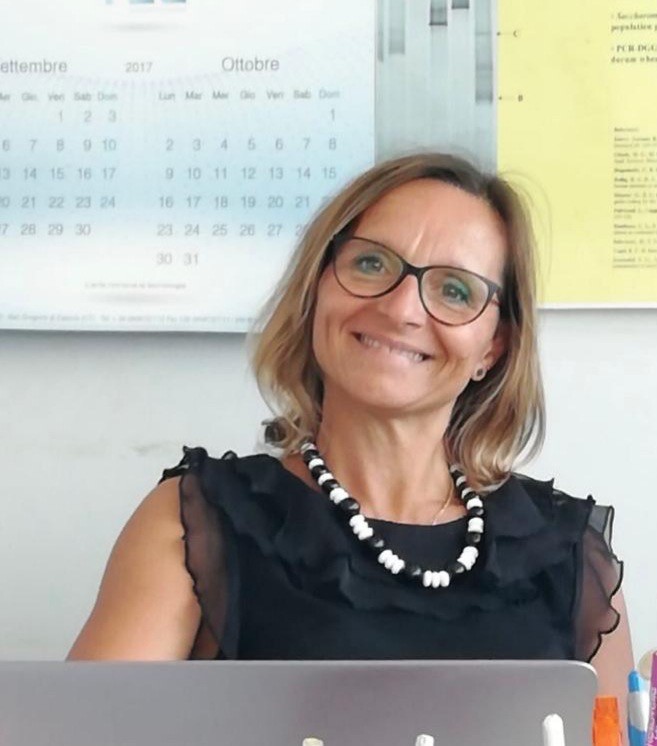
Nadja Larsen serves as an Academic Research Staff member at the University of Copenhagen's Faculty of Science within the Department of Food Science, specializing in Food Microbiology, Gut Health, and Fermentation research. Her institutional affiliation is centered at Rolighedsvej 26 in Frederiksberg C, Denmark, where she maintains an active research profile through the university's dedicated research section.
Her educational background includes an M.Sc. in Food Science and Technology completed between 1996 and 2002 at the Technical University of Lyngby, Denmark. This foundational training provided the basis for her subsequent specialization in food microbiology and fermentation science.
Dr. Larsen's research program focuses on the intricate relationships between dietary components, gut microbiota, and human health. Her work spans probiotic bacteria characterization, pathogenic bacteria interactions, and metagenomic/transcriptomic analyses of intestinal ecosystems. She investigates how fermented foods, prebiotics, and dairy matrices influence microbial communities and host responses, with particular attention to bacterial adhesion mechanisms and functional food development. Her experimental approaches integrate in vitro models with molecular characterization techniques to address fundamental questions in food-microbe-host interactions.
Analysis of her publication record reveals a consistent research trajectory emphasizing gut microbiota modulation through dietary interventions. Her recent work demonstrates growing interest in pectin-derived compounds, fermented botanicals, and cheese microbiology, with publications spanning high-impact journals in nutrition and microbiology. The research shows strong methodological continuity between in vitro fermentation models, microbial characterization, and clinical implications for metabolic health.
Her research program includes significant international collaboration, most notably the ongoing BioSyn project - a Brazilian-Danish Strategic Research Cooperation investigating bioactive components from food processing by-products for synbiotic applications. Previous projects have addressed critical areas including probiotic mechanisms in infant immunity, Listeria virulence in cheese matrices, and starter culture optimization for dairy fermentations. She maintains active involvement in both fundamental and applied research within food microbiology.
Dr. Larsen operates within the Food Microbiology, Gut Health, and Fermentation research section at the University of Copenhagen, where she contributes to the department's mission of advancing knowledge in food science through rigorous microbiological investigation. Her work bridges fundamental microbial ecology with practical applications in food safety, fermentation technology, and human health promotion.