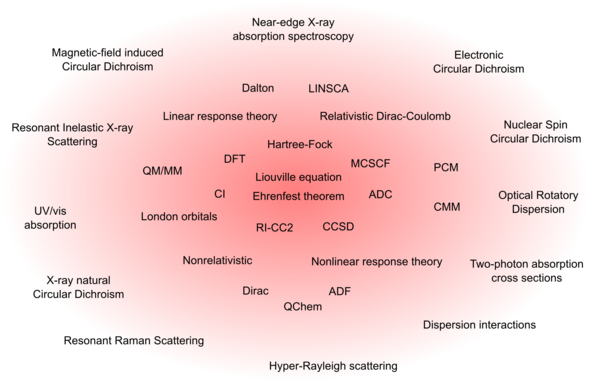
Patrick Norman is a Professor and Head of the Division of Theoretical Chemistry and Biology at KTH Royal Institute of Technology, Stockholm, Sweden. He also serves as Director of the PDC Center for High Performance Computing. His research focuses on advanced time-dependent molecular response theory methods, with applications in optical and X-ray spectroscopy. Coordinates VeloxChem and Gator HPC software projects Leads EU-EIC project OMICSENS (2023–2026) for lung cancer biosensors Principal Investigator in EU-ITN COSINE (2018–2021) and KAW network CoTXS (2014–2019) His theoretical work includes resonance convergent response theory via Liouville equations and Ehrenfest theorem, implemented in quantum chemistry software for linear/nonlinear spectroscopy. He co-authored the graduate textbook Principles and Practices of Molecular Properties (Wiley, 2018) and organizes international PhD schools on molecular response properties. Recent publications emphasize fragment state optimization, solvation effects, chiral luminescent materials, and amyloid ligand binding simulations. His work bridges quantum chemistry, HPC, and biomedical applications through tools like Gator and VeloxChem .
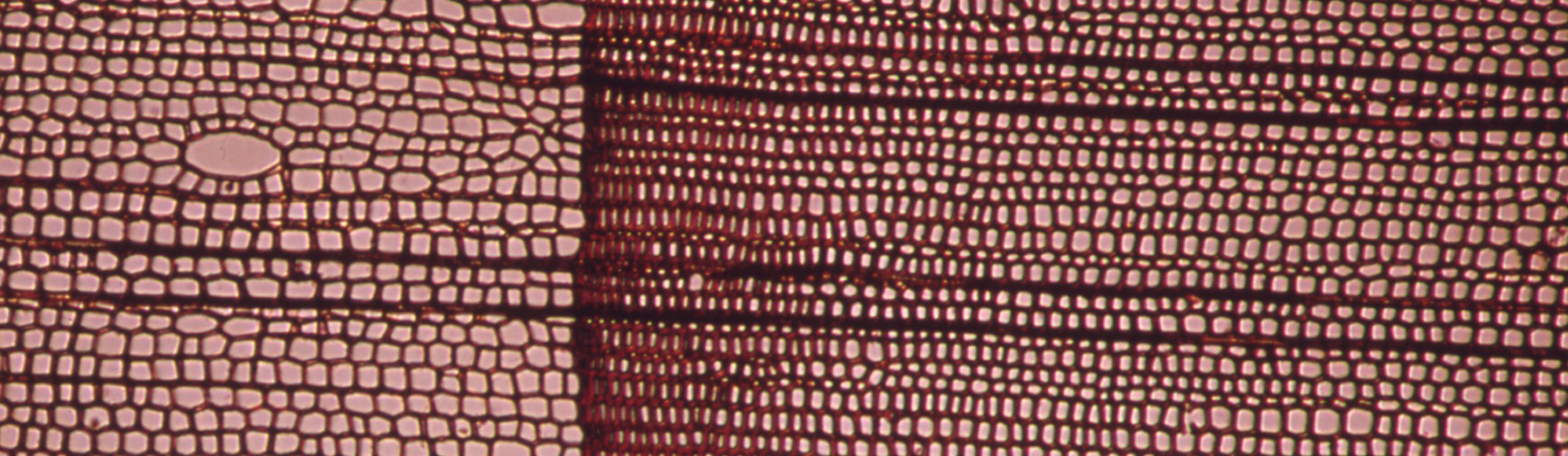
Fons J. Verbeek is a Professor of Computational Bio-imaging at Leiden University, affiliated with the Leiden Institute of Advanced Computer Science (LIACS) and the Institute of Biology Leiden (IBL). His interdisciplinary work bridges computer science and biology with expertise in applied physics. Verbeek's research focuses on bio-imaging with special emphasis on microscopy imaging. His work spans from feature extraction and segmentation to classification strategies in life sciences. Key research areas include: 3D Reconstruction & Modeling Ontologies application in image domain Gene expression databases Image analysis and pattern analysis in Bio-Imaging Vertebrate automated screening technology (VAST) His research group develops innovative approaches for image databases to overcome limitations of standard storage formats when processing large numbers of images. The work primarily focuses on microscopy modalities, particularly light microscopy. Verbeek teaches several courses including: Human Computer Interaction (1st semester) Information Systems in the Life Sciences (1st semester) Image Analysis in Microscopy / Microscopy, Modelling & Visualization (2nd semester) Student projects under his supervision cover image analysis, ontology mapping, 3D reconstruction, bio-image databases, and microarray analysis. Verbeek actively supervises current PhD candidates and has previously guided numerous doctoral students to completion, demonstrating his commitment to academic mentorship and research development in computational bio-imaging.
Dr. Lin Huang is a Senior Lecturer at Aberystwyth University's Institute of Biological, Environmental, and Rural Sciences (IBERS), where she applies her expertise in biomathematics and bioinformatics to plant breeding and energy crop research. With a background in mathematics and computer science from Swansea University, she has over a decade of experience in engineering computation, simulation, and high-performance computing. Institution: Aberystwyth University Department: Institute of Biological, Environmental, and Rural Sciences Position: Senior Lecturer Research Focus: Biomathematics, Bioinformatics, and Genetic Resources Dr. Huang's research centers on the application of computational approaches for crop performance modeling, particularly focused on Miscanthus genetic resources. Her work spans biomathematics, bioinformatics for plant breeding, and implementation of international agreements like the UN Convention on Biological Diversity and Nagoya Protocol. She has been instrumental in developing computational models for understanding the relationships between Miscanthus genotype, environment, and phenotype. Her research integrates mathematical modeling with plant science to address challenges in sustainable biomass production. Analysis of her publication record shows a strong focus on energy crops, particularly Miscanthus, with research spanning genetic diversity, breeding strategies, biomass production, and sustainable deployment. Her work demonstrates interdisciplinary collaboration across bioinformatics, plant genetics, and sustainable energy production, with an emphasis on practical applications for bioenergy and biorefinery systems. Dr. Huang has secured significant research funding, primarily from the Biotechnology and Biological Sciences Research Council (BBSRC) and Defra, supporting projects related to energy grasses and bio-refinery systems. She has supervised multiple PhD students through industrial CASE awards and has organized international conferences bringing together researchers from the UK, USA, Europe, and Asia. Her work extends to field applications through projects focused on optimizing diversity and resilience of grasses for urban environments and characterizing germplasm collections. She collaborates extensively with research communities and industry partners both in the UK and globally, contributing to the development of sustainable bioenergy solutions.
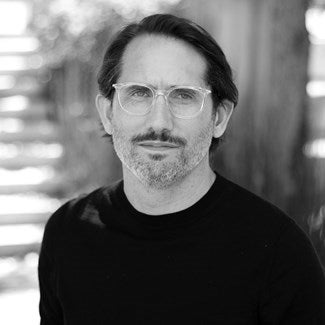
Bradley Cantrell is a landscape architect and scholar recognized for pioneering the integration of computation, responsive technologies, and ecological infrastructures in landscape design. As a Professor and Chair of the Department of Landscape Architecture at the University of Virginia , he has transformed disciplinary boundaries through research and practice. Education BSLA, University of Kentucky MLA, Harvard Graduate School of Design Research Interests focus on computational methodologies for responsive landscapes, ecological resilience, and adaptive systems. His work addresses Southern Louisiana’s environmental challenges through modeling, simulation, and embedded computation, bridging physical, cultural, and economic systems. Contributions include seminal texts like Digital Drawing for Landscape Architecture and Responsive Landscapes , which have redefined educational practices. His lectures globally (e.g., Vienna, Beijing, Barcelona) emphasize procedural design and technological innovation. Publications and projects highlight his exploration of artificial intelligence, agent-based modeling, and technodiversity to create landscapes that sense, adapt, and respond to ecological processes. Articles span topics from autonomous systems in the Anthropocene to algorithmic sediment choreography. Contact : bcantrell@virginia.edu
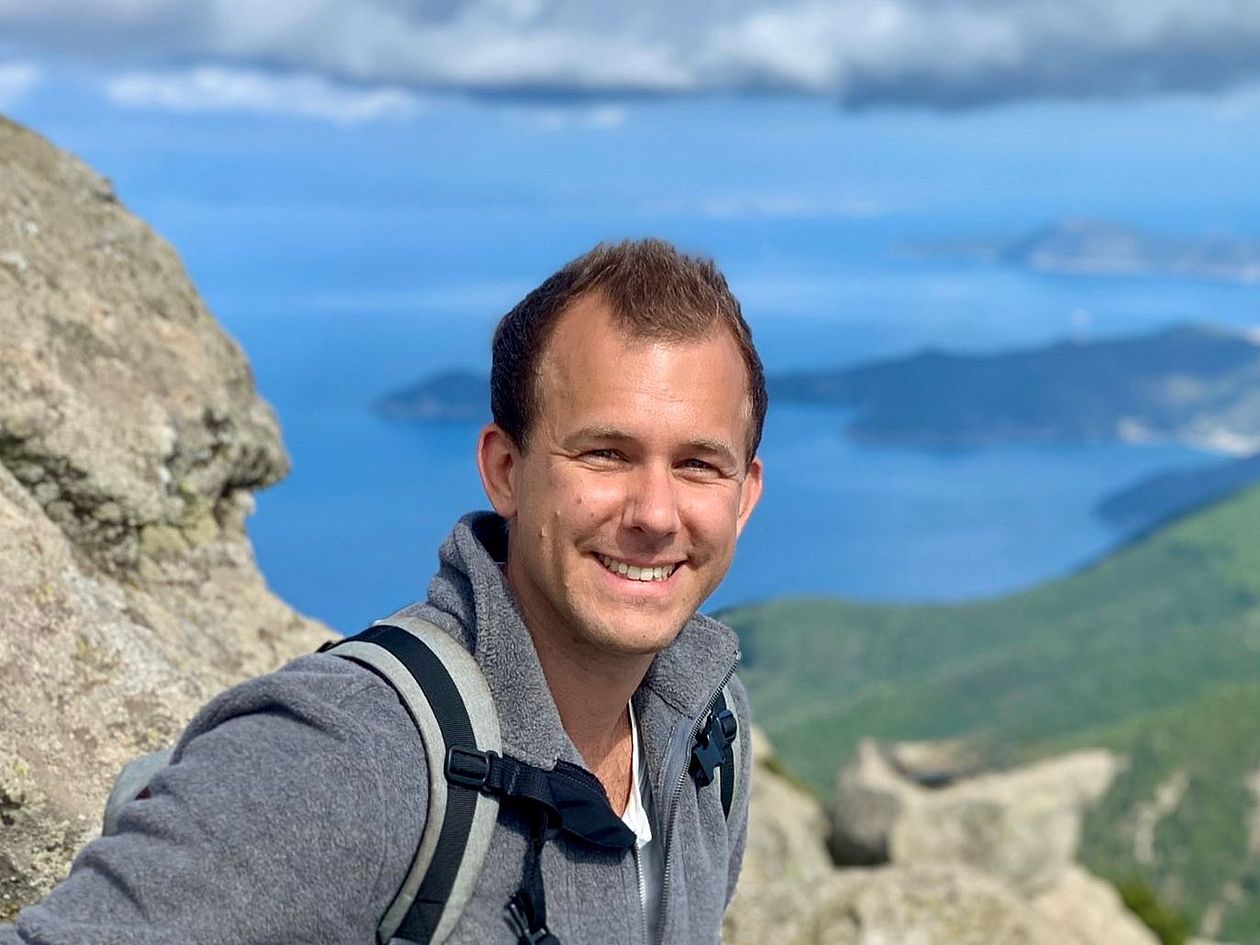
Markus Maisch is a Researcher at the Department of Geosciences within the Faculty of Mathematics and Natural Sciences at the University of Tübingen. His work combines experimental environmental geochemistry with technical infrastructure development for environmental monitoring and isotope analyses, focusing on natural processes in water and carbon cycles. After studying geoecology at the University of Tübingen, he specialized in geomicrobiology, investigating biogeochemical cycles in sediments, soils, and rhizosphere environments. His research encompasses microbial iron oxidation, phototrophic Fe(II) oxidation, and analysis of iron/nitrogen processes in rice paddies and marine systems. As laboratory head in the Climatology and Biosphere research group, he develops long-term climate impact monitoring concepts, explores nature-based CO 2 removal strategies like enhanced weathering, and studies soil carbon sequestration. He contributes to interdisciplinary teaching through projects like #ZukunftslaborErde , connecting science with societal challenges. His 15 most recent publications (2025-2020) demonstrate consistent focus on iron cycling mechanisms across diverse environments (lakes, permafrost, marine systems, soils), combining microbial ecology with geochemical process analysis. Key methodologies include Mössbauer spectroscopy, stable isotopes, and flow-through experiments. Markus Maisch leads the Climatology and Biosphere working group at the University of Tübingen, collaborating with researchers like Kira Rehfeld, Armelle Ballian, and Jean-Philippe Baudouin. His team employs experimental systems like Redoxtrons to simulate redox processes in capillary fringes.
Ronald Kluger is a Professor of Organic and Biological Chemistry at the University of Toronto's Department of Chemistry. His research focuses on protein modification, particularly hemoglobin, to develop acellular oxygen carriers for medical applications. Kluger's work includes site-specific cross-linking of hemoglobin using 'click chemistry' and investigating mechanisms of carbon dioxide release in decarboxylation reactions. His group also explores thiamin-derived intermediates and lanthanide-catalyzed reactions in water. Affiliations: University of Toronto, Department of Chemistry; Collaborations with Toronto General Hospital's surgery department. Labs: Laboratories in Davenport Building 450/451. Research Interests: Hemoglobin modification for oxygen therapeutics, decarboxylation mechanisms, protein-protein coupling, and biomimetic synthesis. Key projects include creating non-vasoactive oxygen carriers from cross-linked hemoglobin and studying carbonic acid intermediates in decarboxylation. Grants & Awards: Not explicitly listed, but sustained research output indicates sustained funding. Collaborations include industry partnerships (e.g., lung transplant research).
Dr. Thomas Strunskus is a Senior Research Scientist at the Chair for Multicomponent Materials, part of the Faculty of Materials Science and Engineering at Kiel University. His work focuses on plasma-based synthesis of nanomaterials, surface functionalization, and advanced material characterization. He holds a Ph.D. in Physical Chemistry from Heidelberg University (1993) and conducted postdoctoral research at the University of Maine in Orono, where he earned a Master’s in Physics. Research interests include metal/polymer interfaces, nanocomposites, and functional coatings. Key contributions include the development of strain-invariant all-organic conductors (collaboration with Prof. Adelung), plasma-enabled carbon nanomaterials, and sensor technologies. He specializes in synchrotron-based X-ray techniques (XPS, NEXAFS) and has contributed to iCVD polymer thin film applications in bio-interfaces. Recent publications emphasize low-temperature plasma synthesis, neuromorphic nanoparticle networks, and energy storage systems. Dr. Strunskus serves on the editorial board of Materials and has authored over 200 peer-reviewed articles. His work bridges fundamental materials science with applications in energy, sensors, and biomedical engineering. Advising: Supervises PhD students in the Chair’s research group. No specific grants mentioned; focus on lab-based projects. Labs/Teams: Core member of the Chair for Multicomponent Materials, collaborating with functional nanotechnology groups on interdisciplinary projects.
Dr. Ria Vaportzis is an Associate Professor at the University of Bradford , affiliated with the School of Social Sciences under the Faculty of Mgmt, Law & Social Sciences. She holds a PhD in Psychology from Monash University and has conducted research across institutions including Heriot-Watt University. PhD in Psychology (Monash University) Research in cognitive aging, Huntington's disease, and technology interventions Her research focuses on interventions to improve cognition and wellbeing in older adults , with recent projects examining electronic health records, physical activity programs, and lifestyle factors. She leads the Back Onside project funded by UKRI HEIF and collaborates on NIHR-funded studies. Recent publications span 2025-2019 , addressing topics such as: Dual-task performance in neurological disorders Technology's impact on senior health Physical activity interventions for vulnerable populations Electronic health record ethics Dr. Vaportzis supervises PhD students Rosemary Awele Ebigwei Omeda (2024) and Ammarah Ikram (2023), both exploring mental health factors in diverse populations.
Dr. Janika Reineccius is a Researcher at the Leibniz Institute for Baltic Sea Research (IOW), affiliated with the Department of Marine Chemistry and the Bio-physical Interactions group. Her work focuses on microplastic detection, environmental fate, and interactions with marine pollutants. She holds a Ph.D. (Dr.rer.nat.) from the University of Rostock (2023) and has been a Research Assistant at IOW since 2018. Her expertise includes method development for microplastic analysis and long-term studies of marine pollution dynamics. Education: Ph.D. in Chemistry, University of Rostock (2023), conducted at IOW M.Sc. in Chemistry, University of Rostock (2018), conducted at IOW B.Sc. in Chemistry with Materials Science, HS Bonn-Rhein-Sieg (2016) Research Interests: Microplastic distribution and weathering in marine systems, chlorinated hydrocarbon pollution, method standardization for microplastic detection, and interactions between microplastics and other pollutants. She emphasizes interdisciplinary approaches combining analytical chemistry, environmental monitoring, and oceanographic studies. Labs/Teams: Core member of the Bio-physical Interactions group within the Marine Chemistry Department, collaborating on projects such as the SO305/2 research cruise in the Indian Ocean (2024).
Nadir Kaplan is an Assistant Professor in the Department of Physics at Virginia Polytechnic Institute and State University (Virginia Tech), affiliated with the College of Science. His research focuses on theoretical condensed matter physics, with emphasis on biophysical systems, soft matter, and computational modeling. He holds a Ph.D. from Brandeis University. Key research interests include cell migration dynamics under confinement, hydrogel mechanics, viscoelastic material behavior, and multiscale modeling of biological systems. His work integrates principles from physics, chemistry, and biology to explore phenomena such as chemically responsive materials and mechanosensitive cellular processes. Recent studies highlight advancements in understanding osmotic swelling of hydrogels, viscoelastic shape-shifting systems, and the interplay between geometry and cell migration. His publications often bridge theoretical frameworks with experimental observations, emphasizing predictive modeling in soft matter and biophysics. Dr. Kaplan’s research also addresses challenges in materials science, such as programmable matter and self-actuating systems, while maintaining a strong foundation in computational mechanics and machine learning applications in physics-informed models.
Mohammadali Foroozandeh is a Royal Society University Research Fellow at the Department of Chemistry, University of Oxford. His research focuses on designing novel methodologies for magnetic resonance spectroscopy, particularly in quantum control, signal processing, and quantum bio-sensing using diamond nitrogen-vacancy defects. He holds a MSc in Physical Chemistry from Tehran, Iran, and a PhD from the University of Geneva, followed by postdoctoral work at the University of Manchester with Professors Gareth Morris and Mathias Nilsson. His work bridges chemistry, physics, mathematics, and computer science, emphasizing trans-disciplinary collaboration. Education includes: MSc in Physical Chemistry, Tehran, Iran (top 0.5% entrance exam) PhD in Chemistry, University of Geneva, Switzerland (2009-2013) Postdoctoral Researcher, University of Manchester (2013-2018) Research interests include optimal control of quantum spin systems, ultrafast NMR/ESR methodologies, and the development of ultrasensitive magnetometers for biomedical applications. His Royal Society Fellowship (2018) supports independent research in these areas. He advocates for early-career researcher support and trans-disciplinary science. Scientific Awards: Royal Society University Research Fellowship (2018-present) Advising and Grants: Currently focused on independent research funding through the Royal Society Fellowship. No formal advisees listed, but collaborates widely in quantum sensing and spectroscopy. Labs/Teams: Active in Oxford’s Chemistry Department’s magnetic resonance group, specializing in quantum bio-sensing and spectroscopic innovation.
Carl T. Lira is an Associate Professor in the Department of Chemical Engineering and Materials Science at Michigan State University (MSU), within the College of Engineering. He specializes in thermodynamics of complex systems, molecular simulations, and bio-derived fuels research. His work focuses on experimental measurements and modeling of phase equilibria, adsorption behavior, and separation design for renewable chemicals. He co-authored the textbook Introductory Chemical Engineering Thermodynamics and collaborates with the MSU Reactive Distillation Facility. Education: PhD (1986), MS (1984), and BS (1981) in Chemical Engineering from the University of Illinois, Urbana-Champaign and Kansas State University. Research Interests: Thermodynamic properties of bio-derived fuels, liquid metals, supercritical fluids, and adsorptive separations. His methods include infrared spectroscopy, association theory modeling (e.g., Wertheim’s theory), and molecular simulations. Awards: Multiple Withrow Teaching Excellence Awards (2022, 2004, 1992), Outstanding Professor of the Year (1999, 1998, 1991), and the Amoco Excellence in Teaching Award. Grants & Collaborations: NSF-funded research on association models for bio-based separations (2016–2021), and US Army-funded jet fuel development (2020). His work bridges thermodynamic fundamentals with industrial applications in the bioeconomy. Labs & Facilities: Leads the Thermodynamic Properties Facility at MSU and collaborates on reactive distillation processes for biofuel synthesis.
Björn Baumeier is an Associate Professor at Eindhoven University of Technology (TU/e), Department of Mathematics and Computer Science. His research focuses on multiscale simulation techniques for electronic transport in soft matter, combining computational chemistry, statistical physics, and mathematics. He is affiliated with the Centre for Analysis, Scientific Computing and Applications (CASA) and the Institute for Complex Molecular Systems (ICMS). He received a Vidi grant (€800,000) from NWO in 2017 for studying electronic transport in molecular systems. His research interests include: multiscale modeling of charge transport, quantum-classical coupling in molecular systems, and excitonic processes in organic semiconductors. Key topics are electronic structure-morphology interplay, biomolecular assemblies, and super-coarse-grained materials modeling. Recent work emphasizes interface effects in dielectrics, charge trapping mechanisms, and embedded many-body Green’s function methods. He has developed the VOTCA framework for multiscale simulations. His educational contributions include courses on molecular modeling, numerical linear algebra, and advanced ODE simulation methods. Honors include the NWO Vidi Award for pioneering work on supramolecular nanostructures. Supervised 28 research works and led projects funded by NWO and EU initiatives. Active in collaborative research across Europe and the U.S., with interdisciplinary focus on sustainable energy materials aligning with UN SDGs.
Kay A. Buist is an Assistant Professor at Eindhoven University of Technology (TU/e), affiliated with the Department of Chemical Engineering and Chemistry. He leads research in the Multi-scale Modelling of Multi-phase Flows group, focusing on advanced reactor models for multiphase systems, hydrodynamics, and non-invasive monitoring. His work addresses challenges in reactor design, scale-up, and the interplay between flow phenomena and chemical reactions. Academic Background: MSc from University of Twente (2012), PhD in 2016 under Prof. Hans Kuipers and Prof. Niels Deen at TU/e. Projects: Growing with Green Steel (Dutch Growth Fund), sustainable BTX production (EU-Just Transition Fund). Research spans fluidized beds, CFD-DEM simulations, droplet dynamics, and sustainable chemical production. He contributes to 57 supervised works and teaches courses like Physical Transport Phenomena. Active in conferences, presenting on non-Newtonian droplet collisions and bio-oil atomization. Labs/Teams: Kuipers Research Group, EIRES Research. Collaborates internationally on multiphase flow dynamics and reactor optimization.
Roles: Full Professor at the Department of Water Resources, Faculty of Geo-Information and Earth Observation (ITC), University of Twente. Senior Scientist at NIOZ Royal Netherlands Institute for Sea Research (Yerseke). Education: PhD in Physical Geography from the University of Amsterdam (1999). Postdoctoral research at Royal Holloway, University of London (1999–2002). Research Interests: Earth observation of coastal, estuarine, and delta systems; physical processes in coastal zones; climate change impacts; nature-based solutions for flood risk reduction. Key methods include satellite remote sensing, statistical modeling, and big data analysis. Focus areas: sediment dynamics, bio-geomorphology, and mangrove ecosystems. Projects: EU Horizon Europe project REWRITE (DOI: 10.3030/101081357), focusing on restoring wetlands for climate resilience. Active in long-term earth observation studies of suspended particulate matter and intertidal systems. Advising & Grants: Supervised 6 academic works. Collaborates on grants related to coastal dynamics and remote sensing applications. Leads interdisciplinary teams integrating remote sensing with ecological and hydrological models. Labs/Teams: Leads research groups at ITC and NIOZ, focusing on coastal systems and estuarine processes. Collaborates with international partners on UN Sustainable Development Goals related to climate action and life below water.