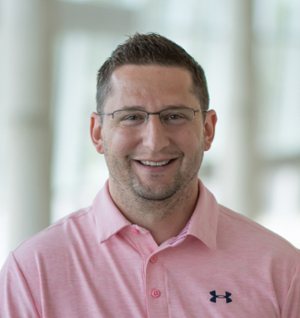
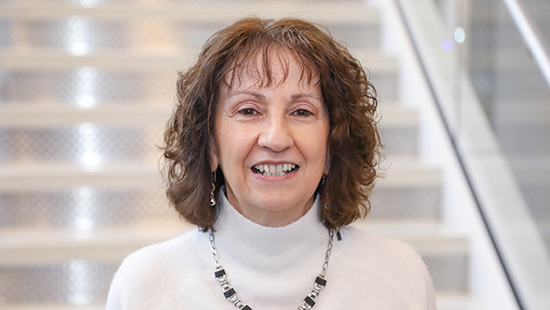
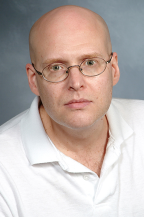
Adam J. Case, PhD, is an Associate Professor in the Department of Psychiatry and Behavioral Sciences and affiliated with the Department of Medical Physiology at Texas A&M University School of Medicine. His research focuses on the bidirectional interactions between the brain and immune system, particularly how psychological trauma like PTSD influences autoimmune disorders and cardiovascular diseases, and vice versa. He holds a BS in Biochemistry (2004) and a PhD in Free Radical and Radiation Biology (2011) from the University of Iowa, followed by a postdoctoral fellowship at the University of Nebraska Medical Center (2012-2015). Dr. Case’s work integrates redox biology, immunology, and physiology to explore trauma-induced inflammation and its systemic consequences. He has received the 2020 Distinguished Graduate Student Mentor Award from the University of Nebraska Medical Center. His teaching interests include Redox Biology, Immunology, and Scientific Communication. His research highlights include investigations into IL-6’s role in trauma-cardiovascular links, beta-adrenergic signaling as an autoimmune therapeutic target, and hemoglobin’s redox-sensitive regulation of T-lymphocytes. He actively contributes to societies such as the Society for Biological Psychiatry and the American Physiological Society. Dr. Case’s lab explores neuroimmune mechanisms underlying PTSD and seeks translational therapies. His recent articles emphasize mitochondrial ROS regulation, T-lymphocyte neurotransmission dynamics, and trauma-induced inflammatory pathways.
Dr. Maria Rohm serves as Head of the Research Division 'Tissue Crosstalk' at the Institute for Diabetes and Cancer, Helmholtz Munich, leading investigations into metabolic disease interconnections since 2020. Previously a Junior Group Leader (2017-2020), her career includes postdoctoral research at the University of Oxford (2014-2017) under a Novo Nordisk Fellowship and the German Cancer Research Center (2012-2014). Her educational foundation comprises Biology studies at Heidelberg University and the University of Manchester, culminating in a Dr. rer. nat. from Heidelberg in 2012 where she examined adipose tissue lipolysis in obesity. Rohm's research centers on tissue crosstalk mechanisms in diabetes, metabolic syndrome, and cancer cachexia, emphasizing lipid/glucose metabolism and adipose tissue function. She pioneers the conceptual framework that obesity/diabetes and cachexia represent opposing metabolic extremes requiring integrated study, with particular focus on ceramide signaling, mitochondrial dysfunction, and energy homeostasis disruptions in disease pathogenesis. Her multi-omics approach reveals critical overlaps in disease pathways that could transform therapeutic development. Publication analysis shows consistent focus on metabolic reprogramming across cancer cachexia and diabetes, with emerging emphasis on lipid mediators as biomarkers and therapeutic targets. Key trends include translational exploration of AMPK-stabilizing peptides and ceramide modifications for treating tissue wasting. Her scientific recognition includes: Vincenz-Czerny Price for Oncology (2021) ERC Starting Grant (2020) Lipidology Prize (2019) Research Award by German Diabetes Society (2013) Rohm directs significant grant-funded research, notably the ERC Starting Grant investigating metabolic crosstalk in cachexia. As Board of Directors and Educational Committee member of the Cancer Cachexia Society, she drives global research initiatives for this fatal condition affecting most cancer patients. Her advocacy highlights the urgent need for mechanistic understanding to develop effective treatments. She leads the 'Tissue Crosstalk in Cancer Metabolism' research group at Helmholtz Munich, employing multi-omics and mouse models to dissect metabolic communication between organs. Her team collaborates extensively within European research networks, with emphasis on translating basic discoveries into clinical applications for metabolic diseases and cancer-associated wasting syndromes.
Anniek Frederike Lubberding serves as a Tenure Track Assistant Professor and Postdoc at the Department of Biomedical Sciences , University of Copenhagen. Her research focuses on immuno-endocrinology , particularly diabetes-related cardiovascular complications, ion channel mechanisms, and circadian rhythm interactions with metabolic pathways. Keywords: Diabetes, Cardiovascular Research, Ion Channels, Inflammation, Metabolism, Circadian Rhythms Recent studies explore GLP-1 receptor agonists in cardiometabolic therapy, salivary biomarkers for type-2 diabetes, and cross-disciplinary links between cardiac ion channels (Kv7.1/Kv11.1) and pancreatic beta cell dysfunction. She has published 19 research outputs since 2022. Key Collaborations: Acta Physiologica, Diabetes, Obesity and Metabolism, Cardiovascular Research Contact: alubberding@sund.ku.dk | Phone: +4535328260
Sonia Caprio, MD is a Professor of Pediatrics (Endocrinology) at Yale School of Medicine. She serves in multiple roles including as a member of the Pediatric Endocrinology & Diabetes department, Diabetes Program, Diabetes Research Center, Liver Center, Obesity Research Working Group, Pediatric Weight Solutions Program, Yale Medicine, Yale Stress Center, and Yale Ventures. Dr. Caprio is a leading researcher in childhood obesity and type 2 diabetes with over 25 years of experience in patient-oriented research. Dr. Caprio received her medical degree from Universita di Medicina e Chirurgia in 1978. She completed residencies at Ospedale Cardarelli (1980), Universita' di Medicina e Chirurgia (1980), and Temple University Hospital (1983), followed by a fellowship at Yale University School of Medicine (1989). Dr. Caprio's research focuses on understanding the pathophysiology of childhood obesity and type 2 diabetes, with particular emphasis on insulin resistance and beta-cell dysfunction. Her work has demonstrated a faster progression of beta-cell failure in obese adolescents, which helped stimulate funding for major clinical trials like TODAY and RISE. She has assembled two large multiethnic cohorts: the Pathogenesis of Youth Onset Diabetes (PYOD) study and the Yale Pediatric NAFLD/NASH Cohort to investigate the roles of insulin resistance, beta-cell dysfunction and NAFLD in the earliest stage of T2D. Her research spans clinical and basic science in metabolism, genetics, and imaging. Analysis of Dr. Caprio's most recent publications reveals a continued focus on metabolic disorders in youth, with particular attention to insulin resistance mechanisms, genetic factors in obesity, and treatment approaches for conditions like familial hypercholesterolemia. Her work spans basic science, clinical research, and translational applications, often examining how metabolic processes differ between youth and adults, and how these differences impact disease progression and treatment response. K24 Investigator Award in Patient Oriented Research (2001-2011) Bayer Scholar Award in Diabetes Research (2003) Distinguished Clinical Scientist Award, American Diabetes Association (2008-2012) Distinguished Leader in Insulin Resistance Award, International Committee for Insulin Resistance (2015) The Samuel J. Fomon Nutrition Award from the American Academy of Pediatrics (2017) Dr. Caprio has served as Principal Investigator for multiple clinical trials including "Semaglutide Effects in Obese Youth With Prediabetes/New Onset Type 2 Diabetes and Non-Alcoholic Fatty Liver Disease," "The Role of Hepatic De Novo Lipogenesis (DNL) in the Pathogenesis of Hepatic Steatosis," and "Children's Health Study to investigate adipocyte cell and lipid turnover in obese adolescents." She has also been a Sub Investigator for studies like "Preventing Obesity in Preterm Infants." Her research has been funded by NIH-NICD and other national and international organizations. Dr. Caprio emphasizes family-centered approaches to treating childhood obesity and diabetes, incorporating cutting-edge genetic testing to understand individual patient metabolism. Dr. Caprio leads research teams focused on pediatric endocrinology and metabolism, with particular expertise in obesity, type 2 diabetes, and NAFLD in children and adolescents. Her work involves collaborations with researchers across multiple disciplines including genetics, imaging, and basic science to understand the complex mechanisms underlying metabolic disorders in youth. She is recognized for demonstrating the faster tempo of progression of beta-cell failure in obese adolescents, which has significantly influenced the field's understanding of youth-onset type 2 diabetes.
Dr. W. Matthew Petroll is a Professor in the Department of Ophthalmology and the Graduate Program in Biomedical Engineering at UT Southwestern Medical Center. He serves as Vice Chair of Research in Ophthalmology and previously directed the Biomedical Engineering Graduate Program from 2012 to 2025. His interdisciplinary work bridges engineering and clinical ophthalmology, focusing on corneal cell mechanics and tissue engineering. Dr. Petroll earned his BS in Biomedical Engineering from Duke University (1984) and PhD from the University of Virginia (1989). He joined UT Southwestern in 1991 after postdoctoral training at Georgetown University. His research centers on cell mechanics , corneal wound healing , and extracellular matrix dynamics , using in vivo confocal microscopy and 3D time-lapse imaging to study fibroblast behavior. His lab investigates how biochemical and biophysical cues regulate keratocyte differentiation, migration, and matrix remodeling in response to injury, surgery, and disease. His recent publications (2023–2025) highlight work on UV cross-linking effects , corneal fibrosis , gene expression in Fuchs’ dystrophy , and biomimetic collagen scaffolds . These studies demonstrate a consistent focus on mechanobiology and regenerative strategies for corneal transparency. Dr. Petroll has trained numerous graduate students, medical students, and postdocs through his active research lab. He has held leadership roles in academic programs and research administration, reflecting his institutional impact. His lab, the Petroll Lab , is embedded within the Department of Ophthalmology and collaborates extensively on corneal imaging, biomechanics, and translational research. The lab develops innovative models for assessing 3D cell-matrix interactions in vitro and in vivo.
Adriana B Ferreira, MD, PhD is an Associate Professor in the Department of Cell and Developmental Biology at the Feinberg School of Medicine, Northwestern University. She leads the Adriana Ferreira Lab which focuses on understanding the mechanisms underlying neurite degeneration and synapse loss in neurodegenerative diseases, with particular emphasis on Alzheimer's disease. Dr. Ferreira is also affiliated with the Mesulam Center for Cognitive Neurology and Alzheimer's Disease and the Northwestern University Institute of Neuroscience (NUIN). Dr. Ferreira received her medical degree (MD) from the National University of Cordoba, Argentina in 1981, followed by a PhD in Neuroscience from the same institution in 1985. Her extensive postdoctoral training includes: Neuroscience at the School of Medicine, National University of Cordoba (1985) Neuroscience at the Insitituo de Investigacion Medica (1988) Biology at the University of Virginia (1991) Cell Biology at the Marine Biological Laboratory (1992) Neuroscience at Brigham and Women's Hospital Harvard Medical School (1993) Dr. Ferreira's research primarily investigates the relationship between beta-amyloid deposition and the progressive formation of dystrophic neurites and cell death in hippocampal neurons. Her current work assesses the role of tau in neuronal degeneration mechanisms, using culture and animal models of Alzheimer's disease along with various cell and molecular biology techniques. Her work has significant implications for understanding and potentially treating neurodegenerative disorders characterized by neurite degeneration and synapse loss. Analysis of Dr. Ferreira's recent publications reveals a consistent focus on tau protein fragmentation and its role in neurodegeneration. Her research has evolved from studying basic mechanisms of neurite outgrowth and cytoskeletal organization to investigating specific tau fragments (particularly tau45-230) and their contribution to Alzheimer's disease pathology. More recently, her work has expanded to examine RNA-mediated mechanisms of neurotoxicity, including Death Induced by Survival gene Elimination (DISE) pathways in Alzheimer's disease and aging. Dr. Ferreira has received numerous awards and honors throughout her career: Young Investigator Award, National Alliance for Research in Schizophrenia and Depression (2001) Young Investigator Award, National Alliance for Research in Schizophrenia and Depression (1999) Young Women Investigator, Signa Kappa Foundation (1998) International Fellowship, CONICET (1988) National Fellowship, CONICET (1983) Special Mention (Top of the Class), National University of Cordoba. School of Medicine (1982) Dr. Ferreira serves as a Review Editor for Frontiers in Neuroscience and has been an active member of the Argentinian Research Council (Biology and Medicine Areas) since 1996. She has also contributed to scientific review processes as a reviewer for the Ministry of Health and Consumer's Affairs in Spain (2006-2007). Her long-standing membership in professional societies, including the Society for Neuroscience since 1989, demonstrates her commitment to advancing the field. The Ferreira Lab operates within the Department of Cell and Developmental Biology at Northwestern's Feinberg School of Medicine, with strong connections to the Mesulam Center for Cognitive Neurology and Alzheimer's Disease. The lab employs a range of cellular and molecular approaches to investigate neurodegenerative mechanisms, with particular expertise in neuronal cell culture models and analysis of cytoskeletal changes in neurodegeneration.
Dr. Daniel Erskine is a researcher affiliated with Newcastle University , focusing on neurodegenerative diseases and mitochondrial dysfunction. His work spans Parkinson's disease, dementia with Lewy bodies, and rare monogenic disorders, with a particular emphasis on alpha-synuclein pathology. Publications since 2015 address Lewy body formation, mitochondrial quality control, and neuroinflammatory mechanisms. Collaborates with professors in neurology and mitochondrial medicine, contributing to both clinical and experimental studies. Recent work explores genomic DNA damage, autophagy-NAD axis targeting, and cerebellar degeneration in mitochondrial diseases. Develops diagnostic tools like alpha-synuclein seed amplification assays and investigates neurochemical changes in disease states.
Marinko Sarunic is an Adjunct Professor at the School of Engineering Science , Simon Fraser University . He holds a PhD in Biomedical Engineering from Duke University and has been recognized as a Michael Smith Foundation for Health Research Scholar . His research focuses on biomedical imaging , particularly optical coherence tomography (OCT) , microscopy , and low-coherence interferometry , with applications in diabetic retinopathy , Alzheimer’s disease , and age-related macular degeneration . Dr. Sarunic's work spans adaptive optics , deep learning , and sensorless OCT systems , emphasizing clinical translation and open-source software development (e.g., OCTAVA ). His Google Scholar publications highlight multimodal imaging , vascular heterogeneity analysis , and AI-driven diagnostics for retinal diseases. His contributions include the Michael Smith Foundation for Health Research Scholar award. Though not currently teaching courses, his collaborations and leadership in retinal imaging and medical device innovation are pivotal for advancing non-invasive diagnostics in neurodegenerative and diabetic conditions .
Yao Wei Lu is an Assistant Professor of Medicine at the University of Southern California, affiliated with the Hastings Center for Pulmonary Research and leading the Lu Lab. Their research focuses on cardiovascular development, regeneration, and diseases, particularly investigating mechanisms underlying cardiac fibrosis, diabetic complications, and the role of non-coding RNAs in cardiovascular pathologies. Key areas include endothelial dysfunction, metabolic disorders, and molecular signaling pathways in heart disease. Research interests emphasize translational studies targeting therapies for cardiac hypertrophy, atherosclerosis, and heart failure. Dr. Lu's work integrates molecular biology, cell biology, and systems biology approaches to understand disease mechanisms and develop novel treatments. Notable achievements include the receipt of the American Heart Association (AHA) Second Century Early Faculty Independence Award in 2023. The lab's studies often involve collaborative projects on nanotherapies, epigenetic regulation, and cellular senescence. Current projects explore therapeutic inhibition of non-coding RNAs and mitochondrial dysfunction's role in cardiomyocyte regeneration.
Mikko Hiltunen is a Professor of Tissue and Cell Biology at the Institute of Biomedicine, School of Medicine, University of Eastern Finland. His research focuses on molecular mechanisms of neurodegenerative disorders, particularly Alzheimer's disease and idiopathic normal pressure hydrocephalus (iNPH). He leads several research groups including the Molecular Genetics of Alzheimer's Disease (Hiltunen Lab) and participates in the Brain Research Unit and Genome Center of Eastern Finland. Research interests span Alzheimer's pathogenesis, neuroinflammation, genetic risk factors, biomarker discovery, and therapeutic development. His work integrates molecular biology, genetics, and clinical neuroscience to investigate microglial function, amyloid pathology, and cerebrospinal fluid biomarkers. Key areas include APOE genetics, PLCγ2-mediated neuroprotection, and machine learning applications in neurodegeneration. His recent publications demonstrate a strong focus on cerebrospinal fluid biomarkers, genetic association studies, neuroinflammation mechanisms, and therapeutic interventions. Article themes consistently emphasize microglial biology, genetic risk modifiers, and translational approaches for Alzheimer's and iNPH. Collaborative projects include Neuro-Innovation (2021-2026) and NOVEL MSCA Postdoctoral Programme (2024-2029). Hiltunen leads the Clinical Alzheimer Research group and co-directs the UEF Brain Research Unit. His team utilizes advanced models including iPSC-derived microglia and pericyte systems to study neurovascular interactions. Current work explores phospho-tau immunotherapy, lysosomal dysfunction, and polygenic risk score applications across diverse populations.
Michele Boniotto is a researcher at the University of Verona's Department of Molecular and Translational Medicine, focusing on immunology, genetics, and dermatology. His work spans molecular mechanisms in skin diseases and evolutionary aspects of host defense peptides. Research Focus Dr. Boniotto's research examines: Genetic factors in hidradenitis suppurativa Beta-defensin evolution and function Aquaporin-3 role in skin homeostasis Photobiomodulation therapies HLA-DR expression in septic shock His publications show interdisciplinary approaches combining molecular biology, clinical dermatology, and bioinformatics to understand complex disease mechanisms. Scientific Contributions 2025: Keratin filament-melanin interactions 2025: Polygenic risk scoring for HS 2024: Aquaporin-3 dysregulation in HS 2023: NCSTN mutations in familial HS 2022: Holistic HS health records 2020: Photobiomodulation for HS
Professor Stefano Romeo leads the Human Translational Genetics group at Karolinska Institutet's Department of Medicine, Huddinge, where his research bridges genetics, metabolism, and clinical medicine to address metabolic diseases. His work focuses on uncovering genetic and molecular mechanisms underlying liver diseases, diabetes, and cardiovascular conditions through innovative translational approaches. Professor Romeo's research has significantly advanced our understanding of metabolic dysfunction-associated steatotic liver disease (MASLD), identifying key genetic variants including PNPLA3 and MBOAT7 genes. He pioneered the development of multilineage 3D in vitro models for fatty liver disease and discovered a protective genetic variant in the PSD3 gene. His landmark achievement is the identification of two distinct MASLD types with different cardiometabolic risk profiles using compartmentalized polygenic risk scores, which has major implications for targeted treatment approaches. In cardiovascular research, Professor Romeo has developed machine learning algorithms for diagnosing familial hypercholesterolemia and elucidated the role of lipoprotein(a) as an independent cardiovascular risk factor. His integrated approach combines genomics, bioinformatics, molecular biology, and clinical investigations to translate discoveries into practical applications. Research Focus Areas: Genetic basis of metabolic liver diseases Cardiometabolic risk stratification 3D disease modeling and therapeutic testing Polygenic risk scoring for precision medicine Molecular pathways in lipid metabolism Professor Romeo's work has resulted in numerous high-impact publications in journals including Nature Medicine and Journal of Hepatology, demonstrating his leadership in translating genetic insights into improved disease prediction, prevention, and therapeutic outcomes for patients with metabolic disorders.
Michael J. Glass is an Associate Professor at the Brain and Mind Research Institute of Weill Cornell Medical College , focusing on neurobiological mechanisms mediating behavioral plasticity related to hypertension and drug abuse. His multidisciplinary research integrates electron microscopy, gene knock-out technologies, and behavioral analysis. Ph.D. in Neuroscience, University of Minnesota (1998) B.A. in Biology, Queens College, CUNY (1993) His research explores NMDA receptor dynamics in autonomic circuits, particularly the nucleus of the solitary tract (NTS) and hypothalamic paraventricular nucleus , examining how receptor localization changes in hypertension and opioid use models. Recent work highlights estrogen receptor beta interactions with neuroinflammatory pathways in perimenopausal Alzheimer's models. Key article trends show expertise in neuroinflammation , receptor trafficking , and sex differences in autonomic regulation , with publications in journals like Frontiers in Molecular Biosciences and The Journal of Neuroscience . He serves as Co-Principal Investigator for NIH-funded research on G Protein-Coupled Estrogen Receptor mechanisms in autonomic dysfunction and holds continuous Principal Investigator roles since 2017. Collaborations span Neuropsychopharmacology and Neuroendocrinology domains.
Gary E. Gibson is a tenured Professor of Neuroscience at Weill Cornell Medicine , where he serves as Lab Director at the Laboratory for Mitochondrial Biology and Metabolic Dysfunction in Neurodegeneration . He also holds the position of Associate Director at the Dementia Research Service within the Burke Neurological Institute . His academic career spans institutions including UCLA (where he completed postdoctoral work and faculty appointments) and Cornell University , where he earned his Ph.D. Education: B.S. in Zoology and Chemistry, University of Wyoming Ph.D. in Physiology (Biochemistry/Neuroscience), Cornell University Research Focus: Dr. Gibson's work centers on mitochondrial dysfunction and oxidative stress in neurodegenerative diseases (Alzheimer's, Huntington's, Parkinson's). His lab investigates: Mechanisms of α-ketoglutarate dehydrogenase complex (KGDHC) deficiency Metabolism-calcium signaling interactions Protein post-translational modifications (succinylation, acetylation) Thiamine-dependent metabolic pathways Translational studies using induced pluripotent stem cells Clinical trials testing metabolic interventions (e.g., benfotiamine) Publications reveal expertise in: TCA cycle enzyme abnormalities Neurodegenerative biomarker discovery Calcium dyshomeostasis Metabolic-epigenetic crosstalk Neuroprotective strategies Animal models of oxidative stress Honors: ASN Award for Outstanding Young Investigator Three U.S. patents NIH Director’s Talk and other honorary lectureships Grants: Continuously funded by NIH/NIA grants (P01AG014930) for mitochondrial dysfunction research since 1999. Serves on Alzheimer’s Association and American Federation for Aging Research review panels.
Federico Salas-Lucia is an Assistant Professor in the Department of Medicine, Division of Endocrinology at the University of Chicago's Pritzker School of Medicine. His research integrates neurobiology and endocrinology to investigate thyroid hormone mechanisms in brain development and function, utilizing human iPSC-derived models, transgenic mice, and multi-omics approaches. His educational background includes a BS in Biology from the University of Alicante (2012), an MSc in Neuroscience from University Miguel Hernandez (2014), and a PhD in Neuroscience from the same institution (2018). Dr. Salas-Lucia's research focuses on intracellular mechanisms customizing thyroid hormone action during human brain development. His laboratory examines how thyroid hormones regulate bioenergetic processes supporting neurogenesis, with emphasis on mitochondrial function in neural progenitor cells and epigenetic regulation via DNA methylation. Using cutting-edge iPSC-derived cerebral organoids and advanced imaging, his work bridges molecular mechanisms to clinical correlations between maternal thyroid levels and neurodevelopmental outcomes. Current investigations include thyroid hormone transport via MCT8, deiodinase activity (DIO2/DIO3), and nuclear receptor signaling in neural cells. His publication portfolio since 2018 shows accelerating productivity, with 23 publications through 2025 (8 in 2023 alone). The research demonstrates strong thematic continuity in thyroid-brain interactions , evolving from foundational rodent studies to sophisticated human iPSC models. Recent work increasingly incorporates multi-omics approaches and addresses clinical implications for disorders like Allan-Herndon-Dudley syndrome and Alzheimer's disease. Emerging Group Leader Award, International Society for Neurochemistry (2025) As principal investigator of the Salas-Lucia Laboratory, he directs research on thyroid hormone signaling in neural development. His work receives significant attention, with publications referenced in clinical guidelines and covered by multiple news outlets. The laboratory maintains active collaborations with leading endocrinology researchers including Antonio Bianco and Samuel Refetoff, and participates in interdisciplinary networks exploring metabolic regulation and neurodevelopment. Current projects investigate epigenetic mechanisms in thyroid-mediated cortical development and therapeutic strategies for thyroid hormone transport disorders.