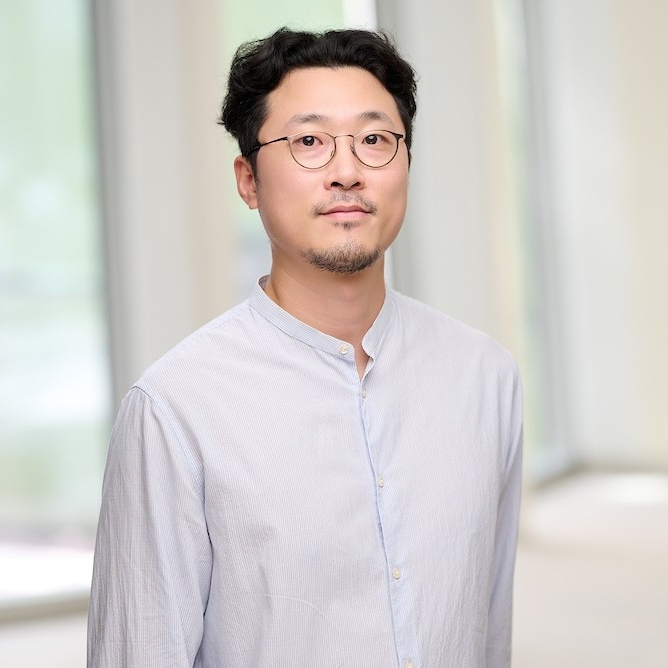
Christian S. Ritter is a Senior Lecturer in the Department of Geography, Media and Communication at Karlstad University, specializing in media anthropology with a focus on mobile media ecologies, locative media, and tourism media. He holds a research fellowship background from institutions like Tallinn University and the Norwegian University of Science and Technology. His work examines the interplay between media technologies, human mobility, and cultural heritage, particularly in Estonia, Singapore, Norway, and Turkey. His research interests include digital ethnography, platform labor, augmented reality in heritage preservation, and the socio-technical dimensions of tourism. Key publications include Locating the influencer: Place and platform in global tourism (2024) and contributions to Tourism Geographies and Media and Communication . He currently teaches in the Geomedia Studies Master’s program and has served as co-chair of SIEF’s Migration and Mobility working group since 2023. Ritter’s fieldwork spans ethnographic studies of travel influencers, drone tourism, and diaspora communities. His work emphasizes ethical considerations in technology and data practices, advocating for transparency in location-aware systems.
Kirsty Spence, PhD, is an Associate Professor in Sport Management and Associate Dean, Teaching and Undergraduate Studies at Brock University's Faculty of Applied Health Sciences. She holds offices in STH 435 and can be reached at kspence@brocku.ca. Her work focuses on leader development through experiential learning, mindfulness practices, and coaching methodologies. She has held editorial board roles, including with the Sport Management Education Journal (2016-19). Research interests emphasize vertical/lateral leader development, conscious capitalism in sport organizations, and curriculum design for leadership efficacy. Her teaching spans undergraduate and graduate courses like Leadership in Sport Organizations (SPMA 4P09) and Leadership and Organizational Behaviour in Leisure Organizations (SPMA 5P04). Publications explore safe sport practices, ego development in students, and organizational revitalization strategies. Awards include the Chancellor’s Chair for Teaching Excellence (2016) and Brock’s Distinguished Teaching Award (2019). She remains active as a Professional Certified Coach (PCC) and Integral Master Coach™ with Integral Coaching Canada. Professional affiliations include the Society for Teaching and Learning in Higher Education and the North American Society for Sport Management.
Minsu Park is an Assistant Professor of Social Research and Public Policy at New York University Abu Dhabi (NYUAD), with affiliate status at the Center for Data Science at New York University (NYU). He holds a PhD in Information Science from Cornell University, where he was advised by Michael W. Macy and Mor Naaman. His academic work bridges computational techniques and social science theory, focusing on cultural consumption, social networks, and human-centered data science. PhD in Information Science, Cornell University His research centers on understanding how individuals form cultural preferences through social and psychological mechanisms, particularly in domains like music, food, fashion, and science. He leverages large-scale digital trace data—including social media, streaming platforms, and physiological signals from smart devices—to model behavior. His interdisciplinary approach draws from sociology, social computing, and data science, aiming to uncover both individual and global patterns in cultural dynamics. Key themes include variety-seeking behaviors, affective preferences, and the interplay between social position and taste. The 15 most recent publications reflect a strong trend toward using computational methods to explore sociocultural phenomena. Topics span affective preference rhythms in music, testing sociological theories like cultural omnivory, imputing user attributes from digital behavior, and enhancing model interpretability. These works are published in high-impact venues such as Nature Human Behaviour and ICWSM, indicating recognition in both computer and social sciences. Minsu Park is deeply committed to responsible data science, addressing issues like algorithmic bias, transparency, fairness, data privacy, and research ethics. He emphasizes mixed-methods approaches and critical reflection on data generation and usage. Published in Nature Human Behaviour Presented at ICWSM Focus on ethical and interpretable AI Advocate for reproducibility and data curation He mentors students through capstone projects in computer science and teaches courses such as Human-Centered Data Science and Textual Analysis for the Social Sciences. While specific grants are not detailed in the text, his research program suggests involvement in interdisciplinary, data-intensive projects likely supported by academic or scientific funding bodies. His technical expertise includes Python, R, machine learning frameworks (TensorFlow, Keras), and tools like Gephi and AWS. He leads or contributes to research initiatives involving smartwatch-based data collection, surname-based ethnicity matching, and global music consumption analysis, as evidenced by his public GitHub repositories. These projects highlight his commitment to open science and collaborative research.
Grant Allan is a Professor in the Department of Economics at the University of Strathclyde, where he has been since 2002, initially joining as a Research Assistant at the Fraser of Allander Institute. He currently serves as Director of the MSc in Applied Economics and MSc in Economics and Finance, and was Director of Postgraduate Teaching in the Department from 2016 to 2024. He teaches postgraduate courses in economic modelling and energy economics and leads modules in the CDT in Wind and Marine Energy Systems and the Industrial Doctoral Centre in Offshore Renewable Energy (IDCORE). PhD, University of Strathclyde (2016) MSc, University of Edinburgh BA, University of Strathclyde Grant's research centers on energy-economy-environmental modelling , applied regional economic analysis , and renewable energy policies . He employs multisectoral models such as input-output and computable general equilibrium (CGE) frameworks to analyze the economic and environmental impacts of energy and environmental policies, particularly at regional and city levels. His work frequently addresses tourism economics, water use, and climate change mitigation strategies. The recent publications reflect a strong trend in regional and city-level environmental-economic modelling , with a focus on decarbonization, renewable energy (especially offshore wind), sustainable food systems, water resource management, and the blue economy. His methodological strengths include satellite accounting, hypothetical extraction analysis, and behavioural macroeconomic modelling. He has received recognition for his teaching excellence: Effective and sustained contribution to the student learning experience award (30 May 2024) Grant actively supervises PhD and MSc students and leads or contributes to major research projects funded by ESRC, UK Energy Research Centre, Scottish Government, and other public and third-sector bodies. His research has direct policy impact, particularly in Scotland and Europe, enhancing analytical capacity for regional policy-making. He is involved in the Strathclyde Global Environmental Measurement and Monitoring (GEMM) centre and collaborates with institutions like ICLEI Europe on air quality monitoring (GEMINOA project). He is a member of research teams including the Fraser of Allander Institute and participates in professional activities such as workshops, conferences, and public engagement events.
David Faro is an Associate Professor of Marketing at London Business School , specializing in consumer and managerial decision-making . He holds a PhD in Marketing and Behavioural Science from the University of Chicago, with prior degrees from Boston and London institutions. Research Focus : Financial/health decision-making, time perception, prosocial behavior, and social impact projects Teaching : Co-directs executive education in Strategic Branding and Decision-Making Strategies for Leaders , and teaches Behavioural Economics and Social Impact in degree programs Collaborations : Works with charities on STEM education, refugee support, women entrepreneurship, and water conservation Prior to academia, Dr Faro worked in household appliance firms in Turkey and Greece, and speaks English, Turkish, and Hebrew.
Dr Didem Taser-Erdogan is a Senior Lecturer in Human Resource Management and Organisational Behaviour at Brunel Business School, Brunel University London, within the College of Business, Arts and Social Sciences. She is actively engaged in research, teaching, and PhD supervision, focusing on gender, diversity, and work-life integration. Education: PhD in Business/Management from King's Business School MSc from London School of Economics BA from Bilkent University, Turkey Her research centers on gender and organisations , diversity and inclusion , work-life balance , and flexible working . She investigates how macro, meso, and micro-level factors shape women's career aspirations and advancement, especially in the Turkish banking sector. Her work often uses qualitative methods and explores relational dynamics in careers. Her recent publications reveal a strong focus on trickle-down effects in organisations—how supervisor behaviors and motivations influence subordinates’ performance and wellbeing. Themes include family supportive supervision, remote work challenges (e.g., technostress and loneliness), and flexibility I-deals driven by prosocial motives. Her research appears in top journals like Human Relations and Journal of Applied Social Psychology . Scientific Awards: No awards mentioned in the provided text. She supervises PhD students, with current projects exploring career shocks experienced by female employees . She teaches core HRM and OB modules such as HRM in Context and Contemporary HRM at both undergraduate and postgraduate levels. She collaborates extensively with scholars like Yildiz Rofcanin, Mireia Las Heras, and Maria Jose Bosch. Her ORCID is 0000-0001-5906-2909.
Giulio Marchese is an Associate Professor at the Department of Applied Science and Technology (DISAT) within the Polytechnic University of Turin. He is a member of the Interdepartmental Center IAM@PoliTo - Integrated Additive Manufacturing and actively contributes to the School of Industrial and Information Engineering. His research focuses on advanced additive manufacturing techniques for metallic materials, including electron beam powder bed fusion (EB-PBF) and laser powder bed fusion (LPBF), with applications in aerospace, automotive, and biomedical fields. Research Interests: Giulio's work spans additive manufacturing, materials engineering, advanced metallic materials, and production technology. He explores novel alloys like TiAl and Ni-based superalloys, optimizes process parameters, and investigates post-processing treatments such as hot isostatic pressing (HIP) and heat treatments to enhance mechanical properties. Publications: His recent articles highlight trends in metal additive manufacturing, including microstructure analysis of EB-PBF molybdenum, TiC composites, CuCrZr alloys, and process optimization for aerospace-grade materials. His studies often address residual stress, thermal exposure effects, and interface characterization. Advising & Collaborations: Giulio supervises PhD students in Materials Science and Technology, including Samuele Di Sturco, Serena Lerda, Hanieh Bakhshifarkoush, and Cristian Ghibaudo. He collaborates with research groups like Additive Manufacturing (DISAT), Metallic Materials (DISAT), and High-Temperature Materials (DISAT), and contributes to courses across Materials Engineering, Aerospace, and Automotive programs.
Anita Laidlaw is an Honorary Senior Lecturer in the School of Medicine at the University of St Andrews, within the Department of Medical & Biological Sciences. She is actively involved in teaching and research, with a strong focus on medical education, clinical communication, and professional wellbeing. University: University of St Andrews School: School of Medicine Department: Medical & Biological Sciences Academic Rank: Senior Lecturer (Honorary) Email: ahl1@st-andrews.ac.uk Her research spans two overlapping domains: healthcare communication and higher education research. In healthcare communication, she investigates factors influencing clinical interactions and develops training to enhance patient-centered communication, including observational studies on weight management discussions and empathy maps in medical education. In higher education, she focuses on student and professional wellbeing, burnout, help-seeking behavior, and academic career pathways, especially during transitions such as those caused by the COVID-19 pandemic. Her recent publications highlight a consistent trend in wellbeing, communication, and medical education, with increasing use of narrative and animation-based methods to support healthcare professionals' mental health. These works reflect interdisciplinary approaches combining psychology, education, and organizational theory. She has received several scientific awards and recognitions: AMEE Associate Fellow (2018) Education Research Committee member, Association for the Study of Medical Education (2021) McCall MacBain Teaching Excellence Award (2018) SMERC Travel Fellowship (2019) Travel Award to attend AMEE conference (2006) Anita Laidlaw supervises postgraduate research students and has led or co-led multiple research projects, including those funded by SMERC, The Russell Trust, and internal awards. She is actively involved in professional networks such as the Association for the Study of Medical Education (ASME), the European Association of Communication in Healthcare (EACH), and the Scottish Medical Education Research Consortium (SMERC), where she serves as a Board Member. She also organizes academic activities such as the St Andrews Research Internship Scheme and presents her work widely at conferences and workshops.
Dr Jessica Agnew-Blais is a Senior Lecturer in Psychology at Queen Mary University of London, affiliated with the School of Biological and Behavioural Sciences and the Centre for Brain and Behaviour. She can be reached at j.agnew-blais@qmul.ac.uk in Room 3.21 of the Fogg Building. Psychiatric epidemiology ADHD Women's mental health Developmental psychology Her research focuses on ADHD developmental trajectories across the lifespan, hormonal influences on women's ADHD functioning, and gene-environment interactions. Current projects include A Life Course Approach to Understanding ADHD Among Women (MRC-funded) and studies on gambling harms (GambleAware-funded). Recent publications examine: ADHD symptom decline trajectories Verbal memory impairments in ADHD Social isolation in ADHD populations Delayed ADHD diagnosis in women Covariate environmental factors in neurodevelopment She supervises PhD students Alexandria Bartley, Chiara Caserini, Anna Paul, and Amandine Sénéquier, and collaborates with researchers like Margherita Malanchini and Giorgia Michelini.
Hans van Trijp is a Full Professor in Marketing and Consumer Behaviour at Wageningen University & Research, focusing on food-related decision-making, sustainability, and packaging innovation. He leads interdisciplinary projects addressing food waste reduction , green packaging , and cultured meat acceptance , bridging behavioral science with market transitions. Key Research Areas: Food waste, sustainable packaging, consumer neuroscience, dietary transitions Collaborations: Partnerships with Dutch supermarkets (Albert Heijn, Aldi), Vietnamese agricultural institutions, and EU policy bodies His recent work explores social norms and implicit cues in shaping food choices, with a focus on experimental designs and virtual reality applications . A 2021 prize recognized his team’s insights into agricultural export integration for Vietnamese farmers. Notable Contributions: Pioneering food swap recommendation systems in online supermarkets Meta-analyses on social norms and emotional regulation in consumption Advocacy for FAIR data in sensory and consumer research As a promotor for 10+ PhD projects, he mentors researchers in topics spanning mindfulness interventions , market orientation for smallholder farmers, and neural responses to food cues. His work emphasizes collaborative innovation across supply chains and policy frameworks.
Prof. Dr. Martin Vinck is a Professor at the Donders Centre for Neuroscience in the Department of Neurophysics , Radboud University. He is also a Research Group Leader at the Ernst Strüngmann Institute for Neuroscience and a faculty member at the International Max Planck Research School for Neural Circuits . Current affiliations: Radboud University, ESI Frankfurt, Max Planck Research School Positions: Professor, Research Group Leader, Review Editor for eLife Research Interests span computational and systems neuroscience, focusing on predictive processing in biological and artificial neural networks. His lab investigates: How distinct excitatory/inhibitory neurons regulate plasticity and flexible information processing Neural ensemble coding via spatio-temporal patterns and spike sequences Self-supervised learning mechanisms using spatial/temporal predictions Gamma oscillations, synchronization, and their role in visual encoding Scientific Contributions include developing algorithms for high-dimensional neural data analysis, co-supervising key studies on interneuron dynamics, and pioneering work on predictive coding in V1. His grants include the ERC Starting Grant (2019) and VIDI Grant (2024) . Lab Members include PhD students Jinke Liu, Jahan Esfandiarii, Athanasia Tzanou and alumni Irene Onorato, Marius Schneider, Ana Clara Silveira Broggini . He actively promotes open science , develops the Spike Toolbox , and reviews for journals like Neuron, eLife, PLoS Computational Biology .
Dermot Barnes-Holmes is a Professor of Psychology at the School of Psychology, Ulster University. He holds a D.Phil. in Psychology from Ulster University (1987-1990) and a B.Sc. (Hons) in Psychology from the same institution (1982-1985), along with a Certificate in Further and Adult Education from Garnett College (1986–1987). His career spans roles at Ghent University, Maynooth University, and University College Cork. Education: D.Phil. Psychology, Ulster University (1987-1990) CNAA Certificate in Further and Adult Education, Garnett College (1986–1987) B.Sc. (Hons) Psychology, Ulster University (1982-1985) Research Interests focus on experimental analysis of human behavior, relational frame theory (RFT), translational research in behavior analysis, and applications to psychopathology. He pioneered empirical frameworks connecting RFT to cognitive and clinical psychology. Recent Publications (2025) include critiques of implicit assessment tools like the IRAP, integrations of RFT with stimulus equivalence, and comparative analyses of behavioral measurement methodologies. These works emphasize cognitive modeling and experimental design. Scientific Achievements include the Odysseus Group I Award (2015-2020), the ABA International Don Hake Translational Research Award, and the Quad-L Annual Lecture Award. He has supervised over 40 doctoral students and secured €3.5M+ in competitive funding since 2000. Academic Leadership includes editorial roles on top journals (Journal of the Experimental Analysis of Behavior, Journal for Contextual Behavioral Science) and co-founding the Association for Contextual Behavioral Science. He has delivered 30+ international keynote lectures.
Marco Bardus is an Assistant Professor in Public Health at the University of Birmingham's Birmingham Institute for Sustainability and Climate Action. He leads the Centre for National Training and Research Excellence in Understanding Behaviour and actively supervises doctoral research students. PhD in Theory of Planned Behaviour (Università della Svizzera Italiana) MA in Corporate Public Relations (University of Udine) BA in Public Relations (University of Udine) His research focuses on digital health technologies, eHealth literacy, and social marketing frameworks for addressing public health issues like physical activity, weight control, and diabetes stigma. He works extensively in low-resource settings across the Middle East, particularly Lebanon. Recent publications highlight his work on mobile health (mHealth) interventions, generative AI applications in social marketing, and tackling health inequalities through technology. His research aligns with UN Sustainable Development Goals 3 (Good Health) and 13 (Climate Action). Advanced Postdoc.Mobility Grant (2015) Best intervention/case study submission (2022) Early Postdoc.Mobility Grant (2014) Fellowship for Prospective Researchers (2010) IDRC Global Health Grant (2019) He has led training workshops in Dubai and collaborates with institutions on digital health implementation, including Epic electronic health records systems.
Robert Plomin is MRC Research Professor in Behavioural Genetics at the Institute of Psychiatry, Psychology & Neuroscience (IoPPN), King's College London. He helped launch the Social, Genetic and Developmental Psychiatry Research Centre in 1994 and established the Twins Early Development Study (TEDS) in 1995, which has followed 10,000 pairs of UK twins for over 25 years. With more than 800 publications and numerous books including "Blueprint: How DNA Makes Us Who We Are," he is a leading figure in behavioral genetics. Professor Plomin earned his PhD from the University of Texas at Austin and his BA from DePaul University. His academic journey includes positions at the University of Colorado and Pennsylvania State University before joining King's College London. Plomin's research focuses on using quantitative genetic and genomic approaches to understand how genetic and environmental factors shape behavioral development. His work particularly examines cognitive development and educational achievement, investigating how DNA influences individual differences in learning abilities and disabilities. Through large-scale twin studies like TEDS, he has made significant contributions to understanding the heritability of psychological traits and the role of nonshared environmental influences. His recent publications reveal a strong emphasis on genome-wide association studies, examining connections between genetics and various psychological outcomes including mental health, educational achievement, language development, and psychopathology. His work increasingly integrates molecular genetic techniques with traditional behavioral genetics approaches, demonstrating how DNA can predict behavioral outcomes from childhood through adulthood. Professor Plomin has received numerous prestigious honors including: Lifetime Achievement Award from the British Psychological Society (2020) Youngest President of the international Behavior Genetics Association Lifetime research achievement awards from multiple major associations in his field Fellowship in the American Academy of Arts and Sciences Fellowship in the British Academy Fellowship in the American Academy of Political and Social Science Fellowship in the Academy of Medical Sciences (UK) As principal investigator of the Twins Early Development Study (TEDS), Plomin has secured continuous funding for 25 years through Medical Research Council programme grants. TEDS has grown from studying infant twins to following participants into early adulthood, providing unprecedented longitudinal data on genetic and environmental influences. He has mentored numerous researchers through this project and has collaborated extensively with institutions worldwide, significantly advancing the field of behavioral genetics. The Social, Genetic and Developmental Psychiatry Centre at King's College London, where Plomin is based, serves as a hub for integrating genetic and environmental research approaches. TEDS remains his flagship project, but his influence extends through collaborations on international consortia studying everything from dyslexia to mental health outcomes. His current work focuses on applying polygenic scoring methods to predict behavioral outcomes and understanding the mechanisms through which genes influence development.
Professor Thalia Eley is Professor of Developmental Behavioural Genetics at King's College London's Institute of Psychiatry, Psychology & Neuroscience. She serves as Head of the Social, Genetic & Developmental Psychiatry Centre and leads the Emotional Development, Intervention and Treatment (EDIT) Lab. Professor Eley is also Director of the Twins Early Development Study (TEDS), the largest longitudinal twin birth cohort in the UK, and co-leads the Genetic Links to Anxiety and Depression (GLAD) Study. Professor Eley's educational background includes: Bachelor of Arts in Social and Political Sciences with a focus on psychology from Trinity College Cambridge PhD in the role of genetic and environmental influences on depression and anxiety in young people from the Institute of Child Health, University College London Professor Eley's research focuses on understanding the interplay between genetic and environmental factors in the development and treatment of anxiety and depression, particularly in youth. She is transforming efforts toward personalized medicine through 'therapygenetics,' studying genetic effects on psychological treatment response. Her work creatively combines longitudinal, genetic, experimental, and clinical approaches to explore mechanisms underlying mental health disorders. A key aspect of her research examines why anxiety and depression tend to run in families and whether this is due to shared environments or genetic factors. Professor Eley's recent publications demonstrate a strong focus on integrating genetic approaches with clinical psychology to understand mental health conditions. Her work spans anxiety disorders, depression, eating disorders, and neurodevelopmental conditions, with particular emphasis on how genetic factors influence treatment response. She has been instrumental in large-scale studies like the GLAD Study, which is the largest single study of anxiety and depression ever undertaken, and TEDS, which has followed twins from birth into early adulthood. Professor Eley has received numerous prestigious awards for her contributions to the field: Fellow of the British Academy (2025) Fellow of the Academy of Medical Sciences (2021) James Shields Lifetime Achievement Award from the International Society for Twin Studies (2017) King's Graduate School IoPPN Supervisory Excellence Award (2017) King's University Research Project of the year for the GLAD Study (2019) Lilly-Molecular Psychiatry Award (2004) Spearman Medal from the British Psychological Society (2002) Professor Eley is passionate about mentoring early career researchers and has chaired the Research and Innovation Committee for over five years, developing initiatives to support this group. Her research has been supported by substantial grants including MRC funding for TEDS, Wellcome Trust funding for anxiety treatment prediction research, and MRC/ESRC funding for the UK Longitudinal Linkage Collaboration. She actively promotes diversity in scientific research both in terms of researchers and study participants. Professor Eley leads the Emotional Development, Intervention and Treatment (EDIT) Lab, which consists of postdoctoral researchers, PhD students, and undergraduate and master's students. The lab is based at the Social, Genetic & Developmental Psychiatry Centre at King's College London. She also co-leads the GLAD Study, which recruits participants through media and social media, and has developed digital tools like the FLARe (Fear Learning and Anxiety Response) app for remote fear conditioning experiments.