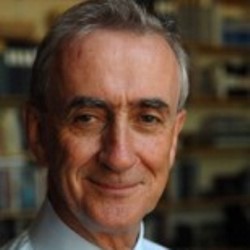
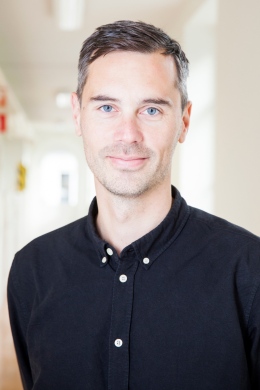
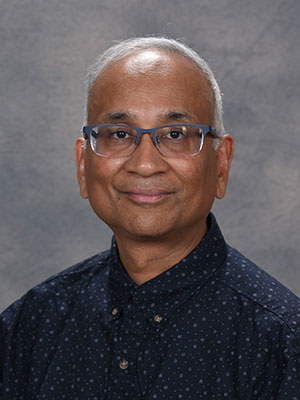
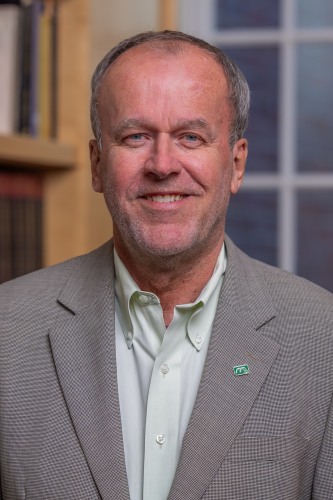
Dr. Angela Poole is an Assistant Professor of Molecular Nutrition in the Division of Nutritional Sciences at Cornell University's College of Human Ecology. She leads a research group focused on precision nutrition, investigating interactions between host genetics, dietary intake, and gut/oral microbiomes to prevent metabolic diseases. Education & Background Ph.D. in Genome Sciences, University of Washington Postdoctoral research at Dr. Ruth Ley's laboratory B.S. in Engineering and Applied Science, Caltech Research Focus Her interdisciplinary work combines genetics, microbiology, and nutrition to develop personalized dietary interventions. Key areas include: Optimizing dietary fiber for diabetes prevention Oral biofilm pathogenesis Host-microbiome-diet interactions in metabolic disorders Publication Trends Her 15 most recent publications (2014-2025) demonstrate consistent focus on microbiome dynamics, genetic influences on nutrition, and metabolic health. Recent work emphasizes oral/gut microbiome responses to dietary components like resistant starch and salivary amylase. Research Group Leads an active lab developing systems biology approaches for precision nutrition applications.
Massachusetts Institute of TechnologyUnited States
Neville Hogan is a Professor of Mechanical Engineering and Brain & Cognitive Sciences at MIT, and Director of the Newman Laboratory for Biomechanics and Human Rehabilitation. He holds a Ph.D. from MIT and has been a faculty member since 1979, leading roles in the Mechanical Engineering department's System Dynamics and Control division. His research bridges biology and engineering, focusing on motor neuroscience, rehabilitation robotics, and human-robot interaction. He co-founded Interactive Motion Technologies, Inc. and is a board member at Advanced Mechanical Technologies, Inc. Education: Dip. Eng. (Dublin College of Technology), M.S., M.E., and Ph.D. (MIT) Research interests include developing robots for neurological rehabilitation, such as gentle physiotherapy devices for stroke patients. His work emphasizes physically cooperative machines and human balance control analysis. Awards include Honorary Doctorates from Delft University and Dublin Institute of Technology, and the Silver Medal from Ireland’s Royal Academy of Medicine. Awards: Honorary Doctorates, Silver Medal, and other distinctions Led the Newman Lab, focusing on biomechanics and human rehabilitation. Advised numerous students (not listed here). His publications explore dynamic primitives, impedance control, and human-robot interaction, with applications in exoskeletons and rehabilitation therapies.
Lucas Gottzén is a Professor at the Department of Child and Youth Studies, Stockholm University. His research focuses on masculinity, youth studies, affect theory, and extremism, with a particular interest in how these intersect with violence and gender dynamics. He has contributed to understanding radicalization pathways in online spaces, the role of masculinity in intimate partner violence, and the cultural politics of fatherhood in Swedish society. Research interests include ecofascist visual communication, vulnerability and identity politics in digital subcultures, and the sociological analysis of pornography debates. His work often bridges theory and practice, addressing issues of gender equality and violence prevention through innovative methodological approaches. Key publications examine themes such as the 'red pill' phenomenon, affective dimensions of masculinity, and the paradoxes of Sweden's gender-equality reputation alongside high rates of sexual violence. He has collaborated on evaluations of violence prevention programs and authored critical analyses of media representations of fatherhood and youth.
Iris Engelhard is Full Professor of Clinical Psychology at Utrecht University, specializing in experimental psychopathology. She leads innovative research on trauma disorders and anxiety treatments through her Experimental Psychopathology Lab. A Fulbright Scholar and cognitive behavioral therapist, she develops mechanistic understanding of PTSD while advancing EMDR therapy techniques. Honors include prestigious NWO grants (VENI/VIDI/VICI) and TOP funding. She teaches in clinical psychology programs and serves as Scientific Integrity advisor.
Marco Palma is a Professor in the Department of Agricultural Economics at Texas A&M University and Director of the Human Behavior Laboratory, a transdisciplinary facility integrating neurophysiological technology to study decision-making. His roles include leadership in AgriLife Research and Extension programs. With a Ph.D. in Food and Resource Economics from the University of Florida, his expertise spans consumer behavior, food choices, experimental economics, and neuroeconomics. His work focuses on merging biological and traditional behavioral research to improve health and well-being outcomes. Education: B.S., M.S., and Ph.D. in Food and Resource Economics from University of Florida Research Interests: Consumer decision-making, neuroeconomic mechanisms, food policy interventions, and behavioral responses to environmental and health risks. His lab employs eye-tracking, biometric sensors, and experimental economics methods to analyze how physiological states influence choices. Recent work examines the cognitive impacts of fasting, visual-nature stimuli effects, and public perceptions of chemical exposures like PFAS. Recent Research Trends: His articles emphasize interdisciplinary approaches, linking neuroscience with economic decision models. Key themes include behavioral interventions for dietary change, competitive market dynamics, and the neurophysiological basis of social preferences. Over 2024-2025, he has published extensively on experimental methods validation, environmental policy communication, and gender differences in competition. Awards: Texas A&M Presidential Impact Fellow (2025), recognizing his transformative contributions to interdisciplinary research. Labs/Teams: Leads the Human Behavior Laboratory, collaborating with neuroscientists and behavioral economists to develop innovative measurement tools for decision-making studies. Actively involved in AgriLife Extension programs addressing agricultural industry challenges.
Sandeep Kumar is an Associate Professor in the Department of Computer Science and Engineering at Texas A&M University, College Station. He holds a PhD in Computer Science from Purdue University (1995) and a B.Tech in Electrical Engineering from the Indian Institute of Technology, New Delhi (1985). His research focuses on computer security, networking, and system-level programming. Prior to academia, he worked in industry roles including at VMware in Palo Alto, CA. He currently teaches courses such as CSCE 313 (Introduction to Computer Systems) and CSCE 222 (Discrete Mathematics), emphasizing system software, networking, and cybersecurity. His teaching philosophy incorporates modern tools like GCP and Docker for practical learning. He advises students on technical projects but notes his non-tenure track role limits formal research supervision. Professional interests include curriculum design, educational technology, and bridging industry-academia gaps in cybersecurity. Education: Ph.D., Computer Science, Purdue University, 1995 M.S., Computer Science, University of Tennessee, 1987 B.Tech, Electrical Engineering, IIT Delhi, 1985 Research Interests: Computer Security, Networking, Operating Systems Teaching: CSCE 313 (Computer Systems), CSCE 222 (Discrete Math), CSCE 111 (Java Programming) Industry Experience: VMware (Networking & Security), Former Googler Awards: Hagler Fellow (2023), Google GCP Educational Grants Dr. Kumar’s work emphasizes practical system-level programming and security, with contributions to intrusion detection systems and secure enterprise networks. His courses integrate modern tools like RustRover and Docker, reflecting industry standards. He actively engages with educational technology, including LaTeX-based lecture materials and Gradescope integration.
Joachim Krueger is a Professor of Cognitive and Psychological Sciences at Brown University. He holds editorial roles at the Personality and Social Psychology Review and the American Journal of Psychology . His research focuses on social judgment, decision-making, and the intersection of cognitive psychology with behavioral economics and organizational behavior. Key themes include self-perception, intergroup relations, free will belief paradoxes, and the volunteer’s dilemma. Dr. Krueger earned his Ph.D. from the University of Oregon (1988) and completed postdoctoral research at the Max Planck Institute in Berlin before joining Brown in 1991. He teaches courses on psychology in business, happiness philosophy, and behavioral decision sciences. His work critiques positivist methodologies while exploring creativity, leadership, and the replication crisis in psychological research. He is a Fellow of the Association for Psychological Science, Society for Experimental Social Psychology, and Eastern Psychological Association. His writings include books on social judgment, rationality, and happiness, alongside a Psychology Today blog. Krueger collaborates across disciplines, emphasizing pragmatic approaches to understanding human social behavior.
Dr. Tanzil M. Arefin is an Assistant Professor of Neuroscience at the University of Rochester School of Medicine and Dentistry and Associate Director of the Preclinical Imaging Core at the Center for Advanced Brain Imaging and Neurophysiology (CABIN). His research focuses on developing neuroimaging techniques to study brain functions and microstructures in animal models of human disorders, including neurodegenerative and psychiatric illnesses. He holds affiliations with the Del Monte Institute for Neuroscience and the Neuroscience Ph.D. Program. **Education**: Ph.D., Neuroscience, University of Freiburg and University of Strasbourg (2017) M.Sc., Biomedical Engineering, Czech Technical University and University of Groningen (2012) B.Sc., Electrical and Electronic Engineering, Islamic University of Technology (2007) **Research Interests**: Dr. Arefin's lab employs multimodal MRI methodologies (resting-state fMRI, diffusion MRI, ASL perfusion MRI, MR spectroscopy) alongside optogenetics and chemogenetics to elucidate molecular mechanisms impairing brain plasticity. Current projects include studying cerebellar connectivity's role in non-motor behaviors and developing interventions for alcohol-dependent brains. **Awards**: Magna cum Laude, Summa Cum Laude, Erasmus Mundus Fellowships (both Doctoral and Masters). **Grants & Advising**: Not explicitly listed in texts, but lab activities suggest involvement in NIH-funded projects. Advising details are pending explicit student listings. **Lab & Affiliations**: Arefin Lab focuses on translational imaging tools. Affiliated with UR CABIN and URMC's Neuroscience programs. Location: 430 Elmwood Ave, Rochester, NY.
Scott Fraundorf is an Associate Professor in the Department of Psychology at the University of Pittsburgh, affiliated with The Dietrich School of Arts & Sciences and the MAPLE Lab at the Learning Research and Development Center (LRDC). His research focuses on psycholinguistics, memory systems, cognitive aging, metacognition, and educational technology. He holds a Ph.D. from the University of Illinois at Urbana-Champaign and has been recognized with an NSF Graduate Research Fellowship (2007-2011) and inclusion in the List of Teachers Ranked as Excellent by Students ("Outstanding"). Key research themes include the role of prosody and disfluency in language processing, cognitive aging effects on memory, and the application of statistical modeling to study decision-making and learning strategies. His work bridges experimental psychology with real-world educational interventions, such as adaptive grammar instruction tools and investigations into digital literacy practices among adolescents. Recent publications emphasize cognitive mechanisms underlying expertise retention in medical professionals and the impact of exercise on memory preservation in older adults. He collaborates on projects analyzing how contrastive linguistic cues (e.g., pitch accent, beat gestures) influence online discourse comprehension and long-term memory encoding. Labs/Teams: MAPLE Lab (Memory, Attention, Processing, Learning, Education) Grants: NSF Graduate Research Fellowship Advising: Advises graduate student Jessica Macaluso
Ronald Coifman is the Sterling Professor of Mathematics and Professor of Computer Science at Yale University. His research focuses on nonlinear analysis, scattering theory, complex analysis, numerical analysis, and their applications in data science, signal processing, and biomedical imaging. He holds the National Medal of Science and is a member of the National Academy of Sciences and the American Academy of Arts and Sciences. Coifman's work bridges pure mathematics and applied sciences, emphasizing harmonic analysis, manifold learning, and data-driven modeling. His contributions include foundational advancements in wavelet theory, diffusion maps, and nonlinear dimensionality reduction techniques. Key innovations include the development of empirical intrinsic geometry for analyzing complex systems and the use of Wasserstein distances in high-dimensional data analysis. His academic portfolio includes over 250 publications since the 1960s, spanning topics from theoretical mathematics to practical medical diagnostics. Notable applications include methods for stroke detection, medical imaging analysis, and anomaly detection in dynamic systems. Coifman collaborates across disciplines, integrating computational methods with domain-specific challenges in biology, chemistry, and engineering. Education: Ph.D. in Mathematics from the University of Geneva (1965) Awards: National Medal of Science (2001), Member of NAS (1993), Member of AAAS (2006) Key Projects: Development of diffusion maps, manifold learning algorithms, and empirical geometry frameworks Coifman's current research explores the intersection of machine learning and mathematical analysis, with recent focus on intrinsic data organization, emergent dynamical models, and scalable computational methods for large datasets.
Dr. Jonathan B. Clayton is an Assistant Professor in the Department of Biology at the University of Nebraska Omaha and holds cross-appointments at the University of Nebraska-Lincoln (Department of Food Science and Technology) and the University of Nebraska Medical Center (Department of Pathology and Microbiology). He holds a D.V.M. and Ph.D. in Comparative and Molecular Biosciences from the University of Minnesota. His work focuses on host-microbiome interactions in humans and nonhuman primates, particularly exploring how dietary fiber, lifestyle, and environmental factors influence gut microbiome composition and metabolic health. He founded the Primate Microbiome Project (PMP) to map microbiome variation across all primates, linking it to health, evolution, and conservation. Research Interests include microbiome modulations of metabolic diseases (diabetes, obesity) and neurological disorders (stress), using in vitro/in vivo models like germ-free mice and marmosets. His methodologies involve next-generation sequencing, anaerobic culture, and marmoset models. Clayton is affiliated with the Callitrichid Research Center and GreenViet Biodiversity Conservation Center, emphasizing translational research and conservation applications. Teaching focuses on Microbiology and Microbial Ecology. His lab (Clayton Lab) investigates causal mechanisms of microbiome-related diseases and has published extensively on gut microbiome dynamics in captive and wild primates. Recent work highlights antibiotic impacts on gut-brain axis interactions and conservation implications of microbiome diversity.
Bei Wu is Dean’s Professor in Global Health and Vice Dean for Research at the NYU Rory Meyers College of Nursing, where she also serves as Co-Director of the NYU Aging Incubator. She holds an additional appointment as Affiliated Professor in the Ashman Department of Periodontology & Implant Dentistry at NYU, reflecting her interdisciplinary expertise. She previously held the Pauline Gratz Professorship at Duke University School of Nursing, underscoring her national prominence in gerontology and nursing science. Her educational background includes a PhD and MS from the Gerontology Center at the University of Massachusetts, Boston, and a BS from Shanghai University. These foundational qualifications have supported her extensive research career focused on aging, global health, and oral-systemic health linkages. Dr. Wu’s research is centered on gerontology and global health, with a strong emphasis on oral health, dementia, cognitive decline, caregiving, and health disparities among minority populations, particularly older Asian Americans. She is a pioneer in studying the connections between oral health and cognitive outcomes in older adults. Her work integrates interdisciplinary approaches across nursing, dentistry, public health, and social sciences, often with a focus on vulnerable and underserved communities. Her recent publications reveal a consistent focus on the biological and social determinants of cognitive aging, oral frailty, caregiving burden, and mental health in older populations. Themes include the role of toothbrushing in preventing dementia, the impact of social capital on mental health, and the development of culturally tailored interventions for dementia caregivers. Her work often employs mixed methods, including systematic reviews, cohort studies, and qualitative inquiry. Distinguished Scientist Award for Geriatric Oral Research, IADR (2017) Pauline Gratz Professorship, Duke University (2014) J. Morita Junior Investigator Award (2007) Fellow, Gerontological Society of America Fellow, New York Academy of Medicine 2022 Wei Hu Inspiration Award Honorary Member, Sigma Theta Tau International Dr. Wu has successfully mentored hundreds of early-career scientists and has secured substantial funding from the NIH, CDC, and private foundations. She currently leads multiple NIH-funded projects, including a clinical trial on oral health in dementia and a large data analysis on diabetes and cognitive decline. She co-leads the Rutgers-NYU Center for Asian Health Promotion and Equity and directs the Research and Education Core for the NIA-funded Asian Resource Center for Minority Aging Research (RCMAR), which focuses on building research capacity and addressing health inequities. Her work is conducted through key labs and initiatives including the NYU Aging Incubator, the Rutgers-NYU Center for Asian Health Promotion and Equity, and the Asian Resource Center for Minority Aging Research (RCMAR). These centers support interdisciplinary collaboration, innovation in aging research, and the development of culturally appropriate health interventions.
Dave Miranda is an Associate Professor in the Department of Psychology at the University of Ottawa, Faculty of Social Sciences. His research focuses on the psychological role of music in adolescent development, particularly in relation to personality, mental health, and cultural identity. Research Interests: Psychology of Music Adolescent Development Developmental Psychopathology Personality Traits Cultural Diversity Cyberpsychology Emotion Regulation His work explores how music functions as a tool for emotion regulation, identity formation, and cultural understanding among youth. He investigates music’s role in coping with internalizing symptoms and reducing cultural prejudice, often using interdisciplinary approaches that combine psychology, musicology, and cultural studies. The recent trend in his publications shows a strong emphasis on empirical and meta-analytic studies, particularly examining neuroticism, music listening behaviors, and cross-cultural musical influences. His research spans journals such as Musicae Scientiae and Psychology of Aesthetics, Creativity, and the Arts , reflecting a blend of experimental and theoretical inquiry. Scientific Awards: No awards listed in the provided text. Advising and Grants: No students or advisees mentioned. No grants or funding sources specified in the text. Labs and Teams: No specific lab or research team is mentioned in the provided information.
Sara Aton, Ph.D., is an Affiliate Professor in the Department of Molecular, Cellular, & Developmental Biology at the University of Michigan, and an affiliate of the Michigan Neuroscience Institute. Her research focuses on understanding how sleep and waking states influence memory consolidation through synaptic plasticity in neural circuits. She employs behavioral, biochemical, electrophysiological, and optogenetic techniques to study rodent models, particularly examining the roles of acetylcholine and interneurons in memory processing. Key research interests include the dynamics of sleep states (NREM and REM), synaptic plasticity mechanisms, and the impact of sleep disruption on memory formation. Her work addresses how neuronal activity during sleep reactivates learning-related ensembles and regulates biosynthetic processes critical for memory stabilization. Aton has received prestigious awards such as the NIH New Innovator Award (2013) and Alfred P. Sloan Fellowship (2013). Her lab investigates translational applications, including therapeutic interventions for sleep-related cognitive impairments in conditions like Fragile X syndrome. The Aton Lab is a hub for interdisciplinary research, combining molecular, cellular, and systems neuroscience approaches. Her publications emphasize sleep-dependent memory consolidation, synaptic plasticity, and the neural circuits governing these processes. Collaborative efforts span neuropharmacology, optogenetics, and computational modeling to unravel the complex interplay between brain states and cognition.
Frank Tong is a Professor of Psychology at Vanderbilt University in the College of Arts and Science. He leads an active research laboratory investigating the neural mechanisms of human visual perception, cognition, attention, and working memory. His work integrates behavioral experiments, high-resolution fMRI, and computational modeling to decode how visual information is represented and maintained in the brain. Department: Department of Psychology Office: Wilson Hall, Room 531 Email: frank.tong@vanderbilt.edu Phone: 615-322-1780 Education: B.S. in Psychology, Queen's University, Kingston, Canada (Advisor: Barrie Frost) Ph.D. in Psychology, Harvard University (Advisors: Ken Nakayama, Nancy Kanwisher) Postdoctoral Fellow, UCLA (McDonnell-Pew Fellowship, Advisor: Steve Engel) Frank Tong's research centers on understanding how early visual representations interact with higher cognitive functions such as attention and working memory. He has developed pioneering fMRI decoding methods to reconstruct visual features like orientation and object categories from brain activity patterns in the human visual cortex. His lab has demonstrated how these techniques can reveal the neural bases of visual working memory and object-based attentional selection. Current work includes using deep convolutional neural networks as models of human visual processing. His recent publications show a consistent focus on decoding mental states, visual features, and memory contents from brain activity, particularly using fMRI pattern analysis. The research spans visual working memory, attentional modulation, scene perception, and the application of machine learning to neural data. These studies frequently appear in top journals such as Nature , Nature Neuroscience , and Annual Review of Psychology . Scientific Awards: McDonnell-Pew Training Fellowship (1999) Robert K. Root Preceptorship, Princeton (2003) Scientific American Top 50 Award (2004) Young Investigator Award, Cognitive Neuroscience Society (2006) Chancellor's Award for Research, Vanderbilt (2008) Young Investigator Award, Vision Sciences Society (2009) Troland Research Award, National Academy of Sciences Frank Tong has advised numerous graduate students and postdoctoral fellows, many of whom have gone on to successful academic and research careers. His lab has received significant research funding to support its work in cognitive neuroscience and brain imaging. He has also served on the editorial board of the Annual Review of Psychology and as a board member of the Vision Sciences Society, reflecting his leadership in the field. He teaches undergraduate courses including Psy 3760 (Mind and Brain), Psy 3765 (Social Cognition and Neuroscience), and Psy 3780 (The Visual System). His lab continues to explore the interplay between early visual processing and higher cognition using advanced neuroimaging and computational techniques.