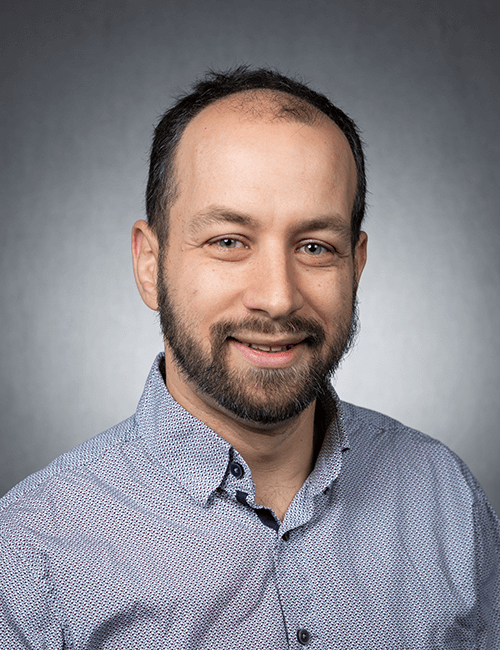
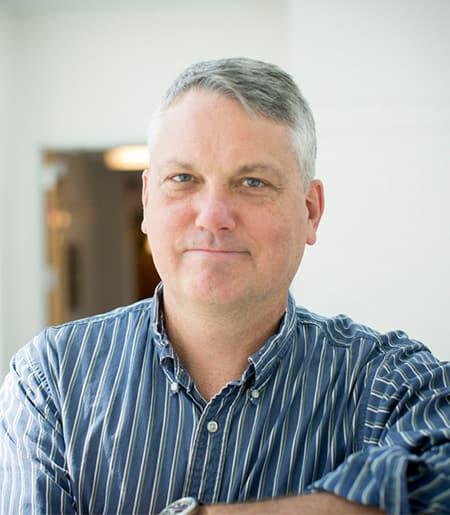
Paul O'Toole is a Professor of Microbial Genomics and Principal Investigator at the APC Microbiome Ireland, University College Cork. His research focuses on the gut microbiome's role in health, aging, and disease, particularly in the context of diet and probiotics. He leads projects like the ELDERMET study on elderly nutrition and the NU-AGE project exploring Mediterranean diets' anti-aging effects. He holds a BA (Mod.) from Trinity College Dublin and a PhD from Lund University, with postdoctoral training in Canada and New Zealand. Key grants include studies on dairy-derived microbiota, probiotic strain improvement, and microbiome analysis in aging populations. He has published extensively on Lactobacillus genomics, gut-brain interactions, and microbiome-driven health outcomes. His work bridges fundamental microbiology with clinical applications, emphasizing translational research. Scientific highlights include discovering microbiome links to cognitive decline, demonstrating dietary modulation of gut microbes to combat obesity, and identifying keystone species in healthy aging. He advocates for sustainability in conservation and food systems, reflecting his interdisciplinary approach to global health challenges.
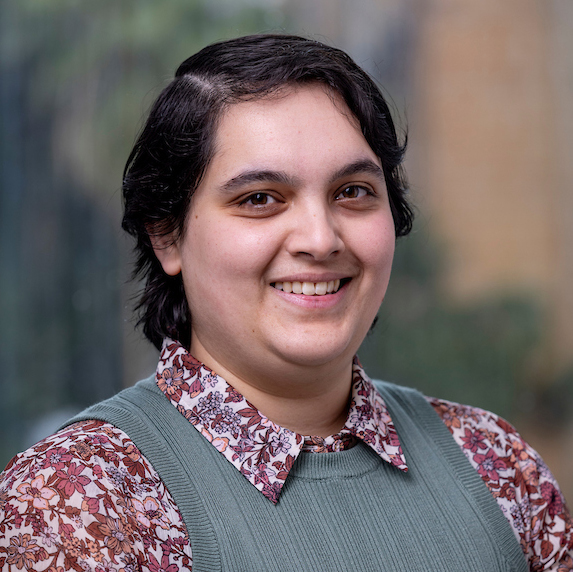
Michael T. Monaghan is a Professor at the Faculty of Biology, Chemistry and Pharmacy, Freie Universität Berlin, and leads the Research Group in Molecular Ecology and Genomics at the Leibniz Institute of Freshwater Ecology and Inland Fisheries (IGB). His work bridges evolutionary biology, molecular ecology, and environmental monitoring, focusing on freshwater systems and urban aquatic habitats. Education: B.S. (The Ohio State University, 1995), M.S. (Idaho State University, 1998), Dr. sc. nat. (ETH Zürich, 2002) Key Positions: Senior Scientist/Research Group Leader at IGB (2008–present), Visiting Professor at Duke-NUS Medical School (2016), Guest Professor at Ehime University (2015–2016) Dr. Monaghan's research explores freshwater biodiversity dynamics using molecular tools like metabarcoding and phylogenomics. His team investigates how environmental changes—climate warming, urbanization, pollution—affect microbial and insect communities, with a focus on eDNA applications and ecohydrology. His publications (2022–2025) span topics such as climate-driven plankton shifts, urban habitat adaptation by bees, toxin genetics in algae, and metagenomic monitoring of aquatic systems. Collaborative projects like BiNatUr and ODER~SO emphasize urban resilience and disaster ecology. Teaching includes data science in biology, evolutionary ecology, and environmental genomics at Freie Universität Berlin and the Institute of Computer Science. He mentors doctoral and master’s students in molecular ecology and trains interns in biodiversity genomics. Lab Members: Dr. Dagmar Frisch (Scientific Staff) Dr. Katrin Kiemel (Postdoc) Elisabeth Funke (Research Technician) Doctoral Candidates: Onur Erk Kavlak, Athena Karapli-Petritsopoulou, Daniel Wewer
Douglas Yu is a Professor in the School of Biological Sciences at the University of East Anglia (UEA), where he also serves as Principal Investigator and Director of the Ecology, Conservation, and Environment Center (ECEC), a joint venture with the Kunming Institute of Zoology. He is a member of the Centre for Ecology, Evolution and Conservation and the Organisms and the Environment research group. His research focuses on cooperation in ecological systems, particularly mutualisms between species and conservation as cooperation between humans and nature. Key methodologies include environmental DNA (eDNA), metabarcoding, and game theory. He co-founded NatureMetrics to commercialize biodiversity monitoring tools. His work spans tropical ecology, conservation genetics, and human-wildlife conflict resolution, notably in the Amazon. His recent research outputs highlight trends in molecular biodiversity assessment, landscape-scale eDNA analysis, and integrating remote sensing with ecological data. He leads multiple NERC-funded projects and industry collaborations focused on pollination services, cocoa sustainability, and statistical frameworks for eDNA. He is actively involved in scientific governance, serving on the NERC Biomolecular Analysis Facility Steering Committee and UKRI grant panels. He also contributes to public discourse through media appearances on topics like leech-based disease surveillance and bee conservation. He teaches courses in evolutionary biology, conservation genetics, and statistical modeling using R. He welcomes PhD and postdoctoral researchers, especially those interested in fieldwork in East Asia.
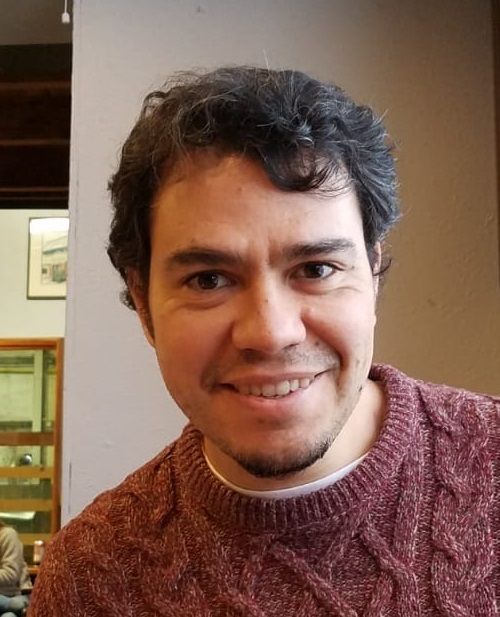
Xavier Martini is an Associate Professor in Entomology at the University of Florida's North Florida Research and Education Center (NFREC). His work focuses on integrated pest management (IPM), insect behavior, and chemical ecology, particularly targeting plant pest vectors like the Asian citrus psyllid and ambrosia beetles. He leads research on citrus greening disease, laurel wilt, and invasive species management. His roles include 70% research and 30% extension, bridging academic and applied pest control strategies. Research emphasizes vector biology, semiochemical-based pest control, and community engagement. He collaborates on publications addressing cucurbit production, onion pest management, and organic vegetable systems. Current projects include repellent development for citrus pests and biological control of invasive vines. His lab group works on ecological interactions between plants, pathogens, vectors, and predators. Key achievements include developing traps for small insect vectors and exploring floral resource enhancements for pollinator populations. He contributes to Florida's citrus and vegetable industries through extension guides and workshops, ensuring practical applications of his research.
Susan Dudley is a Professor in the Department of Biology at McMaster University, where she has established herself as a leading researcher in plant ecology and physiology. Her work spans multiple areas including plant-plant interactions, kin recognition mechanisms in plants, and pollinator ecology, with significant contributions to understanding how plants interact with their environment and with each other. Ph.D. in Ecology and Evolution from University of Chicago (1991) M.Sc. in Biology from McGill University (1984) B.Sc. in Biology from McGill University (1981) Dr. Dudley's research primarily focuses on plant social behavior, particularly kin recognition and cooperation among plants. Her groundbreaking work has demonstrated that plants can recognize their relatives and modify their growth patterns accordingly, challenging traditional views of plant behavior. She also investigates pollinator ecology, with recent research on wild bees including the unusual case of snail shell-nesting bees. Her interdisciplinary approach combines field observations, controlled experiments, and molecular techniques to address fundamental questions in plant ecology. Her publication record shows consistent productivity with a focus on plant social interactions over the past 15 years. The research trends reveal an evolution from basic studies on kin recognition mechanisms to applications in conservation biology and sustainable agriculture. Her recent work connects plant social behavior with broader ecological concerns including invasive species management, pollinator conservation, and forest ecosystem dynamics. As an educator, Dr. Dudley teaches Ecological Statistics (BIOLOGY 707), Applied Statistics for Biology (BIOLOGY 3SA3), Field Methods in Ecology (BIOLOGY 3JJ3), and Plant Biodiversity and Biotechnology (BIOLOGY 2D03). Her teaching spans both undergraduate and graduate levels, emphasizing practical field and statistical skills essential for modern ecological research. Her research has received significant attention in both academic and public spheres, with multiple publications picked up by news outlets, referenced in Wikipedia pages, and shared across social media platforms. The collaborative nature of her work is evident from her co-author network, which includes researchers across various biological disciplines.
Jessica Forrest is an Associate Professor in the Department of Biology at the University of Ottawa, affiliated with the Faculty of Science. Her research focuses on evolutionary ecology, particularly plant-pollinator interactions, climate change impacts on pollinators, and the ecological consequences of phenological shifts. She studies native bees, their interactions with plants, and how agricultural practices can benefit from native bee ecology. Her work spans field studies in natural and agricultural landscapes, emphasizing pollinator conservation and climate adaptation. Notable projects include investigations into bee nesting habitat enhancement in orchards, the effects of drought on alpine bees, and the role of floral traits in pollinator attraction. Research Themes: Pollination ecology, climate change biology, bee behavior, and agricultural sustainability. Labs/Teams: Leads the Forrest Lab at the University of Ottawa, involving graduate and undergraduate students in field and lab-based studies. Her recent work highlights the importance of Asteraceae pollen in protecting mason bees from brood parasites and the complex effects of temperature on bee reproductive success in high-elevation habitats. Students advised include Lydia, Michelle, Natasha, Roisin, Tovah, and others, with projects ranging from bee cognition to agricultural pollination systems. The Forrest Lab collaborates widely, addressing applied and theoretical questions in pollinator ecology.
Tom Wenseleers is a Professor at KU Leuven's Department of Biology within the Faculty of Science, where he leads the Laboratory of Socioecology and Social Evolution. His research spans theoretical and experimental approaches to evolutionary biology, with particular focus on social insect systems. Research spans social insects (ants, bees, wasps), microbes, viruses, and human systems Primary model organisms: social insects studying major evolutionary transitions Current projects examine caste determination, chemical communication, and evolutionary conflicts His research integrates theoretical modeling with experimental, behavioral, and comparative studies. Recent work combines genomic techniques and high-throughput GC/MS analysis to decipher chemical communication systems. Current trends show increasing interdisciplinary work spanning virology (SARS-CoV-2 variants), microbial ecology (antibiotic resistance), and robotics (pollinator behavior monitoring). The research demonstrates consistent application of evolutionary theory to diverse biological systems while maintaining social insects as the core model. Wenseleers actively mentors PhD students and postdocs, with recent graduates including Kamiel Debeuckelaere and Viviana Di Pietro. His lab receives substantial funding through multiple concurrent research projects, including Promotor roles on grants examining caste development in bee societies and microbial metabolite screening. The laboratory maintains strong international collaborations across Europe and South America. The lab operates within the Ecology, Evolution and Biodiversity Conservation unit at KU Leuven, with physical location at Naamsestraat 59, box 2466, 3000 Leuven. The research group maintains active outreach programs including science workshops for schools and public engagement events focused on insect conservation.
James B Nardi serves as a Researcher in the Department of Entomology at the University of Illinois Urbana-Champaign, with 64 scholarly outputs including a 2023 Princeton University Press book. His work focuses on insect model systems like Manduca sexta and hemipterans to investigate developmental biology, immunology, and host-microbe symbiosis through cellular and morphological analyses. Dr. Nardi's research centers on Insect Immunology, Developmental Biology, and Entomology, with key investigations into hemocyte function, epithelial monolayer dynamics during metamorphosis, and microbial interfaces in insect midguts. His fingerprint analysis highlights Manduca Sexta (100%), Hemocytes (61%), and Epithelial Cells (53%) as core research pillars, utilizing advanced techniques to study tissue remodeling and immune responses. Recent publications (2018-2023) reveal concentrated exploration of insect midgut physiology and developmental transitions, particularly protein secretion during molting, luminal membrane structures in lace bugs, and abdominal epithelial remodeling in Manduca. These studies bridge Cell Biology, Microbial Ecology, and Insect Physiology, emphasizing the interplay between developmental processes and microbial associations. Scientific Awards: No awards, fellowships, or medals were documented in the source materials. Advising and grants: Information regarding student mentorship, postdoctoral supervision, or research funding sources was not provided in the available data. Laboratory infrastructure: While collaborations with Miller, Bee, and Wallace are evident, specific research teams, laboratory facilities, or institutional centers were not described.
Dr Kenya Fernandes is an ARC DECRA Research Fellow at the University of Sydney's School of Life and Environmental Sciences. Her work bridges microbial ecology, drug discovery, and pollinator health. She investigates fungal pathogenesis mechanisms, antifungal therapies, and the antimicrobial properties of Australian honeys from bees and ants. Key affiliations include the Sydney Environment Institute, Sydney Institute of Agriculture, and the Centre for Drug Discovery Innovation. Her research emphasizes the ecological role of microbial communities in pollinator health, with a focus on stingless bees and their sugarbag honey. Recent studies explore how hive stress impacts honey activity and bee gut microbiomes. She also develops novel antifungal strategies using lactoferrin and amphotericin B combinations. Teaching responsibilities include lecturing in microbiology courses (MICR3021, MICR2031) and developing online content for infection biology. Currently supervises 2 PhD students and has guided 7 honours researchers in microbiology-related fields. Notable achievements include the 2025 Superstar of STEM title, multiple best presentation awards at international mycology conferences, and media recognition for discoveries on ant honey antimicrobial properties. Her work has been featured in outlets like The Guardian and Science magazine.
Professor James Cook is a Theme Leader for Plants, Animals and Interactions at the Hawkesbury Institute for the Environment (HIE) at Western Sydney University. He holds the academic rank of Professor and leads research focused on ecology, evolution, and symbiosis, with particular emphasis on pollination systems and insect ecology. Professor Cook received his BA in Zoology from Oxford University and his PhD in Evolutionary Biology from Imperial College London. His previous academic appointments include positions at La Trobe University, Imperial College London, and the University of Reading. Professor Cook's research interests lie at the intersection of ecology, evolution, and symbiosis , with particular emphasis on pollination systems and insect-microbe interactions . His work spans multiple scales from molecular to ecosystem levels, investigating how species interactions shape biological communities. He is particularly renowned for his expertise in fig-pollinator mutualisms and stingless bee biology . His research integrates field studies, laboratory experiments, and molecular approaches to address fundamental questions in evolutionary ecology while also addressing applied challenges in agricultural pollination and conservation biology . Analysis of Professor Cook's recent publications reveals a strong focus on pollination ecology and insect-microbe symbioses . His work spans both fundamental research on evolutionary processes and applied studies addressing agricultural challenges. A significant portion of his recent work examines stingless bees as potential managed pollinators for Australian horticulture, alongside investigations into alternative pollinators beyond honey bees. His research increasingly incorporates molecular methods to understand microbial communities and their impacts on host biology. There's also a growing emphasis on climate change impacts on pollination systems and the development of resilient pollination strategies for future agricultural systems. Natural Environment Research Council (NERC, UK) College Member (2007-2010) Royal Entomological Society Symbiosis Special Interest Group Convenor (2005-2012) Editorial Board Member, Journal of Evolutionary Biology (2005-2008) NERC Advanced Research Fellow (1998-2003) SERC Research Fellow (1993-1995) Royal 1851 Commission Research Fellow (1991-1993) Australian Entomological Society Conservation Committee Member (2017-present) Invited collaboration with Professor Wan-Jin Liao's group at Beijing Normal University Professor Cook currently leads multiple significant research projects focused on pollination services for Australian horticulture. His grant portfolio includes projects on stingless bee husbandry , alternative pollinators including flies, and pollinator health . He collaborates extensively with researchers across Australia and internationally, with projects spanning from basic research on fig-wasp mutualisms to applied studies on crop pollination. Professor Cook has authored over 70 research articles and six book chapters, demonstrating sustained research productivity throughout his career. Professor Cook's research involves extensive field, laboratory, and glasshouse work, with a strong emphasis on molecular methods. His work connects with collaborators across Australia, India, China, France, the UK, and the USA, creating a robust international research network focused on pollination ecology and insect symbioses. His leadership in the Plants, Animals and Interactions research theme at HIE provides a framework for integrating fundamental ecological research with practical applications for sustainable agriculture and conservation.
Jennifer M Fraterrigo is a Professor in the Department of Natural Resources and Environmental Sciences at the University of Illinois Urbana-Champaign, with additional affiliations as Associate Director of Campus Sustainability at the Institute for Sustainability, Energy, and Environment. Her research focuses on ecosystem ecology, soil biogeochemistry, and the impacts of climate change and invasive species on forest and Arctic tundra systems. Key research areas: Ecosystem processes, carbon cycling, plant-soil interactions, remote sensing applications, shrub expansion in the Arctic, and invasive species management. Current projects integrate field studies with LiDAR and microclimate modeling to assess biodiversity, pollinator responses, and nutrient dynamics across diverse ecosystems. Recent publications highlight her work on temperate forest homogenization due to invasive species, Arctic shrub decomposition under climate change, and soil phosphorus variability in agroecosystems. Her studies often connect fine-scale ecological processes to continental or Arctic-scale patterns , emphasizing the role of functional traits in predicting ecosystem responses to disturbances like fire, drought, and nutrient loading.
Javier Gutierrez Illan is a Research Professor in the Department of Entomology at Washington State University. His academic career includes roles in conservation biology and ecological research, focusing on biodiversity responses to environmental changes, particularly climate change. He holds a Ph.D. in Conservation Biology from Universidad Rey Juan Carlos, Spain, and has expertise in predictive modeling, species distribution, and pest management in agroecosystems. Education: Ph.D., Universidad Rey Juan Carlos, Spain (2009) M.S., Conservation Biology, Universidad Rey Juan Carlos, Spain (2006) B.S., Biology, Universidad Complutense de Madrid, Spain (2003) Research interests center on biodiversity conservation, climate change impacts, and ecological modeling. His work addresses how species distributions shift in response to warming, with recent focus on predicting pest dynamics in the Pacific Northwest. He contributes to the Decision Aid System (DAS) group, developing tools to forecast pest effects on agriculture. Key research trends in his articles include invasive species management, soil microbiome analysis, and urban ecosystem functions. His studies highlight the interconnectedness of climate, land use, and biodiversity, emphasizing practical applications for sustainable agriculture and conservation. No scientific awards are listed. His work involves collaborations with academic and agricultural institutions, focusing on grants related to pest modeling and ecological forecasting. He participates in interdisciplinary teams like the DAS group, aiming to bridge ecological research with real-world agricultural challenges. Current projects target predictive models for invasive pests and soil health in urban and agricultural settings.
Christopher Myers is an Adjunct Professor in the Department of Physics at Cornell University and a Senior Research Associate at the Cornell Center for Advanced Computing. He is also a member of the graduate faculty in Physics, Computational Biology, Applied Mathematics, and Computational Science and Engineering. His research spans multiple disciplines, connecting physics, biology, and computational science. Myers earned his B.A. in History from Yale University in 1984 and his Ph.D. in Physics from Cornell University in 1991. His academic journey includes postdoctoral positions at UC Santa Barbara and the Cornell Theory Center, followed by various research roles at Cornell institutions including the Institute of Biotechnology and arXiv.org (where he served as Scientific Director from 2014-2016). Myers' research focuses on complex systems at the intersection of physics, biology, and computational science. His primary areas include infectious disease dynamics and host-pathogen interactions, theoretical and computational systems biology, biological information processing, dynamics and cascades on networks, and the structure and dynamics of intracellular networks. He has made significant contributions to understanding how complex systems behave across multiple scales, from molecular networks to ecological communities. His work often employs computational approaches to model and analyze biological phenomena. His recent publications (2020-2024) show a strong trend toward interdisciplinary research connecting computational methods with biological and ecological systems. There's a clear focus on network approaches to understanding disease transmission, particularly in plant-pollinator communities, as well as developing new computational methods for analyzing complex systems. His work increasingly integrates machine learning techniques with traditional modeling approaches to address complex biological questions. Myers has been actively involved in teaching and mentoring, having served as an Adjunct Professor since 2010 and teaching courses such as 'Computational Methods for Complex Systems' (Physics 7682). He has also developed and taught workshops on Python for high performance computing, data science, and AI with deep learning through Cornell's various educational programs including CVW and eCornell. His research has been conducted through multiple labs and teams, including the Cornell Center for Advanced Computing (current), the Institute of Biotechnology (2007-2017), and the Cornell Theory Center (1993-1997, 1998-2007). These teams have focused on computational approaches to biological problems, with particular emphasis on systems biology, infectious disease modeling, and software development for scientific computing.
Svjetlana (Lana) Vojvodic Kruse is an Associate Professor in the Department of Biological & Biomedical Sciences at Rowan University's College of Science & Mathematics. Her research focuses on symbiotic interactions in social insects, particularly host-parasite dynamics in honey bees and ants, integrating microbiology, epidemiology, functional genomics, and behavior. BS (Biology), University of South Alabama MS (Biology), University of South Alabama PhD (Biology), University of Copenhagen Postdoctoral (Biology), University of Arizona She investigates social immunity mechanisms in social insect colonies, examining how beneficial gut microbes, individual immune responses, and collective colony-level defenses interact. Her work spans host-pathogen coevolution , gut microbiota diversity , and disease transmission in social networks , with a focus on honey bees and ants like Temnothorax curvispinosus . Her recent articles analyze: social immunity and metapleural gland activity in acorn ants task specialization in honey bee nurses gene expression in infected ants under social stress virulence differences in mixed pathogen infections evolutionary signatures of caste development in bees These publications often bridge microbial ecology and social network dynamics . Scientific recognition includes NSF CAREER grant (2020) NIH Postdoctoral Excellence in Research and Teaching program funding Her research has been featured in The New York Times and PBS's NOVA science show. Dr. Kruse advises graduate students like Mathew Pekora and Michael Hoban, and has mentored numerous undergraduates through the Social Insect Lab at Rowan. She teaches courses in Microbiology, Introduction to Genetics, and Host-Pathogen Interactions, and is a member of professional societies including the Entomological Society of America and the International Union for the Study of Social Insects.
Maria Leticia Miranda Fernandes is a Researcher at the Polytechnic Institute of Bragança , with a focus on food science, microbiology, and biochemical characterization of beekeeping by-products. Her work spans 30 years and includes 283 publications , with extensive collaborations across Brazil and Portugal. Research Interests Food safety and microbiology Antioxidant and antimicrobial mechanisms Chemical profiling of natural products High-pressure food processing Stingless bee product applications Pharmacological evaluation of plant extracts Scientific Awards Highly Cited Researcher (Cross-Field) - Web of Science (2018-2023) Stanford University Top 2% Scientists (2020-2023) Multiple 'Prémio Inventor' awards from CINOVA/UFRB (2015, 2019) Best Poster Awards (2010, 2013) Her research has been supported by grants from Fundação para a Ciência e Tecnologia (FCT) and institutional partnerships with Brazilian universities. She leads studies on mead production, propolis applications, and foodborne pathogen control.