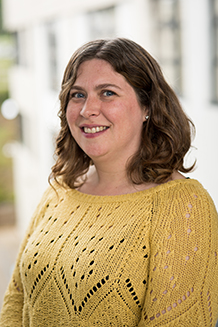
Gerli Silm serves as a Lecturer in Educational Research at the University of Tartu's Faculty of Social Sciences, Institute of Education, a position she has held since February 2023. Previously, she worked as a Specialist of Educational Science and Junior Research Fellow at the same institution since 2015, demonstrating a steady progression in her academic career. Her educational background includes a Doctor's Degree in Educational Research (2022) from the University of Tartu with dissertation titled "Test-Taking Motivation in Low-Stakes and High-Stakes Testing Contexts," supervised by Margus Pedaste, Karin Täht, and Olev Must. She earned her Master's Degree in Psychology cum laude (2015) and Bachelor's Degree in Psychology (2012), both from the University of Tartu. Dr. Silm's research primarily focuses on educational psychology, particularly test-taking motivation across different assessment contexts, inclusive education practices, and the effectiveness of digital learning materials. Her work bridges psychological theory with practical educational applications, examining how motivation affects test performance and how educational technologies can enhance learning outcomes. She has made significant contributions to understanding how students approach assessments in both low-stakes and high-stakes environments. Her publication portfolio reveals a consistent research trajectory centered on assessment methodologies, with numerous articles analyzing the relationship between test-taking effort and performance, meta-analytic reviews of measurement approaches, and investigations into inclusive education effectiveness. Her recent work shows increasing focus on digital learning environments and their impact on educational outcomes, particularly through projects like DigiEfekt. Dr. Silm is actively involved in multiple research projects funded by the Estonian Ministry of Education and Research, the Education and Youth Board, and the European Commission. Her current research focuses on evidence-based curriculum development, educational analytics, and the effectiveness of inclusive education in Estonian general education settings. She has participated in significant research initiatives including the DigiEfekt project examining digital learning materials' impact, the WATCHME project on workplace-based e-assessment technology, and various studies on inclusive education effectiveness. Her collaborative work spans multiple disciplines within educational research, consistently contributing to both theoretical understanding and practical applications in educational settings.