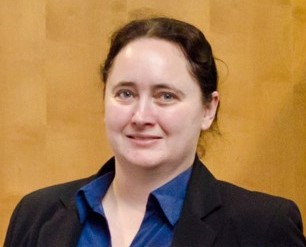
Professor Rachel Gibson is a Professor and Head of School in the Allied Health Administration at the University of Adelaide. Her work focuses on gastrointestinal toxicity, chemotherapy-induced adverse effects, and microbiome interactions with diet and health. She leads research in mucositis management, drug delivery systems, and nutritional pathways in oncology care. Her research interests include the gut microbiome's role in chemotherapy toxicity, mechanisms of gastrointestinal damage, and translational applications of intestine-on-chip models. She has contributed to international clinical guidelines on mucositis assessment and palliative care innovations during the pandemic. Publications span 2016-2025, emphasizing chemotherapy-induced diarrhea, microbiome-drug interactions, and dietary interventions. She has pioneered digital health solutions for nutrition support and explored genetic predictors of adverse drug reactions. Current efforts address pain management in pediatric cerebral palsy and optimizing supportive cancer care pathways. Grants and collaborations involve multidisciplinary teams in oncology, bioengineering, and public health. She advises on translational research bridging basic science to clinical practice, with a focus on improving patient outcomes through personalized interventions.
Dr. Edmund Chung is a Clinical Senior Lecturer at Sydney Medical School, University of Sydney, affiliated with the Children's Hospital at Westmead and the Faculty of Medicine and Health. He works as a staff specialist nephrologist at Royal North Shore Hospital and conducts postdoctoral research at the Centre for Kidney Research at The Children's Hospital at Westmead. His primary clinical and research focus is on autoimmune kidney diseases, particularly membranous nephropathy and chronic kidney disease. Dr. Chung's educational background includes: Bachelor of Medicine (BMed) Doctor of Medicine (MD) Master of Medicine in Clinical Epidemiology (MMed (Clin Epi)) - completed in 2015 Doctor of Philosophy (PhD) - completed in 2025, supported by the NHMRC Postgraduate Research Scholarship Fellow of the Royal Australasian College of Physicians (FRACP) Dr. Chung's research focuses on glomerulonephritis, chronic kidney disease, and translational research , with particular emphasis on immunological mechanisms and novel therapies. His work bridges basic science and clinical practice, exploring cellular and molecular approaches to understand and treat autoimmune kidney diseases. His laboratory investigates autoreactive T-cells and B-cells in membranous nephropathy while developing innovative treatments like CAR T-cell therapies. Dr. Chung's research program is driven by patient perspectives, as evidenced by his qualitative studies on living with membranous nephropathy, ensuring his scientific inquiries address real clinical needs and patient experiences. Dr. Chung's recent publications demonstrate a strong focus on immunological mechanisms in kidney disease, particularly membranous nephropathy. His work spans basic science investigations using animal models, clinical studies of patient cohorts, and systematic reviews that inform international guidelines. A notable trend is his exploration of cellular therapies, especially CAR T-cell approaches, for treating autoimmune kidney diseases. His research also encompasses epidemiological studies of kidney diseases in Australian populations and the development of predictive models for disease recurrence after transplantation. The interdisciplinary nature of his work is evident in collaborations spanning nephrology, immunology, oncology, and transplantation medicine. Dr. Chung has received several prestigious awards and honors: Asian Pacific Society of Nephrology/Japanese Society of Nephrology Joint Symposium Invited Talk (2024) for "Membranous nephropathy: clearer immunopathogenesis and therapeutic implications" NHMRC Postgraduate Research Scholarship (2022) for research on "Treatments to expand regulatory T cells +/- deplete autoantibody production in membranous nephropathy" American Journal of Kidney Diseases Editor's Choice Award (2022) for "Incidence and outcomes of COVID-19 in people with CKD: a systematic review and meta-analysis" Dr. Chung serves as the Knowledge Translation and Dissemination Editor for the Cochrane Kidney and Transplant Group, where he creates educational content including webinars and podcasts with the International Society of Nephrology. He is actively involved in clinical trial networks through his position on the Australasian Kidney Trial Network Glomerulonephritis Working Group, supporting investigator-initiated trials in glomerulonephritis. Additionally, he contributes to the ClinGen Glomerulopathy Working Group as a Biocurator, working to understand the genetic basis of glomerulonephritis. His research is supported by collaborations across multiple institutions and his leadership in establishing the Australian glomerulonephritis cohort (PEACH) to facilitate patient-focused research in membranous nephropathy. Dr. Chung leads research at the Centre for Kidney Research at The Children's Hospital at Westmead, where his team investigates autoreactive T-cells and B-cells in patients with membranous nephropathy. He has established the PEACH cohort (Patient Experience in Autoimmune Chronic Kidney Disease) to study membranous nephropathy, the most common form of nephrotic syndrome in adults. His laboratory work focuses on developing novel CAR T-cell therapies for autoimmune kidney diseases. Dr. Chung collaborates with immunologists, basic scientists, and clinicians across multiple institutions to advance understanding and treatment of glomerulonephritis.
Professor John Quiggin is a prominent Professor of Economics at the University of Queensland's School of Economics within the Faculty of Business, Economics and Law. He holds the position of Professorial Research Fellow and is affiliated with the Centre for Behavioural and Economic Science. With over 1500 publications including six books and more than 200 refereed journal articles, Quiggin is recognized both as a leading research economist and a significant commentator on Australian economic policy. His research spans multiple fields including decision theory, environmental economics, production economics, and economic growth theory. Quiggin's work has particularly focused on climate change economics, micro-economic reform, privatisation, employment policy, and management of the Murray-Darling river system. His influential books include Zombie Economics: How Dead Ideas Still Walk Among Us (translated into eight languages with over 20,000 copies sold) and Economics in Two Lessons: Why Markets Work so Well and Why They Can Fail So Badly (2019). Analysis of his recent publications reveals a strong focus on contemporary economic challenges including climate policy, income support systems, market dynamics, and critiques of neoliberal economic frameworks. His work demonstrates consistent engagement with both theoretical economic questions and practical policy applications, with increasing attention to climate change economics and alternative economic frameworks in recent years. Fellow of the Econometric Society Fellow of the Academy of the Social Sciences in Australia Distinguished Fellowship of the Economics Society of Australia Distinguished Fellowship of the American Agricultural Economics Society Distinguished Alumni awards from University of New England and Australian National University President of the Australian Agricultural and Resource Economics Society Professor Quiggin has supervised numerous PhD students across topics including energy transition, vehicle efficiency, trade models, and climate change impacts. His research has been supported by multiple Australian Research Council grants spanning economic complexity, black swan events, climate adaptation, and sustainable reform of water systems. He has served on the Boards of the Queensland Competition Authority and Climate Change Authority, demonstrating significant policy engagement. Quiggin maintains active public engagement through his influential economics blog, contributions to major international publications, and participation in the Crooked Timber group blog.
Rosdara Masayuni is a Senior Lecturer (Practice) at the Jeffrey Cheah School of Medicine and Health Sciences, Monash University, Malaysia. Her work contributes to emergency medicine, simulation-based education, and prehospital care, aligning with UN Sustainable Development Goals in health and well-being. Research Interests: Her expertise spans Emergency Medicine , Simulation-Based Education , Simulation in Assessment , and Prehospital Care . She also focuses on measuring cultural competence in medical education, particularly in the Malaysian context. Her research integrates clinical practice with pedagogical innovation. The recent publications reflect a dual focus: one on infectious disease outcomes and antibiotic use, and the other on educational methodologies and cultural competence. The articles span clinical medicine and medical education, showing a blend of emergency clinical research and academic teaching innovation. Scientific Awards: 3rd place, National Simulation Intervarsity Battle of Skills Competition (2022) 3rd place Poster, Monash Malaysia Medical Education Conference (2023) 3rd place Poster, IAMS 2nd World Congress (2023) Champion and 2nd Runner-up, Malaysia Intervarsity Clinical Emergency Quiz Competition (2019) Champion, National Undergraduate Competition at Intervarsity Battle of Skills (2023) Other distinction (Prize) Advising and Grants: While specific student advising is not listed, she actively contributes to medical education through curriculum development and simulation training. She is a Chief Investigator on an active research project: Asia-Pacific resilient hospitals and health facilities initiative (2024–2025), indicating leadership in regional health system resilience. Labs, Teams, and Collaborations: Rosdara is involved in multiple academic networks, including the Secretariat for the Emergency Medicine Case Summit (EMeCS), and serves as a provider and instructor for Basic Life Support (BLS) and Advanced Cardiac Life Support (ACLS). She organizes educational workshops and conferences, such as the Pre-Conference Workshop on 'Debriefing for the Novice' and the EMAS-SUCCES-EMS SEA Tripartite Symposium, highlighting her role in building clinical education capacity.
Jodie Ingles is an Associate Professor and Conjoint Senior Lecturer at the School of Medical Sciences within the Faculty of Medicine and Health at the University of Sydney. Her research focuses on genetic aspects of cardiovascular diseases, with expertise in hypertrophic cardiomyopathy, sudden cardiac death in young individuals, and the psychosocial implications of genetic heart conditions. She maintains an active clinical research program with strong collaborations across multiple institutions. Dr. Ingles' research spans genetic testing methodologies, risk stratification in inherited cardiac conditions, and the psychological impact of genetic diagnoses on families. Her work demonstrates a unique integration of cardiology, genetics, and psychological sciences, focusing particularly on hypertrophic cardiomyopathy, sudden cardiac death in the young, and genetic counseling approaches. She has made significant contributions to understanding the genetic architecture of cardiomyopathies and developing clinical guidelines for genetic testing. Analysis of her recent publications reveals a strong emphasis on multidisciplinary approaches to inherited cardiac conditions, with increasing focus on psychosocial aspects, implementation science, and digital health interventions. Her work shows consistent progression from basic genetic mechanisms toward clinical implementation and patient-centered outcomes, with particular attention to family screening protocols and communication strategies for delivering genetic information. Dr. Ingles has been actively involved in numerous collaborative research projects including the Australian Genetic Heart Disease Registry and has contributed to international consensus statements on genetic testing in inherited cardiac conditions. Her research often involves large international collaborations, particularly in developing risk prediction models for sudden cardiac death in young patients with genetic heart conditions. Her laboratory and research team work within a specialized multidisciplinary clinic setting, collaborating with cardiologists, genetic counselors, psychologists, and basic scientists to advance understanding and management of inherited cardiac conditions. Current projects include investigating sex differences in hypertrophic cardiomyopathy, developing community support systems for families after sudden cardiac death, and implementing polygenic risk scores in clinical practice.
Associate Professor Lois Balmer is an academic at Edith Cowan University (ECU) in the School of Medical and Health Sciences, with affiliations to the Centre for Precision Health. She holds dual roles as a researcher and educator, specializing in diabetes genetics, glycobiology, and medical education. Her teaching focuses on biomedical science and genetics at both undergraduate and postgraduate levels, including coordinating units like SCH2141 Advanced Biomedical Techniques and SCH6234 Molecular Biology and Genomics. Balmer’s research explores genetic underpinnings of Type 1/2 Diabetes complications, glycomics, and suboptimal health status, with over 12 PhD students supervised to date. Education: PhD in Medical Science (University of Western Australia, 2005). Research Interests: Balmer’s work bridges clinical and basic science, focusing on diabetes pathogenesis, biomarker discovery (e.g., IgG N-glycosylation profiling), and translational studies in chronic disease. Recent projects investigate S-methyl cysteine sulfoxide’s role in cardiometabolic health and ellagic acid’s potential in non-alcoholic steatohepatitis (NASH). Awards: Notable recognitions include the 2023 Athena Swan Award for STEMM advancement, 2021 SDR Scientific Education Award, and multiple teaching excellence nominations. Her work has been funded by grants totaling over AU$2 million, including NH&MRC Program Grants and ECU Early Career Research schemes. Grants & Projects: Recent funding includes a WA Near-Miss Award (2024-2025) for cardiometabolic health studies and a $39,511 grant examining S-methyl cysteine sulfoxide’s health effects. She has led projects on beta cell mass genetics and collaborated on diabetes susceptibility mapping in domestic cats. Labs & Teams: Affiliated with ECU’s Harry Perkins Institute of Medical Research and the Nathan Centre for Rare Disease as a Research Advisor. Active in editorial roles for Gene Protein and Disease and Frontiers in Endocrinology .
Dr. Caitlin Cowan is an NHMRC Investigator fellow and Scientia Senior Lecturer in the School of Psychology at the University of New South Wales. Her research focuses on the developing gut microbiome and its contribution to mental health risk and resilience through the gut-brain axis. Dr. Cowan completed her PhD in Behavioural Neuroscience and Masters of Clinical Psychology at UNSW. She subsequently undertook a prestigious Marie Curie postdoctoral fellowship at the APC Microbiome Ireland (University College Cork), establishing her expertise at the intersection of neuroscience and microbiome research. Dr. Cowan's research program examines how the gut microbiome influences mental health development, particularly in childhood. Her work bridges behavioral neuroscience and clinical psychology, employing both preclinical animal models and translational human studies. Her expertise spans gut-brain axis mechanisms, early-life microbiome development, anxiety and depression pathways, and potential microbiome-based interventions for mental health conditions. Her research has significant implications for understanding mental health risk and resilience factors during critical developmental windows. Analysis of Dr. Cowan's recent publications reveals a strong focus on the microbiome-gut-brain axis with particular emphasis on anxiety disorders, depression, and developmental mental health. Her work spans basic science investigating microbial mechanisms through to clinical applications and dietary interventions. A notable trend is her increasing focus on methodological rigor in microbiome research and the development of standardized protocols for animal studies. 2023-24 Superstars of STEM (Science & Technology Australia) 2022 Young Tall Poppy (Australian Institute of Policy and Science) 2021 APS Rising Star (Association for Psychological Science) 2021 Research Excellence and Impact Recognition Award (Brain & Mind Centre) 2020 Education & Public Engagement Person of the Year (APC Microbiome Ireland) Dr. Cowan currently leads an NHMRC Investigator Grant (2021-2025) titled 'The developing microbiome as a predictor and modulator of mental health risk & resilience: A translational gut-brain axis approach to improving childhood mental health.' Previously, she held a Marie Sklodowska-Curie Actions Individual Fellowship (2018-2020) for her project 'GutMIND: Gut microbiota-Microglia Interactions in NeuroDevelopment.' Her research program has attracted significant funding that supports her translational approach to understanding how early-life microbiome development influences mental health trajectories. Dr. Cowan's work is conducted within interdisciplinary research networks connecting UNSW with international collaborators, particularly through her previous fellowship at APC Microbiome Ireland. Her research bridges psychology, neuroscience, microbiology, and clinical practice, positioning her at the forefront of the emerging field of nutritional psychiatry and microbiome-based mental health interventions.
Joel M. Palefsky, MD is a Professor of Medicine and Infectious Diseases at the University of California San Francisco School of Medicine. He serves as Director of the Anal Neoplasia Clinic, Research and Education (ANCRE) Center, the world's first clinic devoted to anal cancer prevention. Dr. Palefsky holds leadership positions as Vice Chair of the AIDS Malignancy Consortium and Chair of the Anal Cancer/HSIL Outcomes Research (ANCHOR) Study. He is internationally recognized for his expertise on human papillomavirus (HPV) infections, particularly in the context of HIV co-infection. McGill University Faculty of Medicine, MD, CM (1980) Stanford University Medical Center, Infectious Diseases Fellowship (1989) McGill University Faculty of Medicine, Residency in Medicine (1985) Dr. Palefsky's research focuses on the molecular biology, treatment, pathogenesis and natural history of anogenital HPV infections, particularly in HIV-positive individuals. His work spans HPV virology, anal cancer prevention, microbiome interactions with HPV, and HPV vaccine development. He has made significant contributions to understanding HPV-related cancers in immunocompromised populations and has led numerous clinical trials examining screening and prevention strategies for anal neoplasia. Analysis of Dr. Palefsky's recent publications reveals a strong focus on HPV-related cancers, particularly anal cancer in HIV-positive populations. His work spans basic virology, epidemiology, clinical trials, and implementation science. Key themes include HPV vaccine development and efficacy, anal cancer screening guidelines, the role of microbiome in cancer development, and health equity considerations in HPV-related cancer prevention. His research increasingly incorporates global health perspectives with studies in Africa and Latin America. Dr. Palefsky has held numerous leadership positions in professional societies, including founder and past president of the International Anal Neoplasia Society and past president of the International Papillomavirus Society. He is the founder and chairperson of the IPVS International HPV Awareness Campaign. His work has been supported by substantial NIH funding for decades, reflecting the significance of his contributions to the field. As Principal Investigator, Dr. Palefsky has secured numerous NIH grants totaling millions of dollars, including the California-Mexico-Puerto Rico Partnership (CAMPO) Center for Prevention of HPV-related Cancer in HIV+ Populations (U54CA242646), New therapeutic HPV vaccines for HIV infected men and women (R01CA217715), and The Microbiome and Anal Cancer Pathogenesis in HIV-infected Men who have Sex with Men (R03CA203589). His ANCHOR study demonstrated for the first time that treatment of anal precancerous lesions prevents anal cancer development. Dr. Palefsky directs the Anal Neoplasia Clinic, Research and Education (ANCRE) Center at UCSF, the world's first clinic devoted to anal cancer prevention. He leads the ANCHOR study team and collaborates with international research teams across Africa, India, and Latin America. His work bridges basic science, clinical care, and public health implementation to address HPV-related cancers globally, with particular focus on vulnerable populations including people living with HIV.
Ian Baldwin is an Adjunct Professor at Deakin University's School of Nursing & Midwifery within the Faculty of Health. His research focuses on clinical sciences, nursing, biomedical engineering, and health services systems with a strong emphasis on renal replacement therapy (RRT), hemoadsorption, and critical care medicine. He has contributed significantly to understanding drug removal during hemoadsorption, optimizing CRRT protocols, and advancing clinical practices in intensive care settings. Baldwin's work also explores anticoagulation strategies, blood volume monitoring, and comparative studies of CRRT membranes. His research integrates clinical practice with engineering solutions, addressing challenges in critical care such as toxin management, infection control, and hemodynamic stability. Recent studies include consensus reports on hemoadsorption standards and experimental evaluations of antibiotic removal efficacy. Baldwin collaborates internationally, evidenced by multi-authored publications in journals like Blood Purification and Clinical Journal of the American Society of Nephrology . His work highlights innovations in green healthcare initiatives, including digital documentation for CRRT, and nursing considerations for therapeutic plasma exchange. Baldwin’s research bridges clinical, engineering, and basic science domains to improve outcomes for critically ill patients requiring advanced renal and metabolic support.
Professor Irina Voineagu is an Associate Professor at the University of New South Wales (UNSW) within the School of Biotechnology and Biomolecular Sciences. Her research focuses on molecular genetic mechanisms underlying neurodevelopmental disorders using functional genomic approaches in human brain tissue and neuronal models. She leads the Functional Neurogenomics Group and maintains an active research program with consistent high-impact publications. Her research interests center on molecular genetics of brain disorders , particularly autism spectrum disorders and intellectual disability. Through transcriptome analysis, she investigates convergent molecular pathways, circular RNA biology, and genomic instability mechanisms. Her work bridges basic molecular biology with clinical neuroscience, identifying shared pathological mechanisms across neurodevelopmental conditions using post-mortem brain tissue and iPSC-derived neuronal models. Analysis of her 15 most recent publications reveals strong emphasis on transcriptomic regulation in neurodevelopment , with particular focus on circular RNAs, single-cell resolution mapping, and cross-species evolutionary comparisons. Her work consistently identifies convergent molecular pathways across diverse neurodevelopmental conditions, demonstrating how different genetic lesions lead to common pathological endpoints. Australian Academy of Science Gani Medal (2018) UNSW Scientia Fellowship (2017) Lorne Genome Women in Science Award (2017) Biological Psychiatry Australia Aubrey Lewis Award (2015) ARC Development Early Career Award (2013) Simons Foundation top 10 autism papers (2015) NARSAD Young Investigator Award (2012) Autism Speaks top 10 papers (2011) Professor Voineagu's research program is supported by major competitive grants including ARC and NHMRC funding. Her laboratory employs cutting-edge genomic technologies to dissect gene regulatory networks in the developing brain. The Functional Neurogenomics Group maintains collaborations with international consortia studying autism genetics and brain development. The Voineagu Lab operates within UNSW's neuroscience research ecosystem, utilizing advanced genomic facilities and collaborating with clinical researchers to translate molecular findings into potential therapeutic targets for neurodevelopmental disorders. Her team combines computational biology with experimental validation to characterize disease mechanisms at unprecedented resolution.
Clinical Associate Professor Robert Bower is affiliated with The University of Western Australia's Dental School. He holds qualifications including BDSc(Hons), MDSc from Western Australia, and honors such as RFD and FADI. His expertise spans dental implantology, edentulous rehabilitation, and periodontal treatments. Notable research includes long-term outcomes of titanium implants and management of osteonecrosis associated with denosumab. Awards include Honorary Life Memberships in the Australian Society of Periodontology and Cambodian Dental Association, plus a Reserve Force Decoration. Education: BDSc(Hons) MDSc from University of Western Australia, specialized training in dental implantology and periodontology. Research focuses on clinical applications of dental implants, prosthodontic solutions for edentulism, and periodontal health maintenance. His work emphasizes long-term patient outcomes, with studies extending over decades. Key contributions include case reports on Class III malocclusion correction and histological analyses of implant-supported bridgework. Awards reflect recognition for both clinical excellence and military service. His publications bridge basic science and clinical practice, addressing contemporary challenges in implant dentistry and pharmacological complications.
Dr. Jennifer Mays is an Associate Professor at the School of Public Health & Social Work, Queensland University of Technology (QUT), within the Faculty of Health. She holds academic leadership roles, including Academic Lead of Education for her school, and coordinates the postgraduate social work masters unit in community and policy practice. Her expertise spans disability social policy, basic income, social justice, and feminist studies, with a focus on qualitative research and international perspectives. Dr. Mays' educational background includes a PhD and Master of Arts from QUT. Her research emphasizes enhancing the well-being and citizenship of people with disabilities, particularly women, through policy analysis and discourse studies. She has contributed to publications such as Basic Income in Australia and New Zealand: Perspectives from the Neoliberal Frontier and co-edited Implementing a Basic Income in Australia: Pathways Forward . Her awards include the QUT Disability Support Award (2009) and Vice-Chancellor’s Teaching Award (2006). She actively engages in consultancies and international collaborations, including projects in Indonesia, Tanzania, and the Philippines to promote disability-inclusive development. Dr. Mays also leads the Basic Income Guarantee Australia (BIGA) initiative, fostering discourse on social policy and basic income.
Professor David Harris is a distinguished nephrologist and Professor of Medicine at the University of Sydney's Sydney Medical School. He serves as Director of Nephrology and Dialysis at the Western Sydney Renal Service and Director of the Renal Failure Laboratory at The Westmead Institute for Medical Research. Internationally recognized for his expertise, Professor Harris is President-elect of the International Society of Nephrology and former President of the Asian Pacific Society of Nephrology, contributing significantly to global nephrology governance and practice. Professor Harris's research focuses on the prevention and management of chronic kidney disease (CKD) across its spectrum, with particular emphasis on understanding disease progression mechanisms and developing novel therapeutic approaches. His laboratory investigates renal cell hypermetabolism, proteinuria, oxidative stress, inflammation, and fibrosis in CKD progression. He has pioneered research on tubular interstitial disease and developed innovative approaches using regulatory immune cells, DNA vaccination, and cellular therapies to slow CKD progression. His work bridges basic science with clinical application through numerous investigator- and industry-initiated trials. Analysis of Professor Harris's recent publications reveals a consistent focus on global kidney health challenges, innovative treatments for kidney disease, and clinical trial methodology. His work spans basic immunological mechanisms of kidney disease, clinical management of polycystic kidney disease, dialysis practices worldwide, and health policy frameworks for kidney care in resource-limited settings. A notable trend is his leadership in international collaborative research addressing healthcare disparities and developing standardized approaches to kidney disease management across diverse healthcare systems. Kincaid-Smith Medal (2012) from Kidney Health Australia for outstanding clinical and scientific achievement SMS Distinguished Professorial Award (2016) Leadership roles in International Society of Nephrology and Asian Pacific Society of Nephrology Professor Harris has supervised numerous students and researchers, with Jianwei CHEN currently investigating regulatory immune cells in kidney disease. His research has been supported by extensive grant funding enabling large-scale clinical trials like the landmark IDEAL trial and international collaborative projects through organizations like the International Society of Nephrology. He has contributed significantly to Australian and international nephrology guidelines including CARI and KDIGO. Professor Harris directs the Renal Failure Laboratory at The Westmead Institute for Medical Research, where his team investigates the pathophysiology of CKD progression and novel therapeutic approaches. His research group combines clinical expertise with laboratory investigation, focusing on cellular and molecular mechanisms of kidney disease. The laboratory's work on regulatory immune cells, DNA vaccination, and fibrosis mechanisms has generated important translational insights with potential clinical applications.
Dr. Johannes Friedl is an Adjunct Senior Lecturer at Queensland University of Technology (QUT), affiliated with the Faculty of Science and School of Biology & Environmental Science. He holds a PhD from QUT and a Master of Science in Agricultural Engineering from the University of Vienna. His research focuses on nitrogen and carbon cycling in soil-plant-atmosphere systems, biogeochemical processes in agro-ecosystems, and greenhouse gas emissions. Dr. Friedl leads the NITROUSSOURCE project, funded by the Austrian Science Fund (FWF), investigating nitrous oxide dynamics in agricultural soils. He develops advanced monitoring methods to trace nutrient losses and mitigate environmental impacts while maintaining productivity. His work bridges basic science and applied solutions for sustainable land management in a changing climate. Key research areas include denitrification processes, nitrogen turnover, and stable isotope applications. He collaborates internationally and has published extensively on topics like N2O emissions from pastures and sugarcane systems, nitrification inhibitors, and automated soil gas measurement techniques. Dr. Friedl’s expertise spans soil biogeochemistry, climate mitigation strategies, and sustainable agricultural practices. He supervises research on soil carbon retention in tropical and semi-arid grasslands. His grants include the ESPRIT fellowship supporting his project on agricultural soil emissions. He is part of the Institute of Soil Research at the University of Natural Resources and Life Sciences, Vienna, furthering interdisciplinary environmental science initiatives.
Honorary Professor Anders Cervin holds the Garnett Passe and Rodney Williams Foundation Chair in Otolaryngology at the University of Queensland, where he is affiliated with the UQ Centre for Clinical Research within the Faculty of Health, Medicine and Behavioural Sciences. With over 50 peer-reviewed publications and numerous book chapters, Professor Cervin has established himself as a leading expert in sino-nasal disorders and upper airway research. Professor Cervin's research interests focus on chronic sinusitis , otitis media , and the alternative treatment with probiotics . His work explores mucociliary function in the upper airways, the role of Nitric Oxide in chronic sinusitis, the use of macrolide antibiotics as immune modulators, and health economic perspectives on sino-nasal disease. Recent research has addressed the role of probiotics in airway infection and inflammation, with a particular focus on identifying beneficial bacteria that can interfere with pathogenic bacteria common in chronic sinusitis and recurrent ear disease. Analysis of Professor Cervin's recent publications (2021-2025) reveals a strong focus on microbiome research (particularly probiotics like Lactobacillus), chronic rhinosinusitis , and otitis media . His work spans basic science (in vitro studies of bacterial interactions), clinical trials (probiotic interventions), and epidemiological studies (microbiota across seasons and populations). Notably, his research has increasingly focused on Indigenous health, examining the upper respiratory tract microbiome of Aboriginal and Torres Strait Islander children. Professor Cervin is actively involved in mentoring the next generation of researchers. He currently supervises a Master's student working on "Testing a sinonasal microbiome transplant as a therapy for Chronic Rhinosinusitis by randomised controlled trial" and previously supervised a PhD student who researched "The microbiome of otitis media and development of a probiotic to prevent otitis media in Indigenous Australian children." His research is supported by significant funding, including an NHMRC MRFF grant (2021-2026) for testing sinonasal microbiome transplants and the Garnett Passe and Rodney Williams Memorial Foundation Chair (2017-2027). Professor Cervin's research group focuses on developing novel treatments for chronic upper airway infections that could reduce antibiotic use and combat antibiotic resistance. Their work on identifying "friendly bacteria" that maintain health rather than targeting disease-causing pathogens represents a paradigm shift in treating upper airway infections.