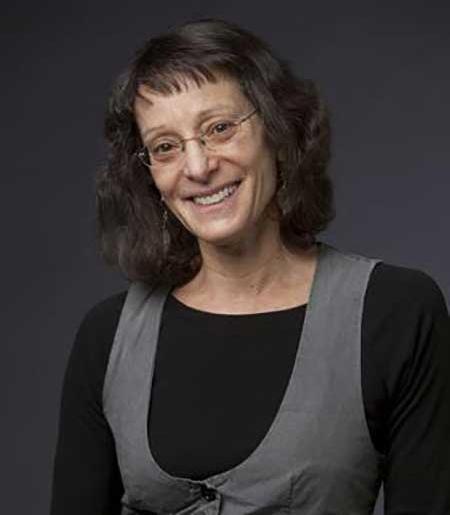
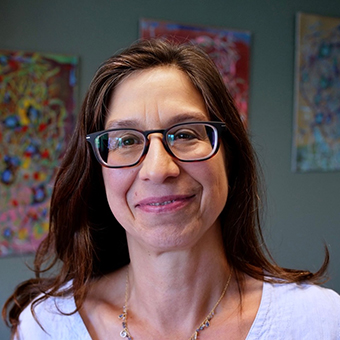
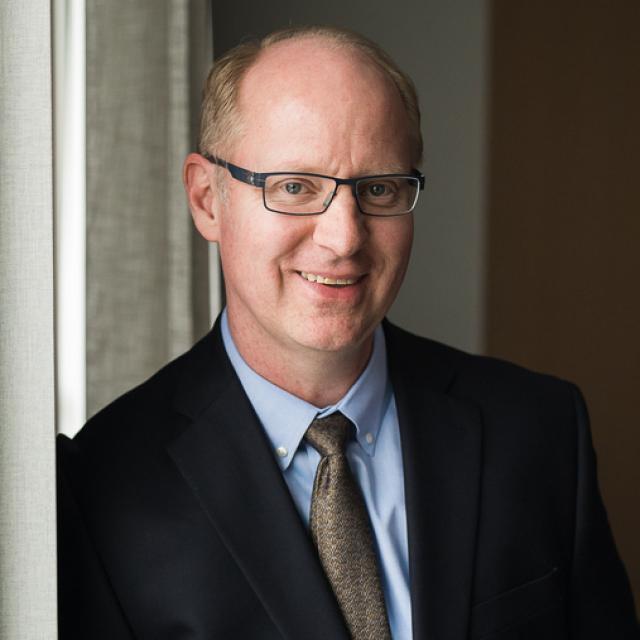
Insa Feinkohl is a Professor at the Chair of Medical Biometry and Epidemiology within the Faculty of Health at the University of Witten/Herdecke . Her research focuses on risk factors for cognitive dysfunction and mental health in older adults, particularly post-surgery, with emphasis on metabolic and cognitive risk factors. Bachelor of Science (BSc) in Psychology (1 st class honors) – University of Dundee (2006-2009) Master of Science (MSc) in Psychology of Individual Differences (with distinction) – University of Edinburgh (2009-2010) PhD in Community Health Sciences – University of Edinburgh (2010-2014) Post Doc in Knowledge Construction Group – Leibniz Institute for Knowledge Media, Tübingen (2014-2015) Postdoc in Molecular Epidemiology Group – Max Delbrück Center, Berlin (2015-2022) Habilitation in Molecular Epidemiology – Charité Universitätsmedizin Berlin (2021) Her research integrates medical biometry and epidemiology to study postoperative cognitive dysfunction (POCD), delirium, and aging-related cognitive decline. Key areas include biomarker validation (e.g., leptin, interleukins), brain connectivity (dopaminergic networks, thalamus), and metabolic risk factors (diabetes, obesity). She contributed to the BioCog project , an EU-funded initiative for personalized risk prediction of postoperative cognitive impairment. Her recent publications highlight trends in perioperative neuroscience, including brain mineralization, cytokine associations with neurocognitive disorders, and structural/functional imaging in delirium. Articles also explore metabolic syndrome, cognitive reserve, and delirium prediction models using machine learning. Insa Feinkohl is affiliated with major academic societies, including the German Society for Epidemiology , German Society for Medical Informatics, Biometry and Epidemiology , and the German University Association .
Edmund Hollis is an Assistant Professor of Neuroscience at the Brain and Mind Research Institute within Weill Cornell Medical College . He has been affiliated with the institution since 2016 and leads a research lab focused on neural circuit remodeling and recovery after spinal cord injury. Education: Ph.D. in Neurosciences, University of California, San Diego, School of Medicine (2008) B.S., University of Southern California (2002) Research Interests: Hollis's lab investigates the neural mechanisms underlying movement and recovery from spinal cord injury. Using genetic, molecular, and behavioral tools, along with optogenetics and optical imaging, the lab explores how neural circuits respond to injury and how they can be therapeutically enhanced. Key areas include cortical plasticity, axon regeneration, astrocyte responses, and neuromodulation of motor circuits. Scientific Contributions: His recent publications demonstrate a strong focus on corticospinal tract function, spinal interneuron modulation, and the use of advanced behavioral assays like the Kinematic Deviation Index (KDI) to assess motor recovery in rodent models. His work spans from molecular signaling pathways (e.g., RANKL, Wnt, IGF-I) to large-scale circuit remodeling and rehabilitation strategies. Collaborations & External Roles: Hollis has professional affiliations with Texas A&M University and the National Institutes of Health, and has served as a speaker and consultant for various academic and governmental organizations.
Barbara Strupp is a Professor in the Department of Psychology at Cornell University, with joint affiliations to the College of Arts and Sciences and College of Human Ecology. Her research examines neurodevelopmental trajectories using rodent models and human clinical studies, focusing on nutritional interventions and environmental neurotoxins. She maintains active collaborations with Rush University Medical Center, NYU, UC Santa Cruz, and University of Illinois researchers. Her primary investigations evaluate how maternal choline supplementation during pregnancy influences cognitive development in Down syndrome models and neurotypical populations, revealing lasting improvements in attention, spatial memory, and emotional regulation. Parallel research analyzes developmental manganese exposure's neurotoxic effects on attention and motor function, demonstrating therapeutic efficacy of methylphenidate through catecholaminergic receptor modulation. Studies integrate behavioral phenotyping with neural mechanism analyses across lifespan development. Recent publication trends (2019-2025) highlight longitudinal human trials confirming choline's cognitive benefits in school-aged children, mechanistic rodent studies elucidating choline's neuroprotective pathways in Down syndrome models, and neuropharmacological interventions counteracting manganese-induced deficits. Research consistently bridges nutritional science, neurotoxicology, and developmental disorder therapeutics.
Zhuhao Wu serves as Assistant Professor of Neuroscience at the Brain and Mind Research Institute, Weill Cornell Medical College since 2022. His research integrates neurovascular biology, neural circuit mapping, and neurodegenerative mechanisms to understand brain organization and disease processes. Education: Ph.D. in Neuroscience, The Johns Hopkins University School of Medicine (2011) B.S. in Biological Sciences, Tsinghua University, China (2003) Research Focus: Dr. Wu pioneers multi-scale investigations of neurovascular coupling , brain-wide circuit organization , and neurodegenerative pathways . His lab employs whole-brain imaging , single-cell transcriptomics , and genetic engineering in murine models to dissect mechanisms of stroke recovery, tau pathology, and developmental disorders. Current work emphasizes regional blood-brain barrier heterogeneity and axon degeneration pathways with therapeutic implications. Publication Trends: Recent work (2023-2025) reveals three convergent themes: (1) neurovascular dynamics in health/disease, (2) high-resolution brain atlasing techniques, and (3) molecular mechanisms of neurodegeneration. Publications in Cell , Nature , and Neuron demonstrate methodological innovation in circuit mapping and translational relevance to stroke, Alzheimer's, and autism spectrum disorders. Grant Portfolio: Principal Investigator Subaward: NINDS R01 Investigating Neurobiology of Early Cognitive Impairment (2024-2029) Principal Investigator Subaward: NINDS R01 Mechanisms of anosmia in COVID-19 (2023-2028) Principal Investigator Subaward: NINDS BRAIN CONNECTS Center for Large-scale Imaging (2023-2028) Principal Investigator Subaward: NINDS Global mapping of DDX3X mutation circuits (2023-2028) Principal Investigator Subaward: NIAID single-cell encephalitis pathogenesis (2023-2026) Dr. Wu leads a multidisciplinary team within the Brain and Mind Research Institute focused on developing HOLiS (whole-brain staining/clearing pipeline) and TrailMap for neural circuit analysis. His lab collaborates extensively on NIH BRAIN Initiative projects advancing large-scale connectome mapping.
Gina Turrigiano is the Joseph Levitan Professor of Vision Science in the Department of Biology at Brandeis University. She is also affiliated with the Benjamin and Mae Volen National Center for Complex Systems and the Neuroscience Program. Her research focuses on understanding how neural circuits maintain stability while remaining adaptable through homeostatic plasticity mechanisms. Dr. Turrigiano earned her B.A. from Reed College and her Ph.D. from the University of California, San Diego. Her educational background provided the foundation for her pioneering work in neuroscience. Her research centers on homeostatic plasticity mechanisms that allow brain circuits to self-tune during learning and development. The Turrigiano lab studies how neurons adjust their excitability to maintain constant firing rates despite external perturbations. A major discovery from her lab was synaptic scaling, a fundamental homeostatic mechanism. More recently, her work has explored how homeostatic mechanisms interact with classical forms of synaptic plasticity like LTP/LTD, and how sleep and behavioral states gate these plasticity processes. Her research has significant implications for understanding neurological disorders like autism, where homeostatic mechanisms may be disrupted. Analysis of Dr. Turrigiano's recent publications reveals a continued focus on the molecular and circuit mechanisms of homeostatic plasticity. Her work spans multiple levels of analysis from cellular/molecular to systems neuroscience, with particular emphasis on visual cortex as a model system. Recent publications explore the role of Shank3 in autism-related circuit dysfunction, the relationship between sleep and homeostatic regulation, and the distinct contributions of synaptic versus intrinsic homeostatic mechanisms to circuit stability. MacArthur foundation 'genius' award McKnight Foundation Technological Innovation and Neurobiology of Disease awards NIH director's pioneer award HFSP Nakasone Award Member of the National Academy of Sciences American Academy of Arts and Sciences fellow AAAS Fellow Landis Award for Outstanding Mentorship Dr. Turrigiano has received substantial research funding including NIH Director's Pioneer Award, NINDS R35 MERIT Award, and multiple McKnight Foundation awards. She has served as President of the Society for Neuroscience and is a member of numerous scientific editorial and advisory boards. Her mentorship has been recognized with the Landis Award for Outstanding Mentorship from NINDS. The Turrigiano lab has trained numerous graduate students and postdoctoral fellows who have gone on to establish independent research careers. The Turrigiano lab operates within the Department of Biology at Brandeis University, with strong connections to the Neuroscience Program and the Volen Center for Complex Systems. The lab employs a multidisciplinary approach combining electrophysiology, imaging, molecular biology, and behavioral analysis to study homeostatic plasticity mechanisms. Current research directions include investigating how homeostatic mechanisms interact with experience-dependent plasticity during critical periods of development, and how disruptions in these mechanisms contribute to neurodevelopmental disorders like autism.
Associate Professor Kai-Hsiang Chuang is a Principal Research Fellow at the School of Biomedical Sciences within the Faculty of Health, Medicine and Behavioural Sciences at the University of Queensland. He is also affiliated with the Queensland Brain Institute and the Centre for Advanced Imaging. His research focuses on understanding brain networks, developing advanced imaging techniques, and translating these findings to improve diagnosis and intervention for neurological disorders. Dr. Chuang received his Ph.D. in electrical and biomedical engineering from the National Taiwan University, Taiwan, in 2001. His doctoral research focused on improving the detection of brain activity using functional magnetic resonance imaging (fMRI). Ph.D. in Electrical and Biomedical Engineering, National Taiwan University (2001) Dr. Chuang's research spans multiple areas of brain imaging and neuroscience. His primary focus is on functional brain mapping , where he develops in vivo imaging techniques including functional MRI and multimodal integration with optogenetics, calcium imaging, and electrophysiology. He applies these techniques in both humans and animal models to improve understanding and intervention of brain function, disease processes, and treatment effects. Another key area is brain networks in learning, memory, and dementia . His work explores how brain network wiring and activity underpin cognition and behavior, with particular focus on understanding the causal relationship between brain network activity and memory formation. He develops techniques to modulate behavior by manipulating brain network activity. More recently, Dr. Chuang has expanded into brain waste clearance research, studying the brain's fluid drainage system that clears waste and toxic molecules like amyloid plaques. His lab is developing imaging techniques to track this system's function and understand its regulatory mechanisms, which could provide new treatment targets for dementia. Analysis of Dr. Chuang's recent publications reveals a strong focus on advancing functional MRI techniques for brain network analysis, particularly in rodent models. His work consistently bridges basic neuroscience with clinical applications, especially in understanding memory formation and dementia. A notable trend is the development of multimodal approaches that combine fMRI with optogenetics, calcium imaging, and electrophysiology to establish causal relationships in brain networks. His research increasingly addresses the translation of preclinical findings to human applications, with growing emphasis on Alzheimer's disease mechanisms and potential interventions. Dr. Chuang serves on the editorial boards of multiple prestigious journals including Frontiers in Neuroscience: Brain Imaging Methods , Imaging Neuroscience , and Scientific Reports , reflecting his standing in the field. Editorial Board Member, Frontiers in Neuroscience: Brain Imaging Methods Editorial Board Member, Imaging Neuroscience Editorial Board Member, Scientific Reports Dr. Chuang is actively involved in research supervision, currently serving as Principal Advisor for one PhD student working on "Developing imaging and neuro-technologies for decoding memory formation" and Associate Advisor for two other PhD projects. He has successfully completed supervision of three PhD students on topics related to resting-state networks, memory consolidation, and functional MRI. ARC Discovery Projects (2024-2028): "Decoding the brain network of memory formation" ARC Training Centre for Innovation in Biomedical Imaging Technology (2017-2024) NHMRC-NIH BRAIN Initiative Collaborative Research Grants (2016-2023) Universities Australia - Germany Joint Research Co-operation Scheme (2017-2018) Mater Medical Research Institute Limited grant for mindfulness-based cognitive therapy research (2017-2020) Dr. Chuang leads the Functional and Molecular Neuroimaging Group at the Queensland Brain Institute. His laboratory focuses on understanding the functional connectome of the brain and developing functional and molecular imaging techniques to study brain connectivity associated with behavior. The group has developed various MRI techniques to track neuronal connections, map large-scale brain synchrony, and quantify cerebral blood flow and metabolism in vivo. His research team collaborates extensively with other experts at UQ and internationally, including collaborations with Associate Professor Darryl Eyles, Professor Jürgen Götz, Professor Tianzi Jiang, Dr. Fatima Nasrallah, Professor Linda J. Richards, Professor Pankaj Sah, Professor Elizabeth Coulson, Dr. Patricio Opazo, Professor Feng Liu, and Professor Markus Barth.
Matt Wachowiak is a Professor of Neurobiology at the University of Utah School of Medicine, where he leads an active research laboratory focused on neural coding and circuit mechanisms underlying sensory processing and perception. His work primarily utilizes the mouse olfactory system as a model to investigate how neural circuits transform sensory representations and how animals actively acquire sensory information to guide goal-directed behavior. Dr. Wachowiak received his B.S. from Duke University in 1990, followed by a Ph.D. from the University of Florida in 1996. He completed his postdoctoral training at Yale University School of Medicine from 1998-2002 before establishing his independent research program at the University of Utah. His research focuses on how neurons in the brain represent and process information about the external world, with particular emphasis on the dynamics of neural circuits during sensory processing. Dr. Wachowiak's laboratory employs advanced optical techniques including two-photon imaging of neural activity in awake behaving animals, combined with measurements of sampling behavior and behavioral readouts of odor perception. They use genetically-targeted optical reporters to study specific neuron populations and employ genetic and optical tools to perturb neural subpopulations to dissect circuit functions. Analysis of Dr. Wachowiak's recent publications reveals a consistent focus on the neural mechanisms of olfactory processing, with particular attention to how inhalation dynamics, neural inhibition, and circuit architecture shape odor representations. His work spans multiple levels of analysis from cellular mechanisms to systems-level processing, with increasing emphasis on computational approaches to understanding sensory coding. Dr. Wachowiak maintains an active laboratory (The Wachowiak Lab) at the University of Utah that has produced numerous publications in high-impact journals including Nature Communications, Neuron, Journal of Neuroscience, and eLife. His research program appears well-funded based on the consistent publication output and methodological sophistication of the work. The laboratory employs a range of advanced techniques including two-photon microscopy, genetic targeting, behavioral analysis, and computational modeling to address fundamental questions about sensory processing and neural coding.
Dr. Vania F. Prado is a Professor at The University of Western Ontario, with cross appointments in Physiology and Pharmacology and affiliation with the Robarts Research Institute. Her research focuses on understanding cholinergic system dysfunction in neurodegenerative diseases like Alzheimer’s, Huntington’s, and Parkinson’s, and developing therapeutic interventions through genetically modified mice and spider venom-derived recombinant proteins. Education: She holds a Dentistry degree from UFMG (Brazil) and a PhD in Biochemistry from McGill University and Duke University. Her training spans institutions in Brazil, Canada, and the United States. She has been recognized with a Junior Research Fellowship (1994–2003) and Senior Research Fellowship (2003–2008) from Brazil's National Research Council. Research Interests: Dr. Prado’s work centers on cholinergic neurotransmission and its role in cognitive deficits during aging and disease. Key areas include cholinergic transporter biology, drug target identification for dementia, and the therapeutic potential of recombinant toxins. She investigates how acetylcholine interacts with other neurotransmitters like glutamate to influence brain functions. Publications: Her research has been widely published, with notable contributions to understanding cholinergic systems, Alzheimer’s, and Parkinson’s disease mechanisms. Visit her Google Scholar page or PubMed for a full list. Advising & Grants: While no explicit student advisees are listed, Dr. Prado collaborates extensively with researchers such as Marco Antonio Prado, Flavio Beraldo, and Valeriy Ostapchenko. Her work is supported by institutions like the Canadian Institutes of Health Research (CIHR) and Robarts Research Institute. Labs & Teams: Her laboratory at Robarts Research Institute explores molecular mechanisms underlying neurodegenerative diseases, with a focus on cholinergic systems and novel therapeutic molecules derived from biological toxins.
Per Borghammer is a Clinical Professor at Aarhus University 's Faculty of Health , affiliated with the Department of Clinical Medicine and the Lundbeck Foundation Parkinson's Disease Research Center . His research focuses on Parkinson's disease , movement disorders , and neuroimaging techniques like PET. Education: MD, PhD, DMSc Research Highlights: α-synuclein aggregation models, cholinergic-dopaminergic interactions, FDG PET metabolic imaging, REM sleep behavior disorder phenoconversion, and sympathetic nervous system changes in Lewy pathology. Key Grants: Funded by the Lundbeck Foundation (DKK 1.2 million) and Riisfort Fonden (DKK 109,685) for studies on noradrenergic imaging and Parkinson's disease biomarkers. Technologies: Development of novel PET ligands for noradrenergic and parasympathetic nervous system imaging. His recent work explores prodromal Parkinson's disease using animal models and investigates neuroinflammation in nigral dopaminergic neurons. Publications emphasize metabolic imaging , neurodegenerative biomarkers , and clinical trial protocols for brain tumor patients.
James Stoll is an Associate Professor in the Department of Pharmaceutical Sciences at Texas Tech University Health Sciences Center School of Pharmacy in Amarillo, Texas, a position he has held continuously since July 1996. His educational background includes a PhD in Biochemistry from Johns Hopkins University School of Public Health (1980-1987) and a BS in Chemistry from New Mexico State University (1977-1980). Dr. Stoll's research focuses on neuroscience and biochemistry with specialized expertise in Down syndrome and Alzheimer's disease pathophysiology. He has pioneered work using Ts65Dn mouse models to investigate cognitive impairment mechanisms, mitochondrial dysfunction (particularly cytochrome oxidase deficiencies), and neurotransmitter system alterations. His pharmacological studies span ion channel regulation , blood-brain barrier transporters , and dietary interventions for neurological disorders. Analysis of his 27 publications reveals consistent investigation of neurodegenerative mechanisms across two decades, with particular emphasis on calcium/sodium channel expression in trisomy models and metabolic therapies for seizure disorders. His work demonstrates rigorous biochemical methodology applied to complex neurological questions.
Nathan Urban is a Professor and currently serves as the Provost and Senior Vice President for Academic Affairs at Lehigh University. His research focuses on understanding the physiological and circuit mechanisms underlying the functional and computational properties of brain neuronal networks, with particular emphasis on the olfactory system. Dr. Urban's research interests span multiple areas of neuroscience including: Neuronal diversity and functional differences between cell types Olfactory navigation and algorithms used by animals to solve odor-based navigation problems Neuronal modeling using both statistical and mechanistic approaches Neuronal reliability and the role of variability in neural processing Olfactory plasticity and experience-dependent changes in neural circuitry His lab has made significant contributions to understanding how the olfactory system processes information, with research spanning from detailed anatomical and physiological properties of cells and synapses to computational models of neural circuits. Dr. Urban leads the Urban Lab, which has established resources like NeuroElectro.org, a public database of neuronal properties. Through his extensive publication record spanning decades, Dr. Urban has explored questions about cell types, diversity within cell populations, and the mechanisms underlying olfactory navigation. His recent work has increasingly focused on understanding neural circuit mechanisms in the context of neurodevelopmental disorders, particularly autism spectrum disorders, as evidenced by his publications examining sensory processing abnormalities in ASD models. Dr. Urban has mentored numerous students and postdocs, providing an environment where they can develop technical and intellectual skills to become successful scientists. His research has been supported by various funding sources including NSF, and he continues to actively contribute to the field with publications in top neuroscience journals through 2024.
David Blake is a Professor at the Medical College of Georgia, holding dual appointments in the Department of Neuroscience and Regenerative Medicine and the Department of Neurology. His academic work is administered through The Graduate School, with office location CA 4002. Dr. Blake's primary research focuses on neural mechanisms of memory and neurodegenerative processes. His laboratory investigates basal forebrain stimulation effects on cortical biochemistry, prefrontal neural dynamics during cognitive tasks, and translational applications for conditions like Alzheimer's disease. Recent work explores micromagnetic alternatives for neural interfaces. His publication trends (2022-2023) reveal concentrated expertise in cholinergic system modulation , amyloid-beta regulation , and neural plasticity during learning . Key methodologies include in vivo neural recording, behavioral assessment in rodent and primate models, and biomedical device development, primarily targeting neurodegenerative and cognitive disorders. Dr. Blake teaches advanced neuroscience courses including NURO 9210 (Investigation of a Problem in Neuro), BIOM 8080 (Neuroscience I), and BMNN 5101 (Nervous System & Neuroscience I). His educational background includes a Ph.D. in Neurobiology and Anatomy from Johns Hopkins University (1995) and a B.S. in Bioengineering/Biomedical Engineering from Duke University (1990).
Dzung Do-Ha is an Associate Research Fellow at the School of Chemistry and Molecular Bioscience, University of Wollongong, Australia. Their research focuses on neurodegenerative diseases including ALS/FTD, Alzheimer’s disease, and vanishing white matter disease. They specialize in developing induced pluripotent stem cell (iPSC) models to study disease mechanisms and identify therapeutic targets. Dr. Do-Ha leads projects involving cellular modeling, drug repurposing, and advanced imaging techniques. Current research interests include investigating ubiquitin proteasome system dysfunction in motor neurons, astrocyte-neuron interactions in neurodegeneration, and developing high-throughput screening platforms for cytoprotective drugs. They also explore biomolecular condensates as novel biomaterials and apply computational methods like deep learning for electrophysiological signal analysis. Dr. Do-Ha has secured funding for equipment upgrades (e.g., IncuCyte SX5 live cell imaging) and optogenetic tools for MND research. They currently supervise three PhD students focusing on Alzheimer’s disease microglial function, ALS astrocyte roles, and neural progenitor cell guidance engineering. Key achievements include pioneering iPSC differentiation protocols for cholinergic neurons and identifying cytoprotective drugs for vanishing white matter disease. Their work bridges stem cell biology, computational modeling, and translational drug discovery to address unmet clinical needs in neurodegenerative disorders.
Brook Galna is Associate Professor at Murdoch University's School of Allied Health and Centre for Healthy Ageing. Her interdisciplinary research program examines movement changes across the lifespan, from children with disabilities to athletes and older adults with neurodegenerative conditions. Dr. Galna develops digital biomarkers using wearable sensors to detect preclinical disease states, track neurodegeneration, and predict adverse outcomes like falls. Her work on gait signatures combines biomechanics, neuroscience, and clinical diagnostics. Core research areas include: Movement profiling in Parkinson's and dementia Physical activity in paediatric visual impairment Sport-specific biomechanics in elite athletes Real-world mobility assessment technologies Her recent publications demonstrate strong methodological innovation in movement analytics, with applications spanning clinical neurology, sports science, and public health. Dominant themes include validation of wearable algorithms for disease classification, environmental influences on mobility, and pandemic impacts on physical activity. Her team frequently collaborates with sports organizations including Australian national teams.
Gina Rochelle Poe is a Professor at UCLA's College of Letters and Science with joint appointments in Integrative Biology and Physiology, Psychiatry and Biobehavioral Sciences, and Neurobiology. She previously held the Eleanor Leslie Chair in Innovative Brain Research (2022-2023). Her research program examines neural mechanisms of sleep, memory consolidation, and emotional processing, with particular focus on locus coeruleus function and hippocampal-neocortical interactions during sleep states. Professor Poe's research investigates how sleep architecture supports memory optimization, neural plasticity, and emotional adaptation. Her work spans: Noradrenergic regulation of sleep-dependent memory processing Sex differences in sleep physiology and hormonal influences Stress-induced sleep alterations in PTSD models Hippocampal place cell dynamics during REM sleep Development of automated sleep monitoring technologies Her publication trends reveal consistent focus on sleep neurophysiology (85% of articles), with increasing emphasis on translational applications in stress disorders since 2015. Recent work explores interspecies comparisons of noradrenergic systems (2024) and overnight neural plasticity mechanisms (2024). Honors: Eleanor Leslie Chair in Innovative Brain Research (2022-2023) Professor Poe leads multiple NIH-funded initiatives including: R01MH060670: REM Sleep and Memory (2000-2024) R25NS089462: Neuroscience Scholars Program (2014-2024) R21MH119020: Enhancing Non-REM Sleep Dynamics (2018-2021) She mentors through UCLA's MARC U*STAR Program and directs a laboratory investigating sleep circuit functions.