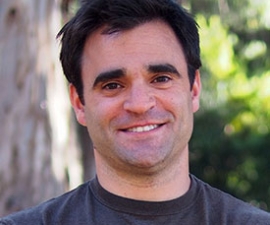
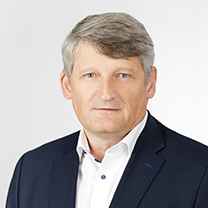
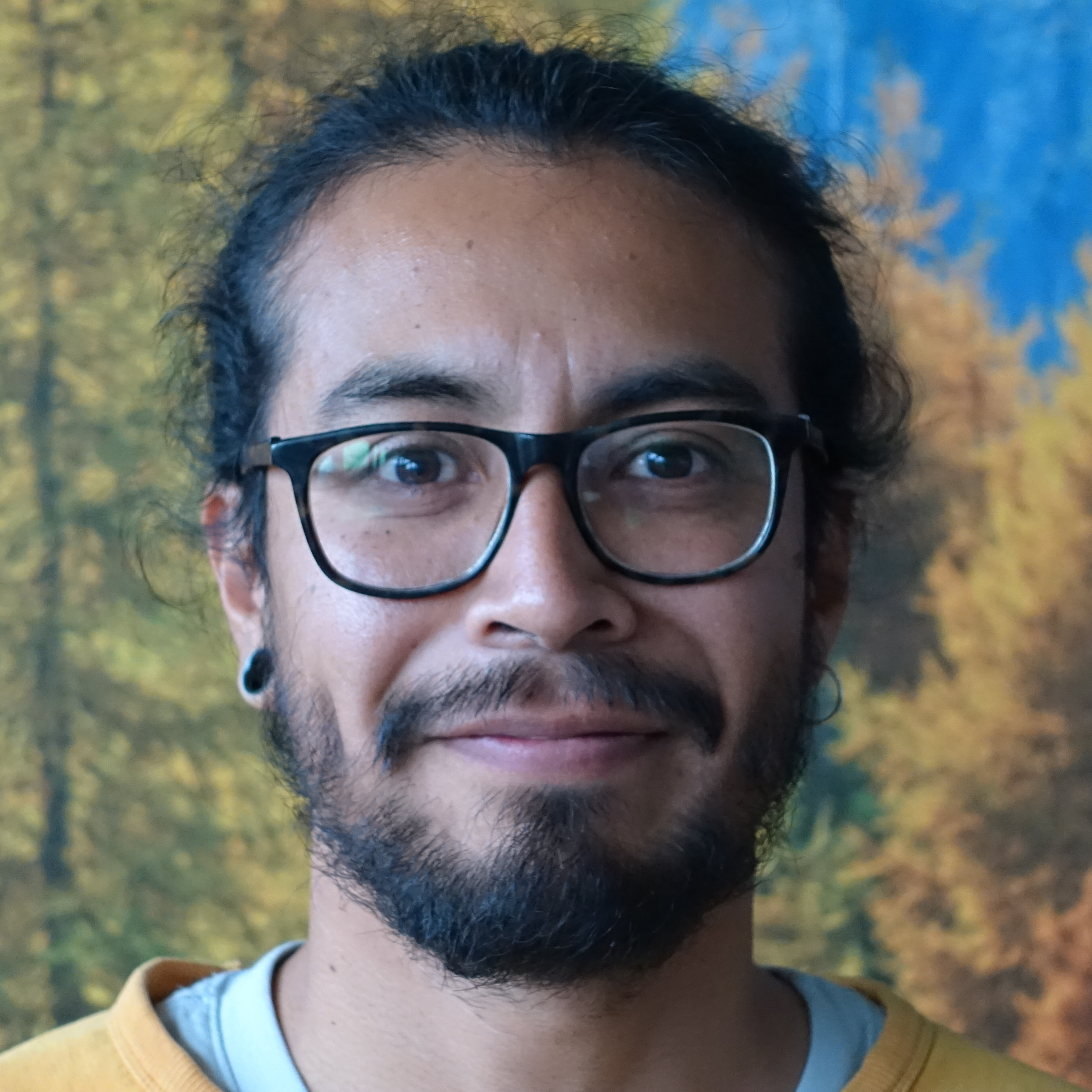
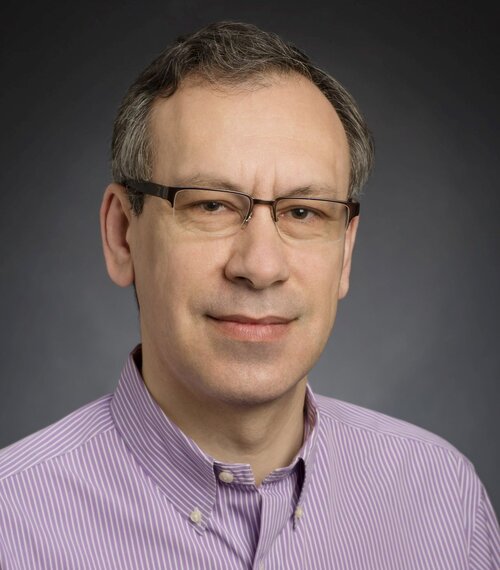
Professor Kevin Fox leads research in synaptic plasticity at Cardiff University's School of Biosciences. His laboratory investigates mechanisms controlling synaptic plasticity in the cerebral cortex, focusing on tactile information processing, neuronal activity modification through experience, and cortical circuit formation. Research employs advanced microscopy to visualize synaptic changes during learning and sensory discrimination. Current projects examine sensory processing modification, experience-dependent synaptic reorganization, and neural rehabilitation approaches. The laboratory studies molecular mechanisms underlying plasticity including NMDA receptors, CaMKII, AMPA receptors, and nitric oxide synthase, with recent emphasis on neuronal circuits controlling memory formation. Recent publications focus on cortical plasticity mechanisms, sensory discrimination learning, and astrocyte-neuron signaling interactions. The research program integrates molecular, cellular, and systems neuroscience approaches to understand learning and memory.
Hillel Adesnik serves as Associate Professor in the Department of Molecular and Cell Biology at the University of California, Berkeley, with additional affiliation in Neuroscience. His research program centers on deciphering how cortical microcircuits transform sensory input into perceptions and behaviors, utilizing cutting-edge approaches in awake behaving mice to bridge cellular mechanisms with cognitive functions. Adesnik's research investigates the neural basis of perception through three integrated pillars: (1) dissecting horizontal and vertical connections in cortical layers for sensory feature extraction, (2) developing high-resolution optical tools like 3D-SHOT for single-neuron manipulation in intact brains, and (3) analyzing cross-cortical communication for percept synthesis. His lab combines two-photon imaging, optogenetics, electrophysiology, and computational modeling to study tactile processing in barrel cortex and visual perception, revealing how specific neuron types and synaptic mechanisms generate perceptual codes. Key discoveries include layer-specific inhibitory control, supra-linear feature summation, and gamma-band synchronization mechanisms. Analysis of Adesnik's publication record shows consistent focus on cortical microcircuit dynamics across sensory modalities, with increasing emphasis on tool development since 2017. His work demonstrates how precise neural manipulations can establish causal links between circuit activity and perception, particularly through innovations in holographic optogenetics. Recurring themes include the role of somatostatin interneurons in layer-specific processing, cross-laminar interactions in feature coding, and the development of quantitative frameworks for neural population decoding. Scientific recognition includes: Chan Zuckerberg Biohub Investigator (2022 cohort) Adesnik mentors a robust research team comprising postdoctoral fellows (Lamiae Abdeladim, Janine Beyer, Conor Dorian, Will Hendricks, Uday Jagadisan, Mora Ogando, Masato Sadahiro, Kevin Sit, Savitha Sridharan, Andrea Zazzi) and graduate students (Genesis Ferrer Imbert, Courtney Kim, Madi McCloud, Ravi Srinivasan). His lab operates through structured collaboration with engineering groups for optical tool development and maintains active partnerships for disease-model applications. Funding sources include the Chan Zuckerberg Biohub and NIH grants supporting neurotechnology innovation. The Adesnik Lab maintains three core research thrusts through an integrated experimental pipeline: in vivo circuit interrogation in behaving animals, in vitro synaptic analysis, and novel optical instrument development. Current work emphasizes translating high-resolution manipulation techniques to disease models including autism and epilepsy, while expanding into multi-area cortical dynamics during complex behavioral tasks.
Dr. Yurii Vlasov is a Professor at the University of Illinois at Urbana-Champaign , holding tenured positions in Electrical and Computer Engineering, Physics, Bioengineering, and Materials Science and Engineering. He serves as the John Bardeen Endowed Chair and is Inaugural Professor at the Carle Illinois College of Medicine. At UIUC, he founded the Integrated Neurotechnology Lab , focusing on silicon-based neural probes, in vivo neurobiology, and machine learning for neural datasets. Prior to academia, he led IBM's Silicon Nanophotonics project for 15 years, driving its commercialization for datacenters. Education: MS in Biophysics (1988, University of St.-Petersburg), PhD in Physics (1994, Ioffe Institute) His research spans three threads: Neuro-engineering (nanofluidic/neurophonic probes), Neuro-biology (in vivo brain activity mapping), and Neuro-informatics (machine learning for neural networks). Recent work in ACS Nano and Lab on a Chip demonstrates attomole-level neurochemical detection using silicon nanofluidics. His innovations in droplet microfluidics and optogenetics have been featured in over 100 invited talks and 300+ patents. Scientific awards include National Academy of Engineering membership , Scientific American's Scientist of the Year , and multiple IBM Technical Achievement Awards . He is a Fellow of APS, IEEE, and OSA. Dr. Vlasov teaches core courses in semiconductor devices, silicon photonics, and neural interface engineering. His lab's silicon microfluidic platforms have enabled breakthroughs in neurochemical sampling and implantable probe fabrication, supported by NIH BRAIN Initiative grants (UF1NS107677, RF1NS126061).
Tyson Chappell is an Associate Professor in the Department of Biology at Utah State University. His research focuses on the long-term effects of prenatal alcohol exposure on cortical development, particularly in somatosensory and motor cortex regions. He teaches courses in human anatomy and physiology. PhD in Anatomy and Neurobiology (University of Tennessee Health Science Center, 2007) BA in Psychology (Weber State University, 2000) His work uses rat models to investigate how alcohol exposure during development impacts neural organization and representation areas. Studies span prenatal, postnatal, and adult stages, revealing disruptions in cortical size and functional mapping. Scientific contributions include publications on somatosensory and motor cortex abnormalities following alcohol exposure. Awards include the Faculty Excellence Award (2013).
Jeffrey C. Magee, Ph.D., is a Professor in the Department of Neuroscience at Baylor College of Medicine and affiliated with the Jan and Dan Duncan Neurological Research Institute in Houston, TX. His research focuses on understanding cortical circuit function through biophysical mechanisms, particularly exploring experience-dependent network representations in the hippocampus and barrel cortex. He investigates how dendritic processing contributes to learning and memory using advanced techniques such as whole-cell/juxtacellular recording, silicon probe analysis, two-photon microscopy, and optogenetic manipulation in both behaving animals and brain slices. Dr. Magee holds a Ph.D. in Neuroscience from Tulane University (1992) and a B.S. from Louisiana State University. His work bridges fundamental neurobiological questions with translational insights into neurological disorders.
Chris de Kock is an Associate Professor at Vrije Universiteit Amsterdam, holding dual affiliations in the Faculty of Science (Department of Integrative Neurophysiology) and the Amsterdam Neuroscience research center's Compulsivity, Impulsivity & Attention division. His work contributes to UN Sustainable Development Goals related to health and well-being through neuroscientific research. Research interests focus on neuronal network dynamics , synaptic communication , and neuronal physiology , particularly in human and rodent models. Key topics include dendritic processing, action potential mechanisms, and interneuron diversity. Recent studies explore human hippocampal neurons and voltage-gated ion channels' roles in neuronal signaling. Teaches Cognitive Neuroscience , Neuronal Networks in Vivo , and Five O’Clock Neurosciences (Honours) . Supervised 7 PhD theses. Active in collaborative projects with institutions globally, evidenced by international co-authorships and datasets on synaptic communication and neuronal morphology. Contributed datasets include analyses of high-bandwidth synaptic communication and pyramidal neuron intelligence correlations. Recognized for work with over 100+ Mendeley readers and news coverage for studies linking neuronal traits to human intelligence.
Dr. Marcel Oberlaender is an Associate Professor at the Vrije Universiteit Amsterdam's Faculty of Science, holding dual appointments in the Integrative Neurophysiology department and Amsterdam Neuroscience's Cellular & Molecular Mechanisms and Systems & Network Neuroscience divisions. He also serves as a Medewerker (staff member) at the Max Planck Institute for Neurobiology of Behavior in Bonn since 2016. His research focuses on understanding neural circuits and network dynamics, particularly in sensory systems like the barrel cortex, integrating experimental and computational approaches. Key research themes include neuromodulation of corticothalamic neurons, glial cell interactions in the thalamus, sparse connectivity in artificial neural networks, and computational modeling of connectomics. His work bridges experimental neurophysiology (e.g., in vivo recordings) with theoretical frameworks to unravel how network architecture influences information processing in the brain. Recent publications highlight studies on FOXP2-regulated neurons, thalamic glial modulation, and generative models for connectomics analysis. Collaborations span institutions globally, reflecting interdisciplinary engagement in neuroscience and computational biology.
Christian Schultz is a Professor in Neuroanatomy at the Medical Faculty Mannheim, part of Heidelberg University. His research focuses on axonal compartment plasticity, particularly the axon initial segment (AIS), and membrane contacts between organelles like peroxisomes and the endoplasmic reticulum (ER). He investigates how AIS structural changes impact neuronal excitability using in vivo models like the mouse whisker-to-barrel pathway. Recent studies revealed rapid AIS remodeling within hours of environmental enrichment. Future work includes live imaging of AIS dynamics and exploring peroxisome-ER interactions in neurodegeneration, especially retinal pathologies. Key research areas include: Developmental mechanisms of axonal polarity Role of ACBD5-VAPB protein interactions in peroxisome-ER contacts Functional significance of axon-carrying dendrites in hippocampal ensembles His lab employs advanced techniques such as live reporter mouse lines for in vivo imaging and genetic models to study neurodegenerative processes. Current projects aim to untangle AIS plasticity's role in sensory processing and elucidate how organelle membrane contacts influence neuronal health. Notable findings include identifying ACBD5 as a critical mediator of peroxisome-ER contacts and demonstrating bidirectional AIS plasticity linked to homeostatic regulation of neuronal excitability.
Kevin Fox is a Professor and Joint Head of Research at the Cardiff School of Biosciences, Cardiff University (since 1995), and Deputy Chair of the Medical Research Council’s (MRC) Neuroscience & Mental Health Board (since 2008). Previously, he held positions as an Assistant Professor at Brown University (1990-1992) and the University of Minnesota (1992-1995), and was a McDonnell Fellow at Washington University School of Medicine (1987-1989). His research focuses on Neuroscience , particularly Experience-dependent plasticity in sensory systems Synaptic and cortical development Role of NMDA receptors and CaMKII in neuronal adaptation Thalamocortical organization and sensory map stability Key publication trends highlight investigations into molecular mechanisms (e.g., GluR1, PKA, CaMKII) underlying cortical plasticity, sensory deprivation effects, and comparative studies across visual and somatosensory systems. His work has been cited extensively, including 134 citations for his 1996 PNAS paper. Scientific Awards: McDonnell Fellow His contributions span synaptic physiology, developmental neurobiology, and translational neuroscience, with a focus on cortical reorganization and neurotransmitter receptor dynamics.
Laurent Bourdieu is a Research Professor at the Department of Biology of École Normale Supérieure (Paris), leading the research group 'Cortical dynamics and coding mechanisms' at the Institute of Biology. His team investigates neural network dynamics underlying sensory coding, memory formation, and spatial representation using advanced optical methods. The group develops innovative imaging technologies including scanning strategies with acousto-optic deflectors for two-photon fluorescence microscopy and fiberscopes for unrestrained animals. Research focuses on cortical processing of sensory information, particularly tactile input through rodent whiskers, with current projects examining expectation signals in sensorimotor tasks, memory formation in auditory cortex, and hippocampal spatial coding. The team actively develops novel neuroimaging techniques to overcome limitations in penetration depth, temporal resolution, and sensitivity. Publications demonstrate consistent focus on optical neuroimaging innovation, particularly wavefront shaping techniques, scattering correction methods, and voltage-sensitive indicators. Recent work emphasizes high-speed volumetric imaging, scattering compensation in deep tissues, and applications in awake behaving animals. The research bridges optical physics, neurophysiology, and computational analysis. Dr. Bourdieu mentors PhD students and postdoctoral researchers in neuroscience and optical imaging techniques. His team includes engineers, postdocs, and students working on instrumentation development and experimental neuroscience. Current projects involve collaborations on wavefront shaping, scattering correction, and voltage indicator development.
Dr. David Nagel is a Post Doc Research Fellow at Aston University's School of Biosciences, part of the College of Health and Life Sciences. He contributes to the iBrain project, focusing on neurobiology and bioengineering. His research centers on astrocyte signaling, neural networks derived from induced pluripotent stem cells (iPSCs), and engineered hydrogel scaffolds for in vitro neuroscience applications. Education: PhD in Neuroscience (2003), supervised by Prof. A.V. Sutherland (Thesis: 'Development of the MAX randomisation technique'). Research Interests: Astrocyte biology, stem cell-derived neural networks, optogenetic engineering, hydrogel-based 3D cell culture systems, and tau protein biochemistry. His work bridges fundamental neuroscience with bioengineering innovations. Articles Trends: Recent studies explore astrocyte roles in synaptic plasticity, iPSC-derived networks in hydrogel scaffolds, and optogenetic neuron engineering. Collaborations span neurobiology, materials science, and clinical applications. Grants/Advising: Active in interdisciplinary projects like the iBrain initiative. No specific grants or advisees explicitly listed. Labs/Teams: Engaged with the iBrain project team and collaborates with groups in neuroimaging, bioengineering, and stem cell research.
Andrea Benucci is a Professor in Visual Neuroscience at Queen Mary University of London (QMUL), School of Biological and Behavioural Sciences, with an honorary Senior Lecturer appointment at University College London (Institute of Ophthalmology) and a Senior Visiting Scientist role at RIKEN-CBS. His research focuses on linking neural circuit architectures to computations in visual processing and decision-making, integrating all-optical dissection of circuits with artificial neural network models. He has held academic positions at RIKEN-CBS (2014–2024) and UCL, with postdoctoral training at Smith-Kettlewell Eye Research Institute (San Francisco). His lab develops experimental platforms for mouse behavior and physiology, including automated training setups and optogenetic techniques. Key research themes include neural signal interactions, sensory-motor integration, and attention-driven modulation of cortical activity. Education Bachelor’s in Physics, University of Padua, Italy PhD in Neuroscience, ETH Zurich/University of Zurich Research Interests Benucci’s work bridges experimental neurophysiology and computational modeling. His lab investigates how visual information is processed in the cortex, emphasizing context-dependent computations and the role of motor-related signals in perceptual stability. Techniques include two-photon imaging, optogenetics, and artificial neural networks constrained by biological data to predict behavioral outcomes under perturbations. Recent studies explore efficient coding of natural images and the anatomical basis of thalamocortical circuits in whisker-related processing. Grants & Labs His lab at QMUL focuses on high-throughput mouse behavior and physiology. Collaborations include developing transgenic mice for neural circuit targeting (e.g., with Madisen et al., 2015). Postdoctoral opportunities are available in experimental (optogenetics, imaging) and theoretical (machine learning, ANN modeling) neuroscience. Labs & Teams Current lab members include postdocs, PhD candidates, and technicians. Former members from his RIKEN-CBS era include Dmitry Lyamzin, Federico Bolaños, and others who contributed to studies on arousal states, attention, and cortical dynamics.
Jorge Cabrera Moreno is a Researcher specializing in auditory neuroscience and primate behavior studies. His work focuses on experimental protocols for assessing cognitive functions in non-human primates, cortical connectivity analysis, and developing automated training systems for animal research. Key research interests include auditory cognition in primates, sensory processing in barrel cortex neural circuits, and the application of psychophysical methods to animal behavior studies. His recent publications emphasize interdisciplinary approaches combining neurophysiology, computational analysis, and innovative training systems. Notable contributions include: Optimized auditory assessment protocols for macaques Callosal connectivity studies in rodent barrel cortex Development of touchscreen-based training systems for marmosets No scientific awards or grants were explicitly mentioned in the provided text.
Dr. Yurii Vlasov is a Professor and John Bardeen Endowed Chair in Electrical and Computer Engineering and Physics at the University of Illinois at Urbana-Champaign. He holds joint appointments in Physics, Materials Science and Engineering, Bio-Engineering, the Micro and Nanotechnology Lab, the Siebel School of Computing and Data Science, Biomedical and Translational Sciences, and the Beckman Institute for Advanced Science and Technology. Dr. Vlasov’s research focuses on reverse engineering brain circuits through neuroengineering, computational neuroscience, and cortical computation. His lab combines electrophysiology, optogenetics, and machine learning to study sensory processing in rodent somatosensory cortices (S1/S2) during virtual reality-based behavioral tasks. Key themes include silicon-based neural probes, in vivo neurobiological experiments, and analysis of large-scale neural datasets. His recent publications highlight advancements in photonic metasurfaces for optogenetics, nanodialysis platforms for neurochemical monitoring, and cortical circuit dynamics in perceptual decision-making. These works span disciplines like neuroscience, electrical engineering, and biomedical technology, emphasizing high-resolution neural interfaces and computational methods. Scientific awards include membership in the National Academy of Engineering, Fellowships from APS, IEEE, and OSA, and multiple IBM honors such as the CEO Corporate Award. His work has received global media coverage in outlets like the New York Times, Forbes, and Scientific American. Dr. Vlasov leads the Integrated Neurotechnology Lab, pioneering tools for massive neuronal recordings and neural circuit manipulation. His team develops silicon nanophotonic and nanofluidic probes, leverages virtual reality for behavioral studies, and applies machine learning to decode dynamic neural activity patterns.
Dr. Shigeo Sakuragi is an Assistant Professor at Waseda University's School of Advanced Science and Engineering, Department of Biophysics, where he has served since April 2022. Previously, he held research positions at Waseda University's Research Institute for Science and Engineering (2020-2022), Yamagata University's Faculty of Medicine (2018-2020), Tohoku University's Graduate School of Life Sciences (2016-2018), and Nagoya University as a Postdoctoral Fellow (2014-2016). His educational background includes a Ph.D. from Osaka University's Graduate School of Frontier Biosciences (2010-2014) and a Bachelor's degree from Osaka University's Faculty of Science (2006-2010). Dr. Sakuragi's research focuses on the intersection of neuroscience, biophysics, and pharmacology, with particular emphasis on Neuropharmacology of anesthetics Synaptic plasticity mechanisms Neurodegenerative disease processes Calcium signaling in astrocytes Optogenetic approaches to studying neural function His work combines advanced imaging techniques like quantum dot-single particle tracking with molecular and cellular neuroscience approaches. His publication record shows a clear progression from fundamental studies of synaptic plasticity and BDNF signaling (2010-2015) toward more applied research on anesthesia mechanisms and neurodegenerative processes (2016-present). Recent work prominently features optogenetic tools for controlling tau aggregation and studying anesthetic effects on neuronal receptors. Dr. Sakuragi has received notable scientific recognition including: 2025 Biophysics and Physicobiology Editors' Choice Award Waseda University Teaching Award (2022) 2018 Biophysics and Physicobiology Editors' Choice Award He serves on Waseda University's Collaboration Council as a Working Member of the Joint Research Group (2023-present) and maintains active professional memberships in major neuroscience and biophysics societies in Japan. His current research is supported by competitive grants from the Japan Society for the Promotion of Science focusing on volatile anesthetics' mechanisms and tau aggregation in postoperative cognitive dysfunction. At Waseda University, Dr. Sakuragi leads the Banna Lab (https://sites.google.com/view/wasedabannailab/english), which specializes in applying advanced biophysical techniques to neuropharmacological questions, with particular expertise in single-molecule tracking and optogenetic approaches to study anesthesia mechanisms and neurodegenerative processes.