Averil Ma, MD is a Professor of Medicine at the University of California, San Francisco (UCSF) School of Medicine. He serves as Director of the UCSF IBD Center and Chief of the Division of Gastroenterology. His research focuses on molecular and cellular mechanisms underlying inflammation and cancer, particularly studying ubiquitin-regulating proteins like A20. He holds notable roles such as Chair of the NIH CMI-A Study Section (2010-2012) and Founding Chair of the KRF Scientific Advisory Board (2009). Education: A.B. in Biochemistry from Harvard College (1980), M.D. from Columbia University (1984), Internal Medicine residency at Massachusetts General Hospital (1987), and Gastroenterology fellowship at Columbia (1989). Research interests include host-commensal interactions in the gut, innate immunity, and ubiquitin-dependent immune regulation. His lab investigates A20’s role in preventing inflammation and cancer via NF-κB signaling, inflammasome control, and tissue integrity. Techniques used include CRISPR, mass spectrometry, and mouse models. Key awards include election to the American Society for Clinical Investigation (2001) and AGA/GRG Young Investigator Award (2001). Publications focus on A20’s functions in inflammation, cancer, and autoimmune diseases, with contributions to understanding ubiquitin pathways and therapeutic targets for IBD, psoriasis, and SLE.
Professor Arthur Kaser is a leading academic gastroenterologist and Professor of Gastroenterology at the University of Cambridge. He leads the Gastrointestinal Diseases theme of the NIHR Cambridge Biomedical Research Centre, a partnership between Cambridge University Hospitals and the University of Cambridge. Department of Medicine Cambridge Institute of Therapeutic Immunology & Infectious Disease (CITIID) British Society for Immunology Funding Recipient His groundbreaking research focuses on the mechanisms of Inflammatory Bowel Disease (IBD) , including: Dysregulation of enterocyte cell intrinsic processes causing IBD Genetic polymorphisms linked to disease risk Purine nucleoside metabolism and unfolded protein response Mitochondrial metabolism in immune regulation Role of GPR35 and ORMDL proteins in epithelial homeostasis Recent publications highlight his work across genetic models, metabolic pathways, and clinical trials in IBD, with a focus on: AAV8 gene therapy for mitochondrial disorders ER stress and autophagy in intestinal epithelium Anti-IL-23 therapies (mirikizumab, risankizumab) Polyunsaturated fatty acids in Crohn's disease pathogenesis Scientific honors include: Fellow of the Academy of Medical Sciences (FMedSci) Fellow of the Royal Society (FRS) He collaborates with clinicians and researchers including Dr. James Lee, Dr. Nicole Kaneider, Dr. Trevor Lawley , and Professor Gordon Dougan. His work is supported by the Medical Research Council and institutional grants from the NIHR Cambridge Biomedical Research Centre.
Maia Delage Toriel is a dermatologist and researcher at Institut Pasteur , focusing on Hidradenitis Suppurativa (HS) pathogenesis, microbiota interactions, and innovative therapeutic approaches. She leads key projects like SHINE-HS (hormonal influences), ABCESS2 (antibiotic regimens), and ROXANE (genetics and microbiota). Education: Medical studies at University of Necker (1997–2005) Dermatology residency at CHRU Tours (2005–2009) Diploma in Skin Cancerology (2008–2009) Head of Clinic Assistant in Dermatology at Bobigny (2009–2012) Research Interests center on HS etiology, including: Microbiota-host interface dysregulation Tryptophan catabolism and inflammation Sex-related dimorphism in disease manifestation Antibiotic resistance patterns Development of dynamic severity scoring systems (e.g., IHS4) Publications and clinical trials highlight her work on antimicrobial strategies, microbial profiling, and surgical outcomes. Her studies integrate metagenomics , metabolomics , and clinical data to address HS complexity. Collaborations span multidisciplinary teams at Institut Pasteur, focusing on translational immunology, microbiome dynamics, and open science initiatives.
Lauren M. Madigan is an Assistant Professor of Dermatology at the University of Utah School of Medicine , specializing in complex medical dermatology and inpatient consultative care. Her clinical work includes managing hospitalized patients at the University Medical Center and Huntsman Cancer Institute, alongside outpatient services in the Same Day Dermatology Clinic. Education B.S. in Biology from the University of Utah M.D. from The Ohio State University College of Medicine Residency and Academic Chief Resident at Henry Ford Hospital Fellowship in Complex Medical Dermatology at University of California San Francisco School of Medicine Research and Clinical Focus Dr. Madigan's work centers on inpatient dermatology , VEXAS syndrome , drug-induced hypersensitivity reactions , and autoinflammatory conditions . She investigates the intersection of dermatology with internal medicine, particularly in hospital settings and rare diseases like mastocytosis. Her recent publications emphasize diagnostic strategies for complex skin disorders and workforce trends in U.S. inpatient dermatology. Publications and Collaborative Work Her recent studies address VEXAS syndrome , drug eruptions , and teledermatology , reflecting a focus on both rare and common skin conditions in hospital environments. She has contributed to cross-sectional analyses of dermatology workforce dynamics and literature reviews on conditions like Sweet syndrome and pyoderma gangrenosum. Clinical Teams and Affiliations Dr. Madigan collaborates with teams at the University Medical Center and Huntsman Cancer Institute , integrating dermatology into multidisciplinary care for cancer patients and those with systemic skin diseases.
Prof. Dr. Mehmet Oktay Taşkapan is a faculty member at Yeditepe University Faculty of Medicine within the Department of Dermatology . With a career spanning over two decades, he has contributed extensively to clinical dermatology and allergy research. Research Interests: His work focuses on atopic dermatitis, hypersensitivity reactions, autologous serum skin testing, and interactions between dermatological conditions and systemic diseases like tuberculosis. He investigates diagnostic methodologies (e.g., skin prick tests) and therapeutic interventions (e.g., retinoids, immunomodulators). Scientific Awards & Memberships: President of Turkish Dermatology Association (2010-2012) Board Member of Turkish Dermatology Association (2012-2014) Member of European Academy of Allergy and Clinical Immunology Member of European Academy of Dermatology and Venereology Professional Experience: Previously served as Chair of Allergic Diseases at GATA Haydarpaşa Eğitim Hastanesi until 1996, progressing through academic ranks from assistant to full professor. Currently teaches Basic Structure & Function of the Skin (2009-2010).
Dr. Emma Reeves is a Lecturer in Cancer Immunology at the University of Southampton, affiliated with the Department of Cancer Sciences. Her research focuses on antigen processing mechanisms, T cell responses, and tumor immunology, particularly exploring the role of ERAP1 in disease contexts ranging from cancer to autoimmune conditions. She currently supervises two PhD students in Cancer Sciences and teaches topics related to immunology and cancer biology. Her key research interests include understanding how ERAP1 polymorphisms influence immune responses in viral infections, cancer progression, and autoimmune disorders. This work bridges molecular immunology and clinical applications, aiming to develop therapeutic strategies targeting antigen processing pathways. Publications highlight her contributions to elucidating ERAP1's role in shaping MHC class I peptide repertoires, HPV-associated tumor immunity, and the prognostic significance of ERAP1 variants in cancer. While no specific awards are listed, her research has been published in high-impact journals such as Cancer Immunology Research and Journal of Hepatology . Dr. Reeves collaborates with interdisciplinary teams investigating tumor immune evasion mechanisms and translational immunotherapies. She maintains an active role in guiding early-career researchers through her PhD supervision and contributes to advancing our understanding of immune system dynamics in health and disease.
Carola Vinuesa is a leading immunologist currently serving as Principal Group Leader and Royal Society Wolfson Fellow at The Francis Crick Institute (London, UK). She previously held academic leadership roles at the Australian National University (ANU), including Professor of Immunology (2010) and Head of Department (2011). Education : MD (University Autónoma of Madrid, 1992), PhD (University of Birmingham, 2000) Leadership : Founder/co-Director of NHMRC Centre for Personalised Immunology (2014), Director of China-Australia Centre for Personalised Immunology (2022), Advisory Professor at Jiaotong University (2018) Her research focuses on immunology , genetics , and autoimmune diseases , particularly identifying T cell subsets (Tfh, Tfr) that regulate antibody responses and autoimmunity. She connects genetic variation to lupus pathogenesis and explores mechanisms of immune tolerance. Recent publications highlight her work in genetic immunology , with studies on TLR7 gain-of-function variants , ZEB2 in B cell aging , and neuritin in Tfr cell function . Her team integrates genomics , flow cytometry , and model organisms to study immune checkpoints. Scientific Awards : Royal Society Fellow (2022), Gottschalk Medal (AAS), Lupus Insight Prize (2023), Johann Anton Merck Award (2023), Life Scientist of the Year (2008) She collaborates with institutions in Australia, China, and the UK, advancing personalized immunology and translational research . Her lab’s work informs diagnostic strategies and targeted therapies for autoimmune conditions.
Dr. Pui Lee is an Attending Physician in Rheumatology at Boston Children’s Hospital and Assistant Professor of Pediatrics at Harvard Medical School. His research focuses on autoinflammatory diseases, myeloid cell biology, and immunometabolism. Education: MD-PhD, University of Florida College of Medicine (2010) Internship, Boston Children's Hospital (2011) Residency, Boston Children's Hospital (2013) Fellowship, Boston Children's Hospital (2016) Dr. Lee's primary research investigates how immunometabolism regulates monocyte development and inflammation, with emphasis on macrophage activation syndrome (MAS) and deficiency of adenosine deaminase 2 (DADA2). His laboratory explores metabolic reprogramming in myeloid cells and immune activation mechanisms in cytokine storm syndromes. Current projects include studying monocyte differentiation pathways and vascular inflammation in DADA2. His 15 most recent publications (2023-2025) demonstrate expertise in pediatric rheumatology, with recurring themes in cytokine storm pathogenesis, monocyte/macrophage biology, and genetic autoinflammatory disorders. Key areas include MAS biomarkers, DADA2 mechanisms, and immunometabolic drivers of inflammation. Scientific Contributions: Developed screening algorithms for lung disease in systemic JIA Characterized IL-17 elevation as Kawasaki disease biomarker Defined SOCS1 haploinsufficiency as autoimmunity driver Elucidated DADA2 vascular pathology mechanisms Dr. Lee actively contributes to clinical guidelines including international consensus statements on DADA2 management. His research bridges basic immunometabolism with translational applications for pediatric inflammatory disorders, with focus on identifying novel treatment targets for refractory conditions.
Prof. Michael Gütschow is a Professor at the Pharmaceutical Institute of the University of Bonn. His research focuses on designing tailored inhibitors for proteases involved in cancer, viral infections (e.g., SARS-CoV-2), and developing proteolysis-targeting chimeras (PROTACs) for targeted protein degradation. He leads projects in drug discovery, including antiviral agents and epigenetic therapies. His work spans protease inhibition mechanisms, activity-based probes for enzyme analysis, and novel drug modalities like PROTACs for cyclin-dependent kinases and cereblon. Notable collaborations include studies on CDK6 degraders for multiple myeloma and SARS-CoV-2 main protease inhibitors. Recent publications highlight advancements in histone deacetylase degraders, NLRP3 inflammasome modulation, and USP7-targeting PROTACs. His research bridges biochemistry, medicinal chemistry, and translational medicine, contributing to innovative therapeutic strategies.
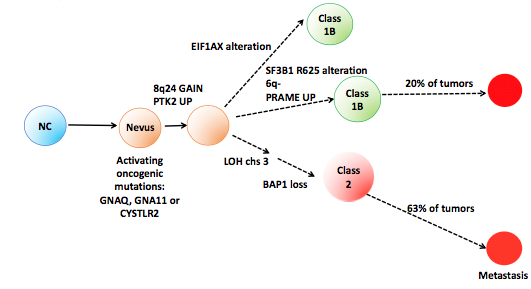
Dr. Anne Bowcock is a Professor in Oncological Sciences, Dermatology, and Genetics and Genomic Sciences at the Icahn School of Medicine at Mount Sinai. She previously held positions at Imperial College London and Washington University Medical Center. Her research focuses on cancer genomics and inflammatory skin diseases, particularly psoriasis and psoriatic arthritis. She identified key genes like CARD14 (linked to psoriasis) and BAP1/SF3B1 (critical for uveal melanoma progression). Her lab uses genomic, epigenomic, and functional approaches to study disease mechanisms. Education: PhD from the University of the Witwatersrand; Postdoc at Stanford University. Awards: 2005 American Skin Association Psoriasis Achievement Award, Medical Research Council Award (1981). Research interests include molecular drivers of cancers (e.g., uveal melanoma, acral melanoma) and genetic basis of skin disorders. She investigates small RNAs, noncoding RNAs, and therapeutic interventions for psoriasis. The lab also explores tumor heterogeneity and metastasis mechanisms in uveal melanoma using organoid models. Key articles highlight discoveries in cancer genetics and psoriasis pathogenesis. Her team includes postdoctoral fellows, bioinformaticians, and collaborators across disciplines.
Professor Ahmet Okay Çağlayan at Dokuz Eylül University's School of Medicine specializes in Medical Genetics with a focus on neurodevelopmental disorders. His work integrates next-generation sequencing and genomic approaches to unravel rare genetic variants in structural brain abnormalities. Established Medical Genetics Department Teaching at undergraduate, graduate, and medical school levels Active in editorial and peer-review roles for top-tier journals Research spans neurogenetics, molecular diagnostics, and genomic medicine with emphasis on: Whole-exome sequencing applications Homozygosity mapping Linkage analysis Neurodevelopmental disease mechanisms Cortical malformations Genotype-phenotype correlations Recent publications highlight advancements in: Identifying novel pathogenic variants (NAGLU, KLHL40, PIBF1) Elucidating mTOR pathway dysregulation in lissencephaly Characterizing rare metabolic and neurodegenerative syndromes Developing genomic diagnostic frameworks for Turkish populations Metrics indicate: 197 WoS publications H-index: 4250 (Scopus) 24 research projects
Jonathan Bohlen serves as a Research Group Leader at the Gene Center, Ludwig Maximilian University of Munich (LMU), within the Department of Biochemistry. His laboratory focuses on mRNA translation mechanisms in human immunity, bridging molecular biology with clinical immunology to understand fundamental cellular processes. His educational background includes: Doctorate (2017-2020) at the German Cancer Research Center (DKFZ), Heidelberg M.Sc. in Molecular Biology (2015-2017) at Karls-Ruprecht University, Heidelberg B.Sc. in Biotechnology (2011-2015) at Hochschule Mannheim, Mannheim Dr. Bohlen's research centers on translational regulation in immune cells, with three primary focus areas: Translational Regulation in T Cells, Monogenic Ribosomopathies and Immunodeficiency, and tRNA Metabolism, Biogenesis, and Autoinflammatory Disease. His work explores how mRNA translation mechanisms affect leukocyte function and how disruptions in these processes lead to immunological disorders. By utilizing primary human leukocytes as a model system, his laboratory addresses the critical gap in understanding translational control in human physiology, which has been historically limited by the scarcity of live primary samples. Analysis of his recent publications reveals a consistent focus on the intersection of mRNA translation mechanisms and human immunity, particularly regarding IFN-γ responses to mycobacterial infections. His work demonstrates how specific translation factors (MCTS1, PRRC2) regulate critical immune proteins like JAK2, providing mechanistic insights into how translational defects lead to immunodeficiency. The publications span high-impact journals including Cell, Journal of Clinical Investigation, and Nucleic Acids Research, reflecting the significance of his contributions to understanding inborn errors of immunity through the lens of translational regulation. His scientific achievements have been recognized with prestigious awards: Marie Skłodowska-Curie Actions (MSCA) Postdoc Fellowship (2022) EMBO Postdoc Fellowship (2021) DFG Walter Benjamin Postdoc Stipendium (2021) RNA Society/Scaringe Graduate Student Award (2020) Dr. Bohlen actively mentors students and seeks motivated Master's students for internships and thesis projects focusing on molecular biology of mRNA translation. His laboratory aims to achieve three significant outcomes: enhanced understanding of ribosome and mRNA biology in leukocytes, insights into leukocyte involvement in genetic diseases of mRNA translation, and identification of pathomechanisms underlying severe genetic diseases. The research has direct clinical relevance to understanding and potentially treating immunological disorders with translational defects. The Bohlen Lab operates within the Gene Center Munich, a central scientific institution at LMU that fosters interdisciplinary research in genome biology, immunology, virology, and oncology. The lab's work exemplifies the institution's mission of advancing science beyond traditional disciplinary boundaries.
Andrew Dick is the Duke Elder Chair & Director of the Institute of Ophthalmology at University College London (UCL), and concurrently serves as Professor of Ophthalmology at the University of Bristol. He also co-directs the NIHR Biomedical Research Centre at Moorfields Eye Hospital and UCL-Institute of Ophthalmology. His medical training includes an MBBS and BSc (Hons) in Biochemistry from the University of London, followed by an MD from the University of Aberdeen. Research Focus Professor Dick's research centers on ocular immunology and inflammatory diseases, with seminal work on TNF-alpha's role in retinal inflammation and degeneration. His lab investigates macrophage plasticity, immune regulation (CD200R, C5aR, IRAK-M pathways), and develops biologic therapies for blinding diseases. His bench-to-bedside approach has revolutionized anti-TNF treatments for uveitis. Publication Trends Recent publications (2024-2025) demonstrate strong emphasis on: 1) Multimodal imaging guidelines for uveitis syndromes, 2) Genetic and machine learning approaches to retinal phenotyping, 3) Novel therapeutics including gene therapies and JAK inhibitors, and 4) Mechanisms of retinal degeneration involving Bruch's membrane and autophagy pathways. Awards and Honors Fellow of Academy of Medical Sciences (2007) Alcon Research Institute Award (2011) Doyne Medal & Lecture Duke-Elder Lecture Constable Annual Public Lecture Certificate of Excellence (EVER) Golding Medal & Llewellyn Scholarship Professional Leadership Professor Dick has authored foundational textbooks (e.g., The Eye: Basic Science in Practice ), chaired WHO uveitis classification committees, served as ARVO Vice-President and EVER President, and held editorial roles for major ophthalmology journals including Progress in Retinal and Eye Research .
Dr. Choon Siew Eng is an Associate Professor at Monash University Malaysia's Jeffrey Cheah School of Medicine and Health Sciences and a senior consultant dermatologist at Hospital Sultanah Aminah in Johor Bahru, Malaysia. She holds a MBBS from the University of Malaya (1982) and is a Fellow of the Royal College of Physicians, London (2003). Her postgraduate training included dermatology specialization at St. John’s Institute of Dermatology, London. Dr. Choon’s research focuses on chronic inflammatory skin diseases, particularly psoriasis (including pustular psoriasis), atopic dermatitis, hidradenitis suppurativa, and cutaneous adverse drug reactions. She has contributed to global consensus guidelines for generalized pustular psoriasis (GPP), including treatment goals and diagnostic criteria. Her work aligns with UN Sustainable Development Goals targeting health and well-being (SDG 3). Recent research highlights include spesolimab’s efficacy in reducing GPP inflammation and safety across clinical trials, as well as epidemiological studies on GPP prevalence in multiethnic populations. She serves on editorial boards (Experimental Dermatology) and international organizations (International Psoriasis Council, Malaysian Skin Foundation). Dr. Choon actively collaborates globally, particularly in Asia-Pacific regions, to advance understanding of psoriasis subtypes and adverse drug reactions. Her work bridges clinical practice, research, and public health, emphasizing patient-centered care for rare and severe skin conditions.
Katherine A. Fitzgerald, PhD , is Professor and Vice Chair of Medicine at the University of Massachusetts Chan Medical School , where she also serves as Chief of the Division of Innate Immunity and holds the Worcester Foundation for Biomedical Research Chair III . She is cross-appointed in multiple graduate programs at the Morningside Graduate School of Biomedical Sciences , including Immunology and Microbiology, Translational Science, MD/PhD, and Post-baccalaureate Research Education. Education B.Sc. in Biochemistry, University College Cork, Ireland (1995) Ph.D. in Biochemistry, Trinity College Dublin, Ireland (1999) Research Focus Dr. Fitzgerald’s work is centered on the molecular basis of innate immunity , dissecting how nucleic-acid sensors, inflammasomes, and long non-coding RNAs orchestrate inflammatory responses during infection and in chronic inflammatory diseases. Her laboratory aims to translate these insights into therapeutic strategies for infectious, autoimmune, and autoinflammatory disorders. Scientific Honors Member, National Academy of Sciences (USA) Member, National Academy of Medicine (USA) Member, Royal Irish Academy Fellow, American Academy of Microbiology Thermo-Fisher Meritorious Career Award (2022) Saint Patrick’s Day Medal (2015) Milstein Award for Excellence in Interferon and Cytokine Research (2014) Leadership & Service Past President of the International Cytokine and Interferon Society, she serves on national advisory boards including NIAID’s Board of Scientific Councillors and the Massachusetts Center for Pathogen Readiness. Laboratory & Training Her Fitzgerald Lab (Program in Innate Immunity) welcomes graduate rotation students; interested applicants should contact Kate.Fitzgerald@umassmed.edu .