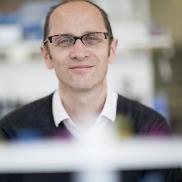
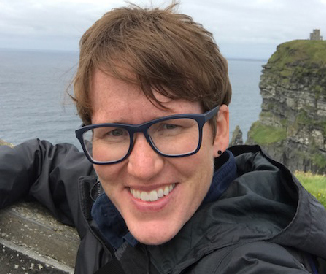
Professor Arthur Kaser is a leading academic gastroenterologist and Professor of Gastroenterology at the University of Cambridge. He leads the Gastrointestinal Diseases theme of the NIHR Cambridge Biomedical Research Centre, a partnership between Cambridge University Hospitals and the University of Cambridge. Department of Medicine Cambridge Institute of Therapeutic Immunology & Infectious Disease (CITIID) British Society for Immunology Funding Recipient His groundbreaking research focuses on the mechanisms of Inflammatory Bowel Disease (IBD) , including: Dysregulation of enterocyte cell intrinsic processes causing IBD Genetic polymorphisms linked to disease risk Purine nucleoside metabolism and unfolded protein response Mitochondrial metabolism in immune regulation Role of GPR35 and ORMDL proteins in epithelial homeostasis Recent publications highlight his work across genetic models, metabolic pathways, and clinical trials in IBD, with a focus on: AAV8 gene therapy for mitochondrial disorders ER stress and autophagy in intestinal epithelium Anti-IL-23 therapies (mirikizumab, risankizumab) Polyunsaturated fatty acids in Crohn's disease pathogenesis Scientific honors include: Fellow of the Academy of Medical Sciences (FMedSci) Fellow of the Royal Society (FRS) He collaborates with clinicians and researchers including Dr. James Lee, Dr. Nicole Kaneider, Dr. Trevor Lawley , and Professor Gordon Dougan. His work is supported by the Medical Research Council and institutional grants from the NIHR Cambridge Biomedical Research Centre.
Professor Andrew Jackson FRS is a Programme Leader at the MRC Human Genetics Unit within the Institute of Genetics and Cancer at the University of Edinburgh. He serves as Group Leader for the Microcephaly, Cancer and Autoinflammation research program and holds an honorary consultant position in Clinical Genetics. Elected as a Fellow of the Royal Society in 2020, he has also been recognized as a Fellow of the Royal Society of Edinburgh and Academy of Medical Sciences (2014) and Member of EMBO (2013). His research program focuses on identifying genes causing inherited disorders of the brain, with particular emphasis on microcephaly, Aicardi-Goutieres syndrome, and connections between genome stability, inflammation, and cancer. The Jackson lab has discovered over 20 human disease genes involved in fundamental cellular processes related to growth and inflammation. His work bridges clinical genetics with basic molecular mechanisms, exploring how faults in nucleases mimic viral infection of the brain and how ribonucleotides in DNA can cause genome damage relevant to cancer. Analysis of his recent publications reveals a strong focus on genome instability mechanisms, with particular attention to how these processes relate to both rare genetic disorders and common diseases. His work integrates human genetics with cellular and molecular approaches, often using model organisms to understand disease mechanisms. Fellow of the Royal Society (2020) Fellow of the Royal Society of Edinburgh (2014) Fellow of the Academy of Medical Sciences (2014) Member of EMBO (2013) Professor Jackson leads an active research group with multiple postdoctoral researchers, technicians, and PhD students. His work is supported by major funders including the Medical Research Council, European Research Council, and EMBO. His research has significant translational potential, particularly in understanding the genetic basis of developmental disorders and identifying mechanisms relevant to cancer therapies. The Jackson lab maintains strong collaborations across the University of Edinburgh and with international partners in the US and Europe, focusing on genomic instability, DNA repair mechanisms, and developmental disorders.
Dr. Asolina Braun is a Senior Research Fellow at the Department of Biochemistry & Molecular Biology, Monash University. She actively supervises PhD students and contributes to research in Skin Immunology Psoriasis Pathogenesis Immunopeptidomics Tissue-Resident Memory T Cells . Education : Biology, Hannover Medical School Doctoral Degree in Immunology (Hannover Medical School, Germany, 2011–2014) Postdoctoral Fellowship with Francis Carbone and Thomas Gebhardt (Germany, 2014–2018) Research Focus : Her work explores HLA-Cw6-dependent antigen presentation and TRM cell survival factors in psoriasis, aiming to develop tolerization strategies for autoinflammatory skin diseases. She also pioneered tactile science communication methods for psoriasis outreach. Key Projects : Leading Psoriasis Antigen Triggers (2023–2025) Investigating Influenza Immune Cross-Protection (2024–2027) Validating HLA-Cw6 Antigen Presentation (2020–2022) Awards & Roles : DFG Fellowship Treasurer, Australian and New Zealand Society for Immunology (2018–2022) Executive Committee Member Collaborations span institutions in Australia, Germany, and Denmark, with expertise in flow cytometry , mass spectrometry , and MHC-peptide interactions .
Jonathan Bohlen serves as a Research Group Leader at the Gene Center, Ludwig Maximilian University of Munich (LMU), within the Department of Biochemistry. His laboratory focuses on mRNA translation mechanisms in human immunity, bridging molecular biology with clinical immunology to understand fundamental cellular processes. His educational background includes: Doctorate (2017-2020) at the German Cancer Research Center (DKFZ), Heidelberg M.Sc. in Molecular Biology (2015-2017) at Karls-Ruprecht University, Heidelberg B.Sc. in Biotechnology (2011-2015) at Hochschule Mannheim, Mannheim Dr. Bohlen's research centers on translational regulation in immune cells, with three primary focus areas: Translational Regulation in T Cells, Monogenic Ribosomopathies and Immunodeficiency, and tRNA Metabolism, Biogenesis, and Autoinflammatory Disease. His work explores how mRNA translation mechanisms affect leukocyte function and how disruptions in these processes lead to immunological disorders. By utilizing primary human leukocytes as a model system, his laboratory addresses the critical gap in understanding translational control in human physiology, which has been historically limited by the scarcity of live primary samples. Analysis of his recent publications reveals a consistent focus on the intersection of mRNA translation mechanisms and human immunity, particularly regarding IFN-γ responses to mycobacterial infections. His work demonstrates how specific translation factors (MCTS1, PRRC2) regulate critical immune proteins like JAK2, providing mechanistic insights into how translational defects lead to immunodeficiency. The publications span high-impact journals including Cell, Journal of Clinical Investigation, and Nucleic Acids Research, reflecting the significance of his contributions to understanding inborn errors of immunity through the lens of translational regulation. His scientific achievements have been recognized with prestigious awards: Marie Skłodowska-Curie Actions (MSCA) Postdoc Fellowship (2022) EMBO Postdoc Fellowship (2021) DFG Walter Benjamin Postdoc Stipendium (2021) RNA Society/Scaringe Graduate Student Award (2020) Dr. Bohlen actively mentors students and seeks motivated Master's students for internships and thesis projects focusing on molecular biology of mRNA translation. His laboratory aims to achieve three significant outcomes: enhanced understanding of ribosome and mRNA biology in leukocytes, insights into leukocyte involvement in genetic diseases of mRNA translation, and identification of pathomechanisms underlying severe genetic diseases. The research has direct clinical relevance to understanding and potentially treating immunological disorders with translational defects. The Bohlen Lab operates within the Gene Center Munich, a central scientific institution at LMU that fosters interdisciplinary research in genome biology, immunology, virology, and oncology. The lab's work exemplifies the institution's mission of advancing science beyond traditional disciplinary boundaries.
Matteo Piga is an Associate Professor in the Department of Medical Sciences and Public Health at the University of Cagliari, Italy. His academic and clinical work is centered on rheumatology, with a focus on systemic autoimmune diseases such as systemic lupus erythematosus (SLE) and Behçet’s syndrome. His research interests include: Immunogenetics and genetic susceptibility in autoimmune disorders Epidemiology and long-term outcomes in rheumatic diseases Assessment of disease activity and irreversible organ damage Development of clinical indices like the Behçet’s syndrome Overall Damage Index (BODI) Rheumatology education and training programs His recent publications highlight a strong emphasis on real-world clinical studies, biomarker discovery, and international collaborations. Trends in his research show a progression from genetic underpinnings of disease to practical clinical tools for monitoring and managing chronic rheumatic conditions. His work frequently appears in leading rheumatology and immunology journals, reflecting consistent scholarly impact. He actively contributes to multicenter research projects and is involved in thesis supervision and medical education, particularly in the Degree in Medicine and Surgery program. His work integrates clinical practice with academic inquiry, aiming to improve patient outcomes through evidence-based approaches.
Dr. Allison C. Billi, MD, PhD, is an Assistant Professor in the Department of Dermatology at the University of Michigan, specializing in cutaneous immunology and autoimmune diseases. Her research focuses on the biological mechanisms behind female sex bias in autoimmune conditions like systemic lupus erythematosus (SLE). She identified VGLL3 as a key regulator driving lupus-like inflammation in female skin, demonstrating its role in systemic autoimmunity. Dr. Billi co-authored over 50 publications in journals including Nature , Science , and JCI Insight . Her research interests include: Transcriptional regulation of sex-biased autoimmunity Role of VGLL3 in lupus pathogenesis Skin-driven systemic inflammation Novel therapeutic targets for autoimmune disorders She received significant recognition including: Dermatology Foundation Research Fellowship (2019) AAD Young Investigator Award (2021) NIH K08 grant for VGLL3 research (2021-2026) Dr. Billi teaches medical students and residents, serves on departmental committees (Residency Task Force, Faculty Recruitment), and provides patient care in Medical Dermatology at Michigan Medicine.
Jérémie Le Pen is Assistant Professor in the Department of Immunology and Infectious Diseases at Harvard T.H. Chan School of Public Health. He established his laboratory in December 2024, focusing on innate immune responses to RNA viruses across humans, nematodes, and arthropods. Education: PhD in Genetics and Systems Biology, École Normale Supérieure, Paris Research examines natural antiviral strategies against RNA viruses like SARS-CoV-2, combining human genetics with functional genomics in cellular models. Recent work identified host factors restricting viral entry and characterized interferon deficiencies in pandemic-related pathologies. Publications demonstrate expertise in viral restriction factor discovery, interferon signaling defects, and infection-associated inflammation mechanisms. Previously worked with Charles Rice (Rockefeller University) on innate immunity to RNA viruses and live-attenuated vaccines.
Yanick Crow is the Head of the Neurogenetics and Neuroinflammation research team, focusing on understanding genetic and immunological mechanisms underlying neuroinflammatory disorders. His work has centered on Aicardi-Goutières syndrome (AGS) and type I interferonopathies, linking monogenic mutations to autoinflammatory pathways. The team investigates nucleic acid-driven inflammation, interferon signaling defects, and potential therapies targeting these mechanisms. Research interests include the interplay between genetic mutations, interferonopathies, and autoimmune diseases such as systemic lupus erythematosus. Collaborations with clinicians and immunologists allow translational studies connecting basic science to clinical applications, with a focus on developing novel treatments for rare and complex immune disorders. Key contributions involve identifying genetic drivers of autoimmunity and proposing JAK inhibitors as therapeutic candidates in interferonopathies. Team members include clinicians (PU-PH), postdoctoral researchers, and PhD students, reflecting multidisciplinary expertise. Publications highlight advancements in understanding cGAS-STING pathway dysregulation, COPA mutations, and mitochondrial nucleic acid roles in pathogenic inflammation. Ongoing work explores molecular mechanisms and clinical trials for interventions in neuroimmunological conditions.
Federica Vanoni is a Private Lecturer at the Faculty of Biomedical Sciences of the Università della Svizzera italiana (USI). Her research focuses on autoimmunity, autoinflammation, musculoskeletal pain, pediatric rheumatology, and pediatrics. She contributes to educational activities in biomedical sciences and related clinical fields. Her competencies include understanding autoimmune disorders, inflammatory mechanisms in pediatric populations, and translational research approaches to musculoskeletal conditions. Though no specific awards or grants are listed, her work aligns with clinical and translational research priorities in pediatric rheumatology. No doctoral/master’s students, funded projects, or recent publications are explicitly mentioned in the provided data.
Dr. Dominic De Nardo is a Research Fellow leading the Innate Immune Signalling Group within the Department of Biochemistry & Molecular Biology at Monash University's Biomedicine Discovery Institute. His research program focuses on understanding the molecular mechanisms controlling innate immune responses, with particular emphasis on the cytosolic DNA sensing pathway and cGAS-STING signaling. Dr. De Nardo received his PhD in 2009 from the University of Melbourne, where he investigated macrophage activation through Toll-like receptors. His academic journey continued with a postdoctoral position at the Institute of Innate Immunity in Bonn, Germany, working with Professor Eicke Latz. During this period, he identified the molecular mechanism underlying HDL's ability to reduce inflammation, published in Nature Immunology. He returned to Australia in late 2014 to work at the Walter and Eliza Hall Institute of Medical Research before joining Monash University in 2019. His research spans multiple areas of innate immunity including Toll-like receptors (TLRs), Inflammasomes, and cytosolic nucleic acid sensing receptors (cGAS-STING). Dr. De Nardo has published extensively in top journals such as Nature Immunology, Cell, Immunity, and Nature Communications, with over 50 research outputs documented. His recent work has focused on STING pathway regulation, TBK1/IKKε signaling, and the interplay between innate immunity and various disease states including viral infections and metabolic disorders. Analysis of his 15 most recent publications reveals a strong focus on STING pathway mechanics, kinase regulation in immune responses, and translational applications for inflammatory diseases. His scientific achievements have been recognized with multiple prestigious awards: Inaugural Prof. Graham Brown Student Publication Prize (2009) Seymour and Vivian Milstein Young Investigator Award (2014) Milstein Travel Award – International Cytokine and Interferon Society (ICIS) (2018) Australian and New Zealand Society for Immunology (ASI) Breakthrough Immunology Award (2023) Senior Postdoctoral Fellowship, FMNHS, Monash University (2020) Dr. De Nardo is actively engaged in academic service, serving as Associate Editor for the International Journal of Molecular Sciences, Co-Chair of the ASI Innate Immunity Special Interest Group, and as a member of the ASI Awards Judging Panel. He has held positions on the Monash BDI Mid-Career Researcher committee and serves as an external grant reviewer for the UK Medical Research Council. His research group contributes to UN Sustainable Development Goals through work on health and well-being. Dr. De Nardo leads the Innate Immune Signalling Group, which comprises researchers investigating molecular mechanisms of innate immune activation. His group's work has received significant media attention, including coverage of their research on STING signaling mechanisms that was picked up by multiple news outlets and shared widely on social media platforms.
Erin Johnson is a Professor of Biology at John Carroll University, specializing in innate immunity and antimicrobial defense mechanisms. She holds a Ph.D. in Medical Sciences from Medical College of Ohio and completed postdoctoral research at Harvard School of Public Health. Her research examines the interferon signaling pathway, particularly ISGF3 transcription factor regulation during viral infections. Research explores small molecule enhancement of anti-viral states and amphibian alkaloid-based microbial defenses. Recent publications focus on autoimmune disorders like Yao Syndrome and gut pathogen interactions with dietary polysaccharides. Teaching includes undergraduate and graduate courses in Microbiology, Biotechnology, Immunology, and Epidemiology. Research employs biochemical assays and murine models to study immune responses to pathogens and dietary components.
Univ.-Prof. Dr. med. Michael Andreas Schäfers is a Full Professor of Nuclear Medicine and Director of the European Institute for Molecular Imaging (EIMI) and the Department of Nuclear Medicine at the University of Münster. He holds leadership roles, including Chairman of the German Universities Nuclear Medicine National Committee and membership in multiple medical societies. His expertise spans molecular imaging, translational research, and hybrid imaging techniques. Education includes a PhD from the University of Münster (1995) and habilitation (1999). Professional milestones include research at the MRC Cyclotron Unit (London, 1994–1995) and tenure-track professorship (1999–2007). His research focuses on multimodal molecular imaging, targeted imaging probes, cardiovascular inflammation, apoptosis, and hybrid imaging technologies. Key research interests include development of radiopharmaceuticals, PET/MRI integration, and imaging of inflammatory and oncological processes. Notable contributions include studies on FAP-directed radioligand therapy, S100A8/A9 alarmins, and glutamine's role in acute kidney injury. He has authored over 300 publications and holds patents on imaging agents. Scientific awards include recognition from Focus-Ärzteliste (2022), BurdaVerlag, and the Young Investigator Award (2004). He supervises the CiM-IMPRS Graduate Programme and contributes to clinical trials in oncology and radiopharmacology. His labs at EIMI and the Translational Imaging Group advance imaging technologies and preclinical/clinical collaborations.
Katherine A. Fitzgerald is a Professor and Vice Chair of Medicine at UMass Chan Medical School, where she also serves as Chief of the Division of Innate Immunity and holds the Worcester Foundation for Biomedical Research Chair III. She has joint appointments in the T.H. Chan School of Medicine, the Morningside Graduate School of Biomedical Sciences across multiple departments including Immunology and Microbiology, Interdisciplinary Graduate Program, MD/PhD Program, Postbaccalaureate Research Education Program, and Translational Science. UMass Chan Medical School, Department of Medicine T.H. Chan School of Medicine Morningside Graduate School of Biomedical Sciences Dr. Fitzgerald received her B.Sc. in Biochemistry in 1995 from University College Cork, Ireland and her PhD in Biochemistry in 1999 from Trinity College Dublin, Ireland. After completing a post-doctoral fellowship at Trinity College Dublin, she joined UMass Chan as an Instructor and has since become a tenured Professor, establishing herself as a leading researcher in innate immunity. Dr. Fitzgerald's research focuses on the innate immune system, specifically investigating the molecular basis of inflammatory responses during infection and in inflammatory diseases. Her laboratory studies nucleic acid sensors, inflammasomes, and long non-coding RNAs in immunity and inflammation. The overarching goal of her work is to determine how innate immune sensing and signaling contribute to infectious, inflammatory, and autoimmune diseases in humans. Her expertise spans multiple areas including the cGAS-STING pathway, inflammasome activation, and the role of non-coding RNAs in immune regulation. Analysis of Dr. Fitzgerald's recent publications reveals a strong focus on the cGAS-STING pathway and its role in various disease contexts, including viral infections, autoimmune conditions, and cancer. Her work also prominently features research on inflammasomes, pyroptosis, and the role of long non-coding RNAs in immune regulation. There is a clear translational emphasis in her research, with multiple studies exploring therapeutic applications of modulating innate immune pathways. Dr. Fitzgerald has received numerous prestigious awards and honors for her contributions to immunology: 2022 Thermofischer Meritorious Career Award, American Association of Immunologists 2021 Elected Member, National Academy of Sciences 2021 Elected member, National Academy of Medicine 2020 Elected member, Royal Irish Academy 2020 Elected Fellow, American Academy of Microbiology 2018 Women in Science and Health Achievement Award 2018 Alumni Achievement Award, University College Cork 2015 Saint Patricks Day Medal 2014 Milstein Award for Excellence in Interferon and Cytokine research Dr. Fitzgerald has extensive service both locally at UMass Chan and nationally, including service on the Massachusetts Center For Pathogen Readiness, NIAID Board of Scientific Councillors, Burroughs Wellcome Fund Pathogenesis of Infectious Diseases, and the Cancer Research Institute. She previously served as President of the International Cytokine and Interferon Society. Her laboratory actively welcomes graduate students and postdoctoral fellows, with rotation opportunities available through the various graduate programs at UMass Chan. Dr. Fitzgerald leads the Program in Innate Immunity at UMass Chan Medical School, which brings together researchers studying various aspects of innate immune recognition and signaling. Her laboratory is at the forefront of research on DNA sensing pathways, inflammasome biology, and the role of non-coding RNAs in immune regulation, with findings that have significant implications for understanding and treating infectious, inflammatory, and autoimmune diseases.
Dr. Benjamin Ma is a Professor and Chair of the Department of Orthopaedic Surgery at the University of California, San Francisco (UCSF), with a joint appointment in Radiology. He specializes in sports medicine, arthroscopic shoulder surgeries, and knee ligament reconstruction. His research focuses on cartilage imaging, dynamic MRI for ACL injuries, and improving surgical outcomes for rotator cuff repairs and replacements. Dr. Ma earned his MD from Johns Hopkins School of Medicine and completed residency in orthopedic surgery at the University of Pittsburgh, followed by fellowships in musculoskeletal research and sports medicine at the Hospital for Special Surgery. He has received numerous awards, including the Charles S Neer Award and O'Donoghue Sports Medicine Award, and is a member of the American Shoulder and Elbow Surgeons society. His research interests span cartilage repair, ACL reconstruction outcomes, and MRI advancements. Notable contributions include work on early cartilage injury detection post-ACL surgery and improving rotator cuff repair techniques. He has published extensively on these topics, with recent studies focusing on meniscus rehabilitation protocols and cartilage composition analysis via MRI. Dr. Ma has led major initiatives, including the 2024 EU-US Meniscus Rehabilitation Consensus, and contributed to studies on postoperative outcomes in shoulder and knee surgeries. His work emphasizes patient-centered care, surgical innovation, and translational research bridging imaging and clinical practice.
Associate Professor Markus Hofer is a researcher at the University of Sydney with over 15 years of experience in clinical neuropathology. His primary affiliations include the School of Life and Environmental Sciences within the Faculty of Science, with additional memberships at The Centre for Drug Discovery Innovation, the Brain and Mind Centre, and the Charles Perkins Centre. Research focuses on neuroinflammation mechanisms in neurological diseases, immunobiology, and interferon-mediated pathologies. Key themes include brain-immune system interactions, cytokine signaling, and therapeutic interventions for cerebral interferonopathies. Publication analysis reveals dominant themes in neuroimmunology (70%), viral pathogenesis (20%), and neurodevelopmental disorders (10%), with emerging work on therapeutic oligonucleotides and microvascular pathology. Selected Grants: Defining microglia roles in autism spectrum disorder models (2023) Aicardi-Goutieres syndrome vascular research (2022) The Hofer Lab combines neuropathology techniques with molecular immunology to investigate neuroinflammatory processes and mentor graduate researchers.