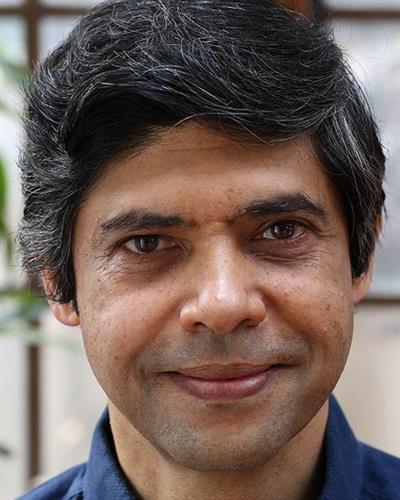
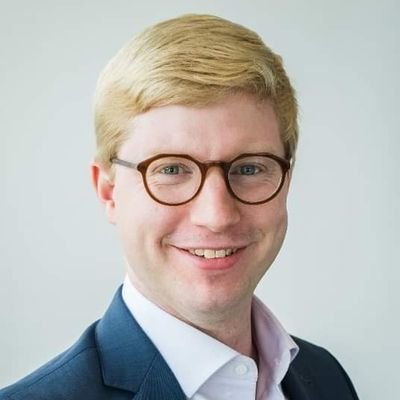
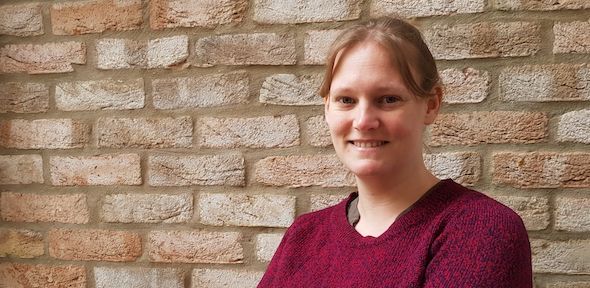
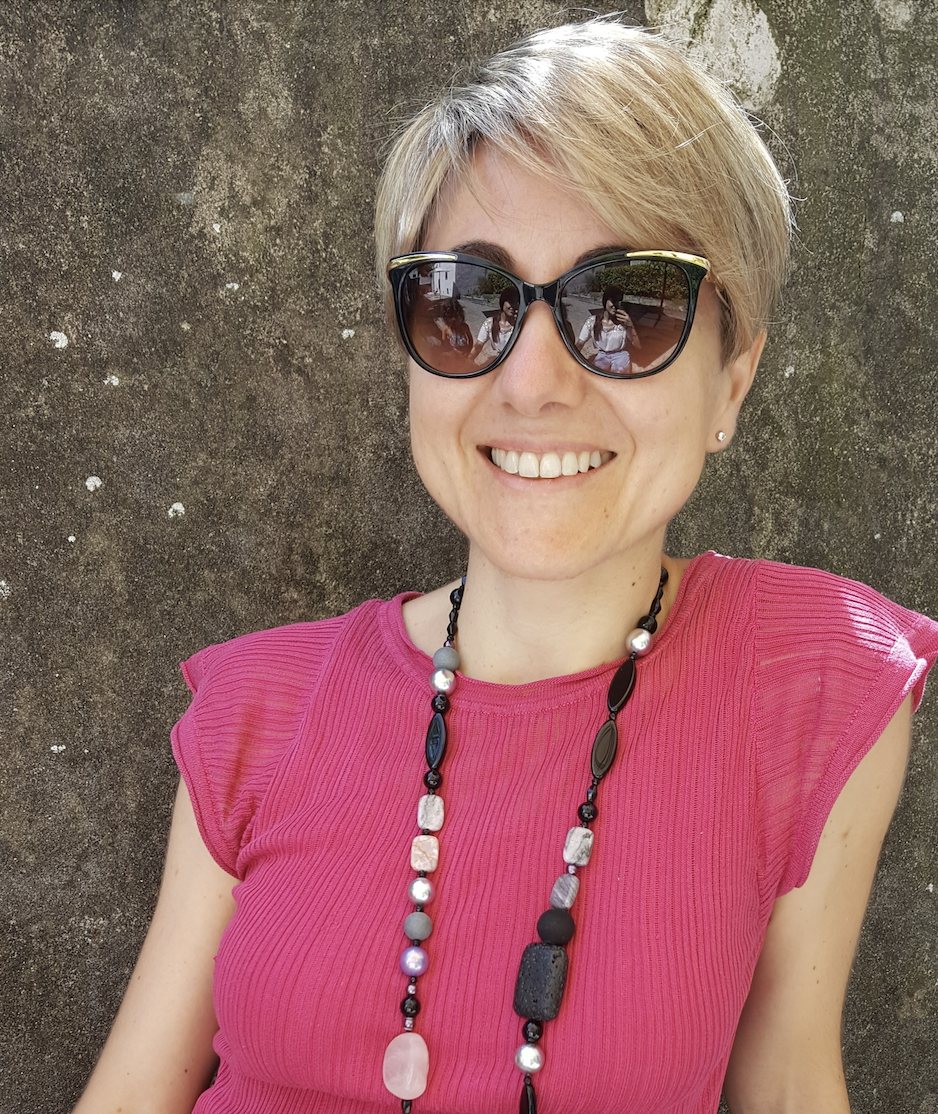
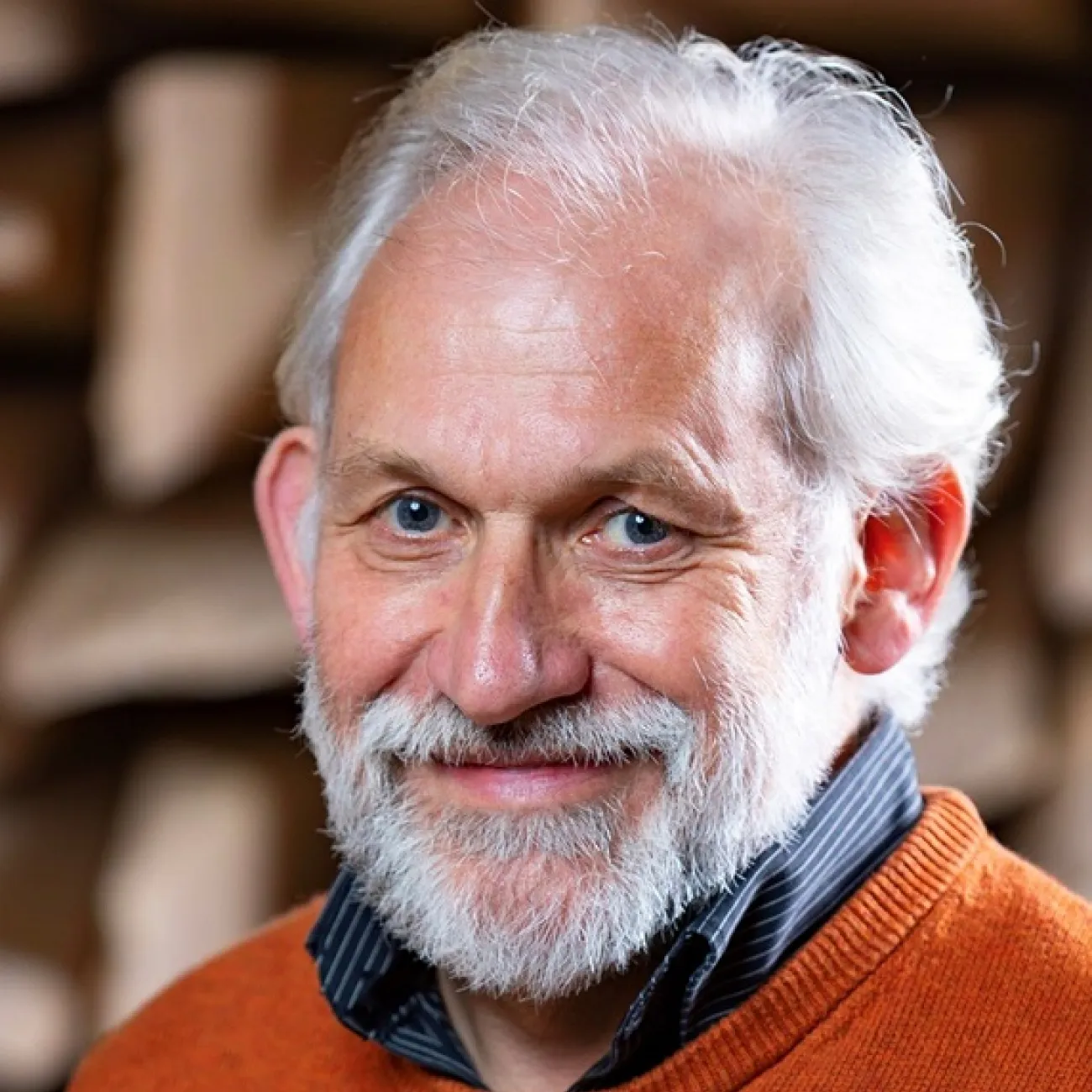
Dr. Aniruddh Patel is Professor of Psychology at Tufts University's School of Arts and Sciences. His pioneering research program in music cognition examines the mental processes underlying music perception and production, with emphasis on music-language relationships, rhythmic processing, and cross-species studies. He employs diverse methodologies including brain imaging, behavioral experiments, and comparative research with nonhuman animals. Education includes a PhD in Organismic and Evolutionary Biology from Harvard University. Dr. Patel previously served as Senior Fellow at The Neurosciences Institute (2005-2012) and President of the Society for Music Perception and Cognition (2009-2011). He is currently Fellow in the Azrieli Brain, Mind, and Consciousness program at the Canadian Institute for Advanced Research. His research output focuses on evolutionary foundations of rhythm perception, cross-species comparisons of musicality, and neural mechanisms underlying auditory illusions and predictive processing, with recent expansion into clinical applications for neurodevelopmental disorders. Fellow, Azrieli Brain, Mind, and Consciousness Program (CIFAR)
Manon Jones is a Professor in Psychology and Director of Research at Bangor University's School of Psychology and Sport Science. She directs the Miles Dyslexia Centre, a research hub providing assessment services and professional development for practitioners, and leads the RILL project—a bilingual literacy program for primary schools funded by UKRI, Nuffield Foundation, and Welsh Government. Her research explores cognitive and neurocognitive foundations of reading, dyslexia, and bilingualism. Key themes include: Cross-modal learning in dyslexia Orthographic processing across languages Remote literacy instruction efficacy Neurodivergent cognition models Syntax acquisition in bilinguals Analysis of her 15 most recent publications (2014–2025) reveals dominant foci on dyslexia mechanisms (9 papers), bilingual language processing (7 papers), and literacy intervention design (4 papers). Methodologies include eye-tracking, ERP, and randomized controlled trials, with increasing emphasis on computational modeling since 2021. She leads multiple grants including: RILL randomized control trial (Welsh Government, 2022–2026) Welsh literacy scale-up project (2024–2025) Neurodevelopmental disorder screening tool development (2022–2023) COVID-19 remote teaching research (2020–2022) She directs the Reading Brain lab and collaborates with NHS services to translate research into clinical/educational practice.
Tyler Perrachione is an Associate Professor at the Department of Speech, Language & Hearing Sciences within Sargent College at Boston University. He holds affiliations with the Department of Biomedical Engineering. His research focuses on developmental disorders of language and reading, human voice recognition, and the neural mechanisms underlying auditory perception and plasticity. He leads the Communication Neuroscience Research Laboratory, exploring speech processing efficiency, talker adaptation, and atypical neurodevelopment in conditions like autism and dyslexia. Education: Ph.D. in Neuroscience (MIT), M.A. and B.A. in Linguistics and Cognitive Science (Northwestern University). His work bridges cognitive neuroscience, audiology, and clinical linguistics, with a strong emphasis on neuroimaging and behavioral experimental methods. Key interests include how listeners adapt to vocal identity, the role of auditory cortex plasticity in speech processing, and the neural correlates of phonological deficits in reading disabilities. Research highlights include studies on cerebro-cerebellar connectivity in autism, the impact of musical training on auditory coding, and the efficacy of noninvasive neurostimulation in speech motor learning. His interdisciplinary approach addresses both fundamental science and clinical applications, such as improving language interventions for neurodevelopmental disorders.
Dr. Margreet Vogelzang is a Lecturer in Psychology at Newcastle University and an affiliated researcher at Theoretical and Applied Linguistics within the Faculty of Modern and Medieval Languages and Linguistics at the University of Cambridge. Based at the English Faculty Building, 9 West Road, Cambridge, CB3 9DP, and affiliated with Trinity College at Cambridge, she maintains a dual institutional presence that reflects the interdisciplinary nature of her work. Her research program combines neuroscientific, psychological, linguistic, and statistical methodologies to investigate language and cognitive processing across the lifespan. She specializes in multilingual syntactic and semantic processing, employing both written and spoken language paradigms with offline (comprehension, judgments) and online (eye-tracking, EEG, fMRI) measures. Her work examines how hearing loss, socio-linguistic variables, and developmental conditions like autism spectrum disorder influence language processing mechanisms. Analysis of her recent publication record reveals three dominant research trajectories: (1) bilingualism effects on cognitive flexibility in autistic children, (2) neural and cognitive mechanisms of sentence processing in individuals with hearing loss, and (3) computational modeling of pronoun interpretation across diverse populations. These strands demonstrate her consistent focus on bridging theoretical linguistics with cognitive neuroscience to address practical questions about language processing variability. Dr. Vogelzang actively supervises several graduate students including Alexander Cairncross, Andromachi Tsoukala, and Chara Triantafyllidou, and serves as course contact for Li16: Psychology of language processing and learning at Cambridge. Her teaching portfolio includes psycholinguistics, neurolinguistics, cognitive science, and research methods, reflecting her methodological expertise across experimental and computational approaches.
Steven Laureys, MD, PhD, is a Professor at the University of Liège where he leads the Coma Science Group within GIGA Consciousness. He holds dual prestigious appointments as Canada Excellence Research Chair in Integrative Neuroscience for Sustainable Mental Health and Canada Excellence Research Chair in Neuroplasticity. His clinical roles include neurologist and clinical professor at the Centre du Cerveau of the CHU of Liège, and Director of Research at the FNRS. Laureys' research focuses on alterations in consciousness across multiple states including coma, vegetative state, minimally conscious state, locked-in syndrome, anesthesia, sleep, meditation, and hypnosis. His work integrates multimodal neuroimaging (fMRI, PET, EEG), electrophysiology, and behavioral assessments to develop diagnostic and prognostic tools for disorders of consciousness (DOC). Key methodological approaches include brain connectivity mapping, metabolic analysis, and AI-driven modeling of neural dynamics. His publication portfolio reveals a strong emphasis on brain connectivity dynamics (42% of recent articles), AI applications in consciousness assessment (23%), and translational neurorehabilitation (18%). The work consistently bridges fundamental neuroscience with clinical applications, particularly in developing individualized diagnostic frameworks and neuromodulation therapies for DOC patients. Major scientific recognition includes: Francqui Prize (2017), Belgium's highest scientific honor Generet Prize (2019) Appointment as Editor-in-Chief of Brain Connectivity journal (2024) Two Canada Excellence Research Chairs (2023-2024) Laureys directs the internationally recognized Coma Science Group, which operates within the GIGA Consciousness research center. The group maintains extensive international collaborations across Europe, North America, and Asia, with particular focus on developing standardized assessment protocols and innovative neuromodulation approaches for disorders of consciousness. Current research directions emphasize neuroplasticity mechanisms, meditation's impact on brain health, and sustainable mental health frameworks through integrative neuroscience approaches.
Marc Sommer is a Professor of Biomedical Engineering and Psychology & Neuroscience at Duke University. He directs the Duke Institute for Brain Sciences and contributes to the Duke Initiative for Science & Society. His research focuses on neural circuits for cognition , particularly how the brain maintains visual perception and behavior through interactions between frontal cortex and subcortical regions. Key Techniques : Single neuron electrophysiology, optogenetics, psychophysics, computational modeling Translational Goals : Improving transcranial magnetic stimulation (TMS) and viral vector therapies for psychiatric and motor disorders Scientific Awards : Capers and Marion McDonald Award for Excellence in Teaching and Research (2021) Capers and Marion McDonald Award for Excellence in Mentoring and Advising (2017) Bass Fellow, Duke University (2017) Research Fellowship in Neuroscience, Alfred P. Sloan Foundation (2005) Marc Sommer's recent publications span visual stability across saccades , optogenetics in primates , TMS mechanisms , and viral vector applications . His work bridges cognitive neuroscience and biomedical innovation , with significant contributions to corollary discharge theory and neural circuit mapping . Lab Collaborations : Interdisciplinary partnerships across Duke University and external institutions, integrating engineering , neurobiology , and computer science to decode primate brain circuitry.
Dr. Elisa Pellegrino is a senior Post-Doc in Phonetics at the Department of Computational Linguistics , affiliated with Zeppelin University and the Digital Society Initiative of the University of Zurich . Her research focuses on voice individualization, vocal accommodation, and the role of speaker-specific information in speech temporal variability. Role: Senior Post-Doc in Phonetics University: Zeppelin University School: Faculty of Arts and Social Sciences Department: Department of Computational Linguistics Email: elisa.pellegrino@uzh.ch Research Interests: Prosody and speech rhythm in native and second language acquisition Vocal accommodation in cross-dialectal interactions Speaker individuality and forensic phonetics Age-related speech temporal variability Speech disorders and Parkinson’s disease Applications of speech technology in linguistics and education
Professor David Simpson is a biomedical engineer and Professor of Biomedical Signal Processing at the University of Southampton. His research focuses on applying engineering techniques to medical contexts, particularly in developing diagnostic and patient monitoring methods using signal processing. Key areas include blood flow control in the brain, auditory evoked potentials for hearing disorders, and collaborations with clinical partners. Current roles: Academic leadership in biomedical engineering Research emphasis: Neurophysiology, cardiovascular systems, and medical signal analysis He teaches engineering students to address real-world medical challenges, aiming to bridge engineering and clinical practice. His work involves interdisciplinary collaborations to advance patient care through technological innovation.
Psyche Loui is an Associate Professor of Creativity and Creative Practice in the Department of Music at Northeastern University, leading the Music, Imaging, and Neural Dynamics (MIND) Lab. She holds a PhD in Psychology from UC Berkeley and dual bachelor’s degrees in Psychology and Music from Duke University. Her research focuses on the neuroscience of music perception, including how music influences attention, emotion, and neurological conditions like ADHD. Her work has been supported by major grants from the NSF and NIH, and she has received awards such as the Templeton Positive Neuroscience Award and a NSF CAREER Award. Education : PhD in Psychology (Cognition, Brain, and Behavior), University of California, Berkeley Bachelor’s in Psychology and Music, Duke University Research & Grants : Loui’s research explores how neural mechanisms underpin music perception and cognition, with recent studies investigating the efficacy of algorithmically generated music for improving focus in ADHD. Her grants include NIH funding for projects like ‘Gamma-Music-Based Intervention for Alzheimer’s’ ($2.7M) and NSF support for ‘Reward Prediction in Creative Perception.’ Awards : National Science Foundation CAREER Award (2020) Templeton Positive Neuroscience Award (2010) Multiple Grammy Awards (text reference) Labs & Teams : Loui directs the MIND Lab, which uses neuroimaging and electrophysiology to study music-brain interactions. Collaborations include work with Brain.fm on attention-focused music interventions and global studies on cross-cultural music patterns. Teaching : Courses include Music Cognition , Acoustics and Psychoacoustics , and Creative Cognition , bridging theory with practical applications in neuroscience and education.
Efthymios Papatzikis is a Professor of Infant Brain Development at Oslo Metropolitan University’s Faculty of Education and International Studies. He leads the Advanced Health Intelligence and Brain-Inspired Technologies (ADEPT) Research Group, focusing on brain development in the first 1500 days of life using neuroimaging, behavioral analysis, and AI-driven tools. Research Focus: Multimodal neuroimaging (qEEG, ABR, aEEG), computational neuroscience, AI in NICU diagnostics, and personalized sound/music interventions. Collaborations: Harvard University, Martinos Center for Biomedical Imaging, UCL, and Bergen University. Editorial Roles: Associate Editor for Frontiers in Pediatric Psychology, Guest Editor for Frontiers in Pediatric Neurology. His work bridges neuroscience with clinical neonatal care, emphasizing family-centered medicine and precision diagnostics. Recent projects include EU Cost Action CA22111 on real-world environments’ impact on brain development. Scientific Awards: Fellow of the Higher Education Academy (FHEA), UK Certified Specialist in Social Prescribing by the World Health Organization He contributes to journals as reviewer and editor, co-develops computational tools for NICU EEG analysis, and advises international foundations on maternal/child health and early childhood education.
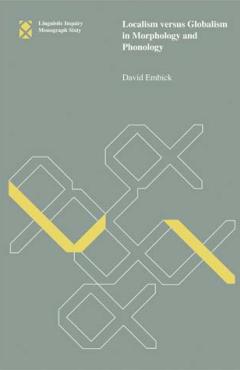
David Embick is a Professor in the Department of Linguistics at the University of Pennsylvania's School of Arts & Sciences. He received his Ph.D. from the University of Pennsylvania in 1997 and has established himself as a leading scholar in theoretical and experimental linguistics. Ph.D., University of Pennsylvania, 1997 Professor Embick's research spans both theoretical and experimental linguistics, with a focus on syntactic theory, morphological theory (particularly Distributed Morphology), and the syntax/morphology interface. His work explores syntax and phonological form, argument structure, lexical knowledge, and language processing in the brain. He has developed significant research in language and autism using MEG neuroimaging techniques. His theoretical contributions include the Localist approach to morphology and phonology, which contrasts with Globalist theories like Optimality Theory. His recent publications reveal a strong trend toward integrating theoretical linguistics with experimental psycholinguistics, particularly in morphological processing and spoken word recognition. Embick's work bridges theoretical syntax and morphology with cognitive neuroscience, examining how linguistic structures are represented and processed in the brain. His research on autism spectrum disorders has produced important insights into auditory processing differences in this population. Professor Embick leads the XMorph (Experimental Morphology) Lab at Penn, which investigates lexical and morphological representation and processing. The lab works closely with Meredith Tamminga's Language Variation and Cognition Lab and collaborates with Tim Roberts at the Children's Hospital of Philadelphia on autism spectrum disorder research. His lab has produced significant work on morphological priming, semantic transparency effects, and the representation of inflectional morphology in the mental lexicon. Embick has advised several doctoral students including Ava Creemers (2020), Robert J. Wilder (2018), and Amy Goodwin Davies (2018), whose dissertation topics focused on morphological processing, speech perception, and lexical representation respectively. His collaborative research spans multiple institutions and disciplines, connecting theoretical linguistics with cognitive neuroscience and clinical applications.
Jagath Samarabandu is a Professor in the Department of Electrical and Computer Engineering at Western University. He holds a Ph.D. and M.S. in Electrical Engineering from SUNY Buffalo, and a B.Sc. in Electronics and Telecommunication Engineering from the University of Moratuwa, Sri Lanka. His academic career spans since joining Western University in 2000, with prior post-doctoral experience at SUNY Buffalo and industry work at Life Imaging Systems Inc. Education: Ph.D. Electrical Engineering, SUNY Buffalo M.S. Electrical Engineering, SUNY Buffalo B.Sc (Eng) Electronics and Telecommunication, University of Moratuwa His research focuses on Artificial Intelligence, Machine Learning, Image Analysis, and Cyber Security , with applications in biomedical imaging, network intrusion detection, and civil infrastructure monitoring. He has supervised numerous graduate students working on topics ranging from chromosome analysis to smart grid security. Recent publications highlight his work in medical AI applications (auditory processing disorder diagnosis), industrial time-series analysis (using contrastive predictive coding), and network security frameworks (INSecS system development). He has contributed to 3D ultrasound segmentation, prostate motion compensation algorithms, and synthetic aperture radar systems. Key projects include NSERC-funded intelligent home monitoring systems for elderly care and low-cost synthetic aperture radar development for search-and-rescue applications.
Edward F. Chang, MD is a distinguished Professor and Chair of the Department of Neurological Surgery at the University of California, San Francisco (UCSF) School of Medicine. He co-directs the Center for Neural Engineering and Prostheses, a collaborative enterprise between UCSF and UC Berkeley, and leads the Chang Lab focused on speech neuroscience and neural engineering. As a practicing neurosurgeon, he specializes in treating adults with difficult-to-control epilepsy, brain tumors, trigeminal neuralgia, hemifacial spasm, and movement disorders. Dr. Chang's educational background includes a B.A. in Chemistry from Amherst College (1997), an M.D. from UCSF (2004), a Neurological Surgery residency at UCSF (2010), and a postdoctoral fellowship in Cognitive Neuroscience at UC Berkeley (2009). His research focuses on the brain mechanisms for speech, movement, and learning, with particular emphasis on advanced brain mapping methods to preserve crucial areas for speech and motor functions. He has pioneered work in speech neuroprostheses, developing technology that allows patients with paralysis to communicate through brain signals. His work integrates engineering, neurology, and neurosurgery to develop state-of-the-art biomedical technology to restore function for patients with neurological disabilities such as paralysis and speech disorders. Analysis of his recent publications reveals a strong trend toward developing advanced neuroprosthetic technologies, particularly speech decoding systems, and exploring the neural basis of speech production across multiple languages. His research also spans epilepsy surgery optimization, deep brain stimulation for psychiatric conditions, and molecular profiling of brain tumors. Blavatnik National Laureate for Life Sciences (2015) Elected to the National Academy of Medicine (2020) Inaugural Bowes Biomedical Investigator at UCSF HHMI Faculty Scholar Dr. Chang leads multiple NIH-funded research projects totaling millions of dollars, including a pilot clinical trial for speech neuroprosthesis and studies on the neural coding of speech across human languages. He has mentored numerous researchers in the field of neural engineering and speech neuroscience, though specific student names aren't listed in the provided materials. His work has resulted in groundbreaking technologies that have helped restore communication abilities to individuals with paralysis. As co-director of the Center for Neural Engineering and Prostheses, Dr. Chang leads a multidisciplinary team of engineers, neurologists, and neurosurgeons working at the intersection of neuroscience and technology. His lab has been instrumental in developing brain-computer interfaces that translate neural activity into speech, with recent publications demonstrating streaming brain-to-voice neuroprostheses that restore naturalistic communication.
Hal Blumenfeld, MD, PhD, is a Professor of Neurology, Neuroscience, and Neurosurgery at Yale University's School of Medicine, serving as Director of the Clinical Neuroscience Imaging Center (CNIC). He specializes in epilepsy, consciousness, and neuroimaging. His research focuses on understanding the mechanisms underlying impaired consciousness during seizures and developing innovative diagnostic and treatment approaches. Dr. Blumenfeld holds a PhD from Columbia University and completed neurology residency at Massachusetts General Hospital. Appointments: Neurology (Primary), Neuroscience & Neurosurgery (Secondary) Key Roles: Director, CNIC; Author, Neuroanatomy Through Clinical Cases Research Interests: Epilepsy , Consciousness , Neuroimaging , and Cortical-Subcortical Mechanisms . His work combines human and animal models to study seizure-induced consciousness impairment, with a focus on neurovascular coupling, EEG-fMRI, and wearable technologies for real-time monitoring. Publications highlight advancements in understanding absence epilepsy, focal seizures, and the neural correlates of sensory perception. Recent studies explore cholinergic arousal deficits and predictive models for impaired consciousness. His team has developed the ARTiE Watch for automated responsiveness testing in epilepsy. Awards : Javits Neuroscience Investigator Award (NIH), Francis Gilman Blake Award (Yale), and Whitaker Visiting Professorship (ANA). Labs & Teams : Blumenfeld Lab, CNIC, and collaborations with the Kavli Institute for Neuroscience.
Xue Han is a Professor of Biomedical Engineering at Boston University (BU), affiliated with the Han Lab. His primary academic appointment is in the Biomedical Engineering department, with additional affiliations in Neuroscience & Neuroengineering, and Photonics & Optical Systems. He holds a PhD in Physiology from the University of Wisconsin-Madison and a B.S. in Biophysics from Beijing University, China. Dr. Han’s research focuses on addressing unmet medical needs in brain disorders by developing novel neuromodulation therapies. His work combines genetic, molecular, pharmacological, optical, and electrical tools to study neural circuit dynamics, with a particular emphasis on optogenetics and optical neural modulation. Key projects include pioneering light-based neuron silencing techniques and pre-clinical testing of neurotechnologies like transcranial ultrasound stimulation. His lab investigates how neural synchrony contributes to cognition and pathology, aiming to link neural activity to behaviors like movement, attention, and decision-making. His recent publications emphasize high-frequency electrical stimulation effects, membrane voltage imaging, and the impact of neuromodulation on brain rhythms. Notable themes include the role of PV neurons in cortical coding, ultrasound-based neuron activation, and the interplay between neural oscillations and disease states. While no formal awards are listed, his prolific output highlights contributions to neurotechnology and systems neuroscience. Dr. Han’s lab develops advanced imaging tools like targeted-illumination confocal microscopy (TICO) and collaborates on projects involving exosome-mediated therapies and brain-computer interfaces. Ongoing work explores translational applications of neurophotonic tools and the mechanistic basis of neuromodulation therapies for disorders like Parkinson’s and epilepsy.