معرفی
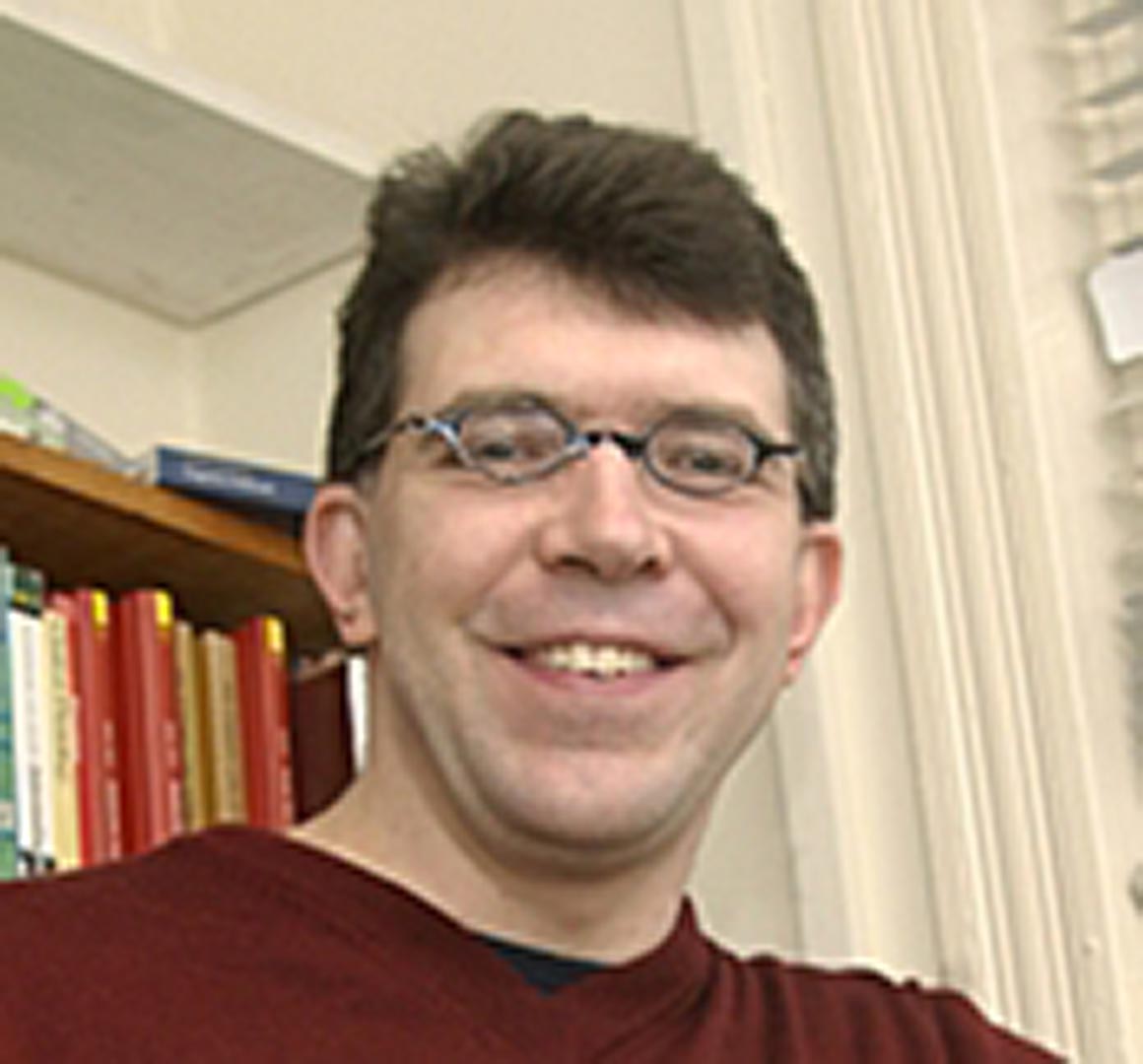
David Embick is a Professor in the Department of Linguistics at the University of Pennsylvania's School of Arts & Sciences. He received his Ph.D. from the University of Pennsylvania in 1997 and has established himself as a leading scholar in theoretical and experimental linguistics.
- Ph.D., University of Pennsylvania, 1997
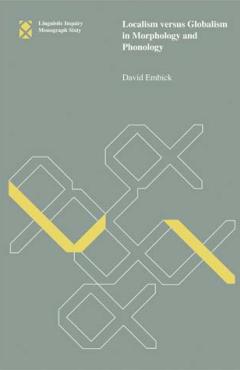
Professor Embick's research spans both theoretical and experimental linguistics, with a focus on syntactic theory, morphological theory (particularly Distributed Morphology), and the syntax/morphology interface. His work explores syntax and phonological form, argument structure, lexical knowledge, and language processing in the brain. He has developed significant research in language and autism using MEG neuroimaging techniques. His theoretical contributions include the Localist approach to morphology and phonology, which contrasts with Globalist theories like Optimality Theory.
His recent publications reveal a strong trend toward integrating theoretical linguistics with experimental psycholinguistics, particularly in morphological processing and spoken word recognition. Embick's work bridges theoretical syntax and morphology with cognitive neuroscience, examining how linguistic structures are represented and processed in the brain. His research on autism spectrum disorders has produced important insights into auditory processing differences in this population.
Professor Embick leads the XMorph (Experimental Morphology) Lab at Penn, which investigates lexical and morphological representation and processing. The lab works closely with Meredith Tamminga's Language Variation and Cognition Lab and collaborates with Tim Roberts at the Children's Hospital of Philadelphia on autism spectrum disorder research. His lab has produced significant work on morphological priming, semantic transparency effects, and the representation of inflectional morphology in the mental lexicon.
Embick has advised several doctoral students including Ava Creemers (2020), Robert J. Wilder (2018), and Amy Goodwin Davies (2018), whose dissertation topics focused on morphological processing, speech perception, and lexical representation respectively. His collaborative research spans multiple institutions and disciplines, connecting theoretical linguistics with cognitive neuroscience and clinical applications.