Maggie Vinterمشاهده پروفایل
دانشیار
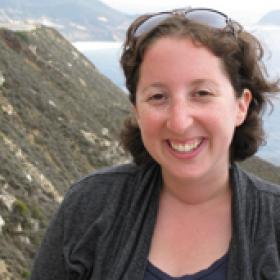
Maggie Vinter serves as Associate Professor in the Department of English at Case Western Reserve University, where she teaches undergraduate and graduate courses on pre-1800 literature with expertise in Shakespearean drama, global renaissance contexts, theatrical theory, and interdisciplinary explorations of science, magic, gender, and death representation. Based in Guilford Hall, she contributes significantly to the department's historical curriculum and academic community. Her educational background includes a PhD from Johns Hopkins University (2013), establishing her specialization in early modern English literary culture. Dr. Vinter's research centers on death rituals in Renaissance theater, as demonstrated by her monograph Last Acts: The Art of Dying on the Early Modern Stage (Fordham University Press, 2019), which reinterprets theatrical death as political action rather than passive suffering. Current book projects investigate involuntary bodily responses in Shakespearean aesthetics ( Bodily Betrayal and Automatic Aesthetics ) and historical models of literary replication ( Contagious Forms ), extending her inquiry into gender dynamics, global renaissance networks, and philosophical dimensions of performance. Analysis of her recent publications reveals methodological evolution from foundational death studies toward somatic theory and textual contagion. Articles in Shakespeare Quarterly and English Literary Renaissance examine auditory perception in Hamlet , Othello's corpse politics, and Shylock's laughter, demonstrating how Renaissance drama staged complex human experiences through performative frameworks across diverse cultural contexts. Though no specific awards are documented, her scholarly impact is evident through publications in premier journals including ELH and Renaissance Drama , along with contributions to edited collections on Shakespearean death arts (Palgrave, 2022) and enchantment theory (Routledge, 2016). Dr. Vinter mentors graduate students in the English department's MA and PhD programs through specialized seminars on early modern literature, supported by departmental assistantship funding. Her teaching prepares students for advanced research in literary history and theory while engaging with the Writers Resource Center and English Graduate Student Association initiatives. She participates in CWRU's academic ecosystem through the Writers House and departmental events, though no dedicated research laboratory or formal team structure is specified in available materials.