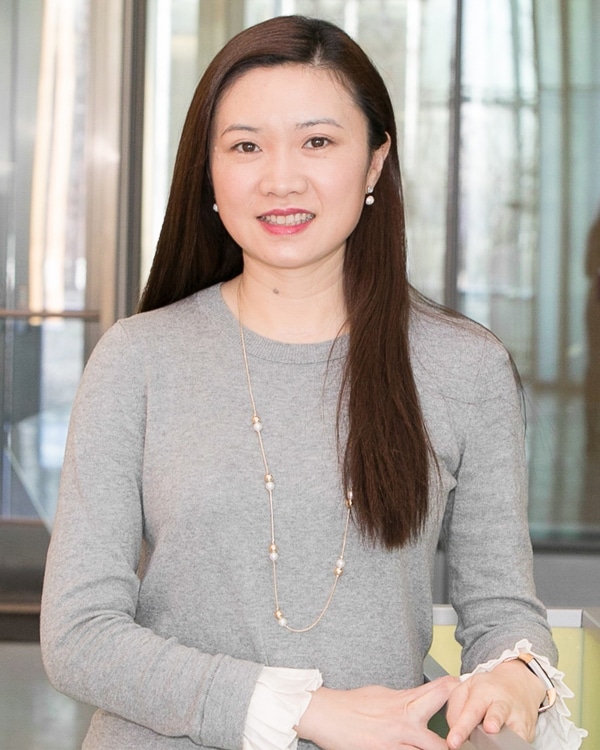
Monika Sharma is an Instructor in the Department of Neurology at Yale School of Medicine, affiliated with the Adams Center for Parkinson's Disease Research. Her work focuses on neuroinflammation, mitochondrial dysfunction, and adrenergic receptor mechanisms in neurodegenerative disorders such as Parkinson’s disease. Her research explores the role of β2-adrenergic agonists like Salmeterol in modulating microglial activation, neuroinflammatory pathways, and mitochondrial biology. She investigates molecular mechanisms linking inflammation to neurodegeneration, with a particular emphasis on Parkinson’s disease. Publications highlight her contributions to understanding how adrenergic signaling impacts neuroinflammatory responses, therapeutic approaches for neurodegenerative diseases, and the interplay between molecular biology and clinical neuroscience. She is based in the Scherzer Lab at Yale and maintains an academic office at 101 College Street, New Haven, CT.
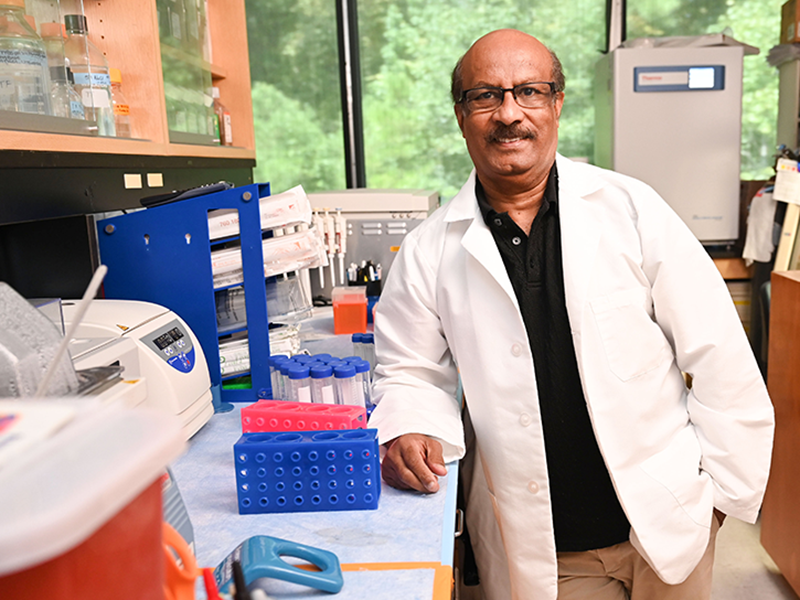
Prasun K. Datta is an Associate Professor in the Department of Microbiology and Immunology at Tulane University's School of Medicine, located in Covington, Louisiana. His research focuses on HIV-1 pathogenesis, neuroinflammation, and the interplay between viral infections and cellular metabolism. He investigates how HIV-1 exploits metabolic pathways in macrophages/microglia to establish latent CNS reservoirs and explores mechanisms linking substance abuse (opioids/cocaine) to neurodegeneration. Recent work includes studies on SARS-CoV-2 neurotropism and long-COVID pathogenesis in non-human primate models. Education: BS/MS/PhD in Biological Sciences from Calcutta University Research Interests: Integrates virology, immunology, and neurobiology to address critical questions in viral neuropathogenesis. Key areas include: HIV-1 reservoir persistence in the CNS Roles of extracellular vesicles in neuroinflammation Metabolic reprogramming in infected macrophages Cross-talk between viral proteins and host epigenetic machinery Molecular mechanisms of SARS-CoV-2 CNS invasion Publications highlight translational research across HIV/AIDS, neuroimmunology, and emerging infectious diseases. Over 40 peer-reviewed articles in journals like Nature Communications , Cell Cycle , and Journal of Virology demonstrate sustained contributions to understanding viral-host interactions.
Maria Ankarcrona is Professor of Experimental Neurogeriatrics and Head of the Department of Neurobiology, Care Sciences and Society (NVS) at Karolinska Institutet since 2021. Her research focuses on mitochondrial dysfunction in Alzheimer's disease, particularly ER-mitochondria interactions and Aβ peptide mechanisms. She has coordinated EU-funded JPND/VR projects and leads one of KI's largest departments with extensive research and educational responsibilities. Professor of Experimental Neurogeriatrics, Karolinska Institutet (2018-) Head of Department, NVS (2021-) Research Interests: Mitochondrial import of Aβ peptides via TOM complex ER-Mitochondria contact sites (MAM) in synaptic regulation Flavonoids as mitochondrial stabilizers Neuron-astrocyte mitochondrial transfer mechanisms Calcium signaling dysregulation in AD Early bioenergetic changes in AD pathogenesis Article Trends: 2018-2024 publications emphasize mitochondrial-ER interplay across 15+ journals 2023 work connects mitochondrial dysfunction to neuroinflammation and synaptic changes 2022 studies explore exocytosis regulation and astrocyte energy metabolism 2021 articles highlight flavonoid discovery and MIEF1/2 mitochondrial dynamics Longitudinal focus on TOM70's role in calcium transfer (2018-2024) Scientific Awards: KI Work Environment Award 2024 (shared with administrative manager) Education & Supervision: PhD in Biology and Chemistry, Stockholm University (1991) Supervised 5 completed doctoral students, currently supervising 1 PhD student Responsible for neurodegeneration modules in KI's Biomedicine Master's program Research Group Highlights: Identified early mitochondrial dysfunction preceding Aβ deposition Developed reversible chemogenetic reporters for membrane contact dynamics Established flavonoid-based mitochondrial enhancer screening platform Discovered TOM70's role in ER-mitochondria calcium transfer Active in JPND/VR EU consortium for cross-disease mitochondrial research
Professor William Colledge is a faculty member at the University of Cambridge , affiliated with the School of the Biological Sciences and the Department of Physiology, Development and Neuroscience . His research focuses on the neuroendocrine regulation of mammalian reproduction , particularly the molecular mechanisms underlying puberty initiation and fertility. Professor of Reproductive Physiology Joint Head of Department Research areas: Neuroendocrinology, Reproductive Physiology, Hypothalamic Kiss1 neurons Techniques: Mouse transgenesis, Hormone assays, qRT-PCR Email: whc23@cam.ac.uk Research Highlights: Recent publications emphasize kisspeptin neuron function, GnRH regulation, estrogen signaling, and transcriptomic profiling of hypothalamic regions. The work spans neurobiology, molecular endocrinology, and reproductive genetics using mouse models.
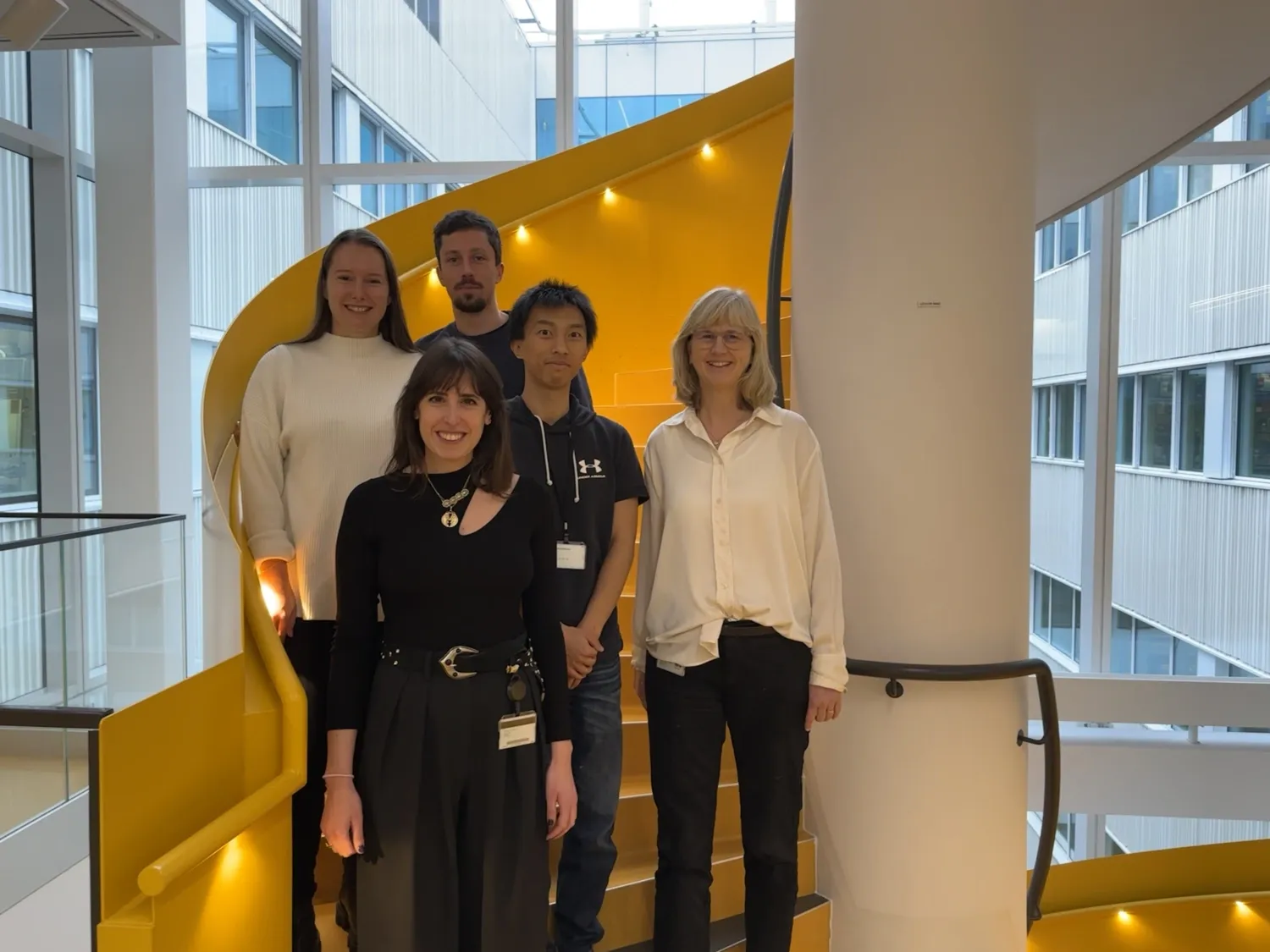
Dr. Jan M. Deussing is a Research Group Leader at the Max Planck Institute of Psychiatry in Munich, Germany, where he heads the Molecular Neurogenetics research group. He is a regular member of MCN and GSN with full faculty status, focusing on the intersection of genetics, neuroscience, and psychiatry. His work at the Core Unit Genetically Engineered Mouse Models (GEMMs) positions him at the forefront of translational research on stress-related neuropsychiatric disorders. Dr. Deussing's research program investigates how genetic risk factors interact with environmental stressors to influence the development of neuropsychiatric conditions. His laboratory employs sophisticated mouse models to dissect the epigenetic mechanisms and neural circuits underlying disorders like bipolar disorder, depression, and anxiety. Recent work has focused on corticotropin-releasing hormone (CRH) systems, FKBP51 protein function, P2X7 receptors, and genetic variants associated with bipolar disorder. A September 2024 press release highlighted his team's successful decoding of a risk gene for bipolar disorder, accompanied by an explanatory comic illustrating their findings. Analysis of Dr. Deussing's recent publications reveals a strong emphasis on molecular mechanisms of stress response, with particular focus on CRH signaling pathways, FKBP51 co-chaperone function, and genetic determinants of bipolar disorder. His work spans from basic molecular neuroscience to translational applications, with increasing attention to sex-specific effects in stress susceptibility and resilience. The research employs cutting-edge techniques including genetically engineered mouse models, multi-omics approaches, and deep behavioral phenotyping. Dr. Deussing mentors several graduate students including Simon Chang, Lidia Urbina Treviño, and Clemens Ries, with former students like Laura Sotillos Elliott having completed their training under his supervision. His laboratory collaborates extensively with other research groups at the Max Planck Institute and internationally, particularly on projects involving neural circuit mapping and molecular mechanisms of psychiatric disorders. The Deussing Lab operates within the Molecular Neurogenetics department of the Max Planck Institute of Psychiatry, utilizing the Core Unit Genetically Engineered Mouse Models (GEMMs) to investigate stress-related neuropsychiatric disorders. The team employs a multidisciplinary approach combining molecular biology, behavioral neuroscience, and genetic engineering to unravel the complex interplay between genetic predisposition and environmental stressors in mental health conditions.
Amy Reeve is a Researcher at Newcastle University , specializing in mitochondrial biology and neurodegenerative diseases. Her work focuses on mitochondrial dysfunction in Parkinson's disease, aging, and multiple sclerosis, with collaborations involving Emeritus Professor Doug Turnbull and Professor Robert Taylor. Research Interests: Mitochondrial DNA mutations, oxidative phosphorylation, synaptic degeneration, and age-related neurodegeneration. Publications Trends: Recent studies emphasize mitochondrial quality control proteins, OXPHOS complex deficiencies, and the interplay between alpha-synuclein pathology and mitochondrial defects in neurodegeneration.
Paul Rosenberg is an Associate Professor of Neurology at Harvard Medical School and a Senior Associate in the Department of Neurology at the Waltham Sleep Center. His research focuses on neurodegenerative diseases, brain injury in premature infants, sleep mechanisms, and glutamate signaling. He holds an MD from Albert Einstein College of Medicine (1978) and a PhD, with residency training at Longwood Area Neurological Training Program (1982) and a fellowship at Boston Children's Hospital (1985). Rosenberg's research spans neurodegeneration (Alzheimer's, Huntington's), excitotoxic mechanisms, and the role of glutamate transporters like GLT-1. His work also addresses oxidative stress, zinc homeostasis, and developmental neurobiology. Clinically, he combines sleep medicine practice with neurology, emphasizing translational research. Key areas of study include the pathophysiology of periventricular leukomalacia, cerebral white matter injury, and the interplay between glutamate transport and neurodegeneration. His findings on GLT-1's role in synaptic and mitochondrial function have advanced understanding of excitotoxic injury and therapeutic targets. Publications highlight his contributions to glutamate transporter biology, neurovascular reactivity in Alzheimer's, and the redox mechanisms of excitotoxicity. Rosenberg's work bridges basic science and clinical applications, particularly in neuroprotection strategies for neurodegenerative and developmental disorders.
Frauke Ackermann, PhD is a Group Leader within the Career Development Fellow Programme at the German Center for Neurodegenerative Diseases (DZNE) in Berlin. Her research focuses on understanding the interplay between synaptic proteins, neurons, and astrocytes in neurodegenerative diseases. Her work centers on the presynaptic active zone protein Piccolo, which is implicated in Pontocerebellar Hypoplasia type 3 (PCH3) — a severe childhood neurodegenerative disorder caused by mutations in the Piccolo gene. Using Piccolo knockout rat models and human induced pluripotent stem cells (iPSCs) with CRISPR/Cas9 gene editing, she investigates how synaptic dysfunction and astrocyte interactions contribute to PCH3 progression, including cerebellar atrophy, motor deficits, and seizures. Scientific Awards : Career Development Fellow, DZNE Her group employs primary cell cultures, advanced microscopy, and biochemical methods to unravel disease mechanisms and develop human disease models for translational research.
Dr. Vincent Croset is an Assistant Professor in the Department of Biosciences at Durham University and a Fellow of the Wolfson Research Institute for Health and Wellbeing. He holds a PhD from the University of Lausanne, Switzerland, where his research focused on chemosensory receptor evolution. His current work investigates the interplay between neuronal activity and transcriptional regulation in Drosophila melanogaster, combining single-cell transcriptomics, behavior analysis, and neuronal imaging to uncover mechanisms underlying memory, dopamine signaling, and homeostasis. Key research areas include structural plasticity in dopaminergic circuits, D-serine signaling in thirst regulation, and astrocytic roles in water consumption. Research Interests: Neurogenetics and behavioral neuroscience Single-cell transcriptomics Dopamine pathways and reward systems Sensory systems and chemoreception Circadian rhythms and environmental entrainment Publications highlight contributions to understanding: Neurotrophin-mediated structural plasticity Thirst-driven gliotransmission mechanisms Cellular diversity in Drosophila neural tissues He currently supervises 8 PhD/MSc students and collaborates with institutions worldwide. His lab focuses on translating findings to inform treatments for neurological disorders such as addiction and neurodegenerative diseases.
Susan Zonglu Hua is a Professor in the Department of Mechanical and Aerospace Engineering at the University at Buffalo (School of Engineering and Applied Sciences). Her research focuses on cellular mechanosensitivity, cell-cell/ECM interactions, and traumatic brain injury (TBI), utilizing microfluidic devices and live-cell imaging techniques. She holds a PhD in Materials Science and Engineering from the University of Maryland (1993), and bachelor's/master's degrees in Physics from Peking University (1982/1984). Research Interests Dr. Hua investigates how mechanical forces influence cellular behavior, particularly in epithelial cells and astrocytes. Her work explores Piezo1 channel-mediated signaling, ECM stiffness effects, and TBI mechanisms. She has pioneered microfluidic platforms to study mechanotransduction and cell-volume regulation, with applications in neuroscience and biomedical engineering. Key Contributions Her recent work (2018-2023) highlights cellular responses to mechanical stimuli, including nuclear shrinkage under shear stress and the role of Aβ peptides in modulating Piezo1 activity. She has also advanced nanotechnology with studies on magnetoresistance in Ni nanocontacts and microfluidic-based biosensors. Awards: UB Sustained Achievement Award (2015), Visionary Innovator Award (2006/2012) Lab Focus: Integrates engineering tools with biological systems to study mechanobiology and develop diagnostic microfluidic devices
Jia Liu is a Research Associate Professor in the Neuroscience Initiative at the Advanced Science Research Center (ASRC) of The City University of New York (CUNY). She serves as Director of the Epigenetics Facility and the Rodent Behavioral Analysis Suite. Her research focuses on the interplay between environmental factors (e.g., stress, diet, air pollutants) and glial cells, particularly oligodendrocytes and myelination, in psychiatric disorders. She received her Ph.D. in Neuroscience from Wesleyan University and completed postdoctoral training at Icahn School of Medicine at Mount Sinai, where she studied epigenetic mechanisms in myelination and oligodendrocyte development. Her work bridges molecular neuroscience, epigenetics, and behavioral models to understand stress-related mental health outcomes. She has pioneered studies demonstrating the role of oligodendrocyte dysfunction in depression and anxiety, challenging traditional neuron-centric models of mental illness. Research Interests: Her lab investigates how environmental stressors impact glial cells and epigenetic regulation to influence mental health. Key areas include myelin dynamics in psychiatric disorders, epigenetic mechanisms governing oligodendrocyte function, and novel strategies to enhance stress resilience through glial modulation. Recent work has identified histone methyltransferases and microglial lipid pathways as critical players in stress-induced neurodegeneration and behavioral deficits. Lab Facilities: As facility director, she oversees advanced epigenetic analysis (e.g., ChIP-seq, RNA-seq) and behavioral phenotyping (e.g., anxiety/depression assays, optogenetic tools). The Epigenetics Facility supports single-cell genomics and flow cytometry, while the Rodent Behavioral Analysis Suite enables comprehensive preclinical behavioral studies. Future Work: Current projects explore air pollutant exposure’s effects on glial-epigenetic interactions in mental health, and translational approaches to target oligodendrocyte plasticity for treating stress-related disorders.
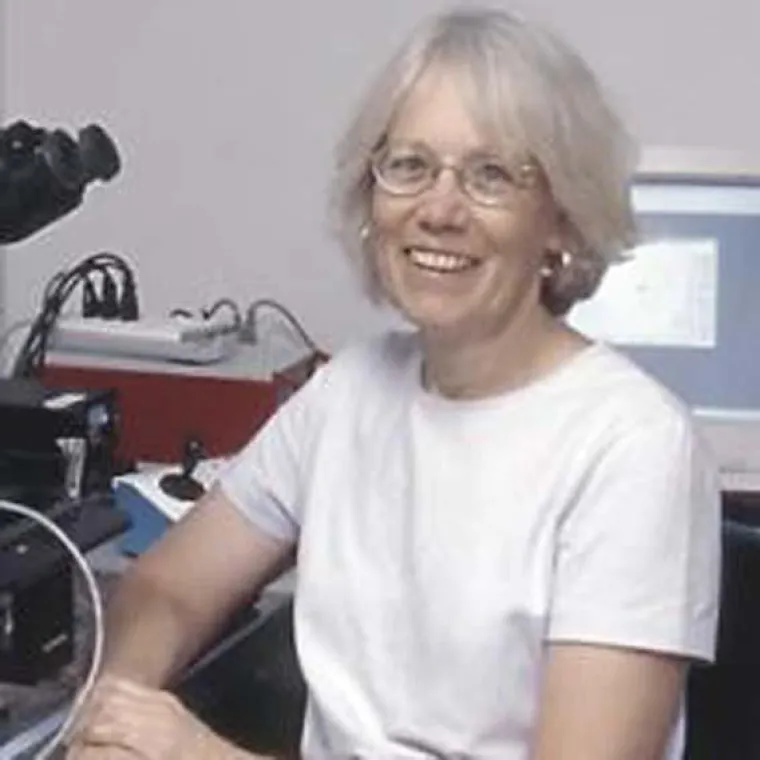
Lynne Oland, Ph.D., is a Research Professor Emerita at the University of Arizona, where she previously directed the Undergraduate Neuroscience and Cognitive Science (NSCS) Program from 2011 to 2019. Her research focuses on neuron-glia interactions in the developing and mature nervous system, with particular emphasis on glial roles in synaptic modulation, olfactory system development, and signaling mechanisms in insects like Manduca sexta and Drosophila. She co-directed her lab with Leslie Tolbert, Regents Professor, and contributed to groundbreaking studies on glial cell migration, axon sorting, and synaptic regulation via GABA transporters and calcium signaling. As NSCS Program Director, Dr. Oland spearheaded a program recognized for fostering a tight-knit community of high-achieving students, including a significant proportion of first-generation and Hispanic students. The program’s success included students with strong academic performance (average GPA 3.51 in 2018) and active involvement in research and outreach. Her research highlights include discoveries about glial stabilization of olfactory glomeruli, axon-glial signaling via EGF/FGF receptors, and astrocyte roles in Drosophila synapses. Her work underscores glia’s dynamic role beyond traditional support functions, influencing neuronal viability, axon guidance, and synaptic plasticity. Labs and collaborations centered on interdisciplinary approaches, combining electrophysiology, microscopy, and genetic models. Her legacy includes foundational insights into glial-neuronal interplay, with implications for understanding neurological development and dysfunction.
Fei Yin is an Associate Professor in Pharmacology at the University of Arizona, with a research focus on molecular and cellular mechanisms of neurodegeneration, particularly in Alzheimer's disease. Their work integrates lipid metabolism, mitochondrial dysfunction, and neuroinflammation within the context of APOE4 genotype and sex-specific risk factors. Key research themes include: Lipid-centric models of Alzheimer's pathogenesis Neuroimmune interactions during aging Metabolic reprogramming in neurodegenerative contexts Interplay between mitochondrial genetics and hormonal status Recent publications highlight therapeutic strategies targeting mitochondrial dysfunction and metabolic interventions (e.g., methionine restriction, high-fiber diets) to mitigate cognitive decline. Their work spans both basic science and translational approaches. Scientific recognitions include: 2019 Bio5 Institute Team Scholars Award 2017 Packer Wentz Endowment funding 2014 Linus Pauling Institute Young Investigator Award The Yin Laboratory develops novel therapeutics by restoring lipid homeostasis and investigates maternal mitochondrial DNA effects on brain metabolism and disease risks.
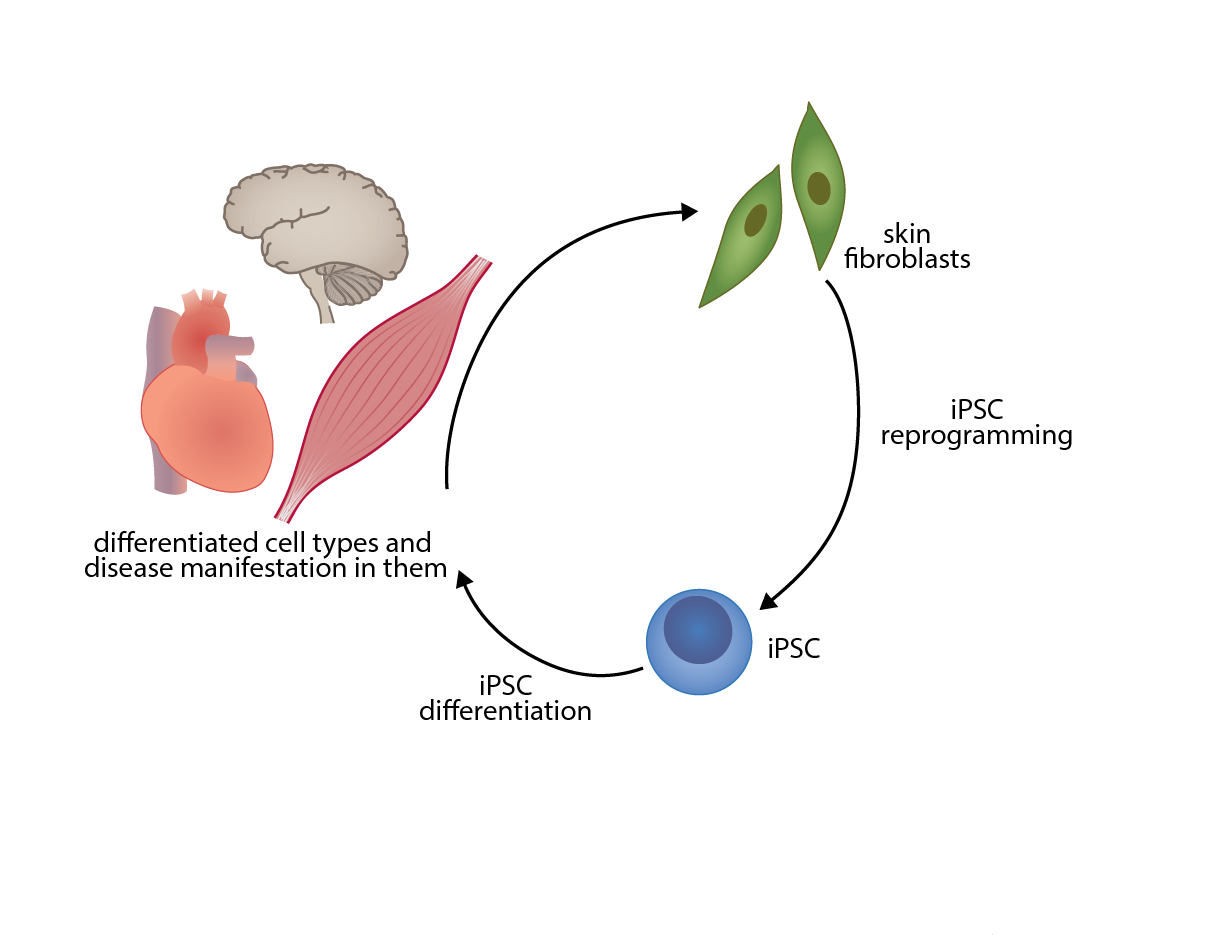
Riikka Martikainen serves as a Research Director at the A.I. Virtanen Institute for Molecular Sciences within the Faculty of Health Sciences at the University of Eastern Finland. Her research program focuses on mitochondrial diseases, stem cell modeling, and neurodegenerative disorders, with particular expertise in Parkinson's disease mechanisms and mitochondrial DNA mutations. She leads significant research initiatives including the Neuro-Innovation project (2021-2026) and the NOVEL MSCA Postdoctoral Programme (2024-2029), demonstrating her leadership in both specific research domains and broader capacity-building efforts. Dr. Martikainen's research centers on understanding mitochondrial dysfunction in disease contexts using induced pluripotent stem cell (iPSC) technology to model conditions like Parkinson's disease, progressive myoclonic epilepsy, and mitochondrial disorders. Her laboratory investigates how mtDNA mutations affect cellular function across various tissue types, with particular attention to neuronal and cardiac cells. She explores the interplay between mitochondrial dysfunction, metabolic alterations, and neurodegenerative processes, seeking to identify potential therapeutic targets and develop disease-specific cellular models. Analysis of her recent publications reveals a strong emphasis on developing and characterizing disease-specific iPSC lines, investigating mitochondrial heteroplasmy dynamics, and examining cellular responses to mitochondrial dysfunction. Her work spans from basic mechanisms of mitochondrial DNA maintenance to translational applications in disease modeling and potential therapeutic interventions, with particular focus on astrocyte contributions to Parkinson's pathology, mitochondrial mutation effects on cellular metabolism, and innovative approaches to modulate mtDNA heteroplasmy. Dr. Martikainen's laboratory utilizes advanced techniques including iPSC derivation and differentiation, mitochondrial function assays, calcium imaging, metabolomics, and disease modeling. Her collaborative approach is evident in numerous co-authorships across neuroscience, cardiology, and molecular biology disciplines, reflecting the interdisciplinary nature of her research program focused on bridging basic molecular mechanisms with potential clinical applications.
Kenichi Ohki is a Professor in the Department of Physiology at the Graduate School of Medicine, The University of Tokyo, and serves as Deputy Director and Principal Investigator at the International Research Center for Neurointelligence (IRCN). His research focuses on visual neuroscience and functional brain mapping, with particular emphasis on understanding how the visual cortex processes information at cellular resolution. Education: 1990-1996: Medical degree (MD) from Faculty of Medicine, The University of Tokyo 1996-2000: PhD in Medicine from Department of Physiology, The University of Tokyo 1996: Visiting scholar at Department of Brain and Cognitive Sciences, MIT Dr. Ohki is renowned for developing single-cell resolution functional mapping with two-photon calcium imaging in 2005, which revolutionized the understanding of visual cortex architecture. His work has revealed fundamental principles of how orientation selectivity emerges in visual neurons and how developmental programs interact with neural activity to shape cortical function. His laboratory continues to investigate the interplay between innate developmental circuits and neuronal activity in determining cortical function using advanced imaging and computational techniques. Analysis of Dr. Ohki's publications shows a consistent progression from foundational work on visual cortex organization to understanding developmental mechanisms and more recently, integrating neuroscience with artificial intelligence approaches. His recent work demonstrates increasing sophistication in analyzing neural circuits, with growing emphasis on computational modeling and cross-disciplinary approaches that bridge neuroscience and AI. Scientific Recognition: Multiple high-impact publications in Nature, Nature Neuroscience, and other top journals Development of innovative techniques for functional brain mapping Leadership as Deputy Director of IRCN, a major international research center Selection for Beyond AI Institute's mid- to long-term research project Regular recognition of laboratory members with research awards Dr. Ohki actively mentors a diverse research team including project assistant professors, postdoctoral researchers, and graduate students. His laboratory has received significant institutional support for research on visual neuroscience and neural circuit development. Several of his students have received prestigious awards at major neuroscience conferences in Japan, demonstrating his effective mentorship and the quality of research conducted in his laboratory. The Ohki Laboratory operates within the Department of Physiology at the University of Tokyo and is affiliated with the International Research Center for Neurointelligence (IRCN). The lab utilizes advanced techniques including in vivo two-photon calcium imaging, optogenetics, and computational modeling to investigate visual information processing in the mammalian brain. The research team consists of scientists with diverse expertise in neuroscience, imaging technology, and computational analysis, creating a highly collaborative and interdisciplinary research environment focused on understanding the fundamental principles of visual processing in the brain.