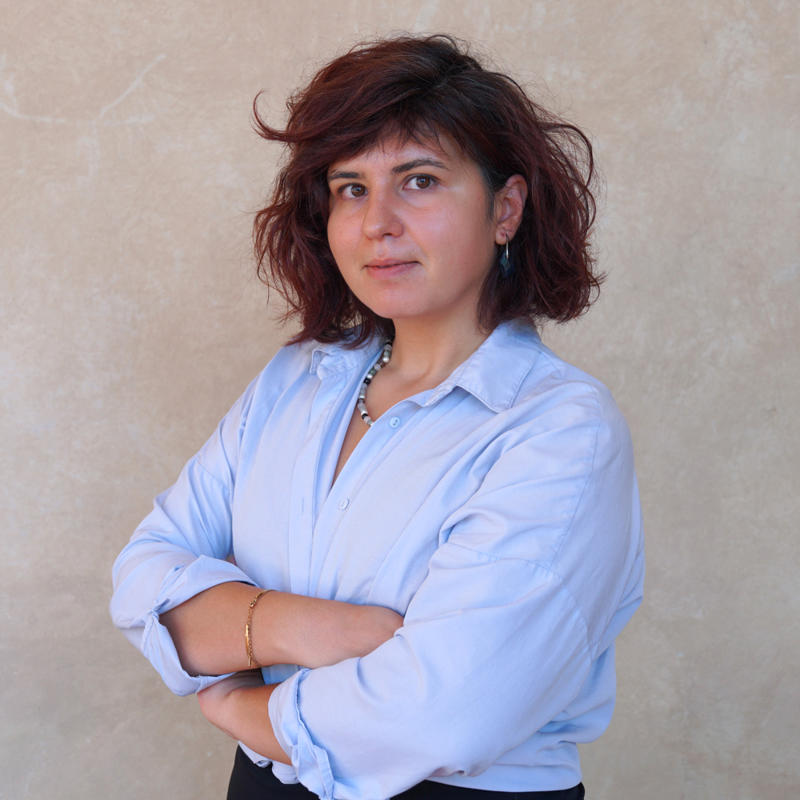
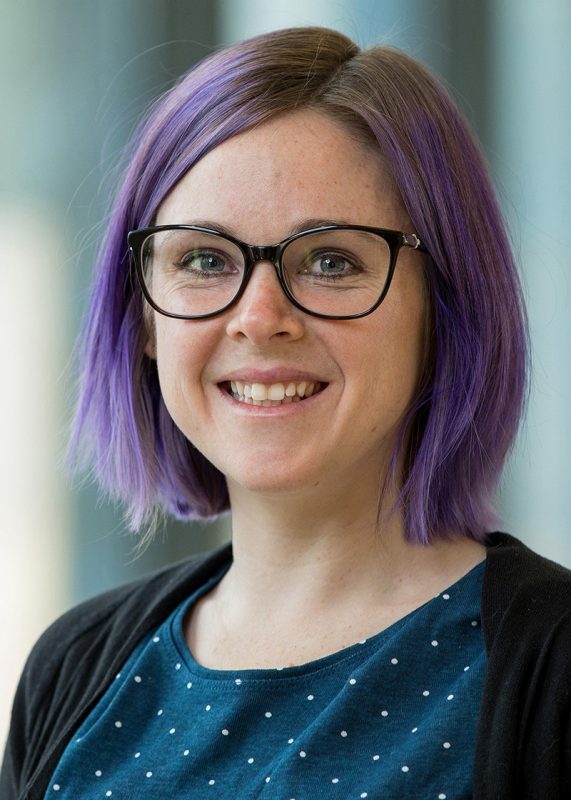
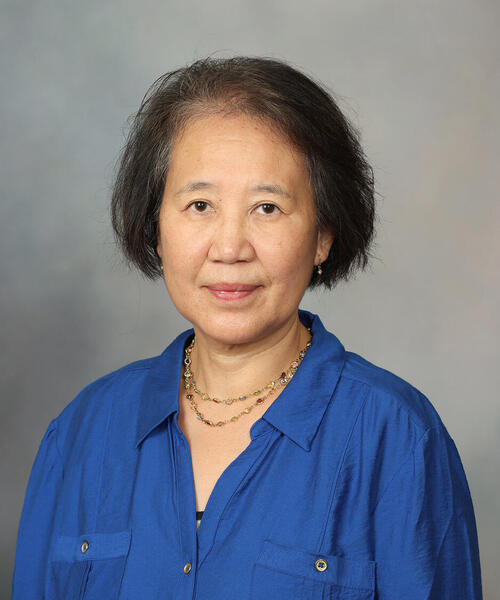
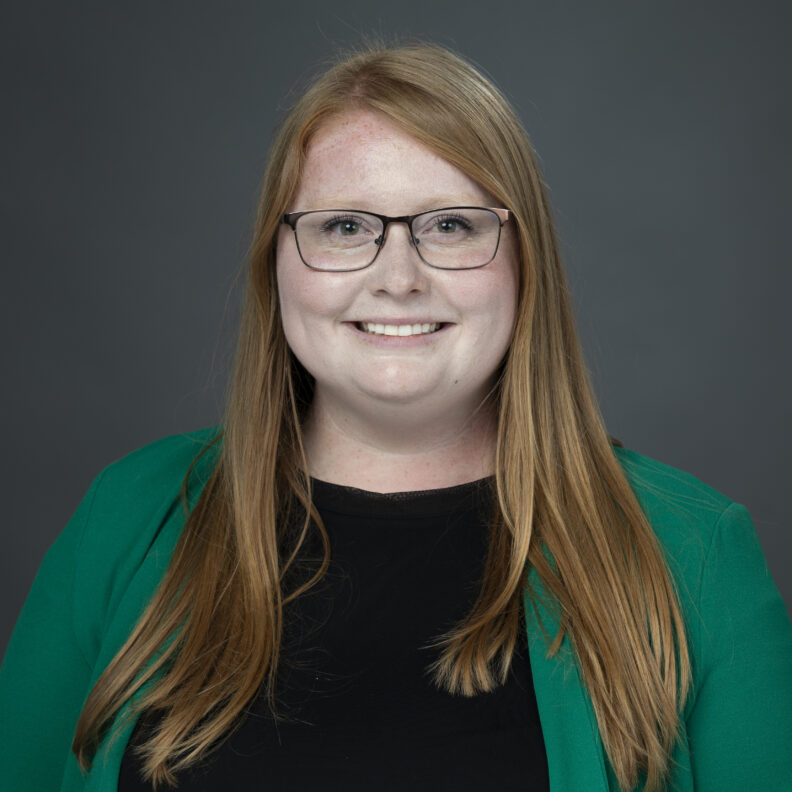
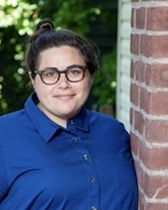
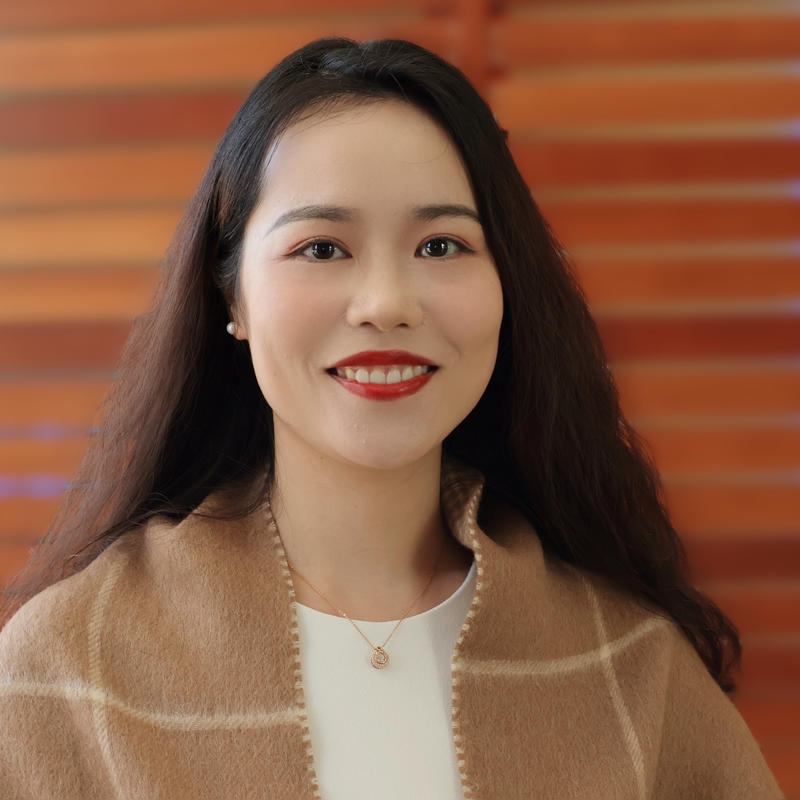
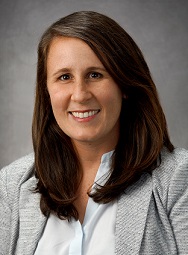
Melike Kokkizil is Part-time Assistant Professor at the Max Weber Programme and Max Weber Fellow in the Department of Economics at the European University Institute. Her research examines inequality determinants across social groups through applied microeconomic approaches. Key research areas: Gender disparities in educational and economic outcomes Cultural influences on inequality reproduction Identity threats and economic behavior Religiosity effects on human capital investment
John A. Corbett, PhD, serves as Professor and Chair of the Department of Biochemistry at the Medical College of Wisconsin (MCW), where he joined in 2010 after holding the Nancy R. and Eugene C. Gwaltney Family Endowed Chair in Juvenile Diabetes Research at the University of Alabama at Birmingham (2007-2010). Previously, he rose from Assistant Professor to Professor in Biochemistry at Saint Louis University (1995-2005). His academic credentials include a BS in Chemistry from Saint Norbert College (1985) and a PhD in Biochemistry from Utah State University (1990), followed by postdoctoral training in Pathology at Washington University School of Medicine (1990-1994). Dr. Corbett's research centers on pancreatic beta cell mechanisms in diabetes pathogenesis, with three core programs: (1) nitric oxide's dual role in beta cell toxicity and protection against cytokine damage; (2) viral infection impacts on macrophage activation and beta cell dysfunction; and (3) mitochondrial DNA mutation consequences on beta cell failure. His work integrates molecular, cellular, and transgenic approaches to dissect diabetes etiology. Analysis of his 2022-2025 publications reveals dominant themes in beta cell inflammatory responses, BET bromodomain inhibition, and mitochondrial DNA integrity. His research bridges immunology, molecular biology, and endocrinology to identify therapeutic targets for diabetes, with consistent focus on oxidative stress pathways and transcriptional regulation in islet cells. No scientific awards are documented in the source material. As department chair and principal investigator, Dr. Corbett leads a diabetes-focused research laboratory at MCW. While specific grant details and team composition remain unreported, his extensive publication record indicates active mentorship of graduate students and postdoctoral researchers within the Biochemistry Department.
Corrine W. Ruktanonchai is a Collegiate Assistant Professor in the Department of Population Health Sciences at the Virginia-Maryland College of Veterinary Medicine, Virginia Tech. She holds a PhD in Geography from the University of Southampton (2020), an MPH in Epidemiology from the University of Florida (2012), and a BS in Ecology and Evolutionary Biology from the University of Tennessee (2009). Her research focuses on rural health inequalities, Bayesian spatiotemporal modeling, and maternal and newborn health, with applications in geospatial analysis of disease spread and public health interventions. Professionally, she has held roles including Postdoctoral Associate (2021-2022) and Research Fellow at the University of Southampton (2020-2021). She is a member of the Delta Omega Honorary Society in Public Health (2013) and contributed to the Research Coordinator Steering Committee of the Clinical and Translational Institute (2013-2014). Her work spans epidemiological modeling, mobility patterns, and environmental health impacts, with a focus on geospatial techniques to address health disparities. Recent publications explore pandemic interventions, CAFOs’ effects on birth outcomes, and mobility data applications in public health. Awards: Delta Omega Honorary Society in Public Health (2013) Her research integrates spatial analysis with public health challenges, emphasizing policy-relevant solutions for maternal/neonatal health and pandemic response.
Grace J. Johnson, M.D., is an Assistant Professor in the Department of Obstetrics and Gynecology at Baylor College of Medicine's Austin location, specializing in Maternal-Fetal Medicine. Her academic role includes clinical, research, and educational responsibilities. Education: MD from Baylor College of Medicine, Houston, TX Residency at Baylor College of Medicine, Houston, TX Clinical Fellowship at Baylor College of Medicine, Houston, TX Research Interests: Dr. Johnson focuses on maternal-fetal medicine, neonatal outcomes, and medical education innovation. Her work bridges clinical practice with advancements in fetal monitoring, microbiome research, and surgical techniques for uterine anatomy. She also investigates resident education programs and leadership development in obstetrics and gynecology. Publications: Recent work includes studies on neonatal microbiome associations with Cesarean delivery, umbilical cord gas analysis, and hysteroscopic surgery techniques. Her educational research highlights resident-led teaching initiatives and multi-institutional leadership training needs. Awards: Administrative Chief Resident (2019-2020) Distinguished Educator Certificate (2020) Professional Memberships: Active member of the American College of Obstetrics and Gynecology, Society for Maternal Fetal Medicine, Gold Humanism Honor Society, and Alpha Omega Alpha Honor Society.
Dr. Yulian Zhao is a Professor in the Department of Obstetrics & Gynecology at Mayo Clinic, Rochester, Minnesota. He holds joint appointments in the Division of Laboratory Genetics and Genomics (Department of Laboratory Medicine and Pathology). His primary role is as a Consultant, specializing in reproductive tissue banking, fertility preservation for cancer patients, and improving IVF outcomes through machine learning analysis of clinical data. Education & Certifications: MBA from Johns Hopkins University Carey Business School (2008) Certificates in Strategic Planning, Marketing Management, Medical Informatics, and Human Resource Management from Johns Hopkins School of Medicine (2005–2006) Postdoctoral Research at University of Nottingham (Extracellular Matrix Proteins in the Ovary) and Babraham Institute (Uterine Gene Expression) PhD and MD from Harbin Medical University (China) Research Focus: Dr. Zhao's work centers on: Optimizing ovarian and testicular tissue cryopreservation techniques Regenerating germ cells from gonadal tissues for assisted reproduction Identifying IVF success factors using machine learning Addressing fertility preservation needs for pediatric cancer patients Understanding embryo implantation mechanisms in the endometrium His research aims to enhance fertility preservation protocols and improve ART outcomes through translational research. Awards & Recognition: 2017 Star Award (American Society for Reproductive Medicine) 2014 Program Prize Paper (Pacific Coast Reproductive Society) 2013 Distinguished Service Award (Global Chinese Association for Reproductive Medicine) NIH National Research Service Award (1998) Professional Contributions: Leadership roles in ASRM, GCARM, and other reproductive medicine societies Member of editorial boards and grant review committees Advisor to multiple institutions and trainees (e.g., Honorary Professor at Harbin Medical University) Labs & Teams: Active in Mayo Clinic's Reproductive Endocrinology and Infertility division, collaborating on cutting-edge projects in cryopreservation and ART optimization.
Dr. Kimberly Davenport is an Assistant Professor in the Department of Animal Sciences at Washington State University, affiliated with the College of Agricultural, Human, and Natural Resource Sciences (CAHNRS). Her research focuses on functional genomics, particularly the impact of genome structure and gene regulation on economically important traits in agricultural animals, with a focus on fertility traits in ruminants. She integrates cutting-edge genomic and computational tools to understand genetic and epigenetic mechanisms influencing agricultural productivity. Her work emphasizes translating research into practical genomic tools for producers, enhancing profitability and sustainability in the agricultural industry. Key areas include epigenetic regulation of gene expression in crossbreeding systems, placental development in ruminants, and the application of genomic technologies to address industry challenges. Dr. Davenport collaborates with the Ovine FAANG Project Consortium and has published in high-impact journals such as Proceedings of the National Academy of Sciences and Gigascience . Her research bridges basic science and applied industry solutions, with a commitment to outreach and extension.
Maria João Cabrita is an Assistant Professor at the University of Beira Interior’s Department of Communication, Philosophy and Politics. She holds a PhD in History of Political Ideas from Nova University of Lisbon (2007) and has been a postdoctoral researcher at CEHUM (2008–2014). Her research focuses on contemporary political philosophy, emphasizing social justice, human rights, migration, and global justice. Education: PhD in History of Political Ideas (Nova University of Lisbon, 2007) Master’s in Cultural and Political History (Nova University of Lisbon, 1999) Bachelor’s in Philosophy (Nova University of Lisbon, 1995) Research Interests: Cabrita’s work explores theories of justice, democratic institutions, migration policies, and the role of human rights in a globalized world. She has contributed to projects like the international REPRODUCE initiative (funded by Spain’s MCIN/AEI), examining social and biological reproduction in public spheres. Professional Roles: Director of the UBI-Aveiro Political Science PhD Program Member of the Faculty Council at UBI’s Faculty of Arts and Letters Researcher at Praxis – Center of Philosophy, Politics, and Culture Grants & Projects: Coordinator of the 2022–2025 REPRODUCE project (Spain) Former FCT Postdoctoral Fellow (2008–2014) Labs/Teams: Active in the Praxis research center, focusing on interdisciplinary political philosophy and ethics.
Shira E. Schwartz is an Assistant Professor of Religious Studies at Northwestern University, specializing in late antique rabbinic studies, contemporary Orthodox and ex-Orthodox Judaism, and queer/trans religious identities. Her interdisciplinary work combines textual analysis, phenomenology, and bioethnography to explore gender, sexuality, and space in minoritized religious communities. She holds a BA from Yeshiva University, an MA in Comparative Literature from UC Davis, and a PhD in Comparative Literature with a Judaic Studies certificate from the University of Michigan. Education: BA Yeshiva University → MA UC Davis → PhD University of Michigan (Comparative Literature) Her research bridges humanities and social/biomedical sciences, focusing on religious and gendered crossers, hormonal ethnography, and educational environments as sites of religious reproduction. Notable projects include 'Yeshiva Quirls: A Textual Ethnography of Jewish Reproduction' and 'Religion as Hormone.' She has organized workshops like 'Unorthodox Media' analyzing Netflix’s My Unorthodox Life . Awards: AJS Grants, Jewish Education Network Support, Humanities Without Walls Teaching emphasizes interdisciplinary approaches to religion, sexuality, media, and medicine. Previously served as the inaugural Phyllis Backer Professor of Jewish Studies at Syracuse University and held fellowships at Stanford’s Graduate School of Education and the University of Michigan’s Institute for the Humanities.
Jeff Sebo is an Associate Professor of Environmental Studies and Affiliated Professor of Bioethics, Medical Ethics, Philosophy, and Law at New York University. He directs the Center for Environmental and Animal Protection and the Center for Mind, Ethics, and Policy, and co-directs the Wild Animal Welfare Program. His research focuses on moral philosophy, legal philosophy, animal ethics, environmental ethics, AI ethics, and global priorities. He holds a Ph.D. in Philosophy from NYU (2011) and has held prior roles including Research Assistant Professor at UNC Chapel Hill and Postdoctoral Fellow at NIH. Education: Ph.D. in Philosophy, NYU (2011); B.A. in Philosophy/Sociology, Texas Christian University (2005). Research interests include animal minds, AI ethics, climate ethics, and global health policy. He has authored influential books like The Moral Circle (2025) and Saving Animals, Saving Ourselves (2022), and co-authored works such as Chimpanzee Rights (2018). His recent articles address topics like AI welfare, wild animal ethics, and policy frameworks for reducing industrial animal agriculture. He advises organizations such as Eleos AI and Minding Animals International, and contributes to interdisciplinary initiatives like the NYU Guarini Center on Environmental Law. His work emphasizes expanding the moral circle to include nonhuman beings and addressing interconnected challenges of climate change, pandemics, and animal welfare through policy advocacy and ethical analysis.
Dr. Lily E. Frank is Assistant Professor of Philosophy and Ethics at Eindhoven University of Technology's Department of Industrial Engineering and Innovation Sciences. She holds additional appointments as EAISI Foundational and Health Assistant Professor. Research Focus Her interdisciplinary work examines: Biomedical ethics and moral psychology Technology ethics and human enhancement Reproductive ethics (abortion, artificial uterus) Moral implications of AI and robotics She co-leads the NWO/MVI project developing mobile support systems for behavior change and is part of the 4TU Center for Ethics and Technology. Awards Best Contribution Award (2016) Key Technology Partnership Visiting Scholar (2019)
Dr. Yanling Deng is a Research Fellow in the Gangarosa Department of Environmental Health at Emory University. Her work focuses on two core areas: the impact of climate change-related environmental factors on chronic diseases in older adults, particularly dementia and depression, and the effects of environmental chemicals on reproductive health outcomes. She co-founded the Tongji Reproductive and Environmental (TREE) study, a cohort examining how exposure to environmental pollutants and lifestyle factors influence fertility and pregnancy outcomes among couples undergoing assisted reproductive technologies in China. Dr. Deng holds a BS from the University of South China and a PhD from Huazhong University of Science and Technology. Her research integrates epidemiological methods with biomarker analysis to assess chemical exposure pathways and health consequences. Key studies include investigations into disinfection byproducts in drinking water, phthalates, and polycyclic aromatic hydrocarbons. She has contributed to over 50 peer-reviewed publications since 2018, emphasizing interdisciplinary approaches to environmental health challenges. Her research portfolio reveals a strong focus on air pollution components (PM2.5, ultrafine particles), waterborne contaminants, and endocrine disruptors. Recent work highlights disparities in wildfire smoke-induced dementia risks among Medicare populations and mechanisms linking phthalate exposure to coagulation dysfunction in fertility treatments. Collaborations with global health networks like the Household Air Pollution Intervention Network (HAPIN) underscore her commitment to translational research addressing population-level health inequities.
Kiri Beilby is an Associate Professor in the Department of Obstetrics & Gynaecology at the School of Clinical Sciences at Monash Health, Monash University. She specializes in reproductive medicine and medical education, with a focus on fertility decision-making tools, surrogacy practices, and emergency remote teaching strategies. Her work contributes to UN Sustainable Development Goals related to good health and well-being, gender equality, and quality education. Beilby has been recognized for her teaching excellence, including the Dean’s Award for Excellence in Education (2021) and the Monash Postgraduate Association Lecturer of the Year Finalist (2018). She also received the MNHS Education Leadership Development Grant (2022) and a Senior Fellowship from the Higher Education Academy (2023). Her research spans clinical and educational domains. Notable projects include investigating post-thaw viability of cryopreserved ovarian tissue and exploring the use of Lightboards in academic settings. She has contributed to peer-reviewed journals and participated in conferences such as the European Society of Human Reproduction and Embryology (ESHRE) and the Australian Association for Research in Education (AARE). Beilby advocates for universal access to reproductive healthcare and has engaged in policy submissions and media outreach, addressing topics like egg freezing and surrogacy through podcasts and interviews.
Evelyne Selberherr is Assistant Professor specializing in microbiome research at the University of Veterinary Medicine Vienna. Her work applies 'One Health' principles to food systems, investigating microbial flows from farm-to-fork using metagenomics and bioinformatics. Projects include MASTER (microbiome product development) and MICRO-TRAMPER (student-led sequencing in food production). Research examines microbial interactions in dairy/meat processing, antimicrobial resistance, and rumen ecology. She teaches microbial ecology and bioinformatics while recruiting PhD candidates with microbiology backgrounds.
Mara Gordon, MD, is an Assistant Professor of Family Medicine and Core Faculty at the Edward D. Viner Center for Humanism, Education, and Training at Cooper Medical School of Rowan University (CMSRU). She completed her medical degree at the Perelman School of Medicine, University of Pennsylvania, followed by residency in Family Medicine at the Hospital of the University of Pennsylvania. She also holds a fellowship in Health and Media from Georgetown University School of Medicine and NPR. Her expertise spans reproductive health, pediatrics, mental health, LGBTQ+ care, and narrative medicine. She teaches courses in Narrative Medicine and Audio Storytelling and co-directs the Narrative Medicine Scholarly Concentration. Education: Medical School: Perelman School of Medicine at the University of Pennsylvania Internship/Residency: Family Medicine, Hospital of the University of Pennsylvania Fellowship: Health and Media, Georgetown University School of Medicine/NPR Research & Interests: Dr. Gordon focuses on integrating storytelling into medical education, improving access to compassionate primary care, and addressing systemic inequities in healthcare. She has published in outlets like The Atlantic and New York Times , and co-hosted NPR's Life Kit podcast. Her clinical practice emphasizes patient-centered care for all ages, including reproductive health, mental health, and LGBTQ+ primary care. Awards & Honors: Zervanos Family Medicine Award (2015) Gold Humanism Honor Society (2015) Toll Prize for Mental Health Research (2015) FOCUS Leadership Fellowship (2014) Teaching & Leadership: Dr. Gordon advises medical students in preclinical and clinical settings, oversees narrative medicine initiatives, and mentors fellows in health communication. She balances clinical work at Cooper Family Medicine (Camden) with advocacy for healthcare equity and media literacy in medicine.
David Coulter is an Assistant Professor in the Department of Natural Resource Management at South Dakota State University. His research focuses on invasive species management, fish ecology, and environmental impacts, with a particular emphasis on aquatic ecosystems and climate change. He is affiliated with the Edgar S. McFadden Biostress Laboratory, where he conducts studies on invasive carp species and their ecological effects. Dr. Coulter’s work integrates population dynamics, environmental monitoring, and conservation strategies. His research addresses critical issues such as the spread of invasive species like bighead and silver carps, climate change impacts on fisheries, and the application of novel techniques like eDNA for species detection. He also explores the implications of environmental contaminants and human activities on fish populations. His recent publications highlight advancements in invasive species management, including modeling approaches for control strategies and the development of risk assessments. His studies often involve collaborative efforts to bridge ecological theory with practical management solutions. David Coulter’s research has contributed to understanding the ecological and economic challenges posed by invasive species, offering pathways for sustainable resource management and conservation efforts.