Dr. Nikki Hayfield is an Associate Director in Psychology at the University of the West of England (UWE Bristol), affiliated with the Health and Social Sciences department. She holds a Psychology PhD and BSc. Her research spans peri/menopause, women's reproductive lives, bisexual/pansexual/ace spectrum identities, qualitative methods, critical psychology, and feminist psychology. She co-authored Essentials of Thematic Analysis (2021) and Bisexual and Pansexual Identities (2020). She serves on editorial boards for Sex Roles , Feminism & Psychology , and Women's Reproductive Health . Her recent publications focus on LGBTQ+ inclusion in motorsport, mixed-sex civil partnerships, and intersectional challenges in reproductive health. She supervises qualitative research projects and emphasizes methodological innovation.
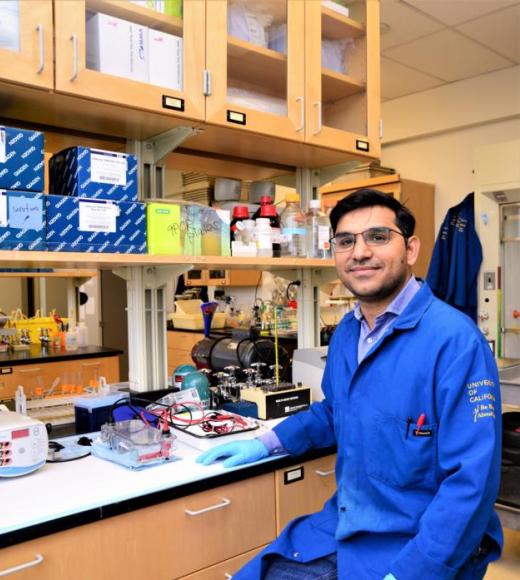
Shahid Siddique is an Associate Professor in the Department of Entomology and Nematology at the University of California, Davis. His research focuses on understanding molecular and applied aspects of plant-parasitic nematode interactions with host plants. He aims to develop sustainable strategies to mitigate nematode-induced crop losses through genetic, biochemical, and biotechnological approaches. His lab is particularly interested in host resistance mechanisms, nematode effector proteins, and biocontrol solutions. Education: MSc, Bahauddin Zakariya University, Multan, Pakistan PhD, University of Natural Resources and Life Sciences, Vienna, Austria Habilitation, University of Bonn, Germany Research Interests: Siddique’s work bridges basic and applied research, including cell surface signaling in plant-parasitic nematode interactions, functional characterization of secretory proteins, molecular diagnostics for nematodes, and biocontrol strategies. Current projects explore recombination hotspots in nematode genomes, CRISPR-based resistance engineering, and redox signaling mechanisms. Teaching: General Plant Nematology (NEM100) in Spring 2020 Labs/Teams: The Siddique Lab focuses on translating molecular discoveries into practical pest management solutions. Collaborations involve genomic analysis, proteomics, and field trials to address global agricultural challenges.
Ueli Grossniklaus is an Ordinary Professor at the University of Zurich within the Faculty of Mathematical and Natural Sciences , affiliated with the Department of Plant and Microbiology . His work focuses on plant developmental biology, particularly epigenetic and genetic mechanisms governing reproduction and adaptation. Key Courses: Epigenetics, Plant Biology Workshop, Group Seminars on Current Research Laboratory Techniques: Advanced methods in plant cell mechanics, transcriptomics, and genome editing Research Interests span plant epigenetics, reproductive biology, and the interplay between environmental stress and genetic regulation. He investigates: Mechanistic control of gametogenesis and fertilization Epigenetic contributions to plant adaptation Evolutionary implications of asexual reproduction Biophysical forces in plant cell growth Publication Trends (2025–2018) reveal expertise in: Arabidopsis and fern model systems Epigenetic regulation (DNA methylation, histone dynamics) Apomixis and hybrid seed failure mechanisms Biomechanics of pollen tubes and carnivorous plants Genome editing tools (CRISPR) and long-read sequencing Scientific Collaborations include interdisciplinary projects on: Microfluidic devices for plant cell analysis Gene drive ecology and ethics 3D imaging of plant reproductive structures Advising and Grants focus on mentoring through research internships in developmental biology, genetics, and systems biology. His lab engages in: Epigenetic response to environmental stress Cell wall mechanics in reproduction Computational modeling of plant growth Laboratory Teams integrate plant biologists, bioengineers, and computational scientists to study: Mechanistic gene regulation Evolutionary developmental biology Microrobotics for cellular force measurement
Mary Catherine Aime is a Professor of Botany & Plant Pathology at Purdue University's College of Agriculture, where she serves as Director of the Purdue University Herbaria (Arthur Fungarium and Kriebel Herbarium). Her research program focuses on the systematics, biodiversity, and evolution of Fungi, with particular emphasis on the earliest diverging lineages of Basidiomycota, rust fungi, fungi in tropical ecosystems, and fungal diseases of tropical tree crops. Dr. Aime's research interests span fungal systematics, biodiversity, and evolution. Her lab employs diverse methodologies from genomics to field studies in remote regions to investigate vastly underexplored fungal lineages. She has made significant contributions to the understanding of rust fungi (Pucciniales) taxonomy, establishing a comprehensive higher-rank classification based on molecular, morphological, and ecological data. Her work has important implications for plant pathology, agriculture, and biodiversity conservation. Dr. Aime's publication record demonstrates consistent contributions to fungal systematics, particularly in rust fungi research. Her work spans taxonomic revisions, molecular phylogenetics, biodiversity documentation, and the development of practical identification tools like Rust HUBB. Her research shows a clear progression from foundational taxonomic work to the development of molecular resources that benefit the broader plant pathology community. As Director of the Purdue University Herbaria, Dr. Aime oversees one of the most important collections of rust fungi (Pucciniales) in the world through the Arthur Fungarium (PUR). Her leadership in maintaining and expanding these critical research collections supports global mycological research efforts.
Timo Hytönen is a Professor in the Department of Agricultural Sciences at the University of Helsinki's Faculty of Agriculture and Forestry. He holds a Docentship in the same department and is an integral member of the Viikki Plant Science Centre (ViPS). His academic leadership extends to supervising doctoral students across three major programs: Sustainable Use of Renewable Natural Resources, Integrative Life Science, and Plant Sciences. Additionally, he maintains an external position as Principal Research Scientist at NIAB EMR in Genetic Genomics & Breeding since November 2018. Professor Hytönen's research interests span plant genetics, molecular biology, and crop production sciences with a specialized focus on berry crops, particularly strawberries. His work investigates fundamental plant processes including flowering time regulation, environmental adaptation mechanisms, fruit development, and disease resistance. His research integrates genomic, transcriptomic, and epigenetic approaches to understand how plants respond and adapt to environmental challenges. His extensive publication record (88 publications) reveals a strong focus on woodland strawberry (Fragaria vesca) as a model system for studying economically important traits in berry crops. Recent work demonstrates expertise in QTL mapping, genome-wide association studies, circadian rhythm adaptation, and the genetic basis of climate adaptation. His research shows consistent emphasis on translating basic science into practical applications for crop improvement. Professor Hytönen leads significant research projects including 'Mansikan vihreä vallankumous' (Strawberry Green Revolution) funded by the Academy of Finland and 'ASTROS: How meristems guide plant reproductive development' supported by the Jane and Aatos Erkko Foundation. He is also a Principal Investigator in the Viikki Plant Science Centre (ViPS), a major collaborative research infrastructure. His academic service includes extensive peer review activities (37 manuscript reviews), hosting academic visitors (32 instances), and participation in numerous conferences and seminars. He has provided guidance to graduate students and supervised doctoral candidates, contributing significantly to the training of next-generation plant scientists.
Dr. Manuel Fierro Calisto is an Assistant Professor in the Department of Genetics and Biochemistry at Clemson University, affiliated with the Eukaryotic Pathogens Innovation Center. His research focuses on understanding malaria parasite biology to identify novel antimalarial interventions. He holds a B.S. (2014) and Ph.D. (2020) in Cell Biology from the University of Georgia, followed by postdoctoral training at Iowa State University studying Plasmodium protein export mechanisms. His lab employs advanced molecular tools like proximity labeling and mass spectrometry to characterize host-pathogen interactions during blood-stage infections. Research emphasizes the Plasmodium Translocon of Exported proteins (PTEX) and the EXP2 nutrient pore, exploring their roles in parasite survival and host cell remodeling. Current projects include identifying the exportome of malaria parasites and elucidating EXP2 insertion mechanisms into the parasitophorous vacuole membrane. The lab's work bridges molecular parasitology with translational research for vaccine and drug development. Dr. Fierro's academic journey includes key contributions to understanding merozoite invasion mechanisms, proteolytic cascades during egress, and essential chaperone functions in Plasmodium life cycles. His lab, known as The Fierro Team, collaborates widely and is committed to advancing global health through parasite biology research.
Lucas Marie-Orleach is a Lecturer at the University of Tours, affiliated with the Institute for Research on Insect Biology (IRBI) under the UMR CNRS 7261. His research focuses on the effects of sexual reproduction on evolution at micro- and macro-evolutionary scales, combining laboratory experiments and theoretical models in quantitative genetics, population genetics, and behavioral ecology . Affiliation: University of Tours, France Academic Rank: Lecturer Research Themes: Sexual selection, speciation, self-fertilization, social effects, environmental stress adaptation Marie-Orleach’s work explores key questions such as the quantification of sexual selection, evolutionary consequences of social interactions, and impacts of self-fertilization on speciation. His 15 most recent publications (2013–2024) span topics like mating systems, cryptic female choice, and genome-wide heterozygosity maintenance. Notably, his 2024 Cold Spring Harbor Perspectives in Biology study addresses selfing’s role in speciation, while his 2023 Science Advances paper uncovers non-Mendelian inheritance in asexual nematodes. Scientific Awards: Marie-Orleach has received multiple grants, including a 2020 Norwegian Research Council fellowship, two Swiss National Science Foundation postdoc fellowships (2017, 2015), and doctoral fellowships from the Burkhardt-Bürgin Foundation (2013) and Freiwillige Akademische Gesellschaft Basel (2013). His collaborations span institutions in Norway (University of Oslo), France (University of Rennes), and Scotland (University of St Andrews). Marie-Orleach’s research integrates experimental and theoretical approaches, emphasizing transitions between sexual systems, indirect genetic effects, and evolutionary consequences of mating behaviors.
Gerald H. Thomsen is a Professor in the Department of Biochemistry and Cell Biology at Stony Brook University, where his research focuses on molecular mechanisms of embryonic development using Xenopus frogs and Nematostella vectensis sea anemones. His laboratory investigates growth factor signaling pathways, ubiquitin-mediated protein degradation, and transcriptional regulation during early development. His primary research areas include TGFß superfamily signaling (specifically Vg1/nodal/activin and BMP pathways), ubiquitin ligase function in cell differentiation, and evolutionary developmental biology through comparative studies of vertebrates and cnidarians. Current projects examine Smad-interacting factors, Smurf ubiquitin ligases, and the molecular basis of regeneration in sea anemones, with implications for understanding human developmental disorders and birth defects. Dr. Thomsen's publications reveal consistent focus on developmental signaling mechanisms across diverse model organisms, with recent work emphasizing CRISPR/Cas9 applications in Xenopus and evolutionary conservation of developmental pathways. His laboratory maintains active collaborations with researchers at the University of Florida and University of Hawaii, particularly on Nematostella vectensis functional genomics and regeneration studies, as evidenced by co-authored publications on cnidarian developmental mechanisms.
Dr. Wei-Chin Ho is an Assistant Professor specializing in microbial genetics and evolutionary biology. His research integrates experimental, computational, and theoretical approaches to study how microorganisms adapt to environmental changes. Key focuses include mutation dynamics, phenotypic plasticity, genetic drift vs. selection, and the molecular mechanisms underlying traits like antibiotic resistance and biofilm formation. His research investigates topics such as mutation rate variation, metabolic adaptation, and evolutionary trade-offs in response to fluctuating resources. Recent work explores microbial survival strategies in feast-famine cycles and the reversibility of phenotypic changes during environmental adaptation. Dr. Ho’s studies emphasize understanding the interplay between genetic and environmental factors in shaping microbial evolution. His publications reflect a focus on experimental evolution, mutation analysis, and the genetic basis of microbial adaptation. Notable themes include hypermutator evolution, ecotype dynamics, and the limits of population genetic parameter estimation using temporal data. No scientific awards or grants are explicitly mentioned in the text. Advising and student mentorship details are not provided. Dr. Ho’s work is centered in microbial systems biology, with implications for understanding antibiotic resistance and environmental microbial responses.
Professor Sally Hines is a Chair of Sociology and academic in the School of Sociological Studies, Politics and International Relations at the University of Sheffield. Her work bridges sociology, gender studies, law, and health studies. Hines holds a BA, MA, and PhD, and has held roles at the University of Leeds (Director of the Centre for Interdisciplinary Gender Studies) and Newcastle University. She focuses on gender diversity, transgender theory, sexual citizenship, and intersectionality. Her research explores topics like trans pregnancy, gender recognition policies, and youth understandings of gender diversity. She has co-authored ESRC-funded projects on young people’s gender experiences and trans masculinity in reproduction. Notable publications include Is Gender Fluid? (2018) and articles in SSM - Qualitative Research in Health and Journal of Youth Studies . Hines engages in public sociology, advising on the Gender Recognition Act and trans reproductive rights. Her work addresses societal debates on gender, feminism, and legal frameworks. She supervises PhD research on topics like masculinities, gender violence, and asexuality. Key grants include ESRC-funded projects on trans pregnancy and youth gender diversity. She teaches feminist theory, sexuality studies, and social movements, emphasizing interdisciplinary approaches.
Dr. E. Geuverink is a researcher affiliated with the Faculty of Science and Engineering at the University of Groningen, working within the Groningen Institute for Evolutionary Life Sciences . Their research focuses on evolutionary biology, genetics, and molecular mechanisms underlying sex determination in insects. Notable work includes studies on proto-Y chromosomes in houseflies, sex determination pathways in parasitoid wasps, and the genomic basis of chemoreceptor diversity in bees and wasps. Key research contributions span sex determination systems , genetic regulation of reproduction , and evolutionary genomics . Their articles frequently address topics like endosymbiont effects on parthenogenesis, QTL analysis in parasitoid behavior, and the genomic adaptations enabling pollinator lifestyles in Hymenoptera. Recent work highlights discoveries in chimeric genes influencing female sex determination in Nasonia wasps. No scientific awards or grants are explicitly listed in the provided materials. Their research is collaborative, often involving international teams and institutions. Dr. Geuverink has contributed to press coverage discussing breakthroughs like bacterial replacement of male production in wasps and mechanisms behind all-female offspring in parasitoids.
Dr. Andrew J. Mongue is an Assistant Professor in the Department of Entomology and Nematology at the University of Florida. His research focuses on using molecular and genomic approaches to study insects, particularly those with unusual reproductive biology or roles as crop pests. He specializes in genomic data integration to explore evolutionary processes, demography, and natural selection in insects like butterflies, moths, and true bugs. Dr. Mongue also emphasizes science outreach to engage the public with entomological research. His work spans diverse topics including genome sequencing of invasive pests, evolutionary trajectories under genomic imprinting, and symbiotic relationships. Recent studies highlight adaptations in Lepidoptera dietary genes and the evolutionary dynamics of B chromosomes in mealybugs. He collaborates on projects addressing agricultural pest genomics and monarch butterfly parasite biology. Publications between 2021-2025 reveal a focus on genomic imprinting, sex chromosome evolution, and the genetic basis of ecological adaptations. While no scientific awards are listed, his contributions to entomological genomics and outreach are notable. No advising or grant details are provided in the text. Dr. Mongue’s lab focuses on molecular ecology and evolutionary genomics, though specific team or lab infrastructure details are not mentioned.
Simone Chess is an Associate Professor of English and Director of the Gender, Sexuality and Women's Studies Program at Wayne State University, Detroit. She also leads the Center for Gender and Sexuality. Her work focuses on queer/trans studies, disability studies, and early modern British literature. Key roles include editing a special issue on 'Early Modern Trans Studies' (2019) and co-managing the Warrior Women Project digital archive. Awards include the 2024 Wayne State President’s Teaching Excellence Award and 2018 Diversity Champions honor. Her research explores crossdressing in early modern texts, gender performance, and intersections of disability/queerness. Notable publications include Male-to-Female Crossdressing in Early Modern English Literature (2016) and articles on topics like 'queer residue' in theatrical labor, asexuality in Renaissance texts, and adaptive technologies. Current projects include a Shakespeare/trans culture monograph and a disability-queer technologies study. Teaching includes courses on Shakespeare, women’s studies, and pedagogical strategies. She actively collaborates on digital humanities projects and has received multiple teaching awards. Her work bridges literary analysis with social justice advocacy, focusing on marginalized identities in early modern contexts.
Ricardo Hernandez is an Associate Professor in the Department of Horticultural Sciences at North Carolina State University (NC State), specializing in Controlled Environment Agriculture (CEA). He leads research projects at the intersection of plant physiology and advanced agricultural technologies, with a focus on optimizing crop production systems for sustainability and efficiency. Education: PhD in Plant Physiology/Controlled Environment Agriculture, University of Arizona (2013) MS in Biological Control and Integrated Pest Management, Texas A&M University (2009) BS in Agronomy/Crop Consultation, New Mexico State University (2005) His research explores light spectrum manipulation, cannabis micropropagation, agrivoltaics, and precision irrigation systems. Recent publications demonstrate expertise in LED lighting optimization, genetic transformation techniques, and resource-efficient crop production for leafy greens, cannabis, and strawberries. As a key member of the Controlled Environment Agriculture Coalition , he collaborates with engineers and industry partners to develop evidence-based solutions for environmental challenges in agriculture. His work utilizes NC State's advanced facilities like the Phytotron and N.C. Plant Sciences Initiative.
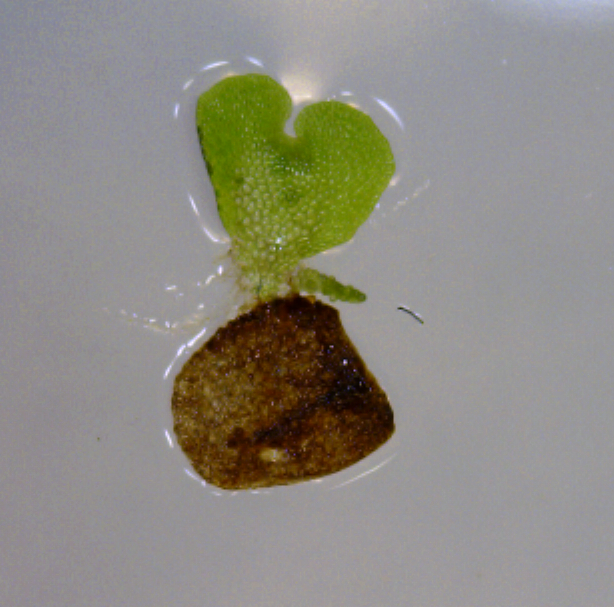
Chi-Lien Cheng is a Professor in the Department of Biology at the University of Iowa, where she investigates fundamental mechanisms of plant development with emphasis on alternation of generations in land plants and vegetative phase change in maize. Her research program leverages the model fern Ceratopteris richardii to dissect asexual life cycle transitions and identify evolutionarily conserved genetic pathways. Education: PhD, University of Connecticut Dr. Cheng's research integrates genetics, molecular biology, and evolutionary perspectives to understand how plants regulate developmental transitions across generations. Her laboratory focuses on molecular mechanisms controlling gametophyte-sporophyte switching in ferns and phase change in maize, utilizing genomic, transcriptomic, and functional approaches to elucidate conserved regulatory networks. This work provides critical insights into the evolution of developmental processes from non-seed to seed plants. Analysis of her 15 most recent publications (2018-2025) reveals three dominant research trajectories: (1) WOX gene family evolution and function in fern gametophyte development, (2) hormonal and epigenetic regulation of vegetative phase change in maize, and (3) molecular adaptation mechanisms in mangroves under environmental stress. Her publications consistently bridge model systems—from ferns to maize to mangroves—demonstrating how comparative approaches uncover universal principles in plant development. Dr. Cheng leads an active research laboratory that pioneered transformation techniques for Ceratopteris gametophytes, enabling genetic dissection of asexual reproduction pathways. Her team's identification of key genes in apogamy and apospory provides foundational knowledge for understanding apomixis in crop plants, with potential applications for agricultural innovation through clonal seed production.