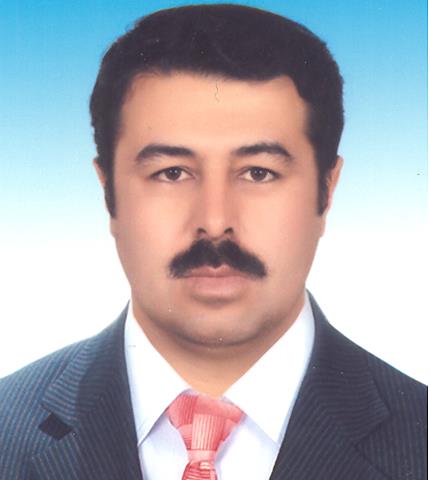
Tahir Gür is an Associate Professor at Gaziantep University's Nizip Faculty of Education, Department of Turkish and Social Sciences Education. His academic career spans institutions including Cumhuriyet University and Ağrı İbrahim Çeçen University, with a focus on Turkish language education, discourse analysis, and teacher training. Doctorate in Turkish Education (Atatürk University, 2011) Master's in Education (Syracuse University, 2001) Bachelor's in Classroom Teaching (Gazi University, 1997) Gür’s research bridges critical discourse analysis , qualitative research methods , and educational reforms . His work examines teacher professional identity, technology integration in pedagogy, and curriculum development in Turkish education. Recent publications highlight peer assessment, note-taking techniques, and debate-based learning strategies. His 15 most recent articles (2012–2021) explore topics such as discourse analysis in teacher identity, vocabulary acquisition through textbooks, and the impact of technology on education. These align with broader trends in educational sciences and language teaching methodologies . Gür has supervised theses like Sumeyye Ozer’s 2024 study on peer assessment and taught courses ranging from research techniques to Turkish language instruction. He has also served as Head of Department at Gaziantep University.
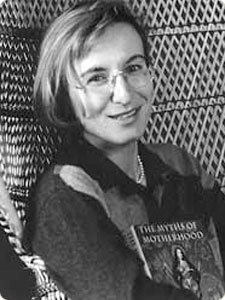
Davida Gavioli is a Senior Lecturer in Italian within the Department of Romance Languages and Literatures and affiliated with Italian Studies at Bowdoin College. She is based in Sills Hall and teaches courses in Italian language, 20th-century Italian literature and film, gender theory, and comparative women’s writing. Education: PhD in Italian and Comparative Literature, Pennsylvania State University Laurea in Foreign Languages and Literatures, University of Bergamo Her research focuses on feminist literary criticism, particularly the works of contemporary Italian women novelists, the literature of migration, and motherhood from a cross-cultural perspective. She explores the intersections between Italian, American, and French feminist thought and examines minority American and North African women writers. Her scholarship also addresses foreign language pedagogy and the integration of technology in language instruction. The analysis of her publications reveals a consistent engagement with maternal voice, female subjectivity, and gendered narratives in both Italian and Anglophone literature. Her work often centers on the recovery of women's perspectives in literary and historical contexts, particularly through feminist reinterpretations of maternal and intergenerational themes. Scientific Awards: No awards listed in the provided text. Davida Gavioli advises students in Italian studies and women’s literature. While specific grant funding is not mentioned, her scholarly contributions include chapters in academic reference works and peer-reviewed journals. She contributes to interdisciplinary conversations in gender studies and comparative literature. She is involved in the academic life of the Romance Languages and Literatures department, contributing to curriculum development in Italian studies and feminist literary theory. Her work supports the integration of global women’s voices into the literary canon and promotes innovative teaching methods in language education.
Professor Evonne Miller is a leading academic at Queensland University of Technology (QUT), where she holds the title of Professor of Design Psychology and serves as Director of the QUT Design Lab . Her work bridges healthcare design , participatory co-design , and planetary health , focusing on creating inclusive environments for vulnerable populations. As a Fellow of the Australian Association of Gerontology , she chaired the 56th AAG National Conference in 2023 and has pioneered innovative approaches to aged care , prison healthcare , and climate change engagement . PhD (University of Otago) Bachelor of Arts (Psychology) Bachelor of Commerce (Marketing) Her research expertise spans design thinking , arts-based knowledge translation , and health systems transformation , with over $16M AUD in competitive grants from ARC, NHMRC, and Queensland Health. Notable projects include Grief Guide AI , HEAL (Healthcare Excellence AcceLerator) , and intergenerational living campuses . She has published 140+ academic works , including books on healthcare design and creative research methods. Recent publications demonstrate her focus on AI in mental health , VR training , social prescribing , and arts-based interventions across diverse contexts like prison healthcare and voluntary assisted dying . Awards include Good Design Australia and National Communication Association recognitions, with her work influencing policy changes such as direct access to pain relievers in prisons. As a Senior Fellow of the Higher Education Academy , she teaches research methods and design thinking while leading co-design workshops globally. Her advocacy for human-centered design extends to climate anxiety , disaster resilience , and everyday activism , supported by a free co-design resource repository for global practitioners.
Dr. Krešimir Molčanov is a Senior Scientist at the Ruđer Bošković Institute in Zagreb, Croatia, working within the Division of Physical Chemistry, Laboratory for chemical and biological crystallography. He maintains a dual academic role as an educator at the Department of Chemistry, Faculty of Science, University of Zagreb, where he teaches specialized courses in crystallography and general chemistry. Dr. Molčanov's educational background includes primary education at Ivan Gundulić school in Zagreb (1985-1993), secondary education at II. gimnazija high school in Zagreb (1993-1997), undergraduate studies in Chemistry at the University of Zagreb (1997-2002), and doctoral studies in Inorganic and Structural Chemistry at the same institution (2003-2008). His research primarily focuses on chemical crystallography with special emphasis on radical systems, particularly semiquinone radicals and their electronic properties. Dr. Molčanov investigates the relationship between crystal structure and functionality, with applications in magnetic materials, conductivity, and proton transport. A recurring theme throughout his career is the investigation of 'pancake bonding' - a special type of multicenter bonding in radical systems that bridges the gap between covalent and intermolecular interactions. His work increasingly incorporates quantum crystallographic methods to understand electron density distribution in complex systems. Analysis of Dr. Molčanov's publication record shows consistent evolution from fundamental hydrogen bonding studies toward advanced applications in functional materials. His most recent work (2023-2025) demonstrates sophisticated integration of experimental crystallography with electronic structure analysis, particularly in systems involving radical anions and multicenter bonding. The recurring themes across his publications include π-stacking interactions, charge transfer phenomena, and the design of materials with tailored electronic properties. Dr. Molčanov has led multiple research projects funded by the Croatian Science Foundation and Croatian Academy of Sciences and Arts. His leadership roles include projects on metal-organic systems based on oxalate and quinoid ligands, interactions of semiquinone radicals for magnetic materials, and design of functional materials based on quinoid rings. He has coordinated international collaborations with researchers from France, Slovenia, and India, focusing on crystallographic studies and materials design. Within the Laboratory for chemical and biological crystallography at the Ruđer Bošković Institute, Dr. Molčanov maintains close collaboration with multiple research teams, including the long-standing partnership with Dr. Biserka Kojić-Prodić (his PhD supervisor). His interdisciplinary approach spans chemistry, physics, and materials science, with particular emphasis on the structural basis of electronic properties in solid-state systems.
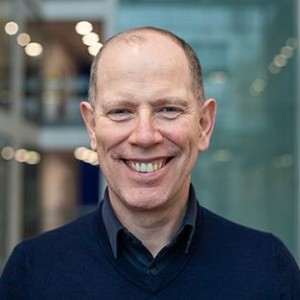
Professor Eamonn McKeown is a distinguished academic at City St George's, University of London , where he has worked since 2006. Currently serving as Head of the Department of Global, Public & Population Health & Policy (established 2025), he leads strategic academic development for the School of Health & Medical Sciences management team. His career spans roles including Associate Dean for Postgraduate Studies (2021-2025) and Head of Health Services Research & Management Department (2014-2021). Qualifications: PhD in Social Anthropology, Queen's University Belfast BA (Hons) in Social Anthropology, Queen's University Belfast PGDip in Academic Practice, City University London As an interdisciplinary researcher, McKeown specializes in equality and diversity issues across health and education sectors, employing qualitative methodologies . His fieldwork includes studies in Papua New Guinea on literacy patterns and in the United States on migration/ethnic identity. Recent research focuses on educational research aligned with EDI (Equality, Diversity, Inclusion) agendas to improve student experiences. His 15 most recent articles (2024-2006) demonstrate sustained contributions to Mental health interventions in higher education Nursing clinical practice Public health policy Sexual health research Qualitative methodology development Digital health solutions Scientific Recognition: Fellow of Royal Society for Public Health Senior Fellow of Higher Education Academy Fellow of Royal Anthropological Institute Recognised Research Supervisor, UK Council for Graduate Education As an educator, McKeown teaches NM3270 Using Research Knowledge (BSc) HRM020 Foundations in Research Methods (Masters) HRM001 Introduction to Research Methods (Masters) and has mentored 10 PhD/MRes students to completion.
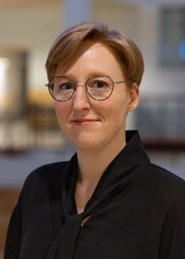
Hanna Ahrenby is an Assistant Professor in the Department of Creative Studies (Teacher Education) at Umeå University, Sweden, specializing in visual arts education policy and teacher professionalism within Swedish compulsory schools. Her work critically examines how educational policies are translated into classroom practice through teacher interpretation and enactment. She earned her Ph.D. in Educational Work in 2021 with the dissertation "Teaching fundamental values in art education: a study on policy enactment in secondary school" and holds formal recognition as a university teacher. Her academic foundation combines rigorous pedagogical training with deep subject expertise in art education. Dr. Ahrenby's research focuses on the tensions between policy mandates and classroom realities in visual arts education. She investigates how teachers navigate new syllabi implementation, maintain professional autonomy, and preserve subject integrity amid evolving educational traditions. Her work highlights the critical role of teacher agency in mediating policy demands with pedagogical needs. Analysis of her 2014-2025 publications reveals a clear evolution from foundational studies on fundamental values to current investigations of syllabus enactment and teaching materials. This trajectory demonstrates growing emphasis on teacher interpretation processes and historical influences on contemporary art education practices within Sweden's unique policy landscape. She currently leads two major research initiatives: a project examining teachers' interpretation of Sweden's new art syllabus in compulsory schools, and a collaborative study analyzing teaching materials through policy and historical perspectives to understand their development and classroom integration.
Associate Professor Judi Parson is a pediatric-qualified Registered Nurse and Registered Play Therapist - Supervisor at Deakin University's School of Health and Social Development, Faculty of Health. She leads the Play Therapy discipline at the university and is recognized internationally for her work in Medical Play Therapy and the integration of digital technologies in therapeutic practice. Her career spans clinical practice, research, teaching, and leadership in the field of play therapy. Education Doctor of Philosophy, Central Queensland University Master of Health Science (Nursing), Charles Sturt University Master of Arts in Play Therapy with Distinction, Roehampton University, UK Graduate Diploma of Nursing, Australian Catholic University Graduate Certificate of Higher Education, Deakin University Bachelor of Nursing, Australian Catholic University Research Interests Professor Parson's research focuses on Play Therapy as an emerging profession to support biopsychosocial health and development for children and their families. Her work explores thematic expression of humanistic skills within play therapy and supervision sessions, pediatric (hospital, medical and procedural) play therapy techniques, and digital tele-health including therapeutic apps and virtual reality. She employs qualitative research methods such as Phenomenology and Autoethnography to investigate optimal therapeutic effects for diverse populations including war-affected children, those experiencing natural disasters, Aboriginal communities, children of incarcerated parents, and children with autism. Her research bridges theory and practice while addressing cultural responsiveness and technological innovation in play therapy. Research Output Trends Professor Parson's recent publications reveal a strong focus on expanding play therapy applications across diverse contexts and populations. Her work increasingly addresses cultural responsiveness, particularly with Aboriginal communities, and the adaptation of play therapy for crisis situations including natural disasters and war. There's a notable trend toward integrating digital technologies, with several publications on tele-play therapy, virtual reality applications, and online supervision. Her research also demonstrates growing attention to specific populations such as children of incarcerated parents and those with autism, while maintaining her foundational work in medical play therapy for pediatric healthcare settings. Scientific Awards Australian Postgraduate Award (2003-2008) for PhD research on "Integration of procedural play for children undergoing Cystic Fibrosis treatment: A nursing perspective" Highest Academic Achievement Award (1996) for Graduate Diploma in Nursing (Child and Adolescent health - Advanced paediatrics) Supervision and Grants Professor Parson actively supervises multiple doctoral and master's students across various play therapy research topics. Her current doctoral supervision includes research on psychosocial interactions in parent-child play relationships, therapeutic play for developmental trauma, and children's coping with vaccinations. She recently secured a significant grant from The Rotary Club of Sydney Inc for "Tele Play Therapy" research (2024-2026, $36,721.28), demonstrating continued funding support for her innovative work in digital play therapy applications. Professional Leadership Professor Parson is a co-founder of the Australasia Pacific Play Therapy Association (APPTA) and the International Consortium of Play Therapy Associations (IC-PTA), playing a key role in shaping the field globally. She serves on the Editorial Board of the British Journal of Play Therapy and maintains professional registrations with multiple play therapy associations worldwide, including as a Registered Play Therapist/Supervisor with APPTA. Her leadership extends to developing the Master of Child Play Therapy program at Deakin University, where she teaches multiple courses including Foundations of Play Therapy, Humanistic Play Therapy, and Systemic Play Therapy.
Dr. Jenifer Jasinski Schneider serves as Interim Dean and Professor of Literacy Studies in the College of Education at the University of South Florida. Her leadership spans academic administration, research innovation, and community literacy initiatives, with significant contributions to K-12 writing instruction and children's literature scholarship. She earned her Ph.D. in Language, Literature, and Reading Education from The Ohio State University, establishing foundational expertise in literacy development and pedagogical theory. Dr. Schneider's research centers on children's composing processes through arts-based approaches, examining how process drama and children's literature foster symbolic development and meaning-making. Her work explores digital literacies' impact on multimodal composition, Irish children's literature through Fulbright-supported research in Ireland, and family literacy initiatives across diverse community contexts. She investigates evolving student strategies for print-based and digital text communication, emphasizing inclusivity and technological integration. Analysis of her recent publications reveals strong trends in diversity and inclusion through immersive technologies, interdisciplinary writing instruction (particularly mathematics integration), and critical digital literacies in post-truth discourse. Her scholarship bridges theoretical frameworks with practical classroom applications, consistently addressing contemporary challenges in teacher preparation and K-12 literacy education. Key scientific recognition includes: Fulbright Scholar award for research in Ireland Dr. Schneider has directed the Suncoast Young Authors Celebration for 20 years, championing student writing achievement, and currently serves on the Hillsborough Literacy Council Board. She pioneered open-access educational resources through her digital textbook The Inside, Outside, and Upside Downs of Children's Literature , demonstrating commitment to accessible pedagogy and community engagement in literacy advancement.
Liv Valmestad is an academic librarian, artist, and art historian at the University of Manitoba 's School of Art and Faculty of Architecture . As the Art Librarian since 1997 and former Head of Arts and Humanities Division (2020-23), she bridges librarianship with contemporary visual practice through her research on Nordic landscapes and public art. Her international exhibitions and publications reflect her interdisciplinary approach. Education : B.F.A. (1986), MA (Art History, 1990), MIS (1992), Postgraduate Fine Arts (1987), and Oral History Certificate (2018) Research interests span public art documentation, digital humanities, and Nordic landscape representation. Recent publications like Embracing Messiness (2023) demonstrate her focus on creative pedagogy and art-technology intersections. Her 2020 In Between (s)p(l)ACES exhibition explores identity through geographical affect. Scientific recognition includes the UMFA Merit Award (2021), Carl R. Nelson Jr. Award as an instructor, and Melva J. Dwyer Book Award (2009). She actively contributes to art education through grants from Winnipeg Arts Council , Manitoba Arts Council , and University of Manitoba Creative Works programs.
Dr. Gerard Bellefeuille is a Professor in the Department of Child and Youth Care at MacEwan University's Faculty of Health and Community Studies. He previously served as an Associate Professor of Social Work at the University of Northern British Columbia and brings over two decades of direct practice experience in human services. His academic focus integrates creative pedagogical approaches with child welfare practices. PhD in Social Work (University of Victoria) Research interests include Arts-based Education , Indigenous Child Welfare , and Relational-centered Practice . His work emphasizes creativity as a transformative tool for learning, leveraging arts-based methods to enhance somatic awareness and uncover hidden knowledge in educational settings. Recent publications highlight his expertise in qualitative inquiry , 2SLGBTQ+ youth support , and international experiential learning . His academic contributions span over 60 peer-reviewed articles, 70 invited lectures, and three co-authored books. Distinguished Teacher Award (2014) Dissemination Grant (2019) Multiple Campus Alberta Grants for International Learning (2010, 2016) Dr. Bellefeuille actively involves students in research, mentoring over 100 CYC students as co-authors. His grants include funding from Alberta Advanced Education, the British Columbia Ministry of Children and Family Development, and Indigenous community partnerships.
Şahin ORUÇ is an Associate Professor at Yıldız Technical University's Faculty of Education, Department of Social Sciences and Turkish Education since 2016. Previously, he served as Assistant Professor at the same institution from 2007-2016. He has held significant administrative roles including Assistant Secretary General (2016-2018) and Head of Department (2013-2016) at Yıldız Technical University. His educational background includes a Doctorate (2003-2007) and Postgraduate degree (1999-2002) from Gazi University's Faculty of Education, and an undergraduate degree in History Education (1993-1997) from İnönü University. Dr. ORUÇ's research spans multiple areas within educational sciences, with particular emphasis on social studies education , history education , and gifted education . His work frequently explores innovative teaching methodologies, including the use of comics, gamification, and intelligence games in educational contexts. He has published extensively with over 179 publications according to Web of Science metrics. His recent publications reveal a strong focus on interdisciplinary approaches to social studies education, with particular interest in how digital media, historical narratives, and specialized teaching methods can enhance learning outcomes. The research shows consistent attention to both theoretical frameworks and practical classroom applications. International Journal of Field Education (IJOFE) - First Editor (2015-Present) International Journal of Social Science Research - First Editor (2014-Present) Organized multiple international symposiums including INTERNATIONAL SYMPOSIUM OF TEXTBOOKS (DEKUS) and SYMPOSIUM OF MATERIALS IN FIELD EDUCATION (IFEMS) Dr. ORUÇ has supervised 15 graduate theses across various topics in social studies education and has been involved in multiple research projects, including "Zeka ve Akıl Oyunlarının Öğrencilerin Okula İlişkin Tutumlarına Etkisi" (2017-2019) and "Tarih ve Sosyal Bilgiler Ders Kitaplarında Ermeni Meselesi" (2016-2018). He has also conducted professional development workshops on storytelling, intelligence games, and student coaching.
Sandra Brigance, PhD , is a Professor in the Department of Mathematics at Ferris State University's College of Arts, Sciences and Education. She specializes in mathematics education and instructional design, particularly focusing on online learning environments, teaching strategies, and assessment methodologies. PhD in Education (Instructional Design for Online Learning), Capella University MA in Mathematics, Western Michigan University BS in Secondary Mathematics Education, Western Michigan University Her research emphasizes the intersection of mathematics instruction and digital pedagogy, including the development of tools like the Asynchronous Discussion Instruction Tool (ADIT) to enhance student engagement. She explores how learning outcomes differ from objectives and assesses student valuation of semester-long learning experiences. Brigance's publications and presentations highlight trends in online education leadership, learner-centered rubrics, and integrating information literacy into mathematics courses. She has presented at conferences such as the Lilly Conference, AECT International Convention, and the ICTCM.
Cynthia Hammond is a Professor of Art History at Concordia University , Montreal, with a research focus on women and the history of the built environment, urban landscapes, research-creation, and oral history. She has published extensively on architecture, suffrage movement spatial history, public art, and urban change politics. Academic Appointments Professor of Art History, Concordia University Research Interests Women and the Built Environment Urban Landscapes Research-Creation Methods Oral History Practices Heritage Movements Public Art and Politics Her recent articles explore themes like self-portraiture, garden symbolism, urban transformation, and historical reinterpretation through visual arts. Notable works include Between the Moon and Me (2023) connecting personal illness with mythological themes, and The Gardens of Marie Clews (2023) documenting her artist residency in France. Hammond leads transdisciplinary projects such as the SSHRC Partnership Development initiative on urban knowledge of Montreal’s older citizens. Her practice often bridges art , activism , and historical research , as seen in collaborations like The Possible (2014) and community-based Promenade parlante (2018-19). She has also contributed to feminist activism through projects like Take Back the Night (1998) and Bountiful Woman (1992 & 1994).
Madeleine Bernstorff is a cultural producer, film curator, author, and lecturer at the Institute for Music and Media at Robert Schumann University Düsseldorf. Her work bridges research-based film curating, feminist film history, and avant-garde cinema, with a focus on resistance movements and political documentary forms. Education : Studied media art at the Academy of Fine Arts Munich, University of Munich, and F+F School of Design Zurich Research : Avant-garde cinema, feminist film movements, migrant representation, and socio-political documentation Teaching : Guest professorships at Berlin University of the Arts, Munich Academy of Fine Arts, and international institutions Collaborations : Co-founded Sputnik cinema (1984) and Blickpilotin feminist film collective (1989) Publications : Edited works on Trinh T. Minh-ha, René Vautier, and Afghan cinema Her filmography includes The Fanaticism of the Suffragettes (2010), Candan (2005), and Zitronenfilm (1997), exploring themes of gender, migration, and historical memory through Super8 and video art. She has curated exhibitions at Tromsø Kunstforening and programmed films at institutions like the Arsenal Cinema Berlin and Oberhausen Short Film Festival.
Qibin Zhang is a Professor of Chemistry and Co-Director of the Center for Translational Biomedical Research at the University of North Carolina at Greensboro (UNCG), where he leads the Zhang Research Group in the Department of Chemistry & Biochemistry within the College of Arts and Sciences. His laboratory develops cutting-edge mass spectrometry technologies for proteomics, lipidomics, and metabolomics with applications in disease biomarker discovery and clinical diagnostics. Dr. Zhang's primary research interests focus on developing more accurate, sensitive, and higher throughput measurement capabilities for biomolecules. His work centers on three main areas: Proteomics : Temporal plasma proteomics for Type 1 diabetes progression, cell-specific and spatial tissue proteomics, immunopeptidome analysis for novel T1D autoantigens, antimicrobial peptides, and glycated proteome in diabetic complications Lipidomics : Tissue-specific global lipidomics, high-resolution ozone-induced dissociation mass spectrometry, advanced analysis of glycosphingolipids, and lipid glycation in diabetes Metabolomics : Tryptophan catabolism, oxylipins and inflammation, fatty acid and energy metabolism, and chemical isotope labeling-based metabolomics Analysis of Dr. Zhang's recent publications (2022-2024) reveals a strong focus on translational biomedical applications, particularly in diabetes research and exercise physiology. His work demonstrates expertise in both method development (improved mass spectrometry techniques, data processing software) and biological applications (disease mechanisms, nutritional interventions). The research consistently bridges analytical chemistry with clinical applications, showing particular strength in spatial proteomics and lipidomics approaches. Dr. Zhang teaches advanced analytical chemistry courses including CHE 632/732 Advanced Analytical Chemistry, CHE 633/733 Bioanalytical Chemistry, and CHE 431/531 Instrumental Analysis. His laboratory is equipped with state-of-the-art instrumentation including Thermo QExactive HF, TSQ Quantiva, LTQ-Orbitrap with ETD, nano-LC and UPLC systems, and a Leco GC-TOF mass spectrometer. The Zhang Research Group currently includes four postdoctoral research fellows working across various aspects of proteomics, lipidomics, and metabolomics research.